The Camera Changed The Way I Walk Through Cities
A camera has a quiet way of slowing the body down. It adds a small weight to your shoulder, and with it, a new rhythm. You stop rushing. You start noticing.
Before I carried one, a city was mostly a route. A street led somewhere. A crossing was something to clear. A building was passed, not studied.
Now, every walk feels less direct, and that is the point. I take the longer corner. I wait an extra beat at the light. I let the scene arrange itself.
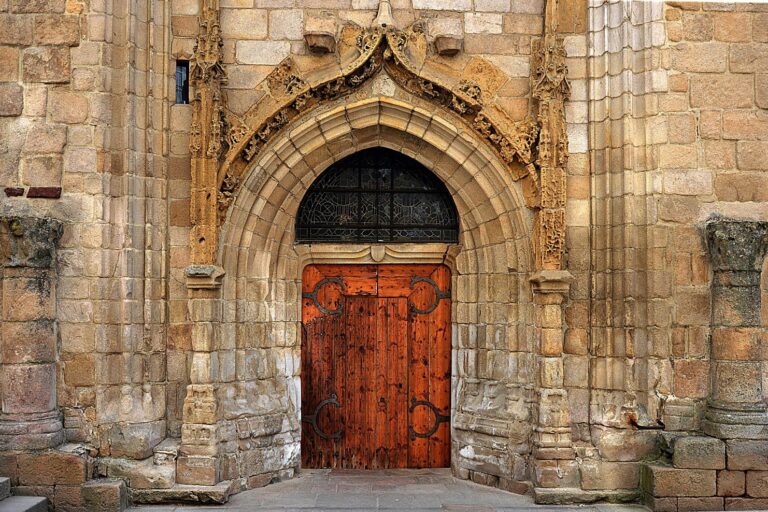
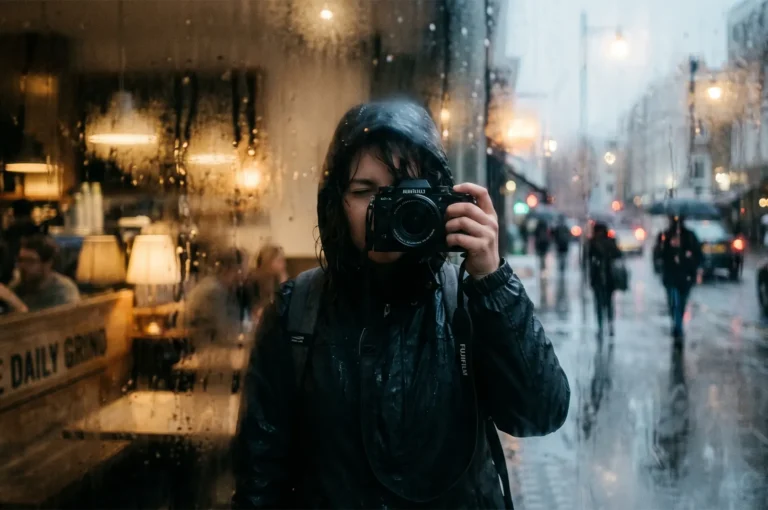
Glass becomes a second city, holding reflections of buses, faces, clouds, and neon signs that never quite belong together. Crosswalks turn into small stages, where strangers enter and leave without knowing they have briefly become part of the frame. Architecture changes by the hour, not because the buildings move, but because light keeps rewriting their surfaces.
The camera teaches a kind of attention that is difficult to unlearn.
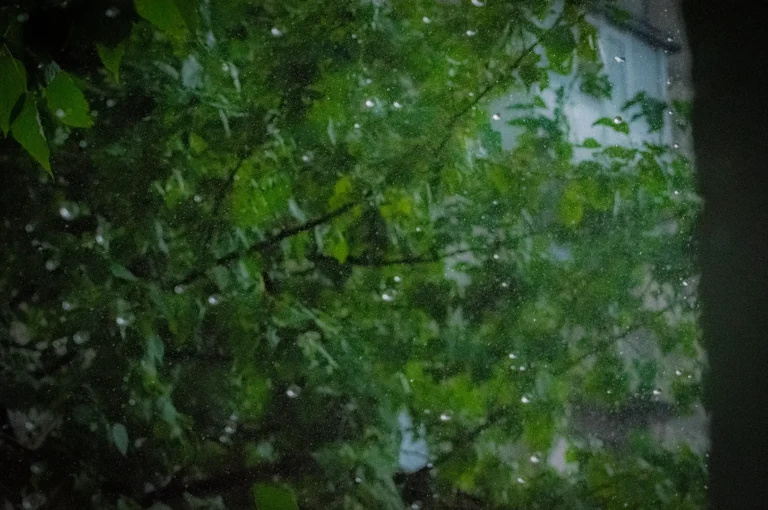
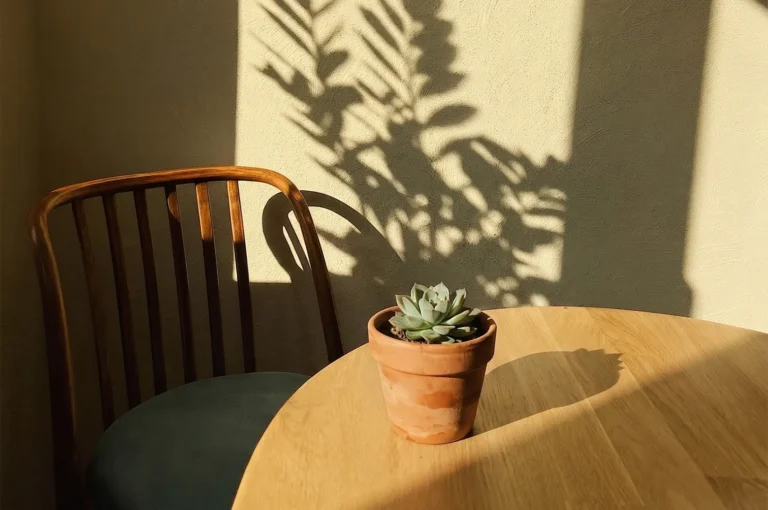
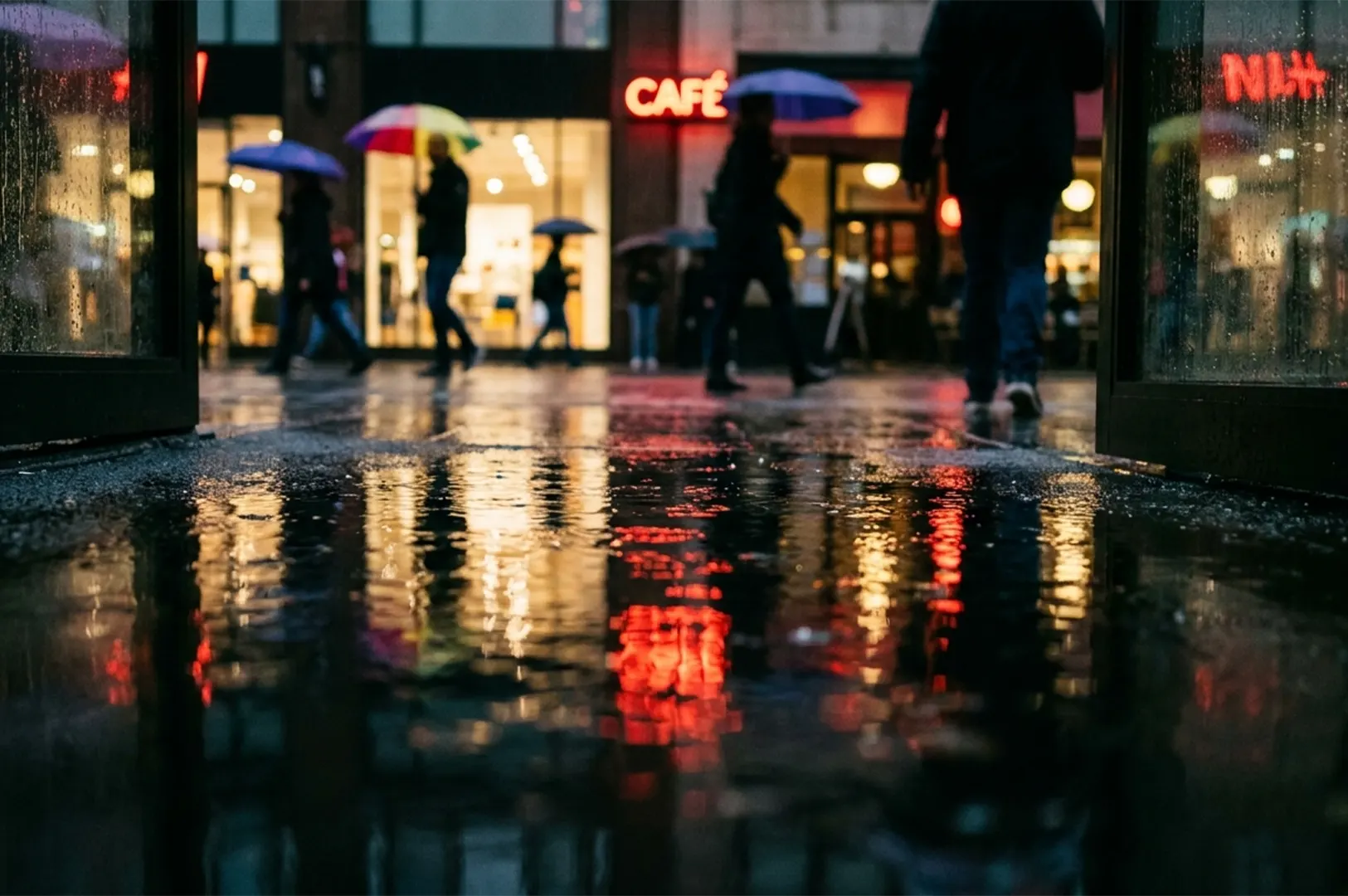
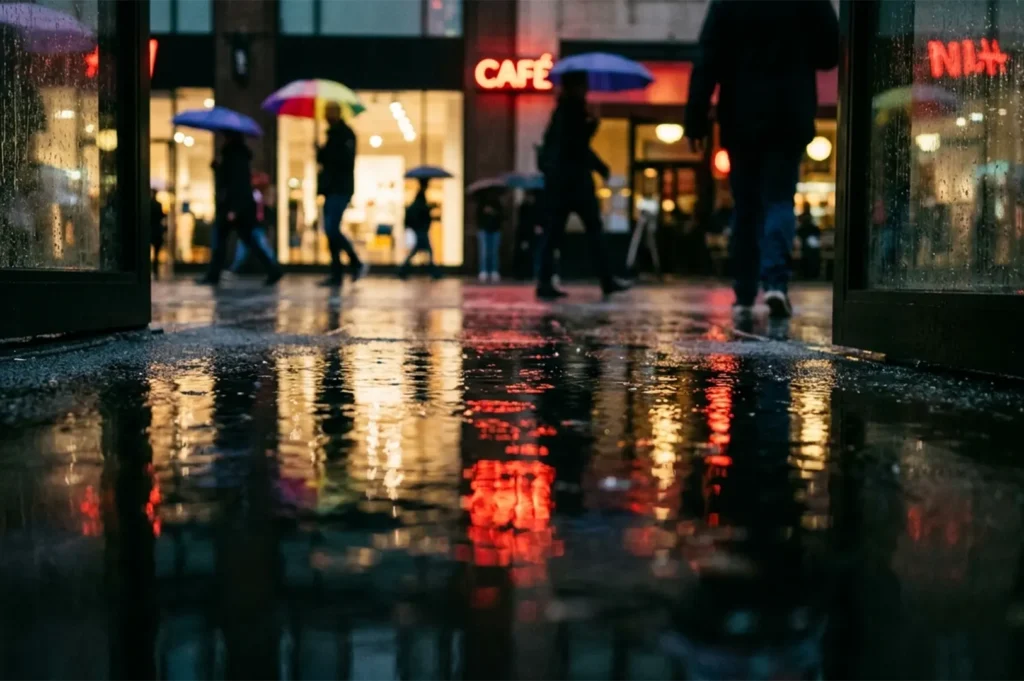
It makes you notice the lean of afternoon shadows, the pause before someone steps off a curb, the way rain gathers colour from the road.
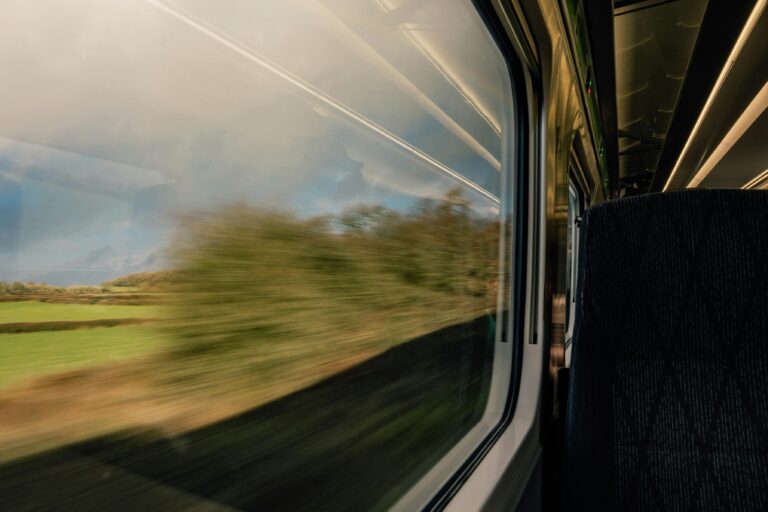
You begin to see how a storefront light warms a sidewalk, how a passing train turns windows into flickering mirrors, how a single umbrella can split the crowd into two streams.
Even without lifting it to your eye, you begin composing. Lines and intervals. Small gestures. The ordinary made momentary.
That is what keeps drawing me back to Slow Shutter, not as a technique alone, but as a way of walking. It is patience with a purpose, a willingness to let blur and brightness carry the feeling of a place.
The city was always speaking. The camera simply made me listen.