Rainline Geometry: Following Water Through the City’s Bones
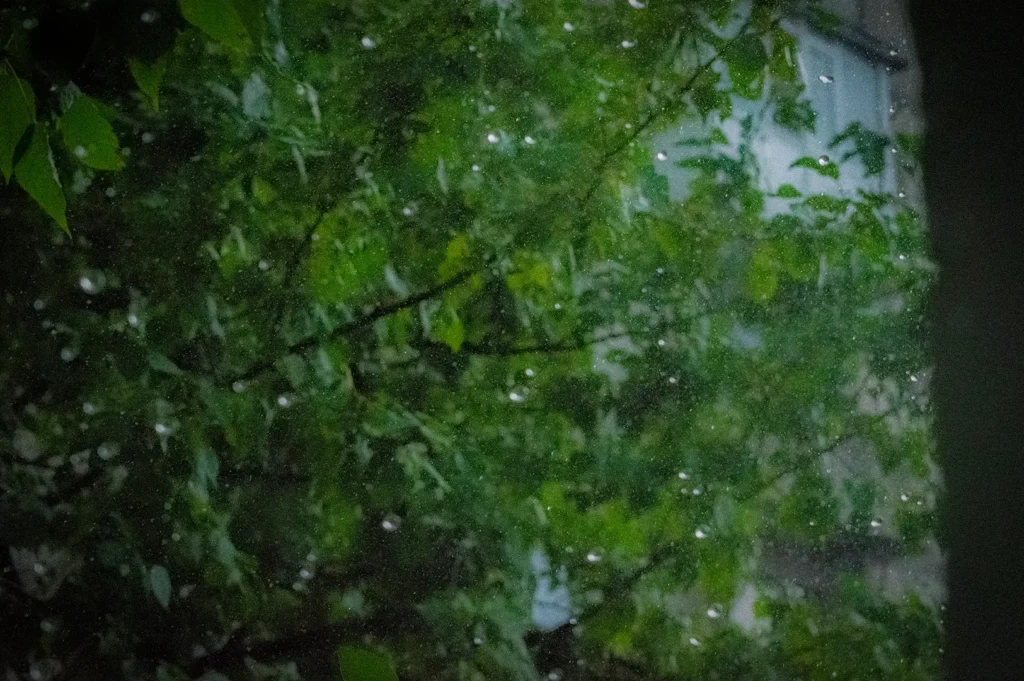
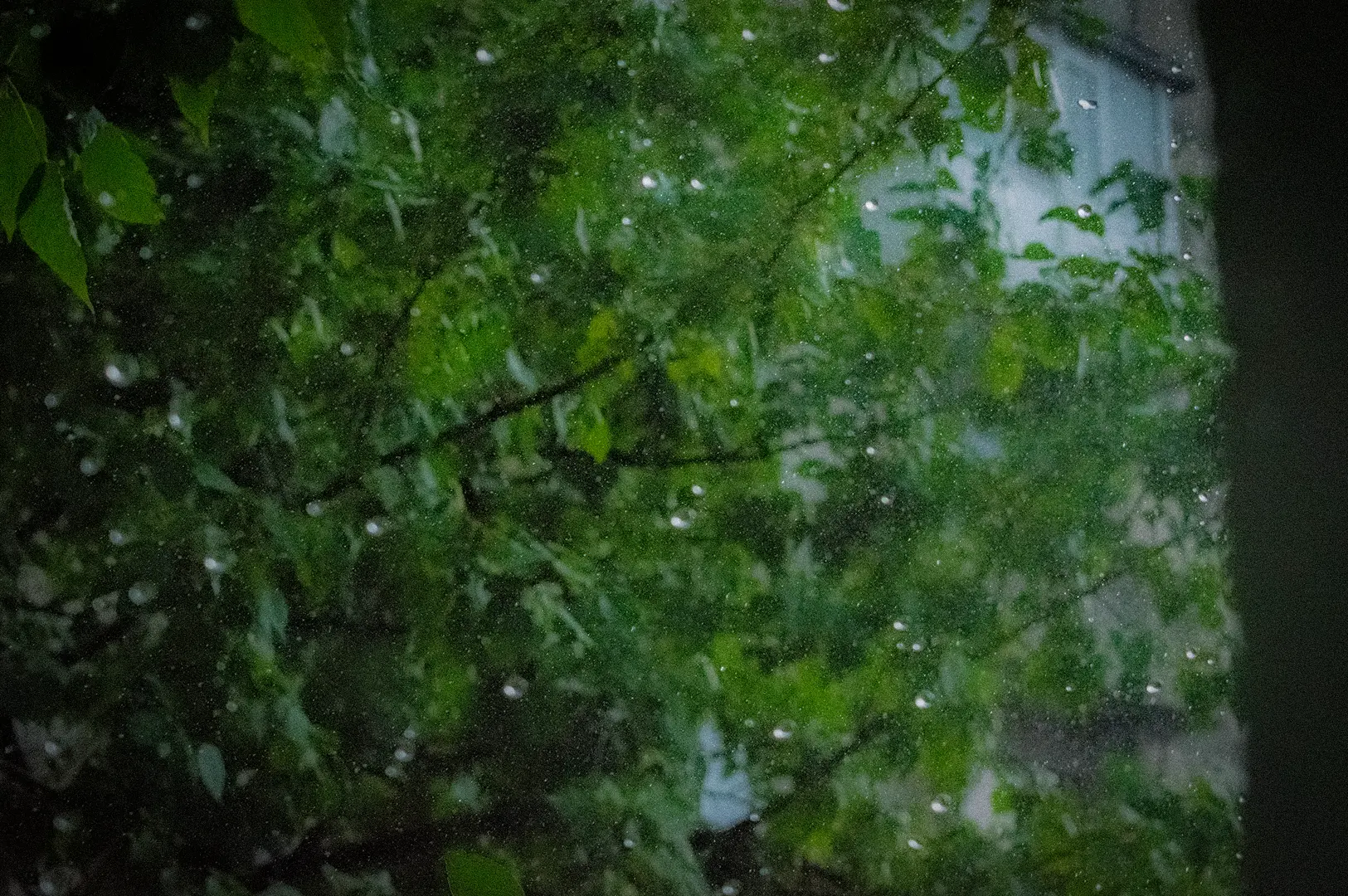
The first drops do not fall so much as they announce. A darkening of stone. A change in the smell of the street. Then the city begins to leak along its edges, and I lift the camera not to capture the rain itself, but the strange new grammar it writes across concrete.
I came to photograph buildings. I stayed for the water that moves through them.
The City Has Veins
We rarely think of a building as something that drinks. Yet every wall is shaped to shed water, to channel it down and away. The drainpipe is not decoration. It is the quiet plumbing of survival.
Stand close to one in a storm and you hear it working. A hidden rush behind metal, the building swallowing the sky. The pipe descends in a single confident line, splitting the facade into before and after. There is honesty in this geometry. Nothing performs. Everything simply functions.
To photograph it is to honor the parts of the city we are taught to ignore.
Lines That Only Rain Reveals
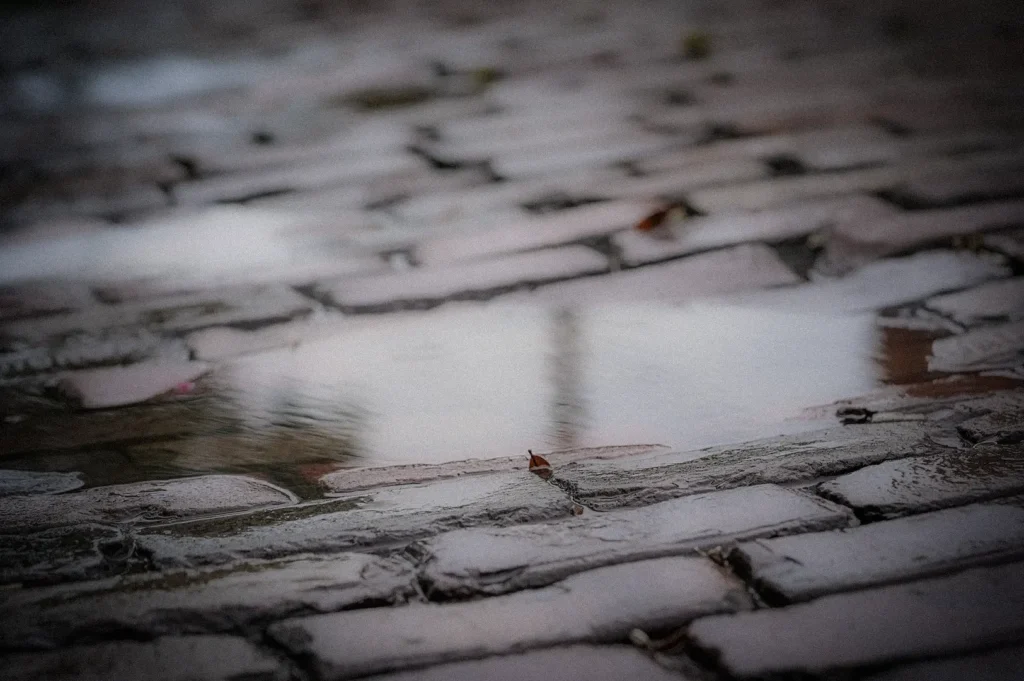
Dry weather hides the architecture of water. The storm exposes it.
Gutters fill and overflow. Seams darken where moisture follows the path of least resistance. A wet stain spreading down brick like a slow, deliberate signature. These marks are not flaws. They are the record of every rain that came before, layered into the surface like rings inside a tree.
The photographers gathered at the International Center of Photography understand that the overlooked often holds the most. A drainpipe, seen patiently, becomes a portrait of time.
Composing the Vertical
I frame these descents slowly. The pipe gives me a line; the wall gives me a field. I let the two argue inside the rectangle.
A single rust-streaked column dividing gray from gray. Move closer, and the texture becomes its own landscape. Step back, and the pipe joins a chorus of verticals across the block. The longer I look, the more the wall speaks.
Puddles: The City Turned Upside Down
Then I lower my gaze to the ground, where the rain gathers what it has touched.
A puddle is a borrowed mirror. It holds the building above it, inverted and trembling. A tower hanging downward into the pavement, softened by every passing ripple. Wait for the wind to still, and the reflection sharpens. Wait for a footstep, and it shatters into light.
This is where geometry turns tender. The hard edges of the street dissolve into something fluid and uncertain.
The Rhythm Rain Rewrites
Weather does not only redraw walls. It redraws how people move.
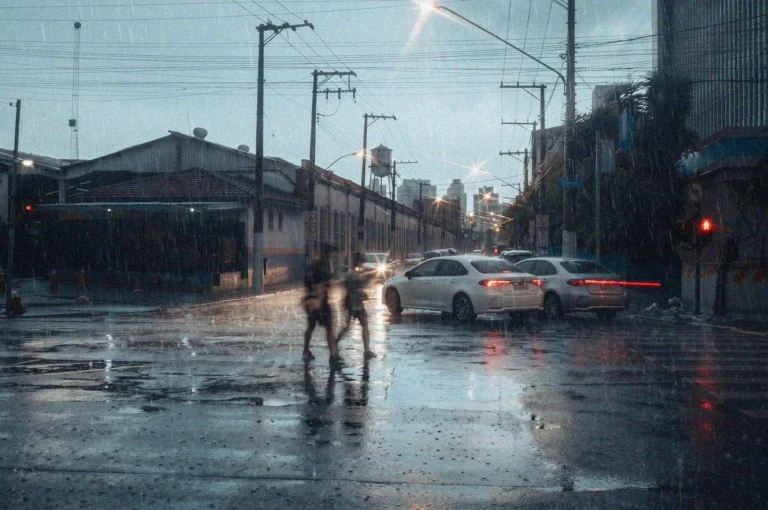
Pedestrians hug the dry edges. They leap the streaming gutter. They pause beneath an awning where the runoff curtains down. A street choreographed by where the water chooses to fall. For a brief hour, the city follows a map drawn entirely by rain.
Slow Shutter reminded me that the deepest images often catch this kind of impermanence, a pattern that exists only until the clouds move on.
What the Water Carries Away
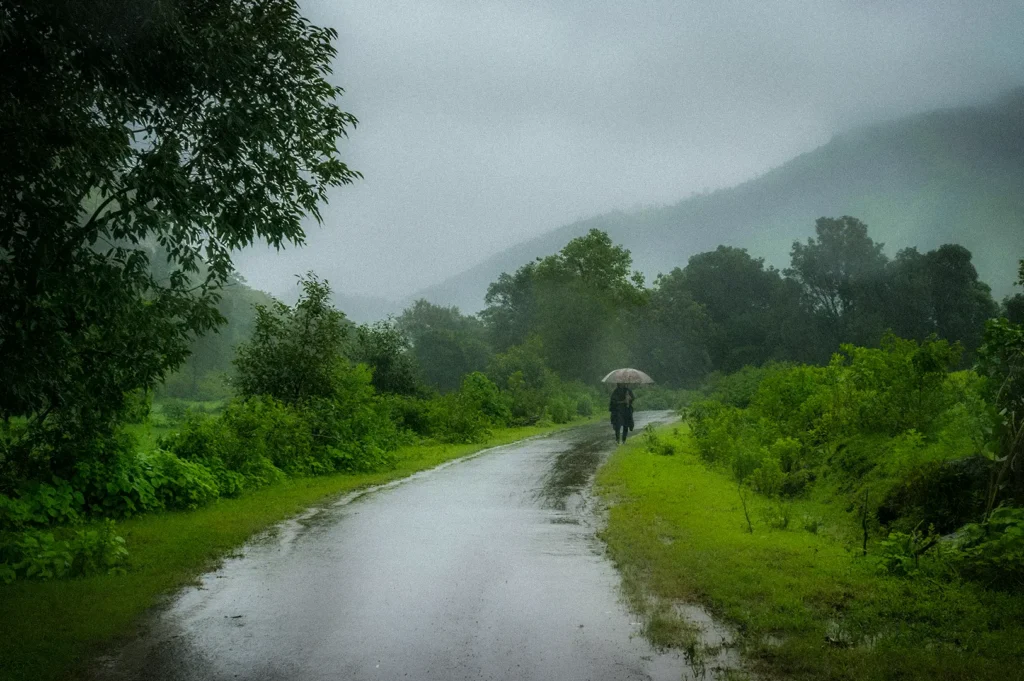
Why do I return to drainpipes and puddles when there is so much else to see?
Perhaps because they teach me that nothing here is fixed. The same wall is a different wall the moment it is wet. The rain arrives, redraws the geometry, and then quietly takes its drawing back. The street dries. The reflection vanishes. The stain begins to fade.
The work archived at the J. Paul Getty Museum confirms a quiet truth: the most enduring images often hold what is most fleeting.
So the next time the rain comes, do not rush for cover. Follow the water down the side of a building. Watch it pool, mirror, and disappear. Let it show you that the city you thought you knew was only waiting for the sky to redraw it.