Unfinished Stories: Abandoned Development Projects
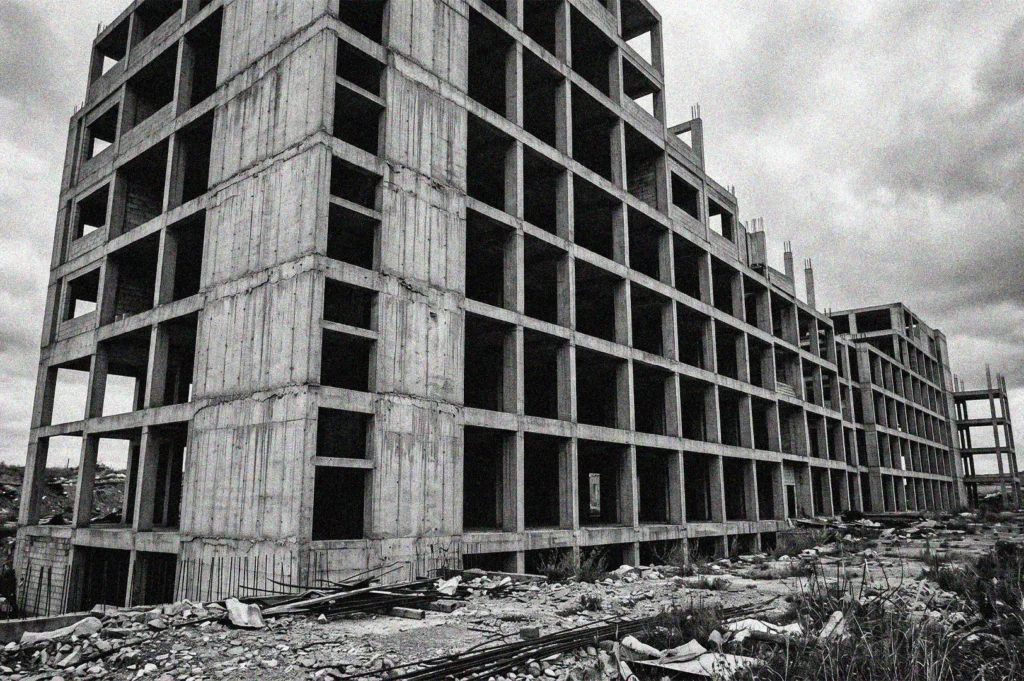
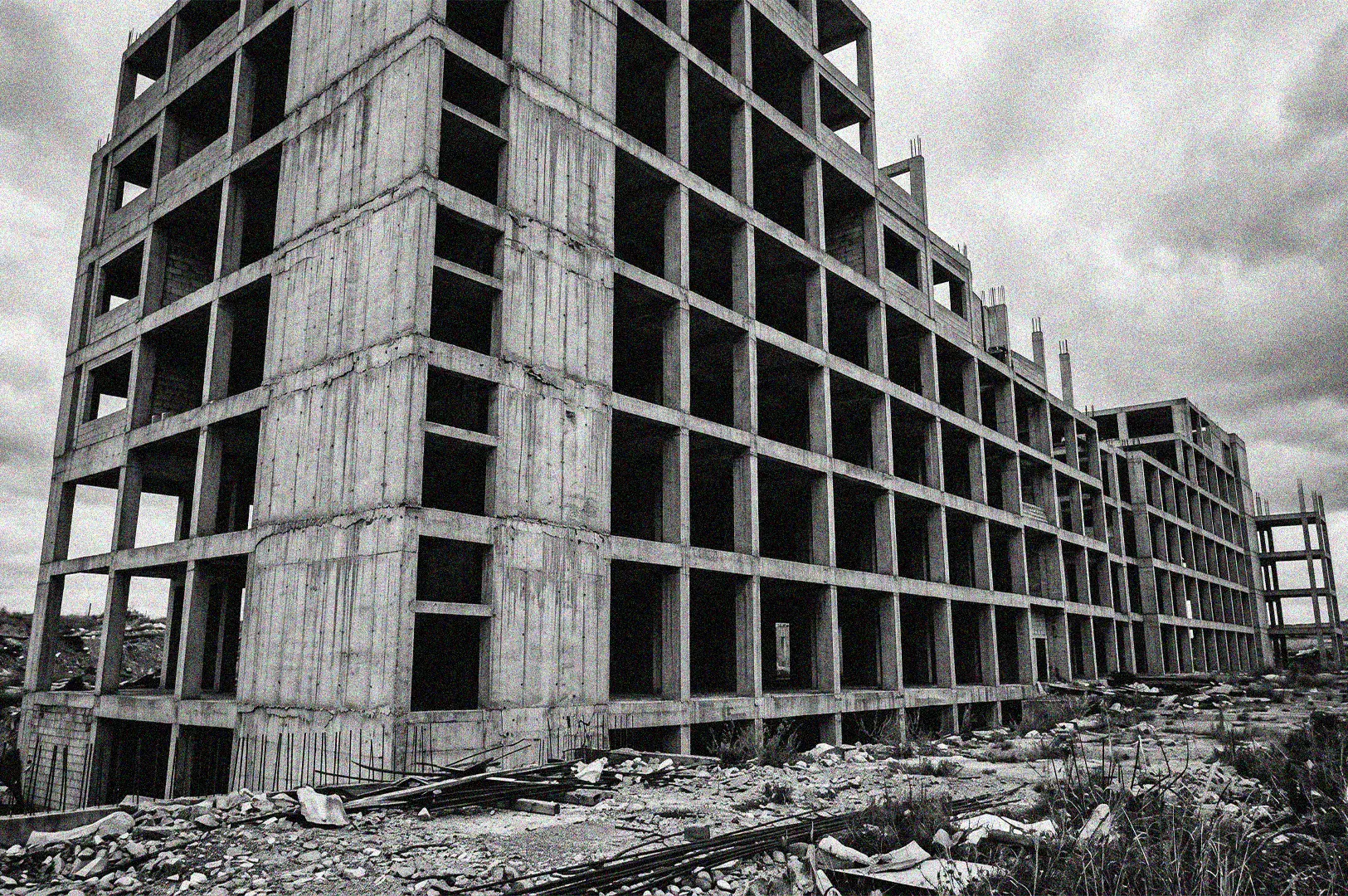
We walk past them in the peripheries of our cities—the concrete skeletons reaching toward a sky they will never touch.
An abandoned development project is a disruption in the urban landscape. It is a sentence cut off before the final period. Driven by economic downturns, sudden bankruptcies, or shifted political winds, these partially completed structures are left to face the elements.
They stand as accidental monuments to collective ambition and sudden failure.
The Architecture of Interrupted Ambition
When ground is broken on a new development, the air is thick with optimism. Blueprints show gleaming glass and thriving communities. But when the funding dries up, the noise stops. The cranes are dismantled.
The silence that follows is heavy.
Photographing these spaces is an exercise in capturing interrupted ambition. You are not documenting a historic ruin that had a full life and died of old age; you are photographing a ghost that was never fully born. The hollow elevator shafts and staircases leading to nowhere evoke a profound sense of loss.
Standing on a bare concrete slab, we feel the sudden halt of progress and the fragility of our economic certainties. These interrupted sites sit beside the broader idea of concrete memories held inside buildings that outlived their purpose, where architecture becomes a witness to changing human plans.
Concrete Skeletons and Rusted Veins
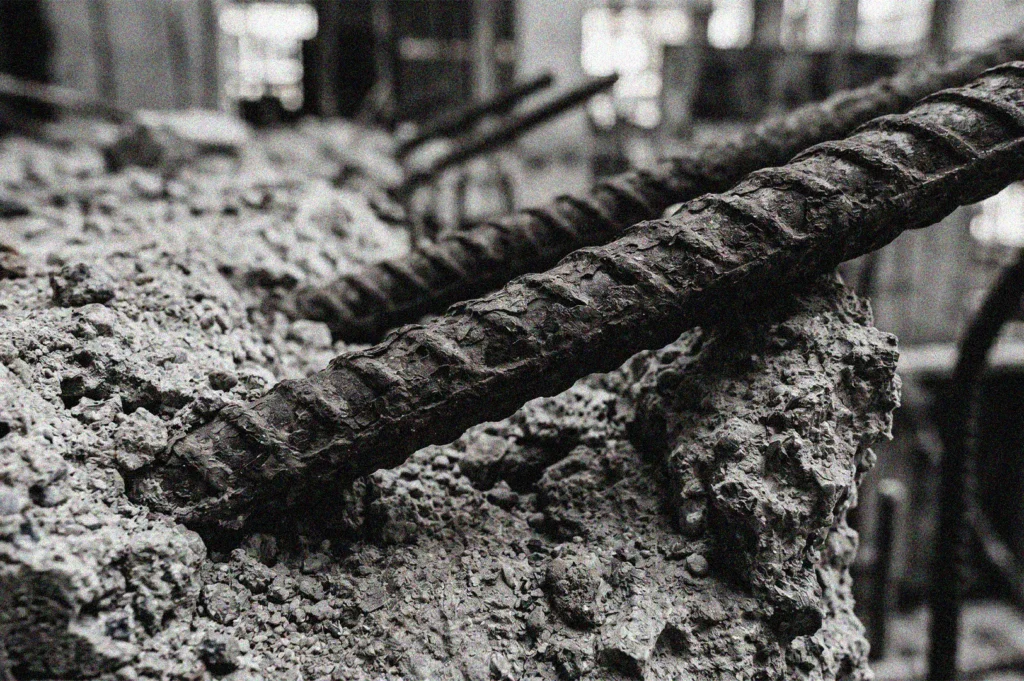
To step inside an unfinished building is to walk through a cross-section of human engineering.
Without their glass skins and polished floors, the structures reveal their raw anatomy. Rebar juts from concrete pillars like rusted, exposed veins. Stacks of unused drywall slowly warp in the damp air. Puddles of rainwater gather on exposed floor slabs, reflecting the gray clouds above.
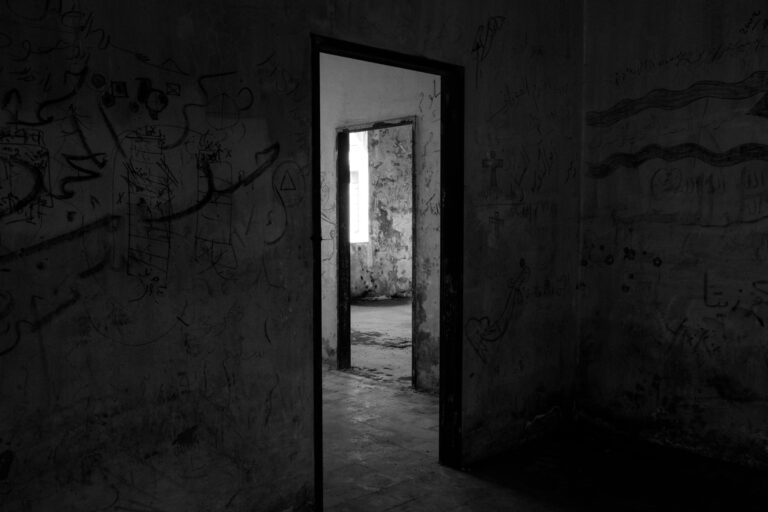
The sensory experience is stark. The wind howls through open corridors designed to be climate-controlled hallways. The smell of wet cement and oxidized iron replaces the scent of fresh paint. Capturing these textures with your camera requires a focus on contrast. Expose the deep shadows of the interior to emphasize the cold, skeletal geometry framing the bright, indifferent city outside.
Nature’s Slow Reclamation
An unfinished project does not remain static. The moment human construction stops, nature begins its quiet work of dismantling. Weeds push through the aggregate. Moss climbs the shaded sides of cinder blocks. Birds build nests in the hollows of exposed I-beams.
This slow reclamation adds a layer of complex poetry to the scene. It reminds us that our grandest designs are temporary, subject to forces far older and more patient than the global market. When you frame a shot of bright green ivy wrapping around a rusted steel column, you are telling a story about resilience.
The human endeavor failed, but the earth immediately stepped in to heal the scar.
Photographing the Void
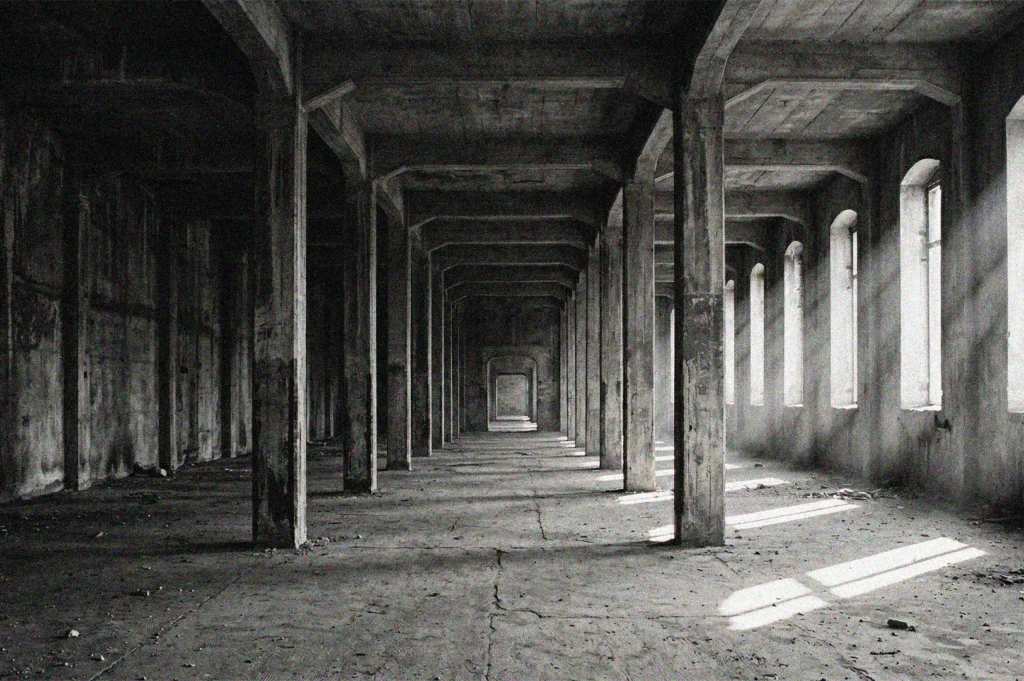
Do not just look for the decay. Look for the intention.
Find the symmetry in the exposed scaffolding. Notice how the light falls across a perfectly poured concrete wall that has never known a roof. This way of seeing connects closely with a gentle guide to photographing what absence leaves behind, where emptiness becomes something visible rather than something overlooked.
Use wide-angle lenses to emphasize the vast, empty spaces where life was supposed to happen. Frame the negative space, the empty window sockets looking out over a functioning, bustling metropolis.
These voids hold a deep emotional weight. They ask the viewer to imagine the lives that were meant to be lived inside those walls, the businesses that were meant to thrive, and the futures that were abruptly canceled.
Monuments to a Fragile Future
We rarely build monuments to failure. We prefer statues of victory and plaques commemorating success. Yet, these abandoned developments serve as necessary, unintentional memorials. They force us to confront the limits of our control and the hubris of endless expansion.
As you pack up your gear and walk away from the rusted fences and silent pillars, you carry a piece of that story with you.
Through the lens, we can transform these economic blights into poignant art. We give voice to the unfinished stories, holding space for the quiet beauty of a future that almost was.