Photographing Absence: Documenting What’s No Longer There
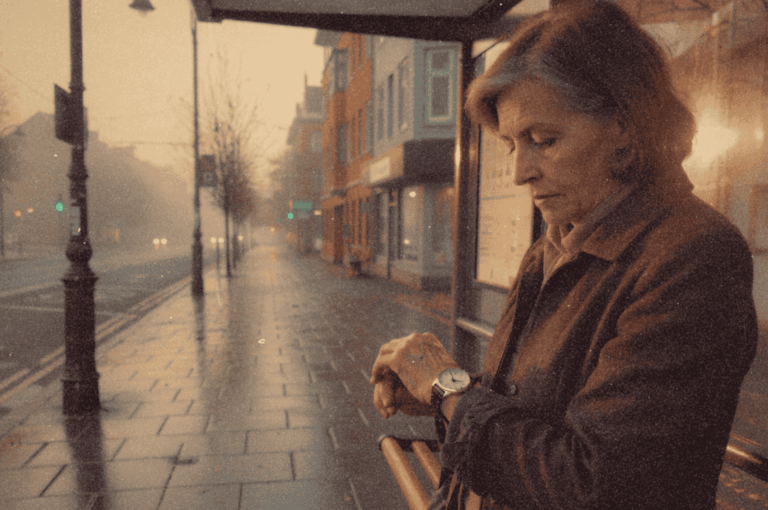
Photography is often seen as an art of presence, of capturing what is right in front of the lens. But what about photographing what isn’t there? This essay is a gentle guide to the practice of photographing absence—a way of seeing and capturing emotional landscapes defined by what is missing. It is an exploration of how to make the void visible, whether it’s the silence of an empty chair, the scar of a demolished building, or the lingering trace of a person who has just departed. It is about learning to document the profound, resonant
The Power of the Empty Chair
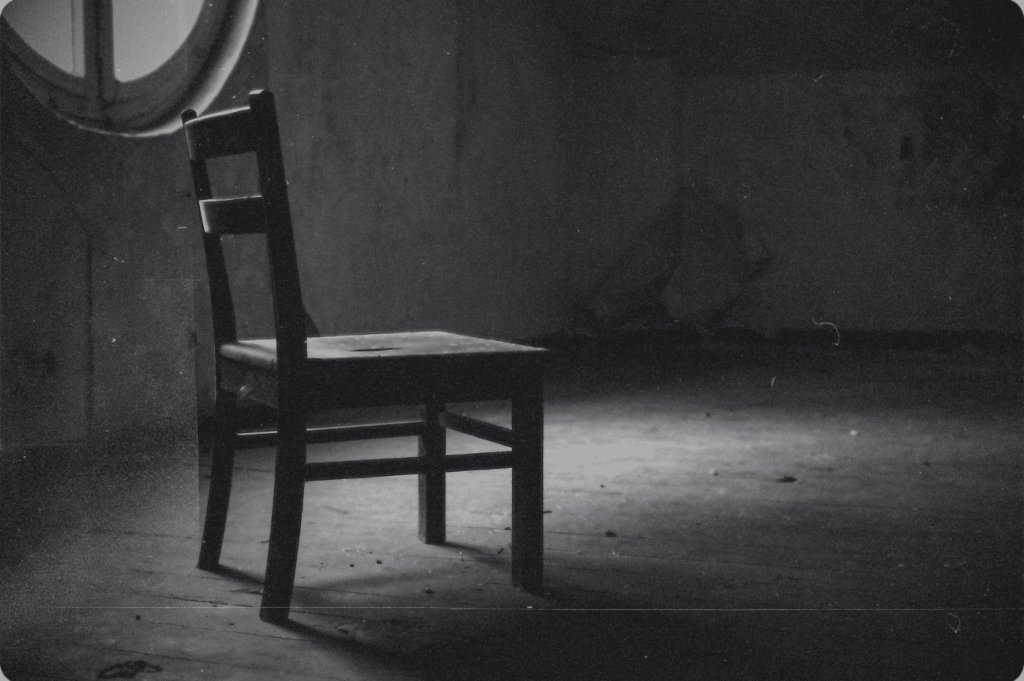
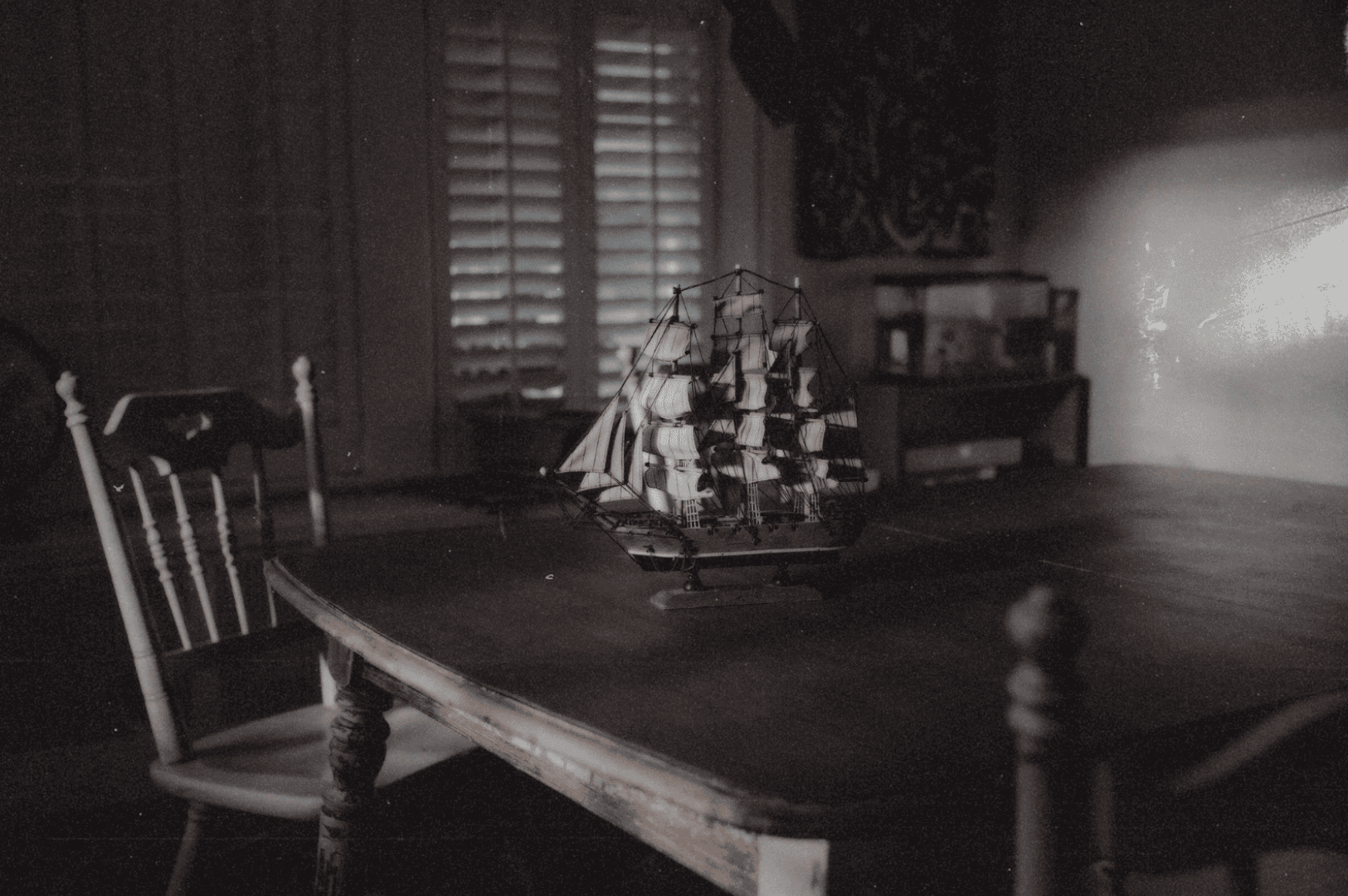
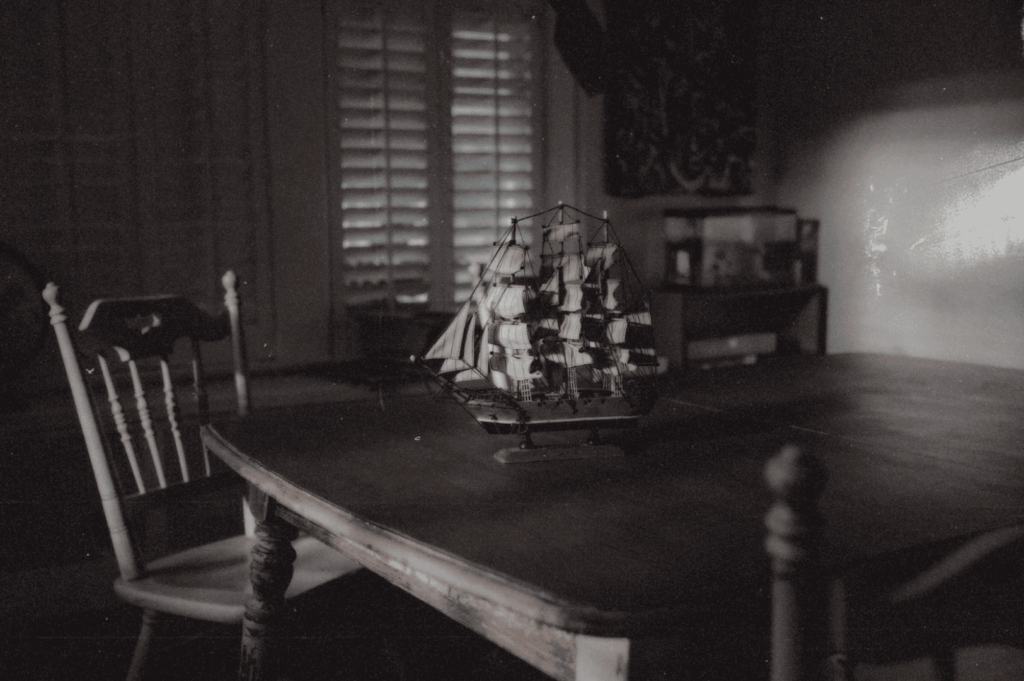
The empty chair is perhaps the most universal symbol of absence. After a loved one passes, their favorite chair can become a powerful, heartbreaking monument. To photograph it is not to document a piece of furniture, but to capture the shape of the void they left. The key is to pay attention to the context. How does the light fall on the empty seat? Is there a book left on the table beside it? A worn patch on the armrest? These details transform the image from a simple still life into a portrait of memory and longing. The goal is to photograph the heavy silence that now fills the space, allowing the viewer to feel the weight of who is missing.
Traces and Residues
Absence is rarely a clean slate. It leaves traces, residues, and echoes. Think of the faint indentation left on a pillow, the scuff marks on a floor where a piece of furniture once stood, or a single cup left in the sink. These are the quiet footprints of a life or a moment that has passed. Photographing these subtle details requires a shift in perception. You must train your eye to see not the object itself, but what it implies. A photograph of a half-empty wardrobe, with a few remaining clothes hanging with space and air between them, can tell a more powerful story of loss than any portrait. This focus on the poetry of the overlooked is a common thread in many photographic projects featured on platforms like LensCulture.
Landscapes of Change and Erasure
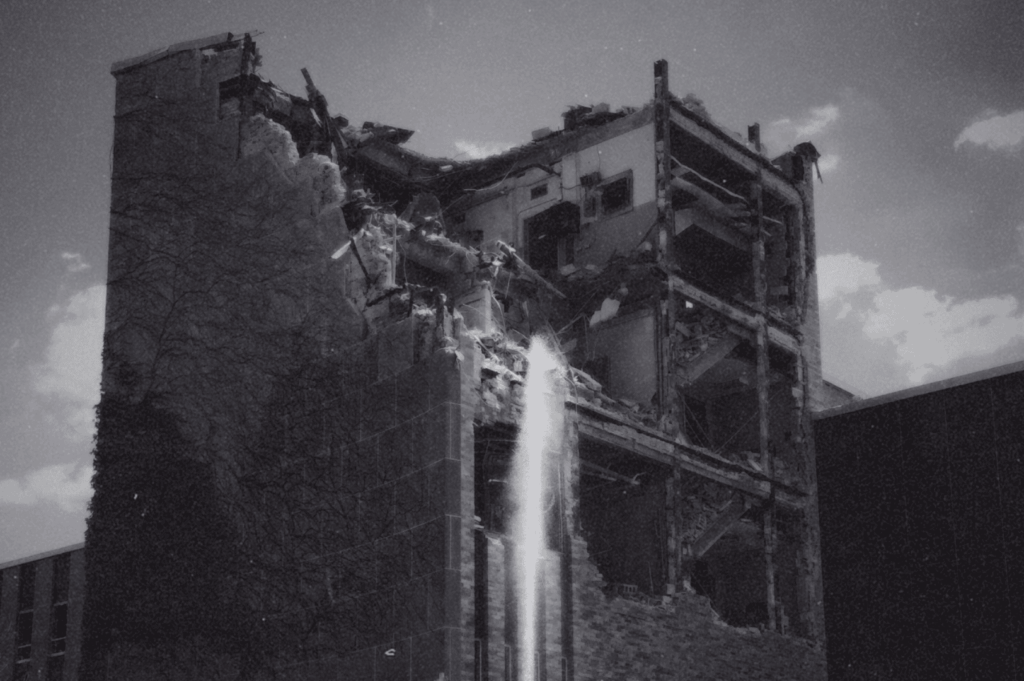
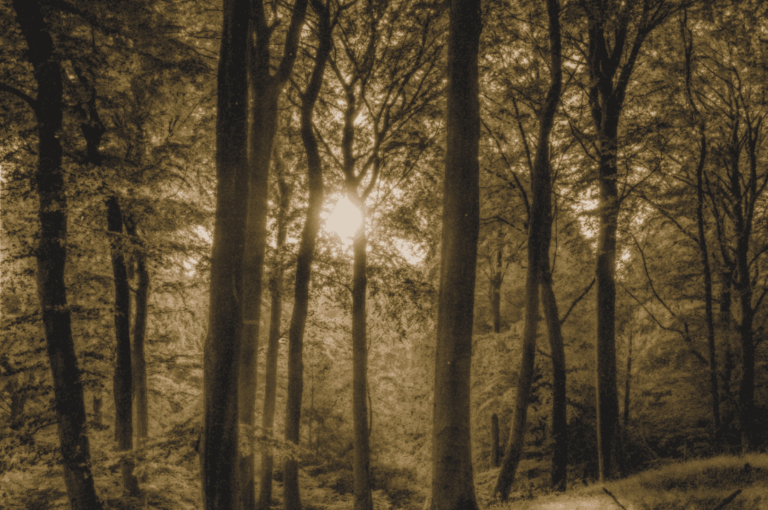
Absence can also be documented on a larger scale. Consider a landscape altered by natural disaster or urban development. A field of flattened grass after a festival, a row of solitary foundations where houses once stood, or a forest scarred by fire—all are landscapes of absence. The photographic challenge is to convey the memory of what was there before. Using old maps or historical photos as a reference can inform your composition, allowing you to frame the emptiness in a way that alludes to the past. This act of documenting change and memory connects photography to fields like historical preservation and land art, a connection explored by institutions like the Getty Research Institute.
Using Light to Sculpt the Void
Light is your most powerful tool for making absence feel tangible. A low, raking light can highlight the texture of an empty space, revealing dust motes dancing in the air where someone used to stand. Backlighting an empty doorway can create a silhouette that feels like a portal between presence and absence. The way light and shadow interact with an empty room can give the emptiness a physical volume, a palpable presence. The emptiness is not just a lack of things; it becomes a subject in its own right, sculpted by the light.
The Personal Effects Left Behind
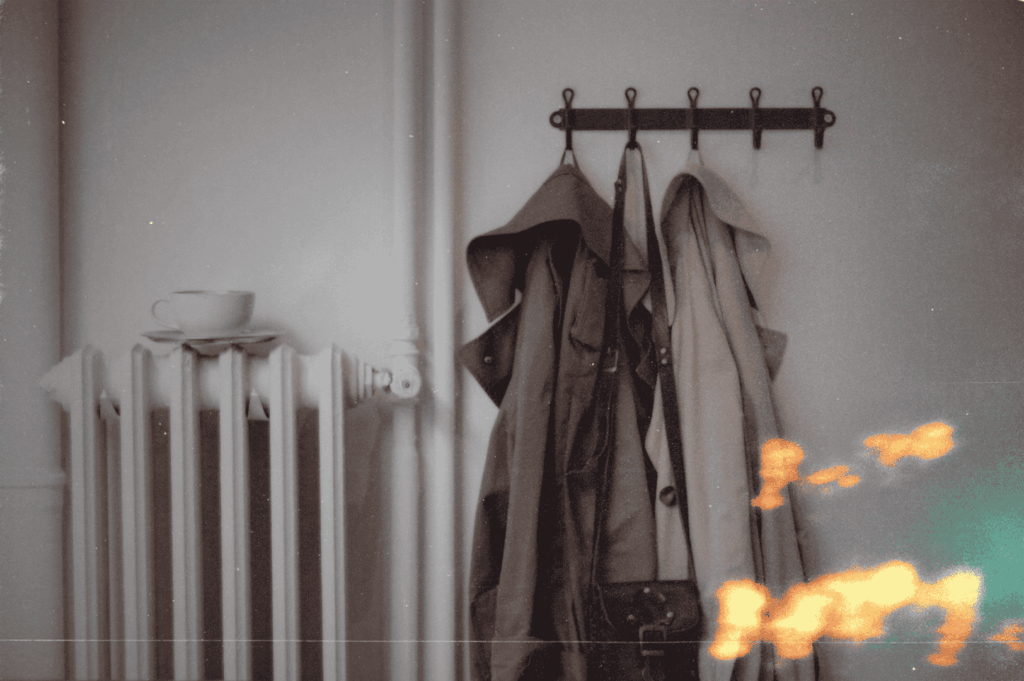
When someone leaves, they often leave small parts of themselves behind. A pair of glasses on a nightstand, a well-worn book with a dog-eared page, a coat still hanging on a hook. These personal items are saturated with the presence of their owner. Photographing them in situ, exactly as they were left, is a powerful way to document a life. It’s an act of archiving a moment of sudden stillness. The emotional resonance comes from the viewer’s knowledge that the owner will not be returning to claim them. This intimate approach to storytelling through objects is a powerful sub-genre of still life, with artists often exploring these themes in galleries and museums worldwide, such as in collections found at the SFMOMA.
Absence as a Feeling, Not a Fact

Ultimately, photographing absence is about capturing a feeling, not just documenting a fact. It requires you to connect with the emotional landscape of the space. Before you even lift the camera, spend time in the environment. What does the silence sound like? What is the temperature of the air? What memories linger? Your photograph should be an answer to these questions. It is a contemplative practice, one that acknowledges that the most powerful stories are often found in what is no longer there. It is in the reverberation of a departed presence that we can create an image that is both haunting and deeply human.
The theme of absence also appears in digital photography, memory, and loss, explored further in The Grief of Deleted Images: Confronting Digital Impermanence.