Sacred Preparation: Religious Food Rituals in Secular Kitchens
In the spaces we inhabit today, the spiritual is often relegated to the margins. We live surrounded by the faint, metallic hum of the modern refrigerator and the sterile gleam of stainless steel appliances. Yet, if we look closely, there are profound acts of devotion happening right in front of us. This photographic essay explores the quiet sanctuaries created within ordinary homes. It is a visual study of individuals who preserve religious food rituals within secular environments, capturing the deep, resonant quiet of an early morning dedicated to ancestral preparation.
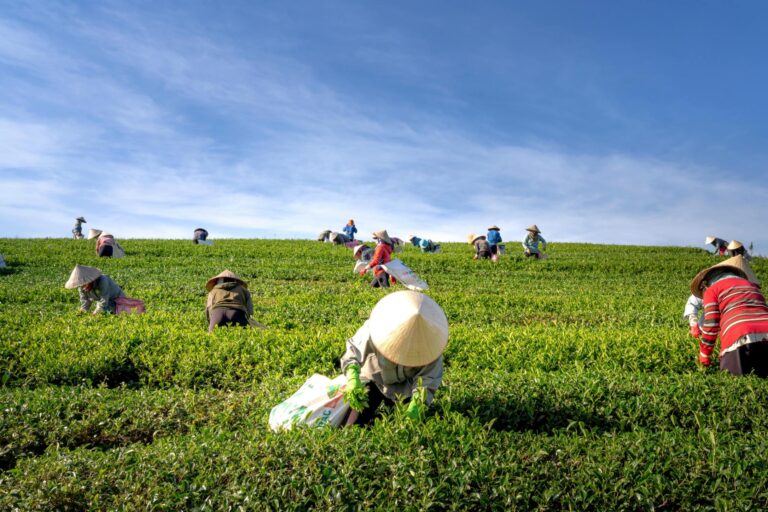
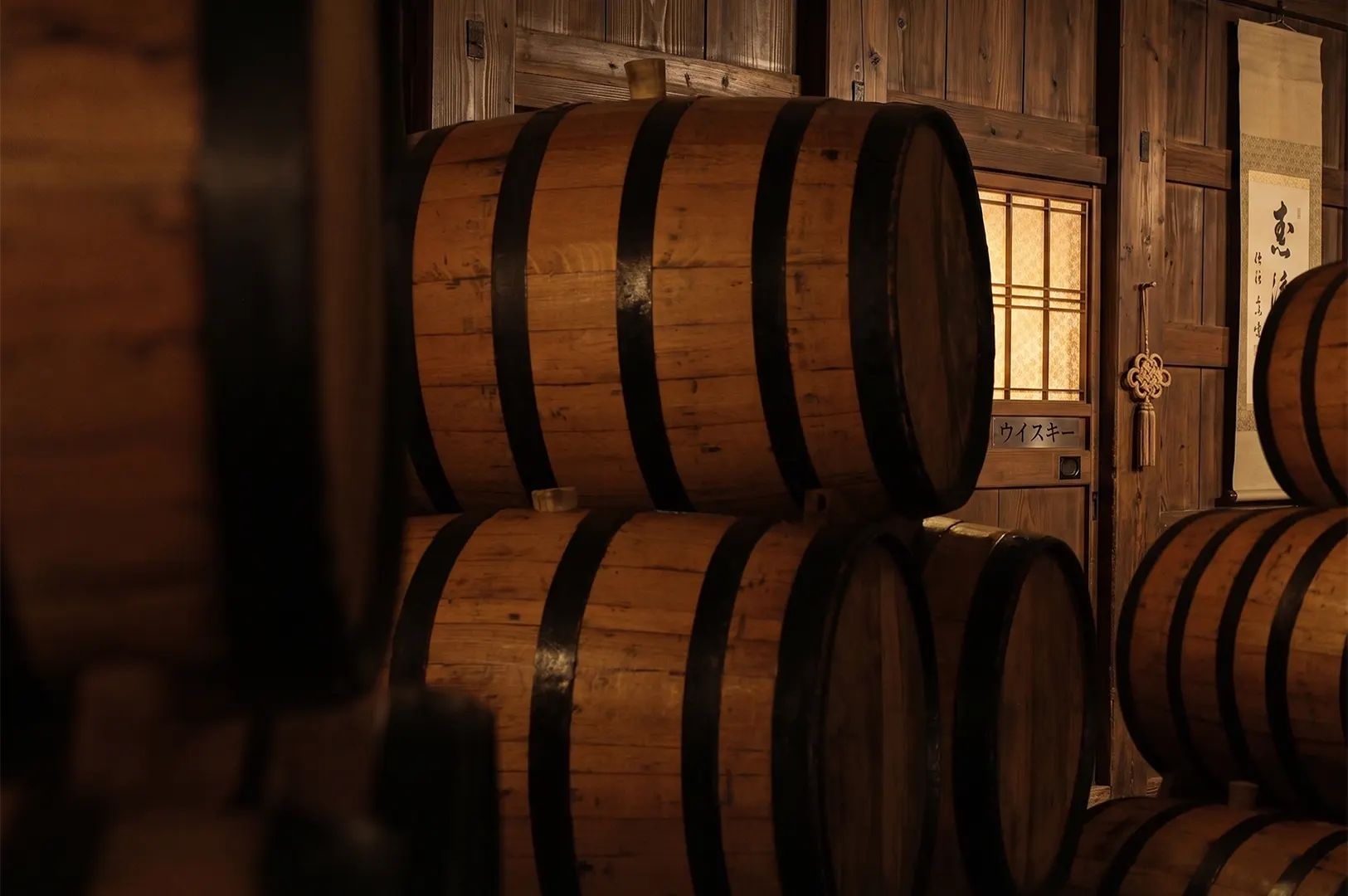
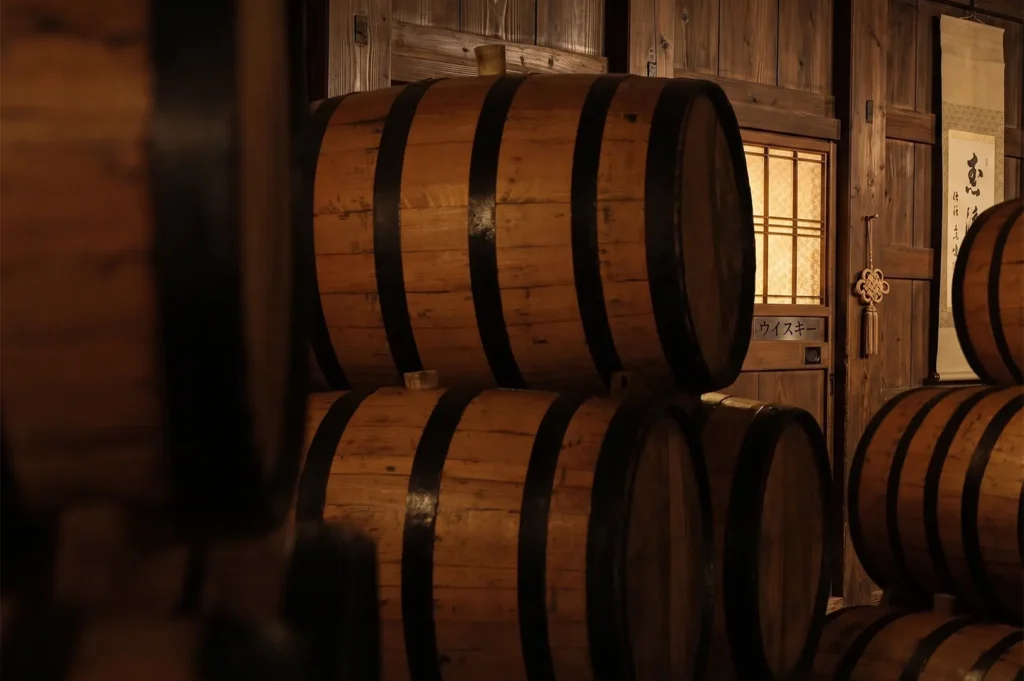
In Japan’s cedar-lined fermentation rooms, that same devotion appears as a quiet partnership with the unseen—a world shaped by koji masters.
The Architecture of an Ancient Gesture
Photography teaches us to observe the unspoken language of the body. When a practitioner begins their ritual, the environment seems to shift. The cool, smooth surface of a granite countertop becomes an altar of sorts. The camera captures the rhythmic, repetitive folding of the dough, a motion that has not changed in a thousand years. It is in these moments that the secular kitchen falls away, replaced by a sacred geography. Institutions like the Aperture Foundation often celebrate this kind of documentary work, where the mundane is elevated to the profound.
Hands That Remember
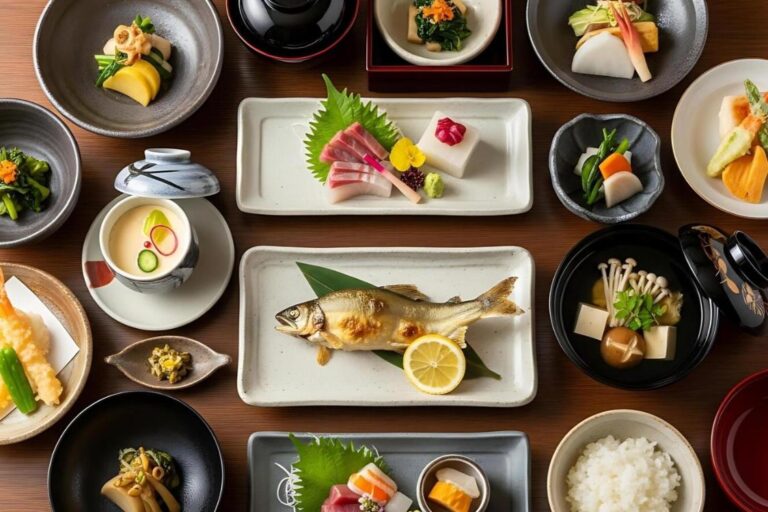
Watch the hands. They carry the memories of generations. There is an inherent muscle memory in the gentle, methodical sorting of dried lentils or the soft, rhythmic thud of a wooden pestle. These are not chores; they are a physical prayer. As observers, we point our lenses at the dry, rough friction of salt against skin during koshering, or the slick, silver scales of a fresh fish being prepared for a Friday evening. The hands do not hesitate. They know exactly what is required.
A Quiet Rebellion Against the Rushed
To engage in these ancient preparations is to step out of the current velocity of life. It requires a deliberate slowing down. We witness the warm, yeasty breath of rising bread expanding under a damp cloth, demanding patience from its maker. It is a direct counter-narrative to an era of convenience. Through the viewfinder, the slow, deliberate pouring of cold water over grains becomes a monumental act of defiance. This temporal resistance echoes the contemplative essays frequently published by Aeon, which explore our fractured relationship with time and tradition.
The Weight of the Water
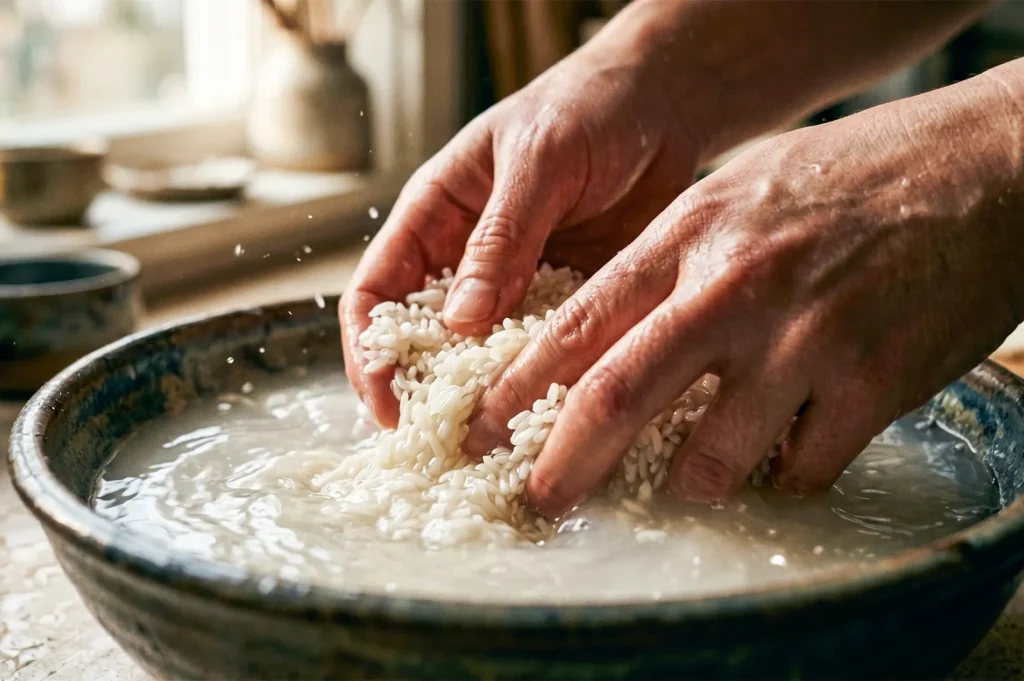
Water holds a deeply purifying role across countless traditions. When we photograph the washing of rice, we are not just documenting a recipe. We are capturing the milky, starchy clouds blooming in the basin. We see the sharp, biting scent of bruised herbs being rinsed under the tap. These elemental interactions form a bridge between the physical and the spiritual, returning us to a state of simple awareness.
Bridging the Temporal Divide
The kitchen becomes a portal. Through these rituals, the practitioner is no longer cooking alone. The heavy, familiar warmth of an old cast-iron pan links them to grandmothers and great-grandmothers who stood over similar flames. To photograph this is to capture a multi-generational dialogue. The visual language of these inherited tools often mirrors the timeless artifacts preserved at The Metropolitan Museum of Art, reminding us that human devotion has always found expression in the objects we use daily.
Ancestors at the Counter
We frame the shot to include the golden, fractured light of a winter afternoon spilling across the prep station. In this light, the present moment stretches backward. You can almost hear the low, murmuring cadence of a whispered prayer blending with the sudden, bright hiss of water meeting hot oil. The secular world remains just outside the window, but inside, history is alive and breathing.
The Final Frame: A Liturgy of Sustenance
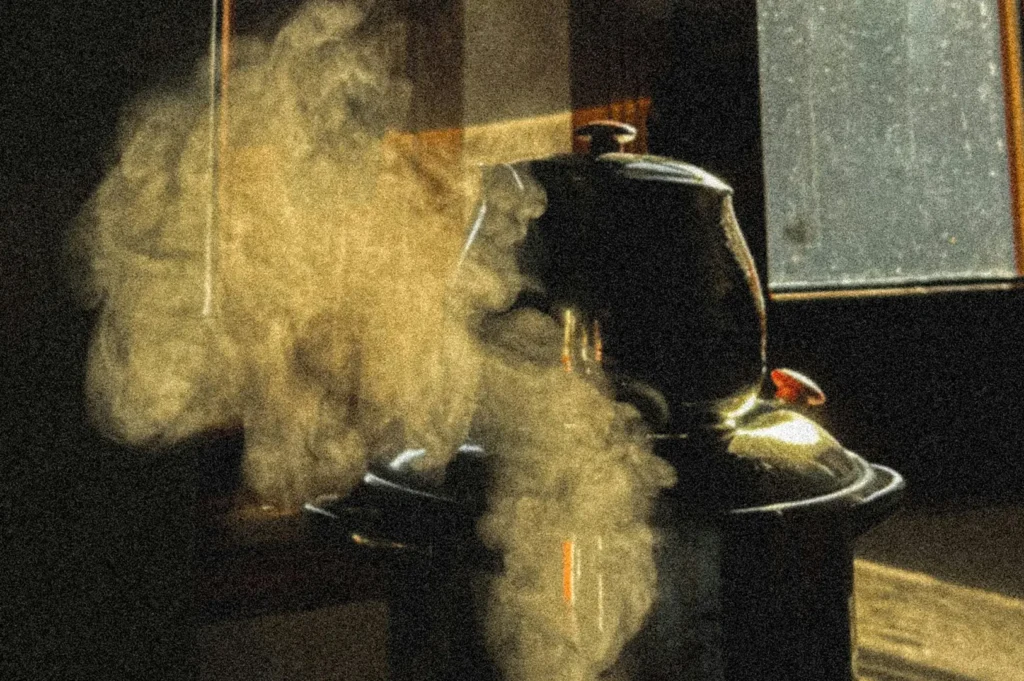
Ultimately, photographing these rituals is an exercise in reverence. It requires the photographer to step back, to embrace the shadows, and to honor the fragrant, steam-filled canopy above the stove. We are witnessing a quiet endurance. The sweet, heavy aroma of burning incense may not be present, but the air is equally thick with intention. In a society that often demands we leave our histories at the door, these practitioners remind us that the sacred can be found exactly where we are, waiting in the simple, profound act of feeding each other.