River Memories: Waterways as Temporal Witnesses
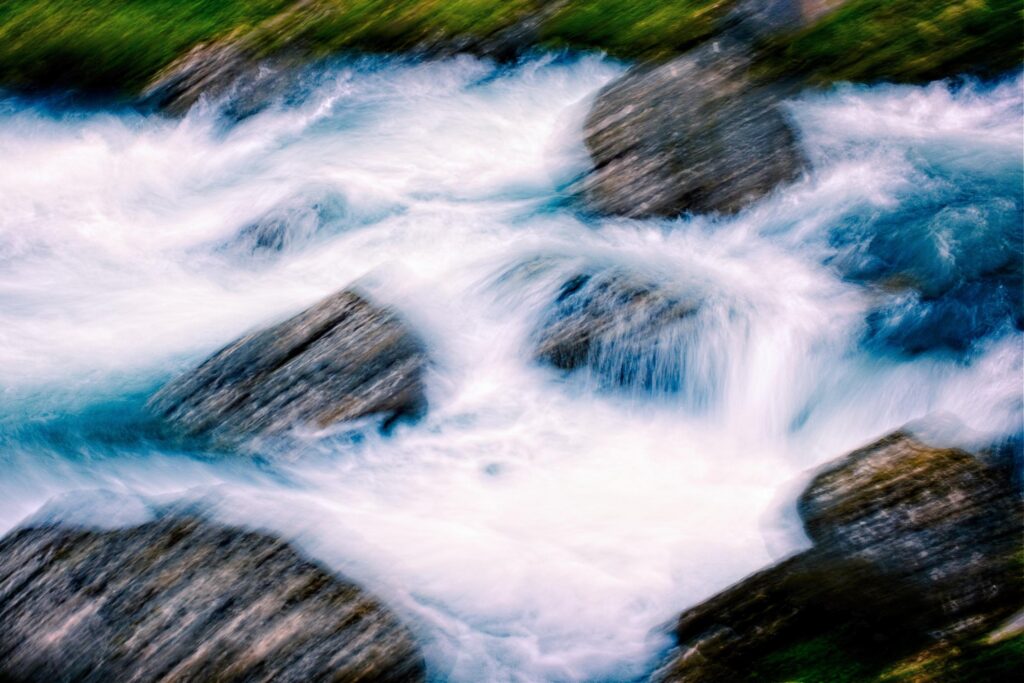
A river is never the same river twice, Heraclitus told us. It is a body of constant becoming, a liquid timeline that flows from the past into the future. Yet, standing on the muddy banks of the Mekong or the Ganges, one feels a profound stillness. The water moves, but the river remains. It is a witness. It has seen the first fires of settlement and the last embers of empires. This photographic essay follows the course of these great waterways, documenting not just the landscape, but the heavy, silent memory carried in the current—exploring how rivers shape our identity and hold the sediment of countless generations.
The Veins of Civilization
Rivers are the original architects of human settlement. We are drawn to them by thirst and by trade, but also by a deeper, instinctual need to be near the source of life. From the air, a river looks like a vein, bringing vital fluid to the tissue of the land. On the ground, the camera captures this intimacy: the way a village curls protectively around a bend, or how the steps of a ghat descend into the water like a prayer made of stone. To photograph these settlements is to document a relationship of absolute dependence. The river gives, and the river takes away. The people who live here know this rhythm; it is written in their posture, in the way they watch the water levels with a mixture of reverence and fear.
Sediment of the Soul
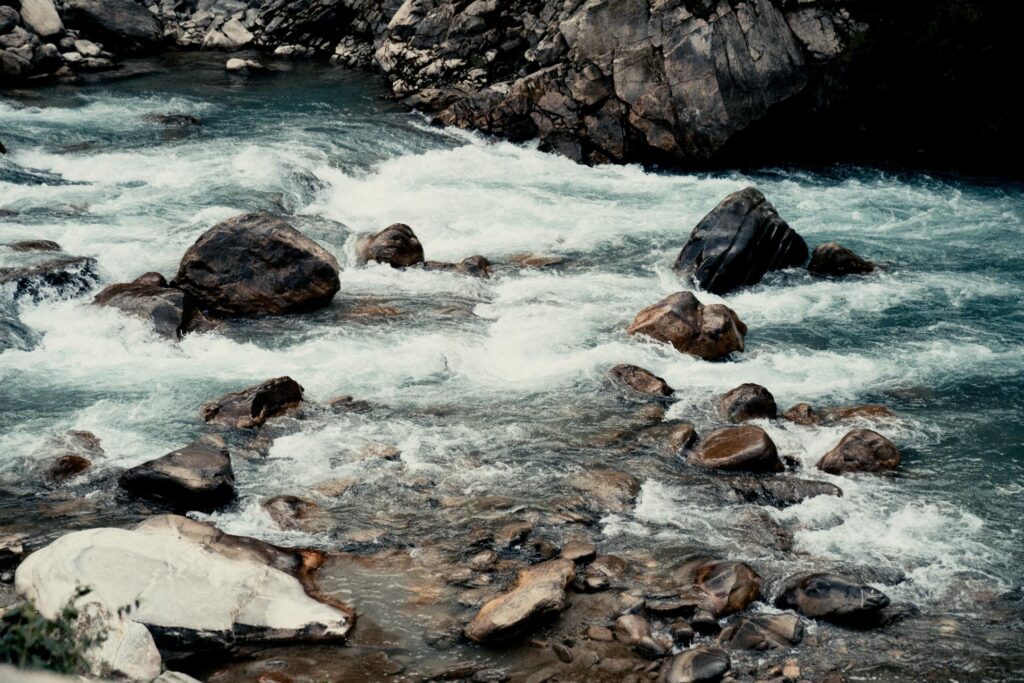
Look closely at the water itself. It is rarely clear. It is thick with silt, with earth, with the debris of life upstream. This turbidity is visually rich. It catches the light in complex ways, turning the surface into a swirling palette of ochre and olive. But metaphorically, it is even richer. This suspended earth is the physical history of the land. It is the soil of ancestors, washed down from the mountains. Photographing the texture of river water is like photographing time itself—a fluid, chaotic archive of everything that has come before. This concept of water as a repository of memory is a theme beautifully explored in the works of artists featured at the Tate Modern.
The Morning Ablutions
The most profound moments on the river happen at the edges of the day. At dawn, the river is a place of cleansing. In Varanasi, or along the banks of the Irrawaddy, the morning light breaks soft and hazy through the mist. Figures emerge from the fog to bathe, to wash clothes, to offer prayers. There is a hush in the air, a sense of sacred routine. The camera must be respectful here, a quiet observer of these intimate acts of purification. The sound of water splashing, the murmur of mantras, the scent of wet stone and incense—these are the sensory details that a photograph must strive to evoke.
Reflections of the Impermanent
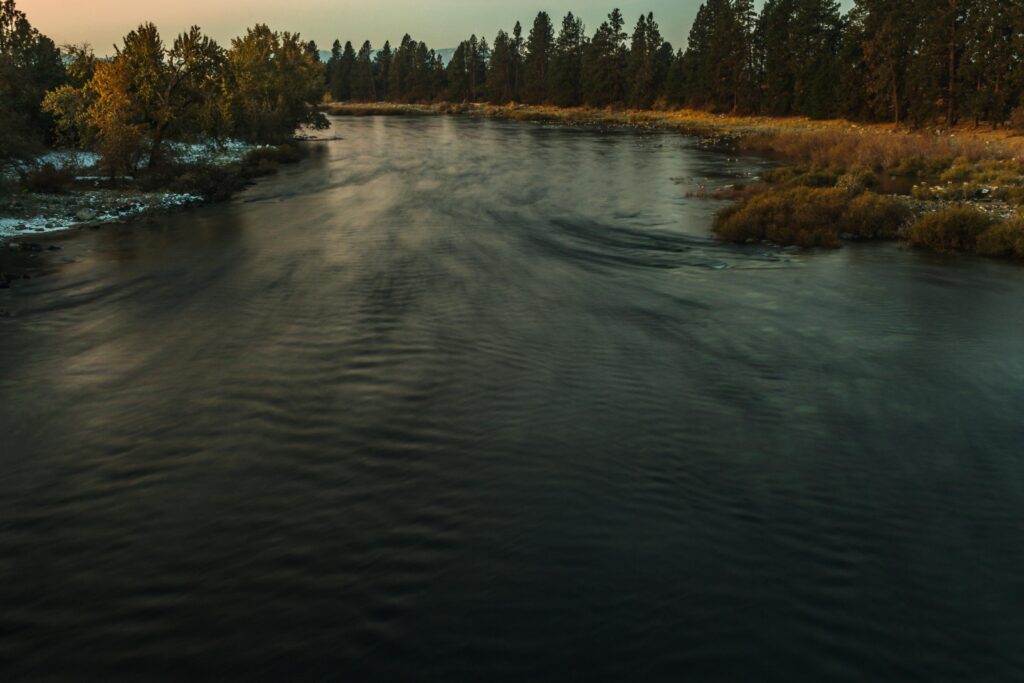
Rivers are the world’s oldest mirrors. They reflect the sky, the trees, and the faces of those who gaze into them. But unlike a glass mirror, a river’s reflection is always moving, always distorting. It reminds us of the impermanence of all things. A temple reflected in the ripples becomes a shimmering, ghost-like apparition. A boat floating on the surface seems to hover in a dream. Capturing these reflections requires a slow shutter, allowing the movement of the water to soften the edges of reality, turning the concrete world into something ethereal and fleeting. This interplay of reality and illusion is central to the philosophy of contemplative photography, a practice often discussed in depth on platforms like LensCulture.
The River at Rest
As the sun sets, the river changes character again. The bustling commerce of the day dies down. The fishing boats are tied up, their silhouettes bobbing gently against the bruised purple of the twilight sky. This is the time of the “blue hour,” when the boundary between water and air seems to dissolve. The river becomes a dark, glossy ribbon, reflecting the first stars or the distant lights of a city. It is a time for melancholy and reflection. To sit by the river at night is to feel the weight of its journey, the endless, inexorable pull towards the sea.
Carrying the Weight
Rivers carry more than water; they carry our stories. They are the settings for our myths, the borders of our nations, and the final resting places for our ashes. Every bridge that spans them is a handshake between banks; every dam is an attempt to tame the wild. To photograph a river is to engage with this complex layering of nature and culture. It is to acknowledge that we are fleeting passengers on the banks of an ancient, enduring flow. The relationship between humanity and its environment is a critical subject of our time, documented extensively by the Anthropocene Project.
In the end, we photograph rivers because we see ourselves in them. We see our own constant change, our own hidden depths, and our own journey toward the unknown. The river is a mirror not just for the sky, but for the soul—a silent, moving witness to the brief and beautiful struggle of being human.
For a deeper look at the relationship between water and time, explore Tidal Intimacies: A Year on a Single Shore.