The Art of Waiting: Photographing the Moment Before the Moment
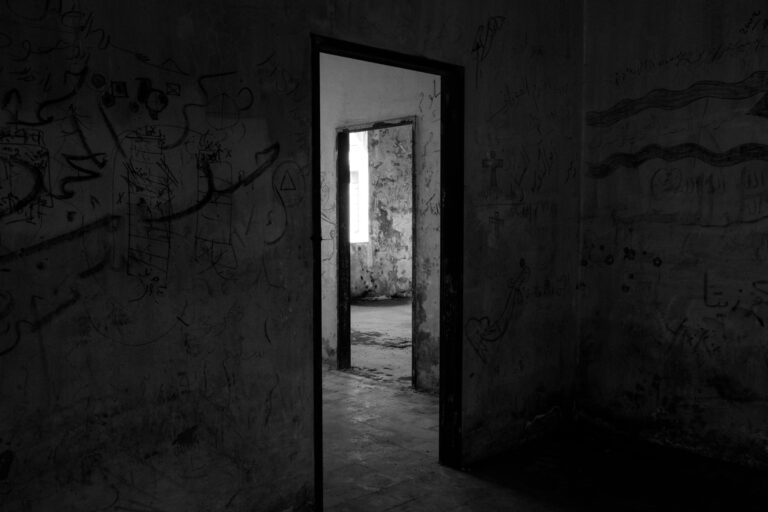
To hold a camera is often perceived as an active, aggressive pursuit. We are taught to hunt for images, to chase the light, and to capture a fleeing subject before it escapes our frame. But there is a different, much quieter approach to visual storytelling. It requires us to lower the lens, settle into our surroundings, and embrace the deep, settling stillness of an empty room. This is the practice of anticipatory photography—an exercise in patience where we do not chase the photograph, but allow it to walk into our predetermined frame.
If you are drawn to this slower way of seeing, you might also enjoy my article on Photographing from Memory.
The Quiet Discipline of Staying Put
Anticipatory photography is a radical departure from constant motion. It begins with the decision to stop. When we plant our feet and commit to a single vantage point, we form an intimate relationship with the geography of that specific space. We begin to notice the slow, deliberate crawl of shadows across the pavement and feel the cool, heavy weight of the metal camera body resting against our chest.
This deliberate pause allows us to transition from a hunter of moments to a gentle observer. As explored in the philosophical essays at Aeon, true observation requires a surrender of control. We must let go of our desire to force an interaction and instead become entirely receptive to what the environment offers.
Breathing With the Scene
When we stay in one place long enough, the environment forgets we are there. The initial disruption of our arrival fades, and the natural rhythm of the space resumes. We start to anticipate movement not through urgent reaction, but by feeling the subtle, rhythmic pulse of the street corner blending with our own breathing. We hear the faint, echoing click of distant footsteps long before a solitary figure steps into the perfect composition.
Recognizing the Inhale
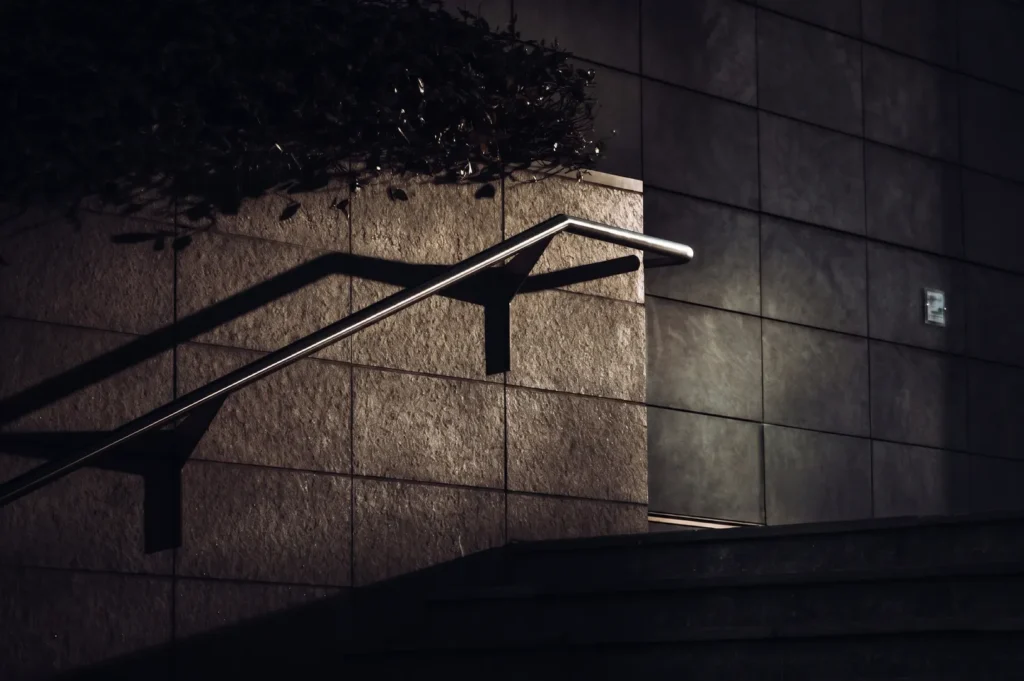
The most emotionally resonant photographs rarely depict the climax of an action; they capture the tension just before it. It is the sudden, sharp intake of breath before a leap, or the fragile, electric hesitation before two hands touch. Anticipatory photography trains us to recognize this universal inhale.
By watching a scene unfold without rushing to document it, we learn the invisible choreography of human behavior. The archives of Magnum Photos are filled with these masterclasses in timing—images that hum with potential energy because the photographer knew exactly when to wait, and exactly when to press the shutter.
The Geometry of Anticipation
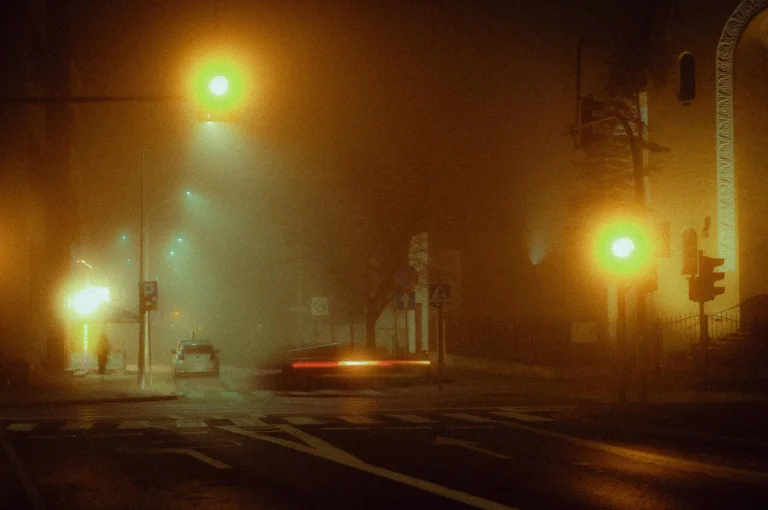
Patience allows us to build the stage before the actors arrive. We can carefully arrange our composition, balancing the harsh, geometric lines of a concrete staircase against the soft, diffused glow of a distant streetlamp. We set our focus, adjust our exposure, and then, we simply wait. The frame is a vessel. We are trusting that life will eventually flow into it, filling the empty space with a brief, unrepeatable spark of humanity.
The Space Between Action and Reaction
Waiting is not merely a physical act; it is an emotional state. It requires us to sit with our own vulnerability and the fear that nothing might happen at all. Yet, it is within this uncertainty that our deepest intuition is forged. We begin to sense the heavy, unspoken sorrow lingering in a quiet glance or the warm, rising joy of a spontaneous laugh just milliseconds before they materialize.
When the Light Shifts
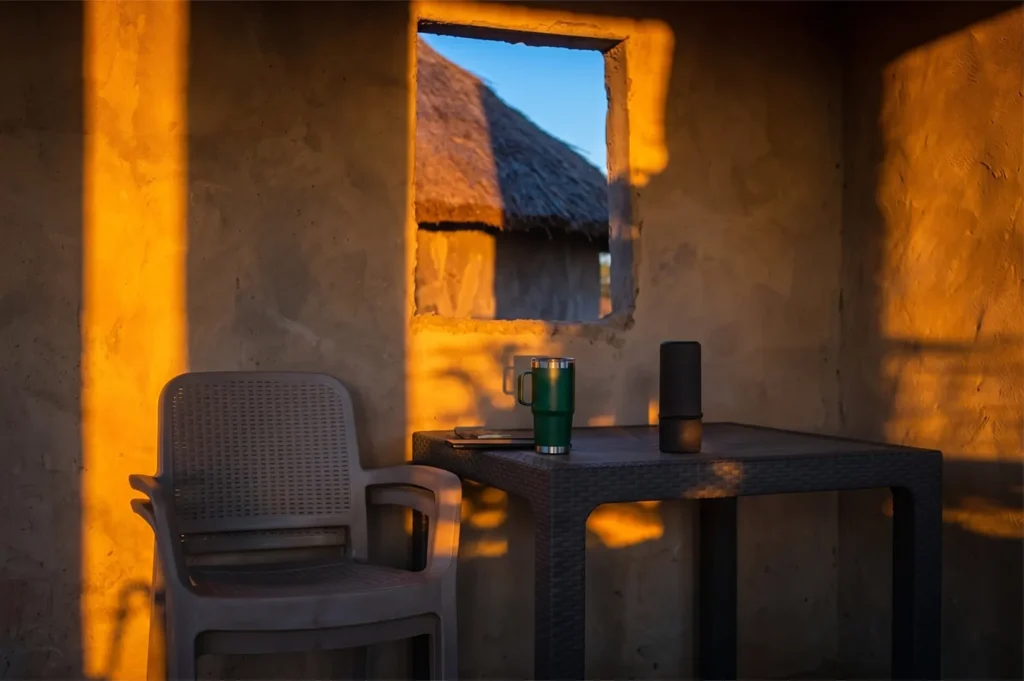
Sometimes, the subject we are waiting for is not a person, but the light itself. We watch the low, golden slant of late afternoon sun slowly creep toward a specific chair, knowing that in ten minutes, the illumination will be perfect. The soft, bruised purple of the twilight sky demands our patience, rewarding only those who stay long after the casual observers have packed their bags and gone home. Works celebrated by The Museum of Modern Art often highlight this profound communion between the artist and the changing atmosphere.
A Surrender to Time
Ultimately, the art of waiting is an act of deep reverence for the present moment. It teaches us that we do not need to manufacture meaning; we only need to be fully present to witness it. When we finally hear the sharp, decisive mechanical click of the shutter, it is not an interruption of the silence, but a quiet validation of it. We have waited. We have seen. And in that brief fraction of a second, we have held the world exactly as it was meant to be.