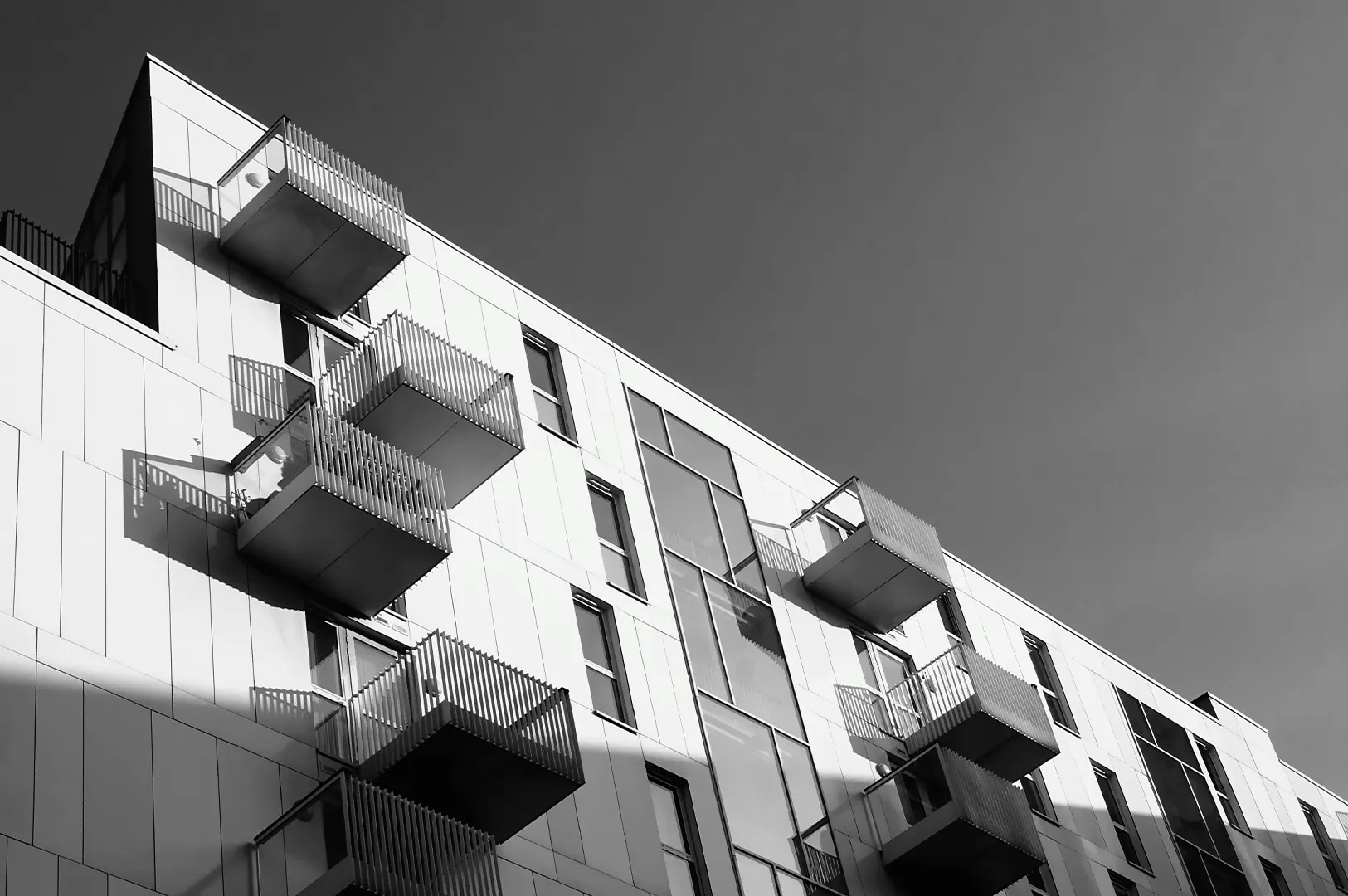
Visual Silence: The Power of Negative Space
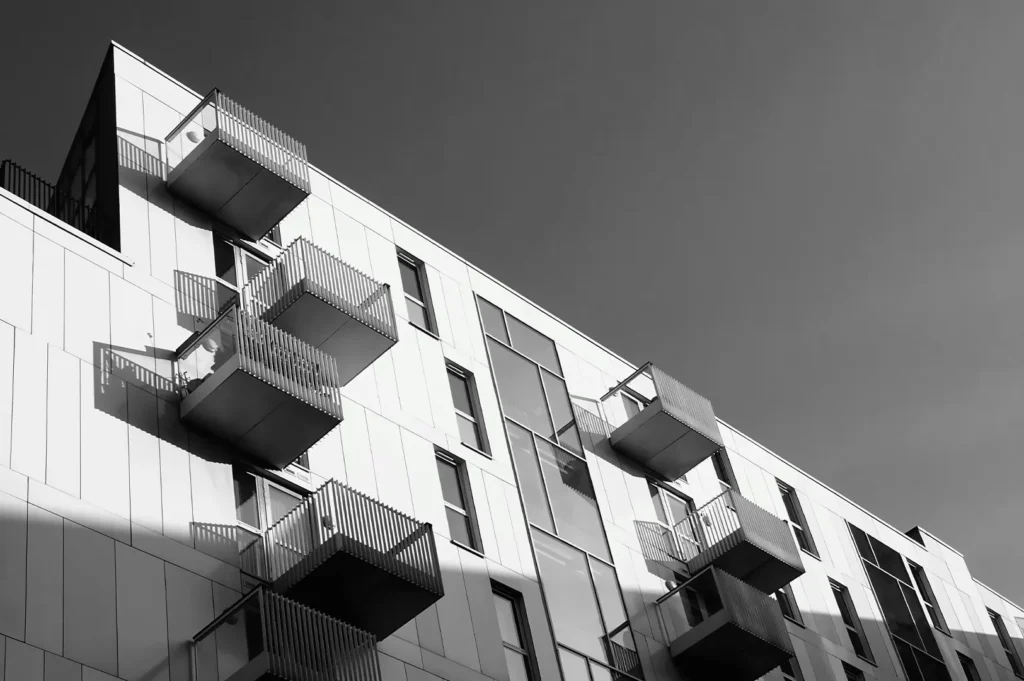
We are often taught to fill our frames. We seek out the action, the subject, the undeniable center of attention. But what happens when we choose to leave the frame intentionally bare? This is the practice of visual silence. By embracing negative space, we allow our photographs to breathe, creating a sanctuary where absence speaks louder than presence. This exploration is a quiet guide to the profound emotional weight of emptiness.
The Architecture of Emptiness
Negative space is never truly empty. It is a vital, living element of composition that shapes how we perceive the subject it surrounds. When we frame a solitary tree against the vast, bruised purple of a winter sky, the sky itself becomes the narrative. It isolates the tree, offering the viewer a profound sense of scale and vulnerability. Institutions like The Museum of Modern Art consistently showcase minimalist works that rely on this careful balance, proving that a photograph does not need to be loud to be heard.
Breathing Room for the Eye
Consider how you feel when you stand in a cluttered room compared to an open field. The eye needs a place to rest. By intentionally stripping away the noise, we give the viewer the soft, enveloping embrace of pure stillness. The cool, uninterrupted expanse of a concrete wall or the smooth, unbroken surface of a dark lake provides this much-needed pause. It is a visual exhale.
If you want to see how this kind of quiet framing holds up inside a louder setting, take a look at Alleyway Whispers: Urban Margins.
When Absence Creates Presence
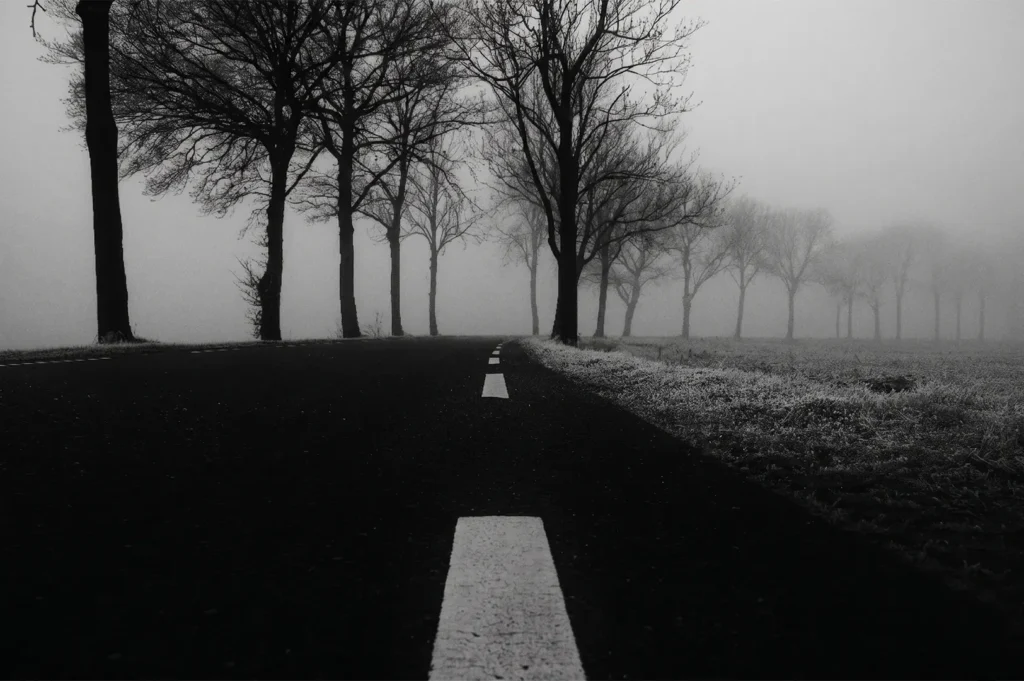
There is a strange paradox in photography: sometimes, removing elements makes the remaining subject feel infinitely more significant. The tension of negative space draws the viewer’s eye precisely where we want it to go.
The Weight of the Unseen
When a subject is pushed to the extreme edge of the frame, looking out into a void, we immediately feel the sharp, aching pull of anticipation. What are they looking at? What is hidden in the thick, impenetrable fog rolling over the hills? The emptiness becomes a canvas for the viewer’s imagination. This philosophical approach to seeing deeply aligns with the contemplative essays on minimalism found at Aeon, reminding us that what we leave out is just as crucial as what we include.
Embracing the Minimalist Frame
Creating visual silence requires tremendous discipline. It is an exercise in restraint. We must constantly ask ourselves what can be removed without losing the essence of the story.
Stripping Away the Noise
The world is chaotic, filled with the harsh, jagged edges of urban landscapes and the relentless hum of modern life. To carve out a minimalist frame in this environment is an act of quiet rebellion. We must seek out the gentle, fading gradient of the twilight horizon or the soft, diffused light filtering through a sheer curtain. Photographers celebrated by the Aperture Foundation often master this subtraction, isolating the fragile, delicate curve of a falling leaf against an expanse of nothingness.
The Emotional Resonance of the Void
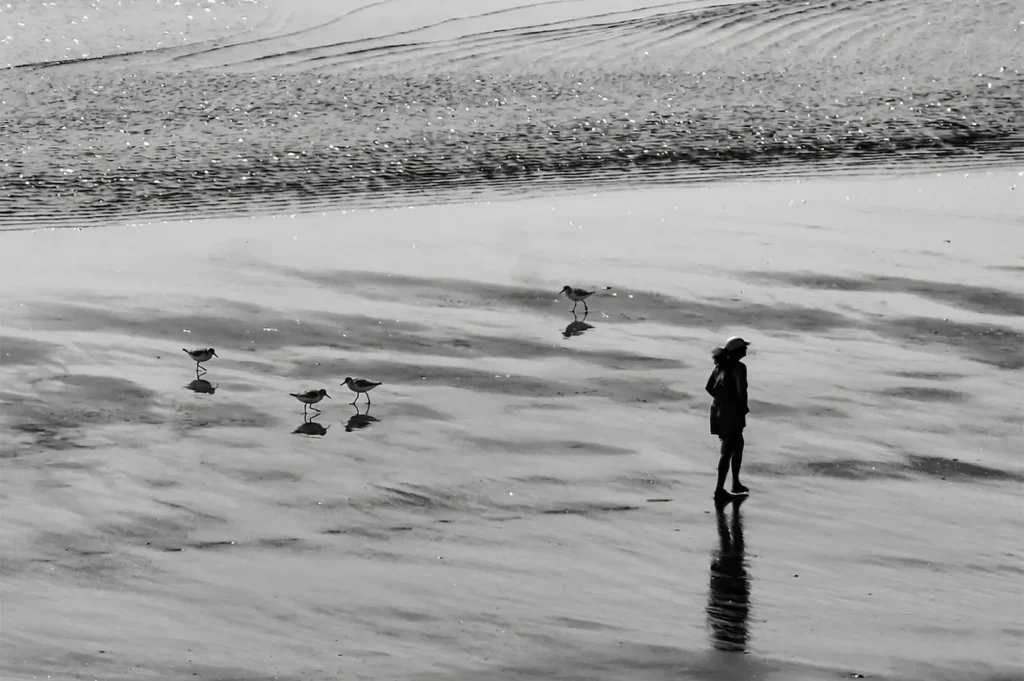
Ultimately, negative space is not just a compositional tool; it is an emotional translator. A large expanse of empty sky above a small figure can evoke a crushing, suffocating sense of isolation. Conversely, that same space can communicate a light, buoyant feeling of infinite freedom.
The Final Exhale
To photograph the void is to embrace a meditative mindset. It asks us to slow down, to appreciate the quiet, dignified beauty of the shadows, and to let the hushed, reverent atmosphere of an empty room speak for itself. When we look through the archives of Magnum Photos, we see how the masters understood that visual silence is a language of its own. By honoring the emptiness, we create photographs that do not shout for attention, but rather whisper to the soul.