Cloud Choreography: The Dance Above
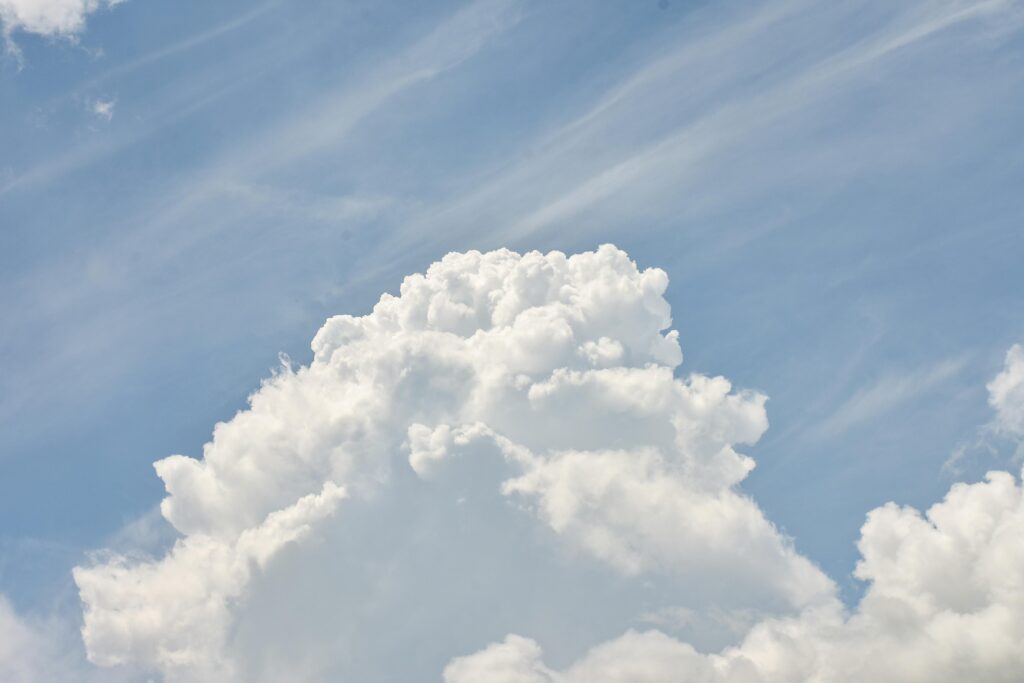
We often think of landscapes as static. A mountain, a field, a coastline—these are anchors of permanence in our fleeting world. But look up. Above every landscape is a stage for the most ephemeral and magnificent performance in nature: the ceaseless choreography of the clouds. This photographic essay is a time-based study, a meditation on the sky’s shifting moods over a constant earth. It is an exploration of how these vaporous, fleeting sculptures create a new relationship between land and sky with every passing moment.
The Unchanging Stage, The Ever-Changing Sky
To truly appreciate this dance, the photographer must first choose a constant. An old barn, a solitary tree on a hill, a pier stretching into the sea—this becomes the anchor, the silent earthly partner in the duet. By returning to the same location day after day, season after season, the ground becomes a familiar stage. This repetition allows the sky to reveal its full, dramatic range. The project becomes a study not of place, but of time and atmosphere. The land is the constant; the sky is the variable that changes the entire emotional equation of the image.
The Architecture of Air
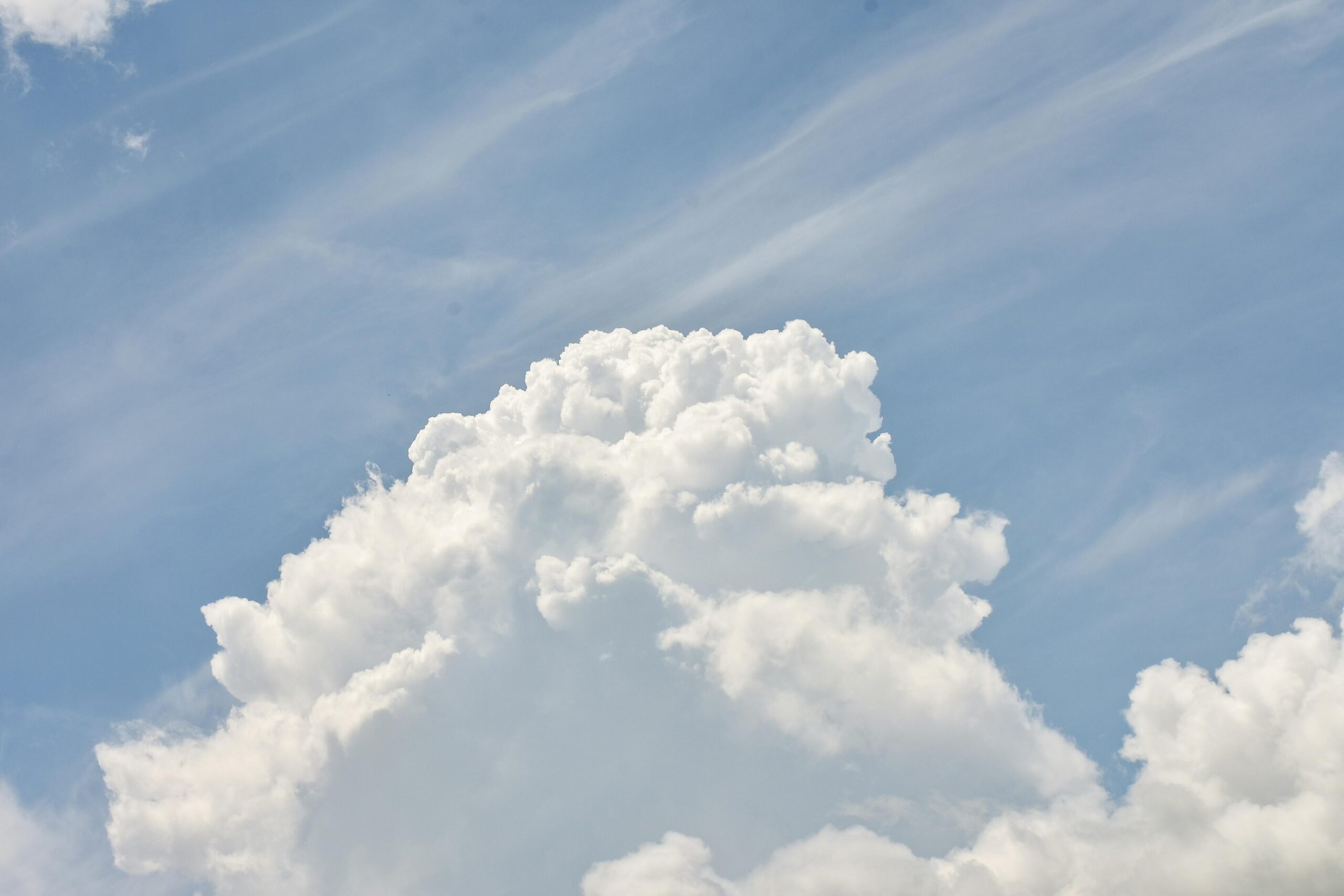
Clouds are the architecture of the air. They are not random puffs of white, but complex structures with their own logic and life cycle. There are the high, wispy cirrus clouds, thin as a horse’s tail, signaling a change in weather. There are the grand, towering cumulonimbus clouds, mountains of boiling vapor that carry the drama of a coming storm. To photograph them is to become a student of this aerial architecture, learning to read their forms and anticipate their movements. This deep appreciation for the natural world is a tradition shared by artists like John Constable, whose cloud studies remain a benchmark for capturing the sky’s character, works often celebrated by institutions like the Yale Center for British Art.
The Dialogue of Light and Shadow
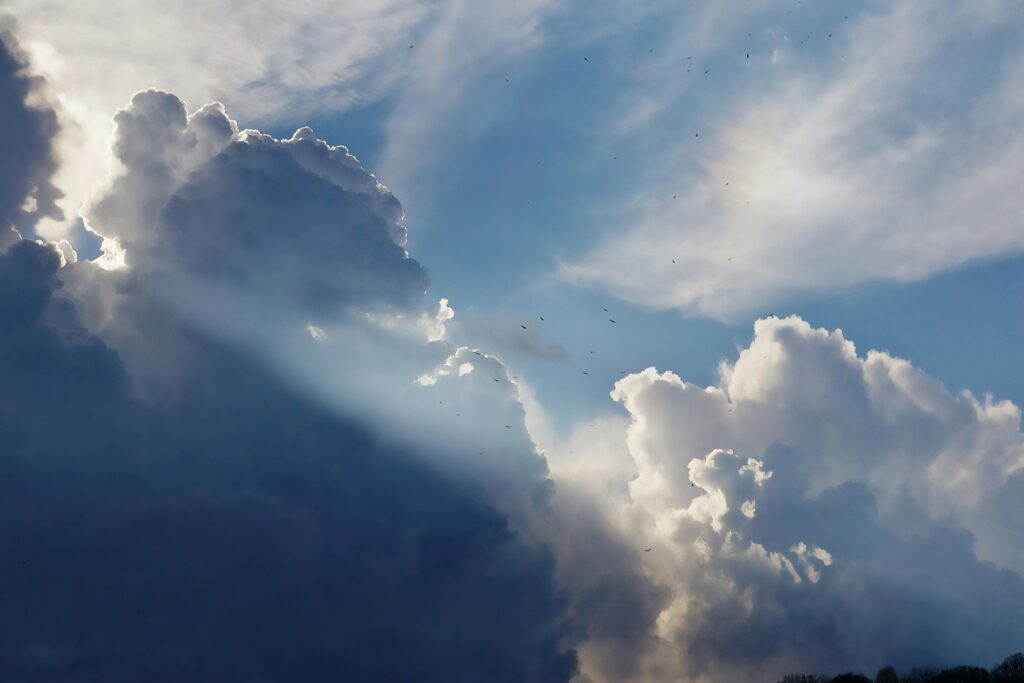
The most profound way clouds interact with the land is through light. A solid gray overcast sky can drain the landscape of color and contrast, creating a mood of quiet, melancholic contemplation. But when the sun breaks through, the clouds become instruments of light and shadow. Beams of light, often called crepuscular rays, can pour through a gap, spotlighting a single field or farmhouse with sudden, divine illumination. The shadows of clouds drift across the hills like great, silent ships, creating a constantly moving patchwork of dark and light. Capturing this dynamic interplay is the heart of this work.
Painting with Atmosphere
Different cloud formations paint the landscape with different atmospheric brushes. A sky full of small, puffy cumulus clouds on a summer day can make a landscape feel cheerful and idyllic. A low, scudding mist clinging to the valleys can create a sense of mystery and ancient time. A dramatic, bruised-looking storm front transforms a familiar scene into something ominous and powerful. Each cloud formation is a mood, and the photographer’s job is to capture the moment when that mood perfectly complements the character of the land below. The emotional power of atmosphere is something many photographers explore, a topic often featured in the thoughtful galleries of Lenscratch.
A Meditation on Impermanence
To spend hours watching the clouds is a profound meditation on impermanence. You witness forms being born, changing, and dissolving in a matter of minutes. A shape that looks like a dragon becomes a feather, then vanishes into the blue. This constant flux is a humbling lesson. It teaches you to be present, to appreciate the beauty of a moment that will never be repeated. This philosophical underpinning, the embrace of transience, is a core concept in many Eastern philosophies and artistic traditions, often explored in publications like Tricycle: The Buddhist Review.
The Long Exposure: Making Time Visible
While a fast shutter freezes a single, fleeting shape, a long exposure can reveal the choreography over time. By leaving the shutter open for minutes, the camera can smear the clouds across the sky, turning them into soft, painterly streaks. This technique makes the movement of time itself visible. The solid, sharp lines of the land stand in stark contrast to the fluid, dreamlike motion of the sky. The resulting image is a powerful representation of the permanent and the ephemeral coexisting in a single frame.
The Sky is the Story
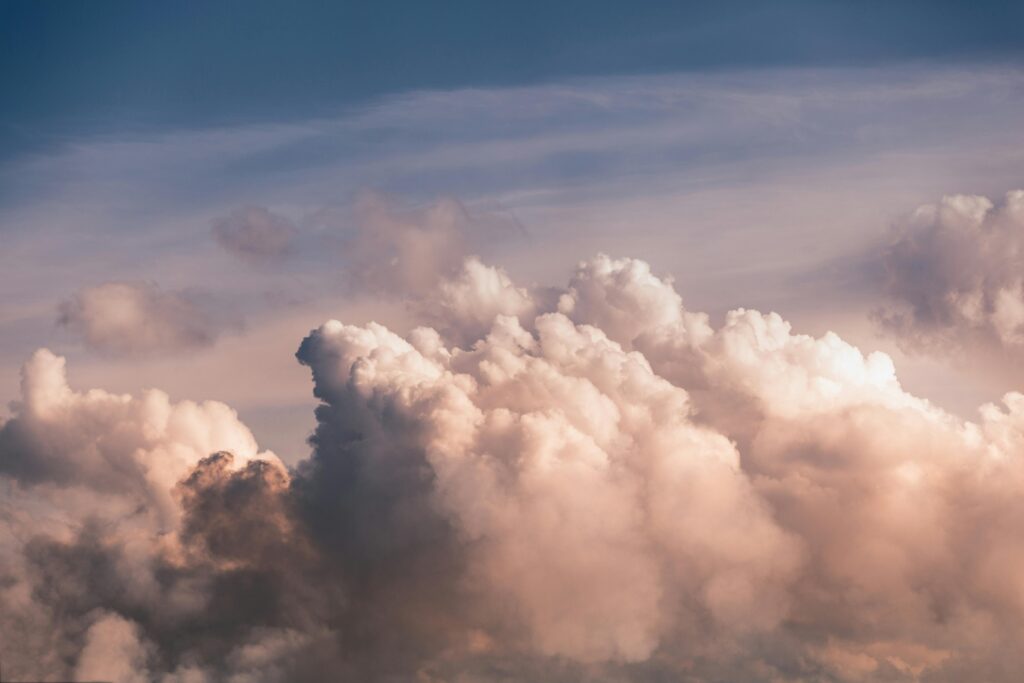
Ultimately, this practice teaches a photographer that the sky is often the real story. The land may be the subject, but the sky is the emotion. It is the narrative, the light, the drama, and the poetry. It is a reminder that even the most solid and unchanging parts of our world are in a constant, dynamic relationship with the vast, unpredictable dance above. We need only to remember to look up, to witness the silent, magnificent performance that unfolds for us every single day, a slow, celestial ballet that asks for nothing but our attention.
For a deeper dive into the relationship between sky and earth, see my piece on Monsoon Meditations.