The Unheard Voice: Portraits of Selective Mutism
Silence is often misunderstood. In a world that equates volume with confidence and speech with presence, silence is frequently mistaken for absence, for emptiness, or for a lack of something to say. But for those living with selective mutism, silence is not an empty vessel. It is a heavy, pressurized container, brimming with thoughts, emotions, and a voice that desperately wants to be heard but finds itself trapped behind an invisible, impenetrable wall. This photographic essay is a compassionate study of that silence—not as a lack, but as a profound, alternative language of the soul.
The Weight of the Unspoken
To photograph someone with selective mutism is to enter a space of immense trust. The camera, usually an instrument of documentation, becomes an instrument of listening. Without the bridge of spoken conversation, the photographer must rely on other frequencies. You learn to read the micro-geography of the face: the slight tightening of a jaw that signals anxiety, the softening of the eyes that signals safety. There is a palpable density to the air around the subject. It is charged with the energy of words held back by fear, creating a magnetic field of vulnerability that is both delicate and intense.
The Eloquence of the Gaze
When the voice is stilled, the eyes must do the work of a thousand words. In these portraits, the gaze is rarely passive. It is piercing. It is an urgent telegram sent from the interior world to the exterior one. I have seen eyes that scream, eyes that plead, and eyes that hold a deep, oceanic sorrow. Capturing this requires patience. It requires waiting for the moment when the subject lowers their guard just enough to let the camera see the person behind the anxiety. This focus on the communicative power of the face connects to the long tradition of emotive portraiture found in the collections of the National Portrait Gallery, where the silent image speaks across centuries.
The Architecture of Protection
Selective mutism often manifests in the body as a kind of physical armor. Shoulders hunch to protect the heart; arms cross to create a barrier; the chin tucks down to hide the throat. These are the instinctual shapes of self-preservation. But within this defensive architecture, there is also beauty. There is the beauty of resilience, of a spirit surviving in a world that feels overwhelmingly loud. A photograph can trace the lines of this protection, respecting the boundary while acknowledging the soft, beating life within. It is a visual study of the tension between the desire to hide and the longing to be seen, a theme often explored in the psychology of art discussed on The Marginalian.
Hands That Speak Volumes
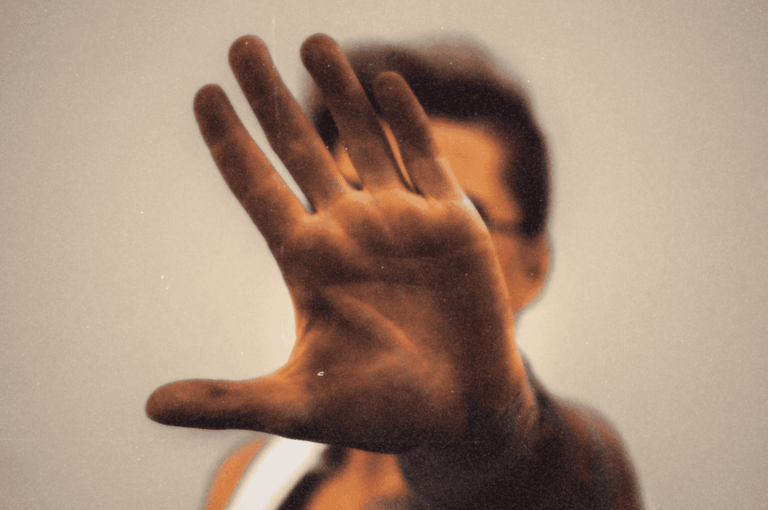
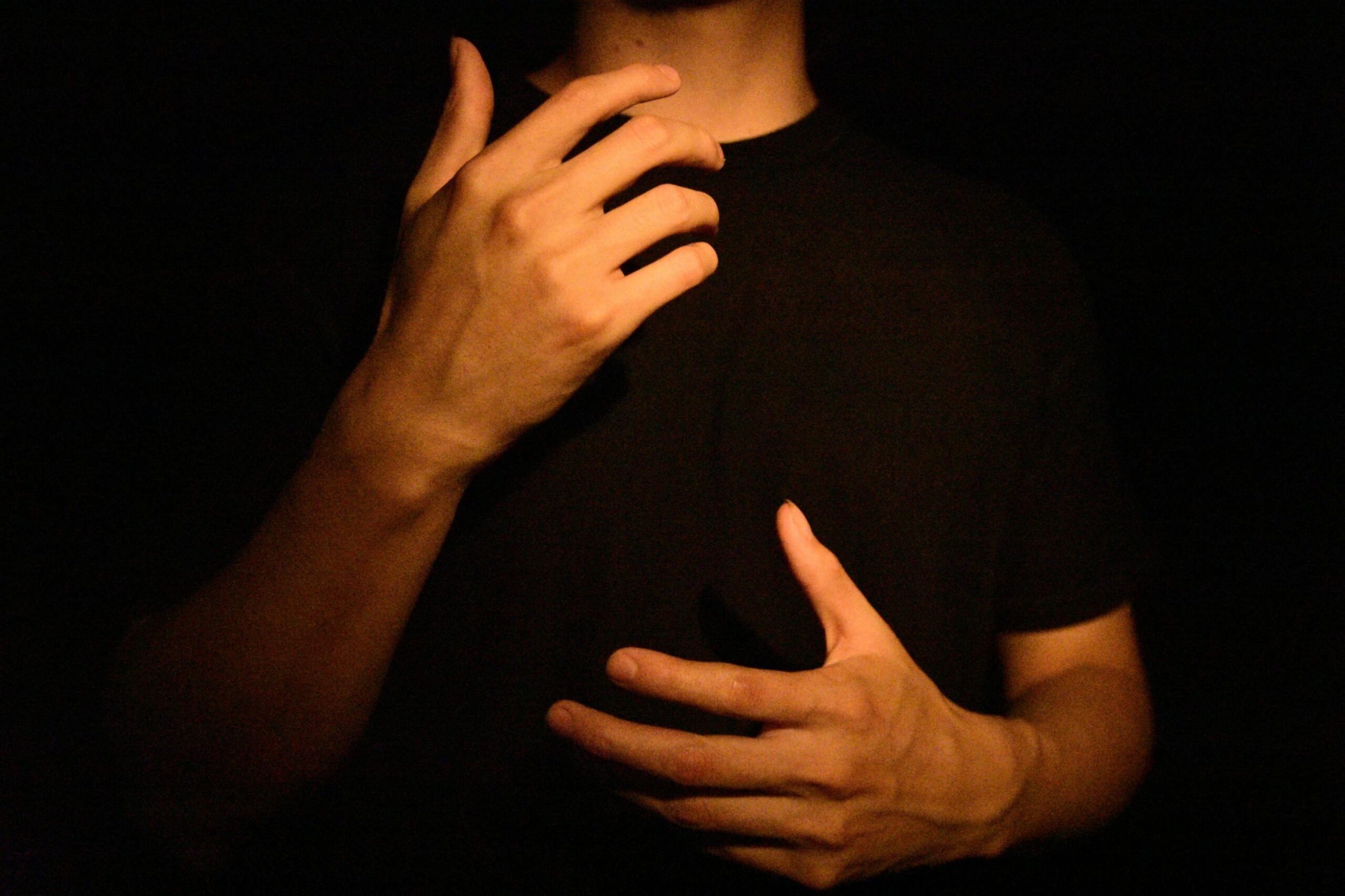
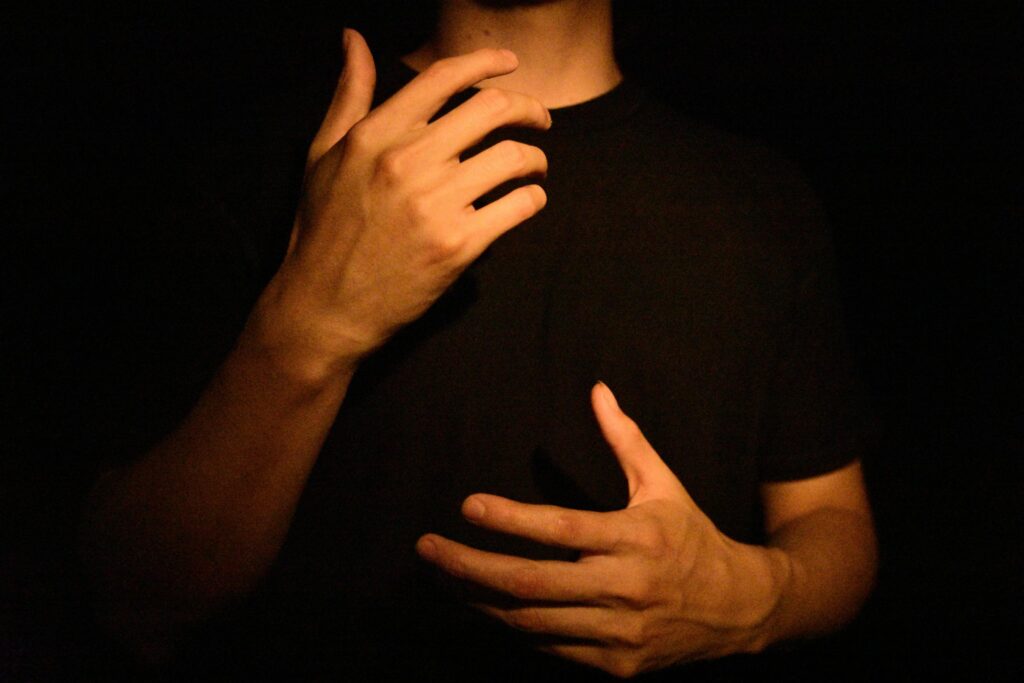
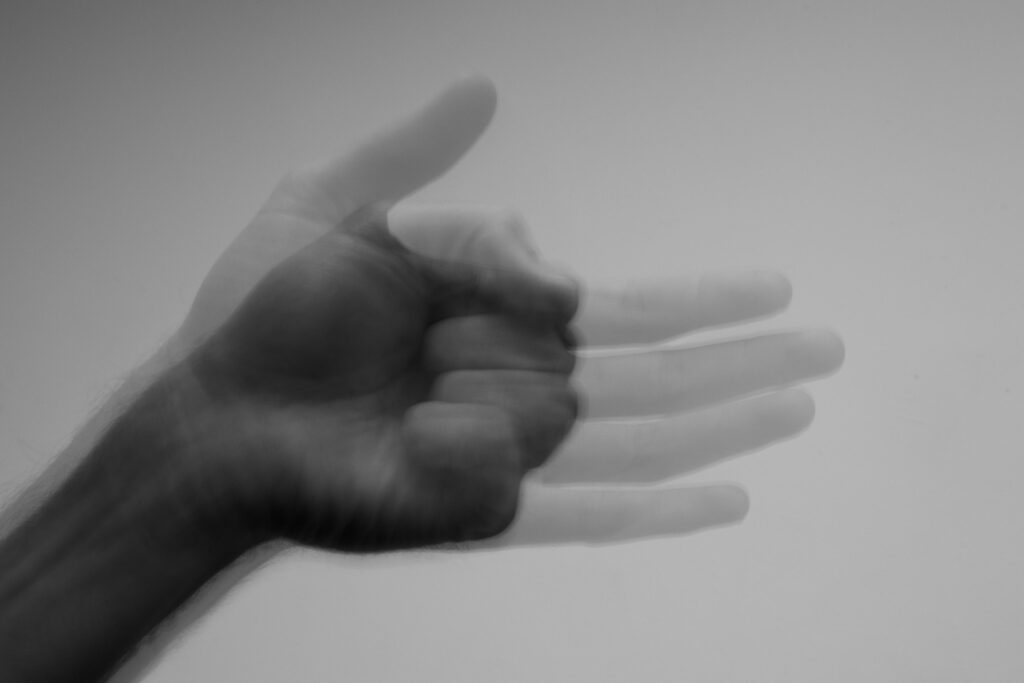
Deprived of speech, the hands often become the primary storytellers. They fidget, they clutch, they soothe. A subject might twist a ring, pick at a sleeve, or press their palms together until the knuckles turn white. These small, unconscious movements are a choreography of nervous energy. A close-up of hands can be as revealing as a portrait of a face. It captures the tremor of held breath, the tactile grounding of touching a familiar object, the physical manifestation of an internal struggle. These details offer a sensory-rich narrative of what it feels like to be locked inside oneself.
Words on Paper: The Voice Released
For many with selective mutism, the written word is a lifeline. It is the escape hatch. When the vocal cords freeze, the pen flows. Including handwritten notes in the photographic frame adds a layer of profound intimacy. The handwriting itself—whether shaky, bold, or meticulous—is a portrait of the writer. Seeing the words “I am here” or “I am afraid” written on a scrap of paper held by a silent subject creates a shockwave of emotional connection. It bridges the gap. It transforms the silence from a barrier into a bridge, allowing the viewer to “hear” the voice that the air refuses to carry.
The Loudest Silence
There is a specific quality to the silence of selective mutism. It is not the peaceful silence of a library or a forest. It is an active, vibrating silence. It is the sound of a scream caught in the throat. To photograph it, one must use light and shadow to suggest this internal pressure. Deep shadows can represent the isolation, while a single, focused beam of light can symbolize the clarity and brightness of the mind trapped within. This use of atmosphere to convey psychological states is a technique mastered by cinematographers and photographers alike, whose work is celebrated by institutions like the International Center of Photography.
Witnessing the Unseen Self
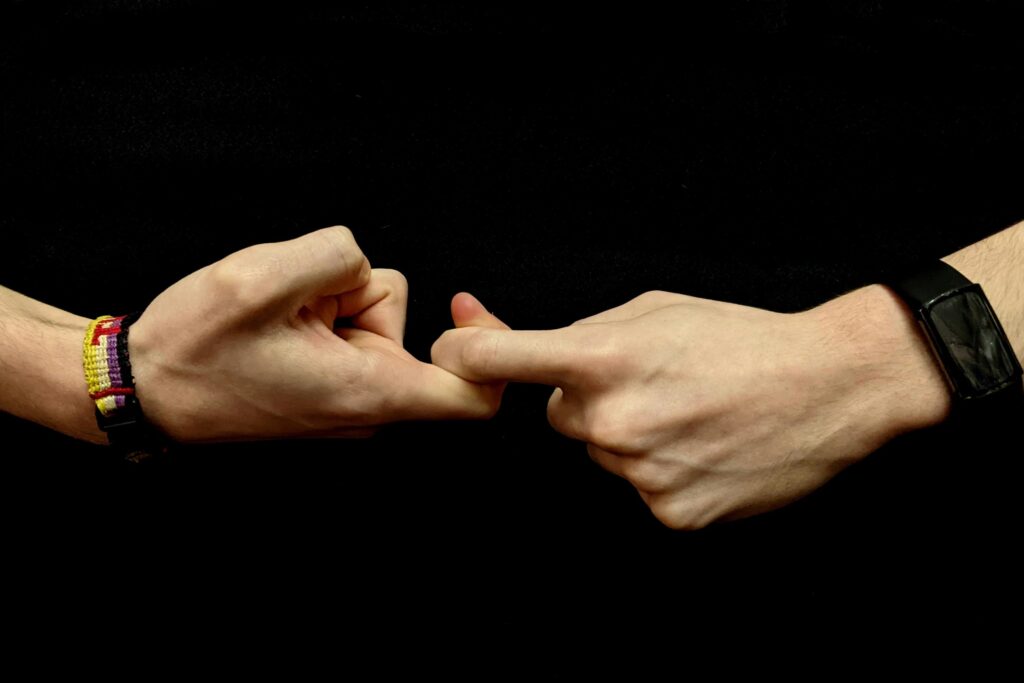
Ultimately, these portraits are an attempt to witness the unseen self. They are a validation of the person who exists beneath the silence. They say: I see your struggle. I see your intelligence. I see your heart. By stripping away the expectation of speech, we are forced to engage with the human being on a more primal, empathetic level. We are forced to listen with our eyes and our hearts.
In the quiet exchange between photographer and subject, a new language is formed. It is a language of presence, of patience, and of deep, abiding respect. It reminds us that every person is a universe, and that sometimes, the most profound stories are the ones that are never spoken aloud, but are written in the shy curve of a smile or the brave, wavering light of a gaze that dares to meet our own.
For a deeper dive into the relationship between sky and earth, see my piece on Monsoon Meditations.