Threshold Guardians: The Emotional Labor of Service Work
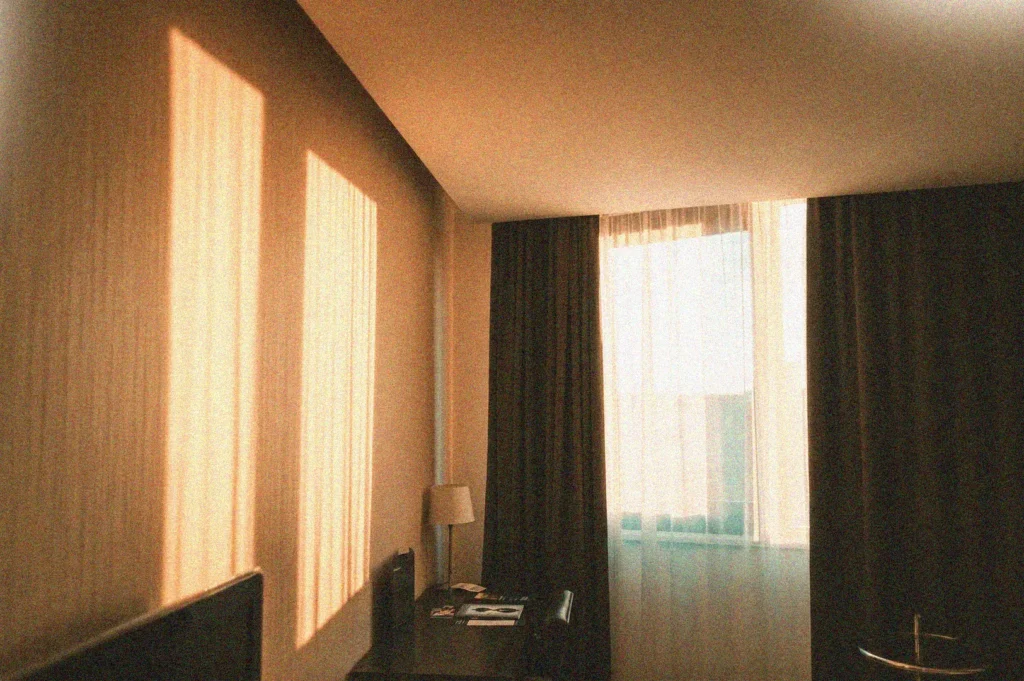
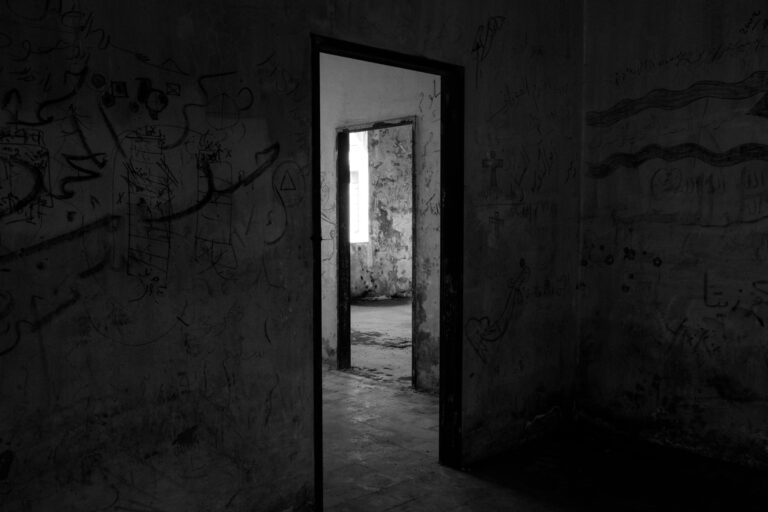
The camera is often pulled toward a thin strip of space: the threshold.
Hotel entrances, hospital desks, and security counters are stages where strangers arrive carrying tension, and someone has to meet it first. From the outside, service work can look still, almost like waiting, but up close it is constant calibration: reading faces, adjusting tone, absorbing frustration or fear, and keeping the doorway moving with calm, practiced presence.
The Door Is Never Neutral
A doorway is not only an architectural feature. It is a negotiation in real time.
People arrive carrying weather from elsewhere: impatience, worry, grief, entitlement, gratitude, suspicion, relief. Some arrive already braced for conflict. Others arrive hoping the room beyond will make their lives easier.
At the threshold, those emotions meet someone whose job is to remain steady enough for everyone else to pass through. The worker becomes a kind of buffer between the private intensity people bring and the public order the space requires.
A simple exchange can tilt either way. A question can sound like an accusation. A rule can feel like rejection. A calm voice can lower the temperature of an entire lobby. This is the strange power of the doorway: it decides, in small moments, whether a person feels welcomed, processed, or turned away.
The Face That Receives
To photograph service workers well, the face cannot be treated as a mask. The smile at the counter is not always simple warmth. Sometimes it is skill. Sometimes it is protection. Sometimes it is a small bridge built across an exchange that could easily become sharper than it needs to be.
This is where portraiture has to slow down. It should not only ask what a person looks like while working. It should ask what the work asks them to hold.
Emotional Labor
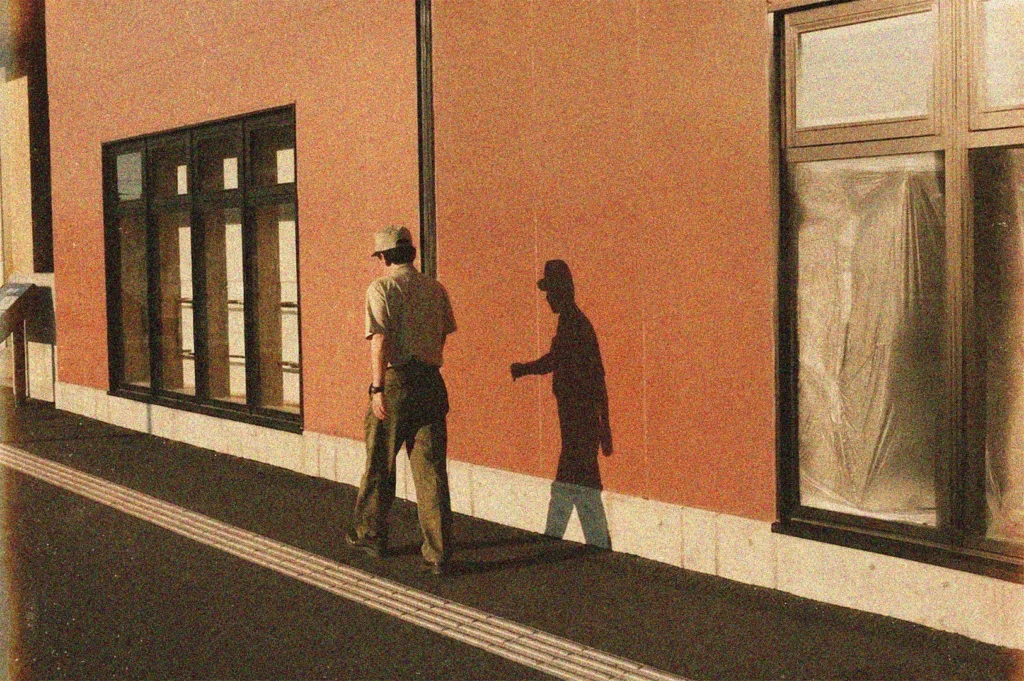
The phrase “emotional labor” is often used casually now, but its weight becomes clearer for people who must manage their feelings as part of the job.
The International Labour Organization describes work-related stress as involving physical, mental, and emotional reactions when work demands exceed a person’s ability or resources to cope.
At the threshold, those demands may not look dramatic, but they accumulate quietly.
A hotel concierge may carry the frustration of delayed rooms. A hospital receptionist may absorb the fear of families waiting for news. A security guard may stand between openness and caution, expected to be welcoming until the moment they must become firm.
What the Uniform Hides
Uniforms simplify people. They turn the body into a role: guard, concierge, receptionist, attendant. They make the worker recognizable, which also makes them easier to overlook.
A portrait can resist that simplification. It can stay with the loosened shoulder after a long shift, the careful hands folded near a register, or the eyes returning to the doorway even during a pause. This quiet tension sits beside another reflection on work, clothing, and identity, which you can read here, where clothing becomes both signal and boundary.
Small Gestures of Holding
The emotional work of service is often carried in gestures too brief to be celebrated. A nod can make a stranger feel less lost. A softened voice can keep a waiting room from hardening. A pause before answering can protect someone else’s dignity, even when the worker’s own patience is nearly spent.
The concierge who remembers a guest’s name after one hurried arrival, the receptionist who repeats directions without letting impatience enter the room, the guard who notices when someone is not ready to speak yet, and the attendant who keeps their face calm while the lobby changes around them are all performing small acts of emotional architecture. These gestures do not announce themselves as kindness, but they keep public spaces from becoming unbearable.
The Hospital Desk
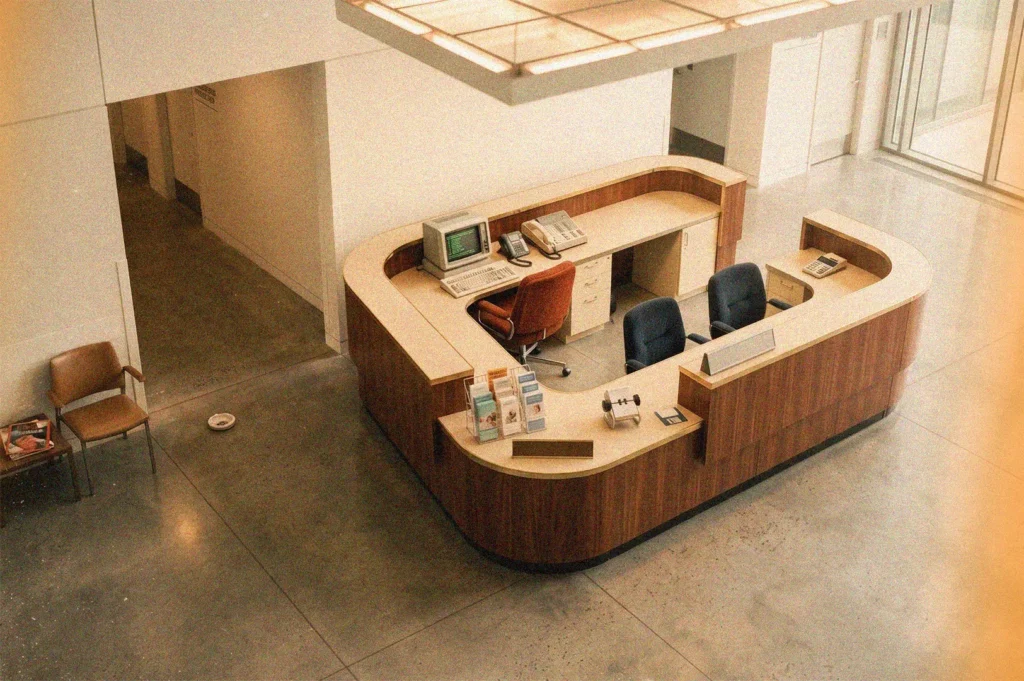
A hospital reception area carries a particular kind of silence. It is not quiet exactly. There are phones, footsteps, forms, lift doors, plastic chairs, and names being called. Yet beneath all of it is waiting, and waiting has its own sound.
The World Health Organization notes that all workers have the right to a safe and healthy working environment, including protection for mental health. In places built around care, it is easy to forget the people whose job is to receive distress before it reaches the room beyond.
The Guard at the Edge
A security guard lives inside the contradiction of being visible and unseen.
Everyone knows where the guard is, but few people really look. The role asks for attention without intrusion, authority without aggression, friendliness without softness.
At the edge of a building, the guard becomes a human hinge. The door opens, closes, opens again. Deliveries arrive. Residents pass. Visitors explain themselves. Small decisions gather across the day, most of them invisible unless something goes wrong.
Photographing Without Taking
There is an ethical difficulty in photographing service workers because the camera can easily repeat the imbalance of the setting. Someone who is paid to be polite may not feel fully free to refuse attention. A slower portrait must make room for consent, context, and dignity. It should not steal exhaustion for atmosphere. It should not turn fatigue into decoration. The image has to ask whether it is witnessing the person, or simply using their labor as mood.
The Weight at the Threshold
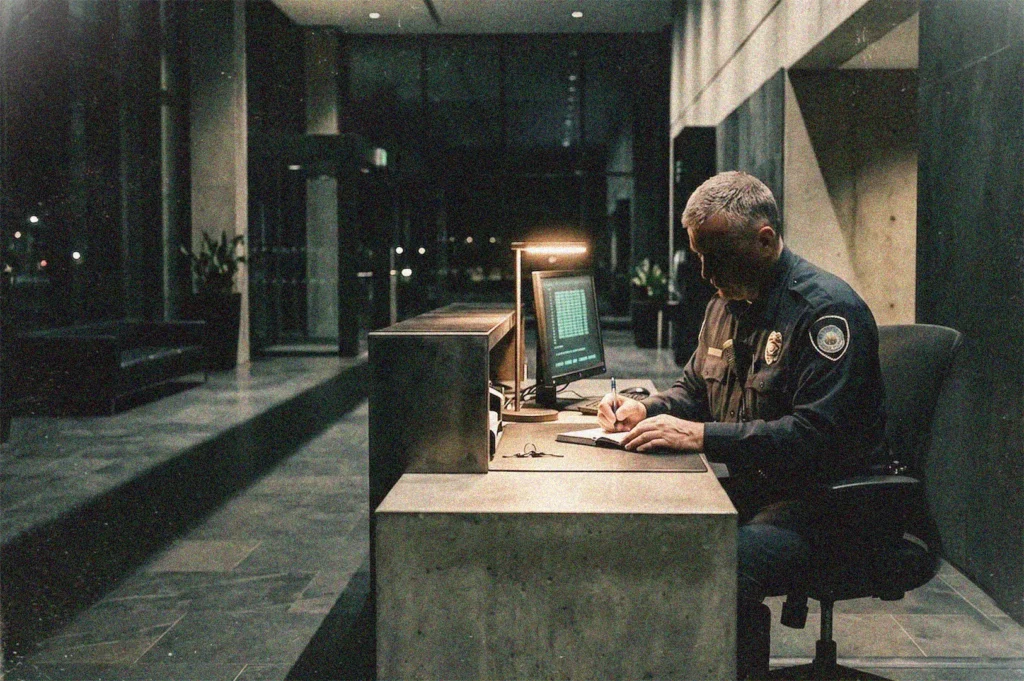
Threshold workers hold the edge between public need and private endurance. They stand where people arrive before becoming ready, where confusion must be softened, where rules must be explained, where emotion is passed from stranger to stranger and made bearable for a moment.
To photograph them is to notice the human cost of welcome. The doorway remains, the desk remains, the lobby light remains. But after looking long enough, the portrait begins to reveal what the role has been carrying all along.
For more reflective photography essays and visual meditations on the quiet life of ordinary places, explore more from Slow Shutter.