Windows as Urban Portals: The Ethics of Looking In
As night descends on the city, the architecture of separation begins to dissolve. The opaque walls that define our private lives during the day recede into shadow, while windows—those fragile membranes of glass—transform into glowing stages. To walk the streets at night is to become an audience member in a thousand silent plays. This essay explores the complex, often uncomfortable relationship between public streets and private sanctuaries, examining how illuminated interiors become unintentional theaters and what our compulsion to look reveals about the deep, unspoken loneliness of modern life.
The Illuminated Stage
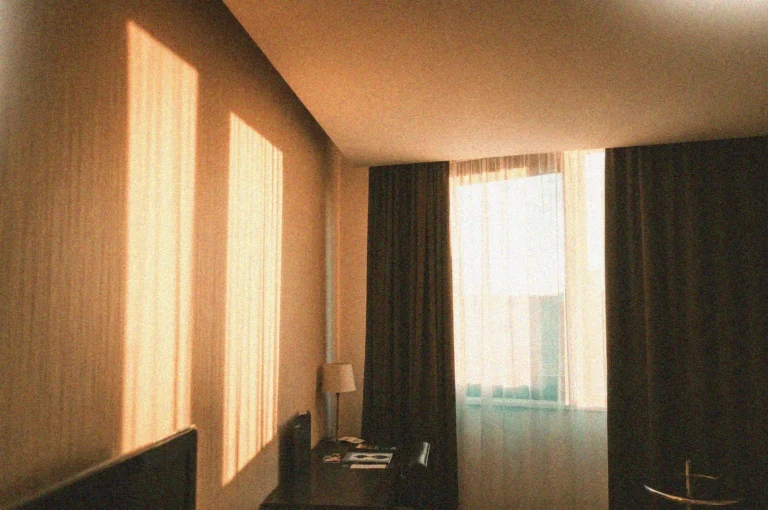
When the sun sets, the dynamic of the city inverts. During the day, we look out; at night, the world looks in. A window frame, illuminated from within, acts as a proscenium arch. It captures a slice of life: a silhouette bending over a kitchen sink, the blue flicker of a television set, a solitary figure reading in an armchair. These vignettes are mesmerizing because they are so ordinary, yet, framed by darkness, they feel profound. They offer a glimpse into the “backstage” of human existence, stripped of the performative armor we wear in public.
The Accidental Voyeur
There is a tension in this act of looking. Is it observation, or is it intrusion? The photographer who trains their lens on a lit window walks a razor-thin ethical line. We are drawn to the warm, amber glow of a stranger’s life not out of malice, but out of a desire for connection. We want to know that others are living, breathing, and feeling just as we are. Yet, capturing these moments can feel like a theft of intimacy. This ethical dilemma is a central theme in the history of street photography, grappled with by masters whose work is preserved in archives like the Magnum Photos collection.
A Portrait of Isolation
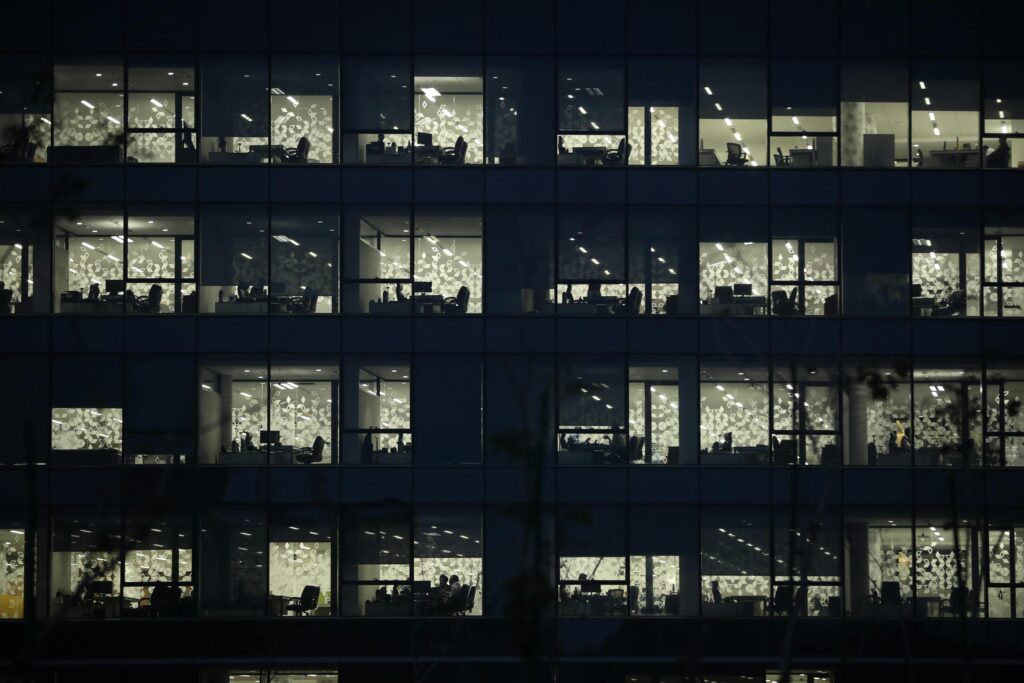
Often, what we see through the glass is not a bustling family dinner, but solitude. The urban window frequently frames a single person alone in a box of light, surrounded by millions of others doing the same. These images resonate deeply because they mirror our own internal states. They become a visual metaphor for contemporary urban loneliness—the paradox of being surrounded by people yet entirely alone. The window becomes a barrier that is both transparent and impermeable, allowing us to see but not touch.
The Distance of Glass
Glass is a material of contradiction. It invites the eye but rejects the hand. It creates a sense of proximity that is purely visual. I recall photographing an apartment building where dozens of windows were lit. In one, a woman practiced the cello; in another, a man stared blankly at a laptop. They were separated by only a few inches of drywall, yet they existed in entirely different universes. The photograph captured this grid of isolated narratives, a hive of disconnected lives. This theme of alienation in the modern metropolis is a subject explored with haunting beauty by painters like Edward Hopper, whose works can be studied at the Whitney Museum of American Art.
The Ethics of the Gaze
When we photograph these scenes, we must ask ourselves: what is our intent? Are we documenting the human condition, or are we exploiting a moment of vulnerability? The most powerful images of windows are those that respect the subject’s dignity, even from a distance. They use the window not as a keyhole for prying, but as a canvas for exploring universal themes of home, shelter, and belonging. The photograph should feel like a silent nod of recognition, not an invasion.
The Reflection of Self
Ultimately, when we look into a stranger’s window, we are often looking for ourselves. We are searching for evidence that our own domestic rituals—the making of tea, the folding of laundry, the **quiet, heavy stillness of a late night**—are shared experiences. The window acts as a mirror. The loneliness we perceive in the stranger is often a projection of our own. We are seeking reassurance that we are part of a collective human experience, even if we are living it separately. This psychological aspect of photography is a fascinating intersection of art and mind, often discussed in essays found on platforms like The School of Life or our other photography blogs in Slow Shutter.
A Fragile Connection
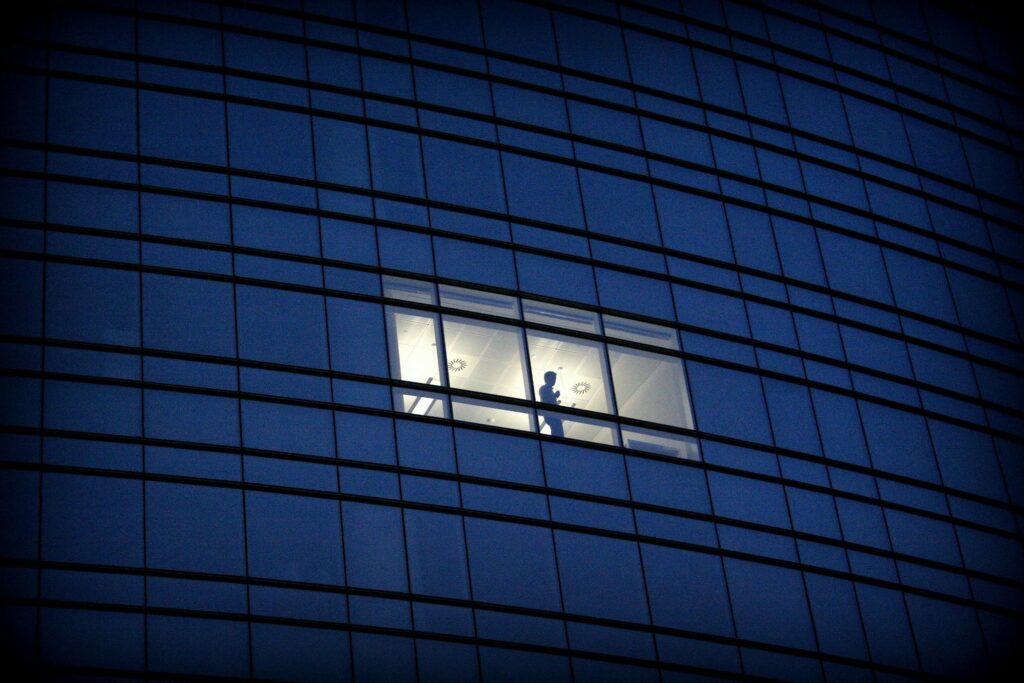
The ethics of looking in are ultimately resolved by empathy. If we approach these illuminated portals with a gentle heart, recognizing the humanity behind the glass, the act of seeing becomes a form of silent communion. We are acknowledging the fragile, beautiful persistence of life in the dark. We are witnessing the city not as a cold collection of buildings, but as a living organism composed of millions of beating hearts, each seeking warmth in their own square of light. In capturing these fleeting, luminous moments, we are quietly saying to the stranger behind the glass: “I see you, and in seeing you, I am less alone.”
For a calming journey through landscapes, healing, and the restorative gaze of the camera, read Healing Landscapes: Photography.