Memory Keepers: Sitting With the Last Hands of a Craft
The old man did not look up when I entered. His hands kept moving, folding, pressing, smoothing, the way they had for sixty years. I set my bag down quietly and waited, because there are doors that open only with time.
I came to photograph a craft. I stayed because I realized I was photographing an ending.
The Weight of Being the Last
There is a particular silence around someone who knows they may be the last. It is not loud grief. It is quieter than that — a steadiness that has made its peace.
He told me his son works in an office now. His grandchildren live in another city. A skill carried for generations, resting on a single pair of aging hands.
I did not ask how that felt. The question seemed cruel, and the answer was already in the room. It lived in the unused stools, the second workbench gathering dust, the tools laid out for apprentices who never came.
What the Hands Remember
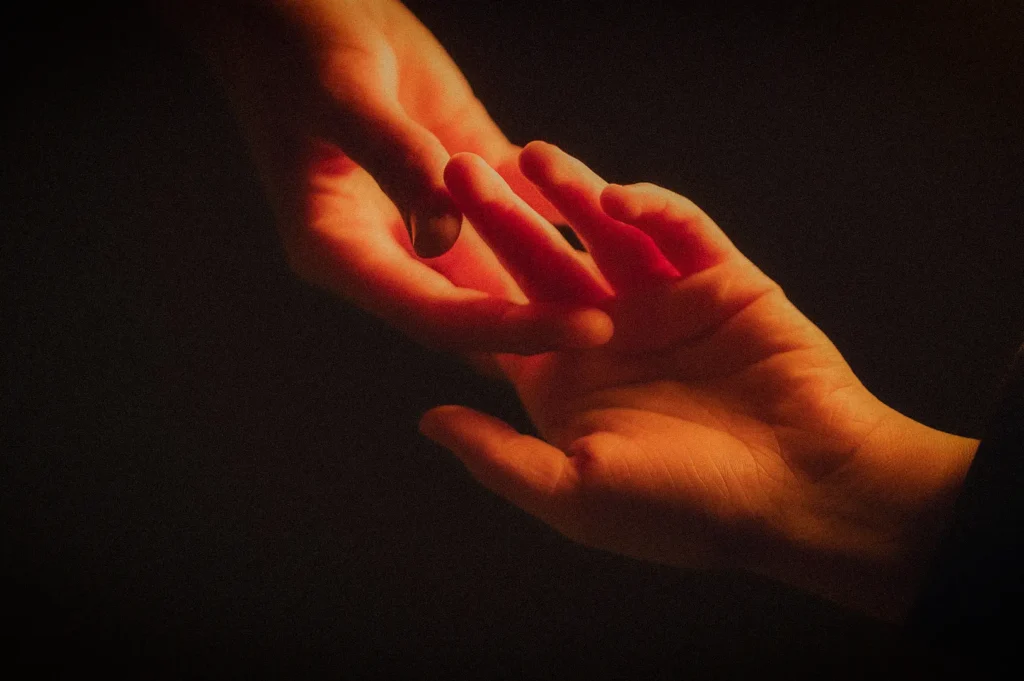
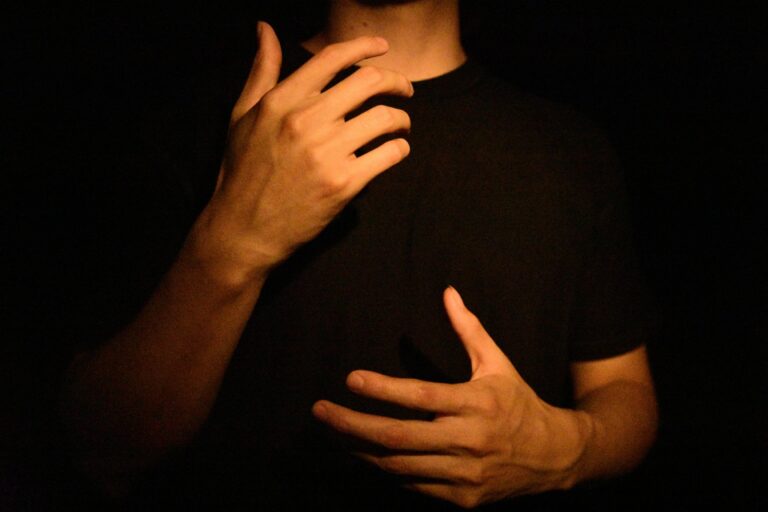
Watch a master work, and you understand that memory is not only in the mind. It lives in the body.
His fingers knew the measure without measuring. They sensed when the material was ready, when to press harder, when to let go. A lifetime of practice folded into a single, unhurried gesture. No instruction could teach this. It was earned through thousands of mornings.
The photographers archived at Magnum Photos understood that the truest portraits often live in the hands, not the face. So I framed his hands first. The face would come later, when he forgot I was there.
The Patience of the Camera
I did not rush him. I let the work set the rhythm.
There is a kind of seeing that only patience allows. A long quiet, broken only by the soft sound of a craft being made. I waited through whole stretches where nothing seemed to happen, until the small, important moments surfaced on their own.
Crafts That Are Quietly Vanishing
Across the world, these practices are slipping away. They are too slow for a fast economy, too unprofitable to inherit.
Bodies like UNESCO Intangible Cultural Heritage try to record what remains, gathering names and techniques before they fade. But a list is not the same as a living hand. A craft is not only what is made, but how it feels to make it.
That feeling cannot be archived. It can only be passed, person to person, or lost.
The Room Holds the Story
I have learned to photograph the space as carefully as the person. The room remembers too.
The worn patch on the floor where he has stood for decades. The wall stained by years of the same work. A cracked window letting in the only light he has ever needed. These details say what words cannot. They hold the shape of a life given entirely to one thing.
The essays in The Paris Review often circle this truth — that meaning gathers in the small, repeated gestures we rarely think to notice.
What We Lose, and What We Keep
Why does it matter if one craft disappears? The world has so many.
Perhaps it matters because each lineage is a way of seeing, a language of the hands that took centuries to form. When it ends, something irreplaceable goes quiet. The collections held at the V&A Museum remind us that objects survive, but the knowledge behind them is far more fragile.
Before the Light Goes
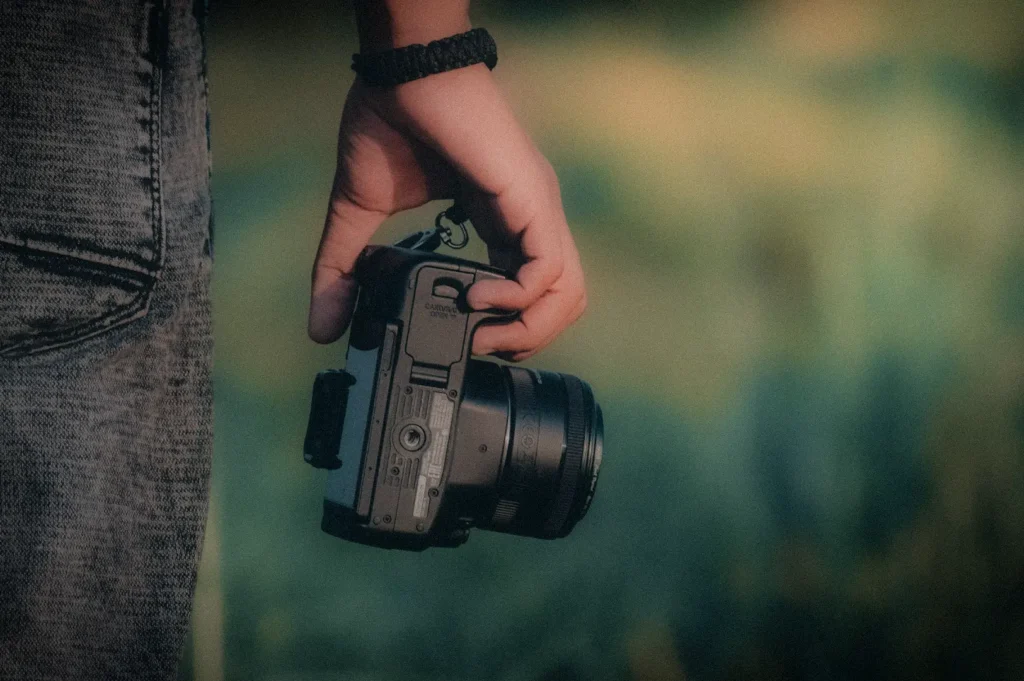
When I finally lowered the camera, the old man looked at me and nodded. He did not ask to see the photographs.
I think he understood what I was doing better than I did. I was not saving his craft. No image can carry what only living hands can hold. I was only bearing witness, the way you sit with someone you love in their final, ordinary afternoon.
So if you find a memory keeper, go slowly. Photograph the hands. Listen more than you ask. And remember that to document an ending is, above all, to honor it.