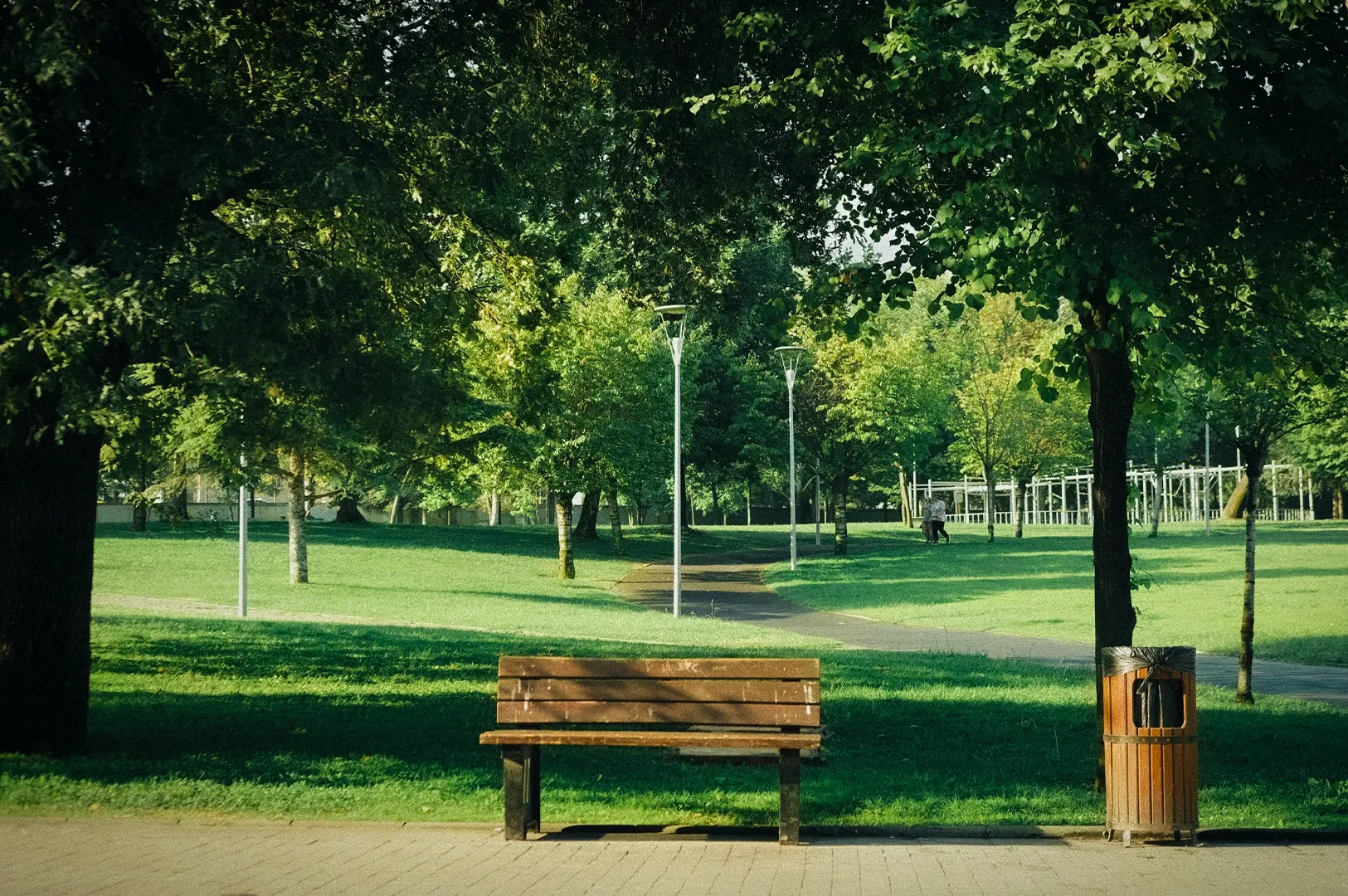
Parkbench Chronicles: A Year of Watching One Quiet Place
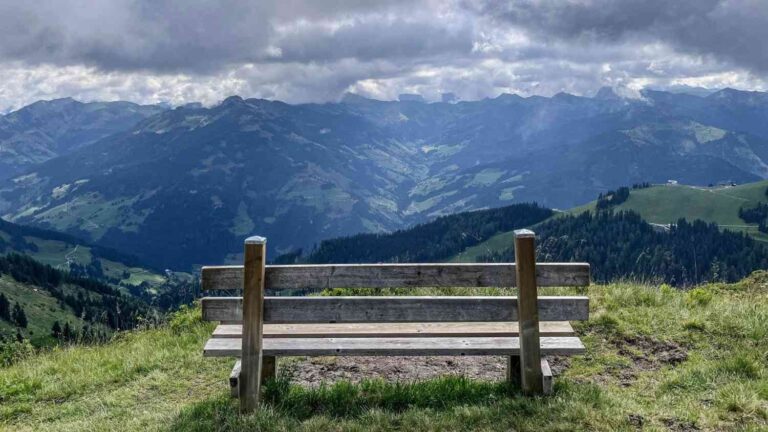
I chose the bench almost by accident. It sat at the edge of a path, beneath an old tree, facing a pond that held the sky in pieces. For one full year, I returned to it again and again. I came with no agenda except to watch, and to learn what a single stationary thing could teach me about the people who paused there.
This is what slow photography offers. Not the hunt for the new, but the patience to stay with the familiar until it opens.
Why One Bench, One Year
We often photograph by moving. We chase light across cities, collect places, and fill our cards with the unrepeatable. But there is another kind of seeing, quieter and stranger. It asks you to stand still and let the world arrive.
The bench became my teacher in this. By refusing to move, I noticed what motion had always hidden: the slow turning of seasons across the same worn wooden slats. The way frost gave way to pollen, then to fallen leaves.
Winter: The Bench Alone
In the cold months, the bench was mostly empty. Snow gathered on it like a held breath. I learned to photograph absence, to find meaning in the soft hollow where no one sat.
A single set of footprints would appear some mornings, leading to the bench and away again. Who had come here in the dark? The image kept the question without answering it. This is something the photographers featured at the International Center of Photography understand well—that mystery often outlasts explanation.
Spring: Strangers Arrive
When the warmth returned, so did the people. An elderly man came each morning with bread for the birds. His hands trembled, but his patience never did.
A young couple argued there one afternoon, their bodies angled away from each other. An hour later, they returned, sitting close, shoulders touching like a quiet apology. I did not photograph the conflict. I photographed the repair.
The Ethics of the Watcher
To document strangers is to hold a delicate responsibility. I never crowded anyone. I waited at a distance, letting people forget the lens. The thoughtful conversations hosted by Aperture reminded me that respect is itself a form of composition.
I asked myself often: am I taking, or am I honoring? The answer shaped every frame.
Summer: The Bench as Stage
By July, the bench had become a small theater. Children climbed it. A woman read letters there, then folded them away with fingers slow as falling dusk. A musician practiced beside it, his case open and mostly empty.
I began to see the bench as a stage that asks nothing of its actors. It simply holds them for a while. The essays at Aeon often circle this idea—that meaning lives less in grand events and more in the ordinary moments we forget to notice.
Autumn: Letting Go
As the leaves loosened, so did something in me. I had filled a year with images, yet the bench remained indifferent to my attention. It would outlast my project, my camera, perhaps my memory of it.
This was not a sad thought. It was a freeing one. Time moves through us the way light moves across wood—briefly, beautifully, without asking permission.
What the Bench Taught Me
A year of stillness reshaped how I see. I learned that depth comes not from collecting more, but from returning often. The work of photographers archived at the J. Paul Getty Museum confirms this quiet truth: the longest looking yields the deepest seeing.
So here is my invitation to you. Choose one ordinary place. Return to it through every season. Let it bore you, then surprise you. Watch how strangers borrow it, then leave it behind.
You may find, as I did, that the world does not need to be vast to be infinite. It only needs your patience, your presence, and your willingness to stay.
If you want a companion reflection on attention and quiet practice, read Children’s Concentration: The Meditative Art of Seeing.