The Aftermath of Laughter: Photographing the Echoes of Joy
We are conditioned to photograph the peak of an emotion.
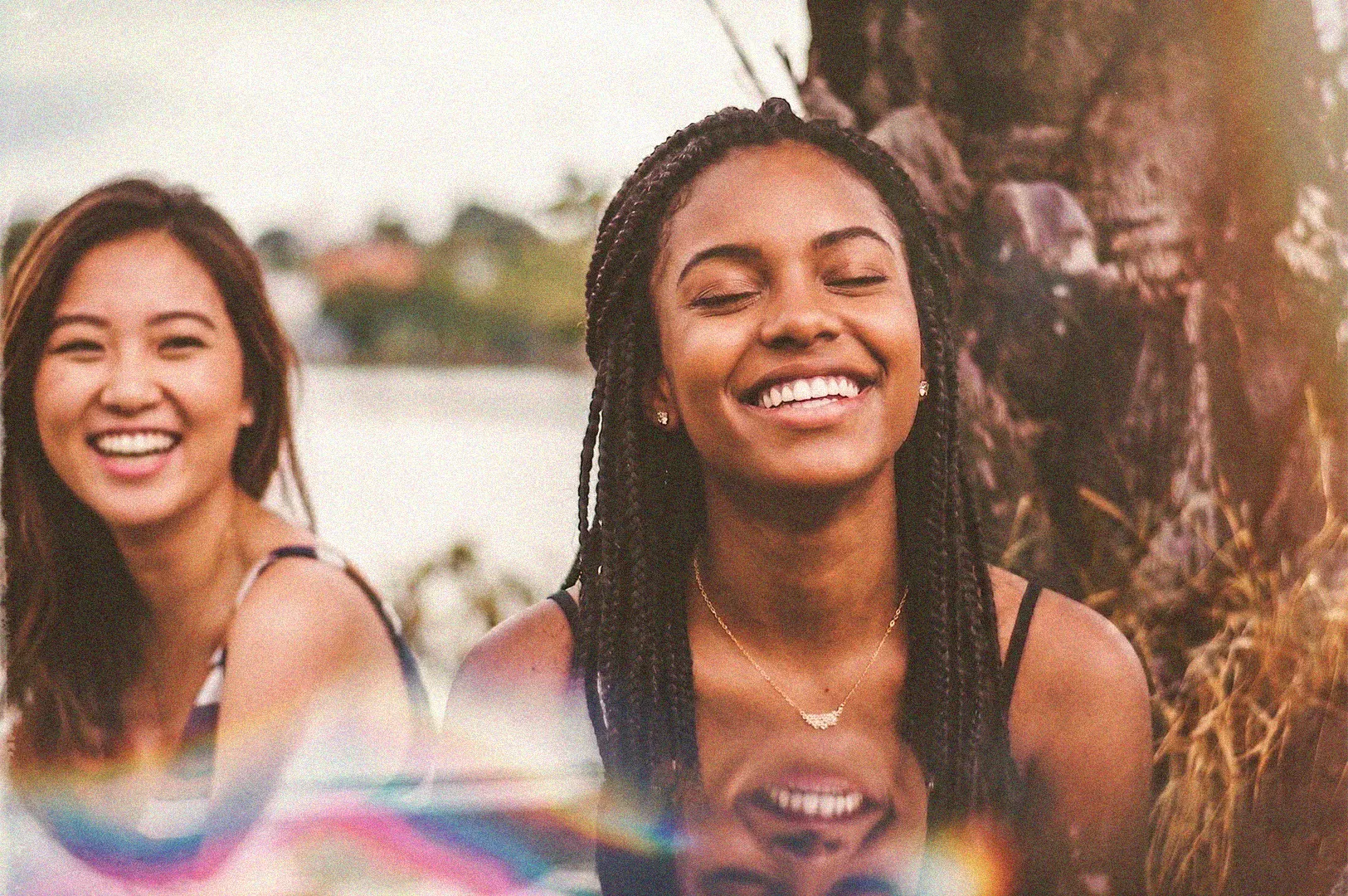
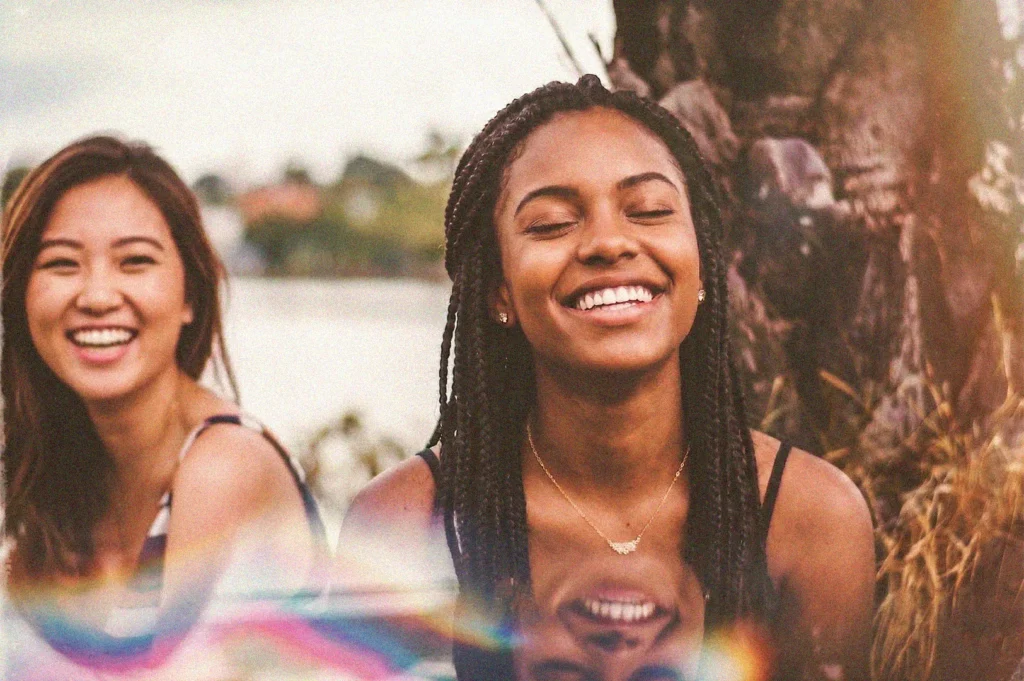
When a group of friends bursts into a shared joke, we press the shutter. We capture the wide open mouths, the thrown-back heads, and the eyes squeezed tightly shut. These loud, explosive frames hold a lot of energy.
But they often miss the deeper story. There is a second, far more delicate, liminal moment that follows. It is the deep exhale. It is the space right after the sound leaves the room. This is the aftermath of laughter.
The Physical Imprint of Joy
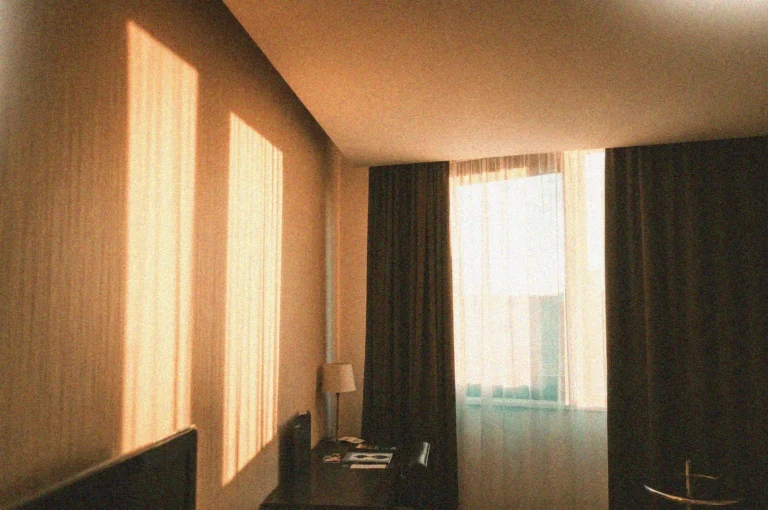
When a heavy laugh finally subsides, it leaves a physical mark on the body. Look closely at a face in this quiet window. The breathing slows down, pulling the shoulders back into a gentle slump. The skin often holds a fresh, flushed warmth. You might see a stray tear trapped in the corner of an eye, catching the light from a nearby window. The muscles around the mouth remain loose and soft, tired from the sudden work of smiling so hard.
This physical residue is stunning to witness. The person looks slightly worn out, but in the best possible way. The tension they carry in their jaw or forehead simply melts. When you photograph this specific physical state, you capture a body that just survived a beautiful storm. The sharp energy is gone, but a glowing warmth stays behind. The room itself feels different. The air feels lighter, cleared by the sudden burst of shared noise.
A Window of Deep Vulnerability

Laughter is a highly social act. We share it with others to build bonds and show agreement. But when the noise stops, the shared experience fractures back into individual pieces. People slowly return to themselves. They pull their energy inward and look away from the group.
During this brief transition, their guard drops completely. They are entirely open. The social mask they wear for the rest of the world has slipped off, and they have not yet had the time to put it back on. Photographing this micro-transition reveals a deep, grounded truth.
In a similar way, the second before recognition can reveal an equally unguarded human face, caught just before emotion reshapes it into something more familiar. You see the person exactly as they are. The lingering trace of joy mixes with their natural, resting mood. The result is a portrait that feels incredibly intimate, as if you have been granted access to a secret room in their mind.
The Silent Camera
To capture the aftermath, you have to fight your own instincts. Most photographers naturally lower their cameras when the noise stops. They assume the magic has passed and the frame is dead. To catch the fade, you must keep the lens raised.
Watch the eyes of your subject. Wait for the exact second the chest falls with a heavy, satisfying sigh. The best light often seems to hit the face right as the sharp smile softens into a calm, distant gaze.
Keep your movements slow and deliberate. Use a silent shutter if you can. You do not want a loud mechanical click to break the fragile spell. Your job is to stand at the edge of their experience and let them drift back to reality undisturbed.
For a deeper reflection on how stillness can hold an entire emotional world, you can read here.
The Melancholy of the Exhale

There is a quiet philosophy hidden in the end of a laugh. Every exhale carries a tiny bit of sadness, because it means the peak of the joy is slipping away. The ecstatic moment is dying. It is crossing the bridge from the present into a memory.
But this quiet sadness is incredibly beautiful. It proves that the joy was real and heavy. When we photograph the aftermath, we are acknowledging how fast time moves. We are holding onto the heat of a fire just after the last flame goes out.
We record the transition between what was and what comes next.
The next time you find yourself photographing a group of people having a good time, do not stop when the room goes quiet. Wait for the breath. Wait for the soft eyes. Embrace the silence that follows the storm, and capture the beautiful, fading echoes of their joy.