Weather-Worn Facades: Buildings as Meteorological Diaries
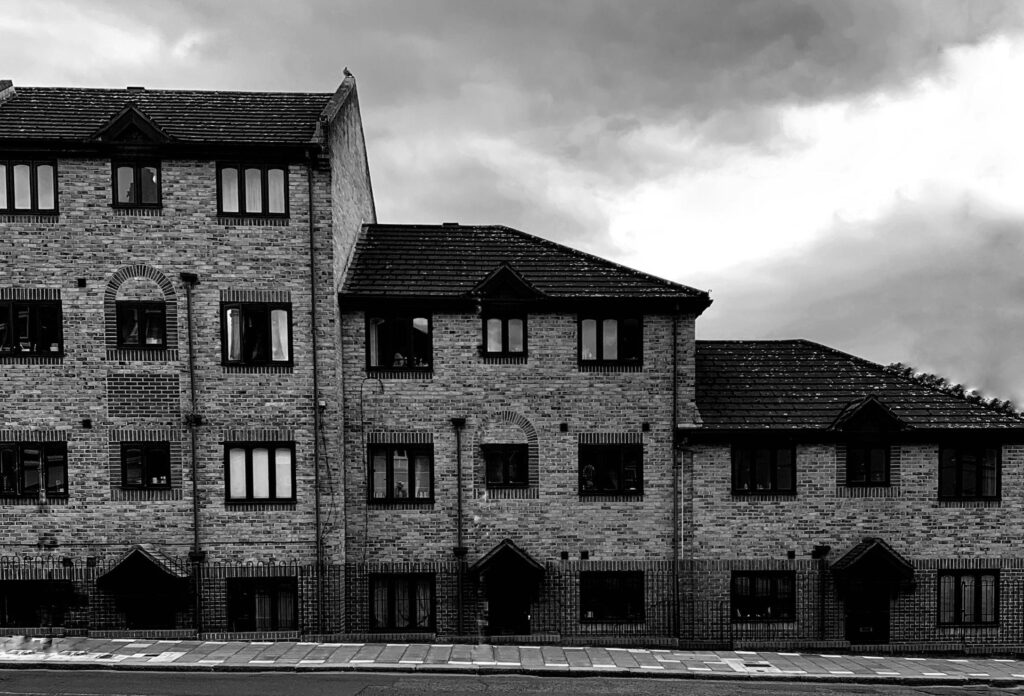
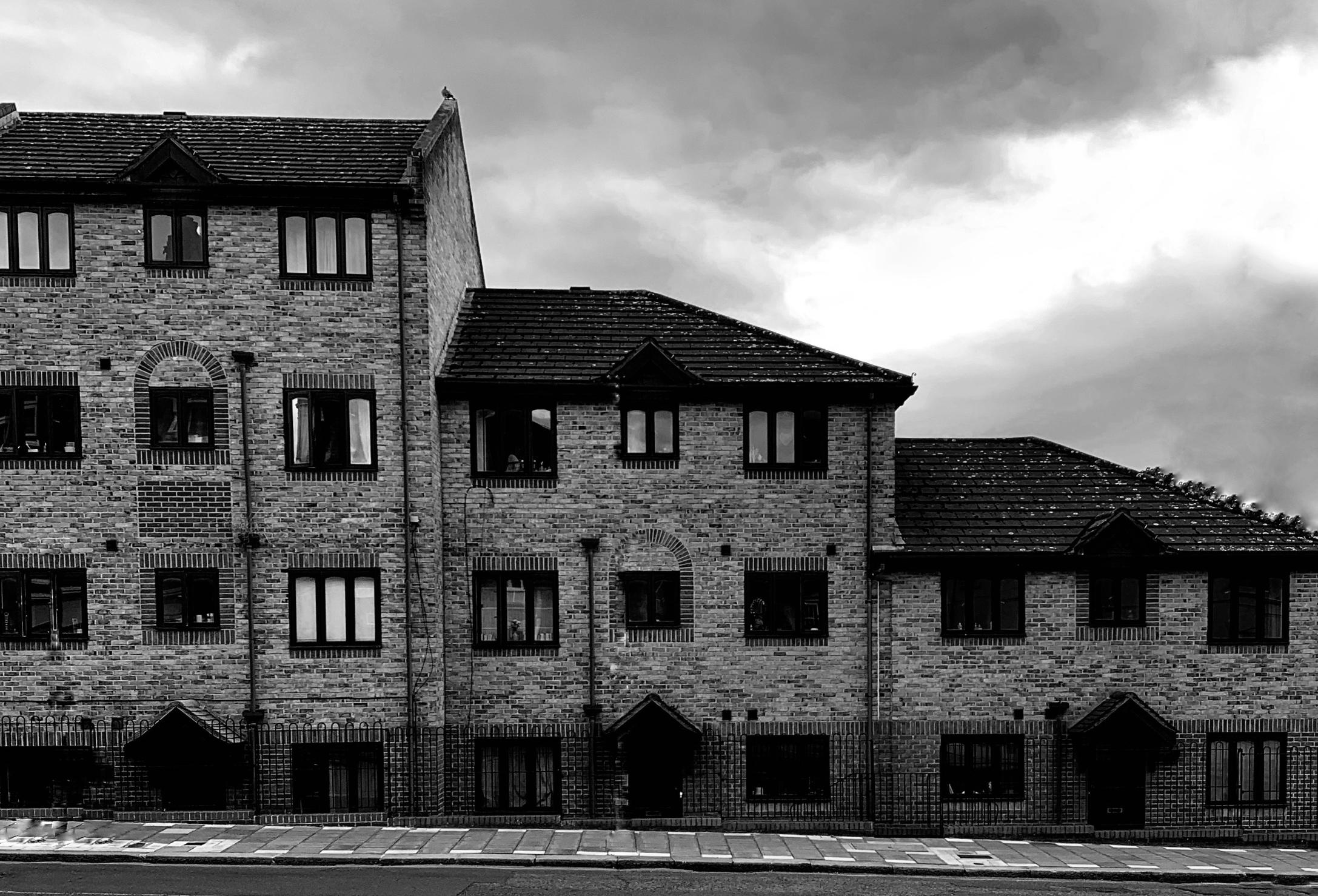
Every city is an archive, but its truest histories are not kept in paper files. They are written directly onto the walls. We walk past them daily, these towering monuments of brick, stone, and steel, expecting them to remain static. Yet, to look closely through a camera lens is to witness a silent, ongoing conversation between human engineering and the relentless patience of the earth. This photographic journey explores how structures become inadvertent records of time, capturing the slow, deliberate caress of wind and rain over decades.
Read more about this exploration in Concrete Dreams here.
A Canvas of Wind and Rain
To photograph a weathering facade is to document the passage of time itself. Materials do not merely degrade; they respond. They yield to the environment in ways that are deeply intimate and specific to their geography. Through the lens, we begin to notice the flaking layers of sea-salt peeling from the painted brick, a testament to a thousand coastal mornings. We can almost feel the heavy, oppressive humidity settled into the plaster of a southern home. It is an exercise in mindful observation, echoing the quiet contemplation found in the architectural studies preserved at The Museum of Modern Art.
The Slow Rust of Iron
Consider the metalwork that binds our cities together. Iron and copper do not age quietly. When exposed to the elements, a once-pristine beam develops a rich, textured patina. The camera isolates the sharp, metallic tang of oxidized copper, while also catching the vivid, creeping verdigris blooming across the metal. This oxidation is not a failure of the material, but a beautiful, inevitable surrender to the damp air.
Wood as a Witness to the Sun
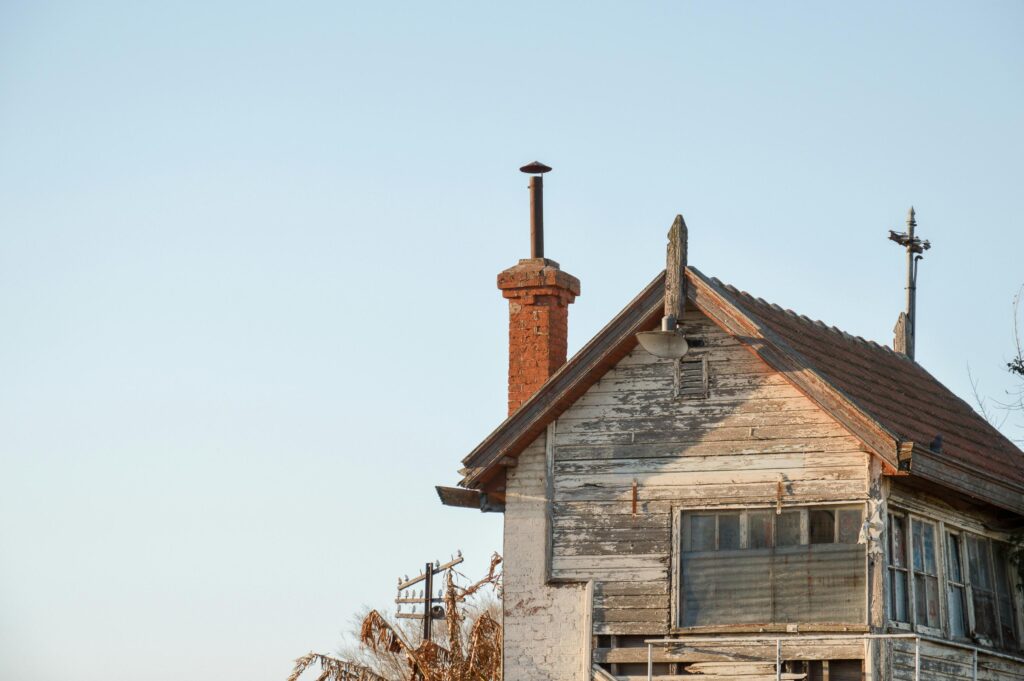
Timber carries the memory of the forest into the urban landscape, and it never stops reacting to the light. On the sunward side of an old residential home, the wood dries, cracks, and silvers. Running a hand over the rough, sun-bleached timber splintering under the fingertips connects us instantly to a century of unblinking summers. To photograph this texture is to honor the deep, exhausted sigh of a structure enduring the heat, accompanied only by the dry, hollow sound of peeling bark.
The Softening of Stone
Stone, seemingly invincible, also possesses a quiet vulnerability. Acid rain and freezing temperatures work in tandem to carve new topographies into marble and limestone. The cool, damp moss clinging to the northern shadows of a granite block softens the sharp angles carved by the mason. We notice the soft, velvety green growth flourishing in the chill, reminding us of the fragility of our grandest ambitions—a philosophical thread often unspooled in the essays on time and decay at Aeon.
The Geography of Decay
Every stain and crack is a geographic coordinate. The weather does not strike uniformly. It favors corners, exploits weak mortar, and follows the path of least resistance. By focusing our lenses on these microscopic landscapes, we document the invisible forces that shape our world. We see the slow, creeping stain of rainwater down a concrete cheek, tracing a path established by a forgotten storm. We witness the bitter, biting sting of winter winds etched into the glass of an abandoned storefront.
Reading the Watermarks
Water is the most patient author of all. It leaves its signature in the form of efflorescence—the chalky, white bloom of minerals weeping from the masonry. It paints the lower halves of buildings with a dark, heavy dampness that smells of wet earth and forgotten cellars, often accompanied by the musty, suffocating scent of trapped moisture. Organizations like the Aperture Foundation have long championed photography that reads these subtle environmental texts, treating watermarks as visual tide lines.
Embracing the Impermanent Form
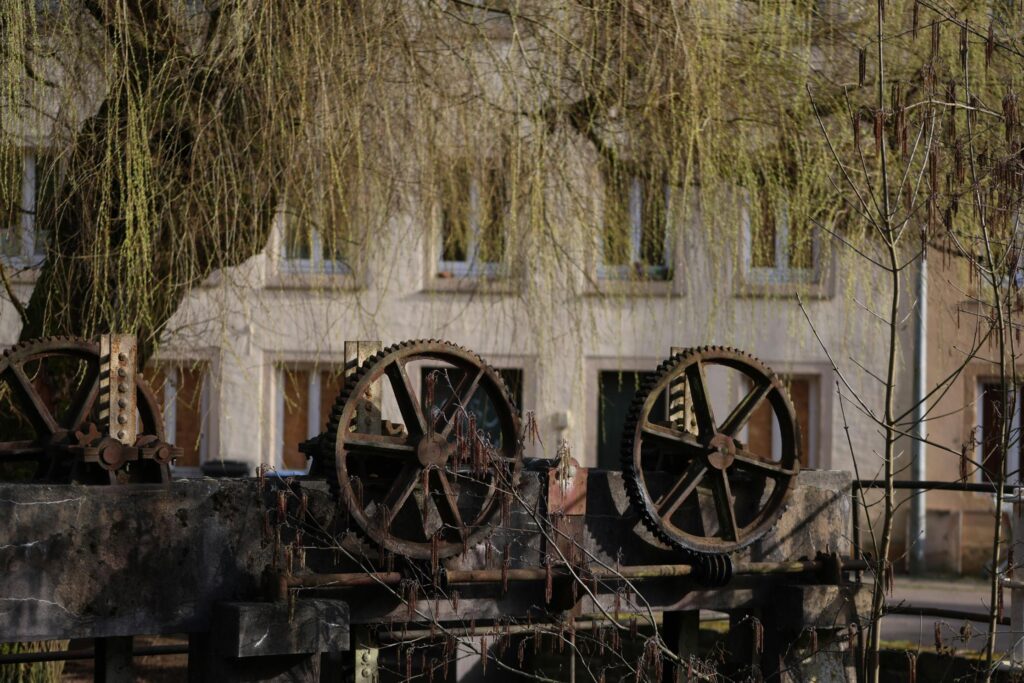
Ultimately, photographing weather-worn facades is an act of letting go. It is an acknowledgment that perfection is a fleeting, unnatural state. The cracked, blistered paint curling away from the window frame is not a sign of neglect, but a badge of survival.
By slowing down to witness these changes, especially when the warm, golden hour sunlight catches the dust in the air, we align ourselves with a broader rhythm. We learn to see the quiet, dignified beauty of a building surrendering to the earth. It teaches us that our structures, like ourselves, are only temporary inhabitants of this landscape, shaped and softened by the very air we breathe.
For a deeper reflection on impermanence and beauty, explore how cloud movements are captured in harmony with time here.