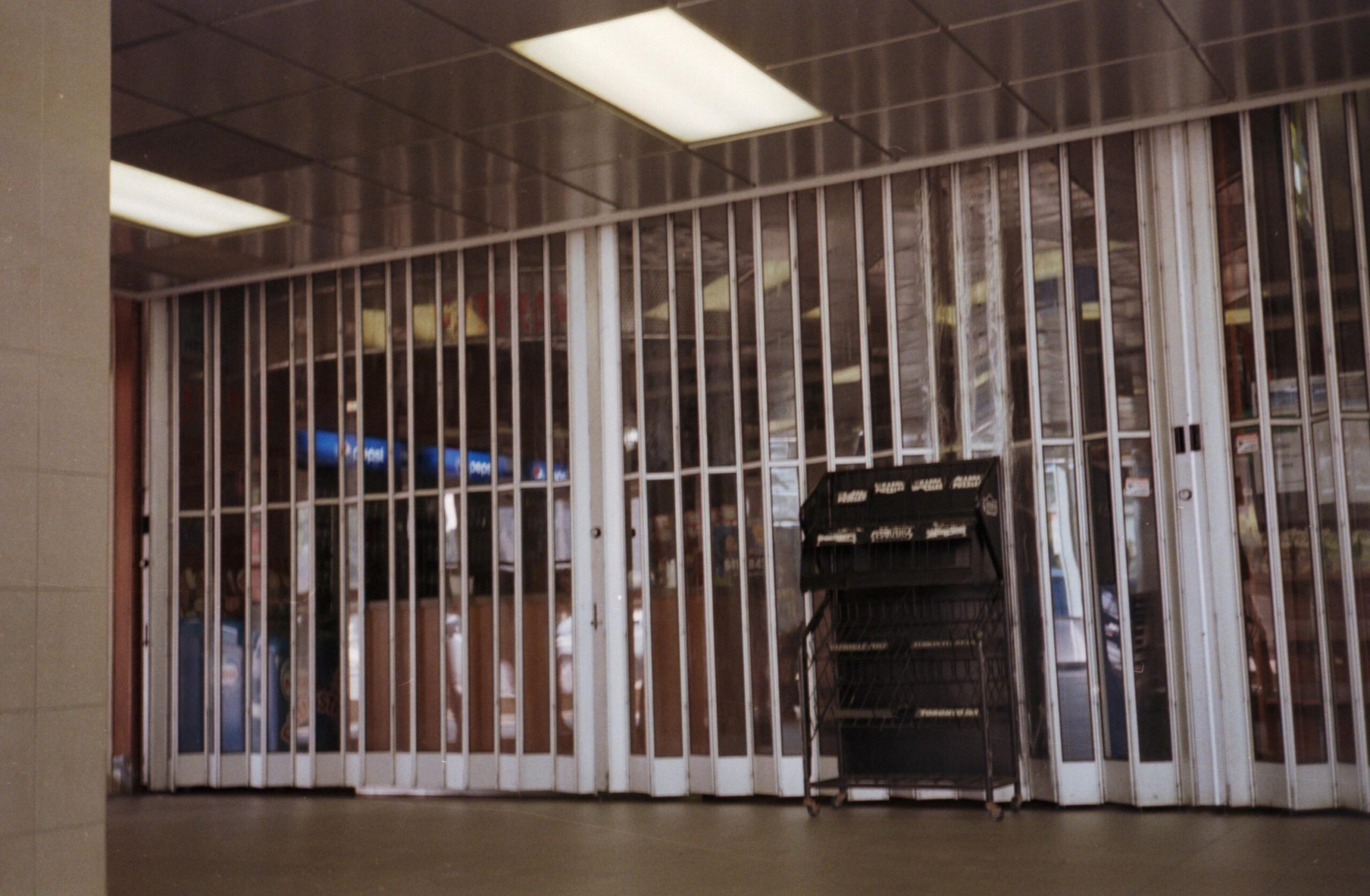
The Last Customer: Witnessing the Architecture of Exhalation
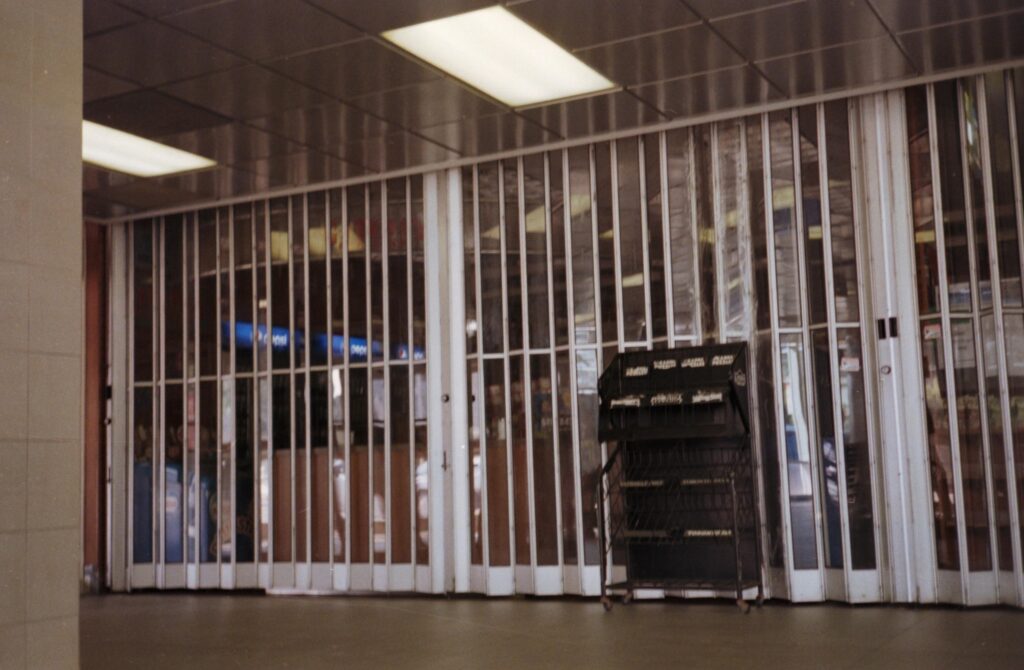
There is a profound shift in the atmosphere of a small shop just before the door locks. Throughout the day, a business is a public vessel, shaped by the endless tide of human commerce. But in its final minutes, the energy inevitably settles. To point a camera at this transition is to capture the soft, golden light of late afternoon giving way to a deliberate stillness. This photo essay explores that fragile window of time. It is a visual meditation on the moment a proprietor prepares to return the space to themselves, and how we, as photographers, can document the quiet beauty of this daily ending.
The Rhythms of Conclusion
Every small business possesses its own choreography of closing. You can feel it before you see it. The manic tempo of midday transactions slows to a gentle pause. The heavy, lingering scent of roasted coffee beans or the warm, worn wood of the transaction counter suddenly becomes more pronounced when the human noise fades. Photographing this space requires a matching internal rhythm. You must breathe with the room, waiting for the faint, lingering echo of a dozen overlapping conversations to finally dissipate into the walls.
The Sweeping of the Floor
No action embodies the closing hour quite like the sweeping of the floor. It is a meditative, repetitive task that serves as a physical boundary between labor and rest. The rhythmic, scraping sound of a straw broom against the floorboards is a universal signal of transition. Capturing the proprietor in this moment reveals a deep, unspoken intimacy with their environment. The work of artists featured at the Aperture Foundation often highlights how these mundane rituals anchor us to the physical world, turning routine maintenance into an act of quiet reverence.
The Final Transaction
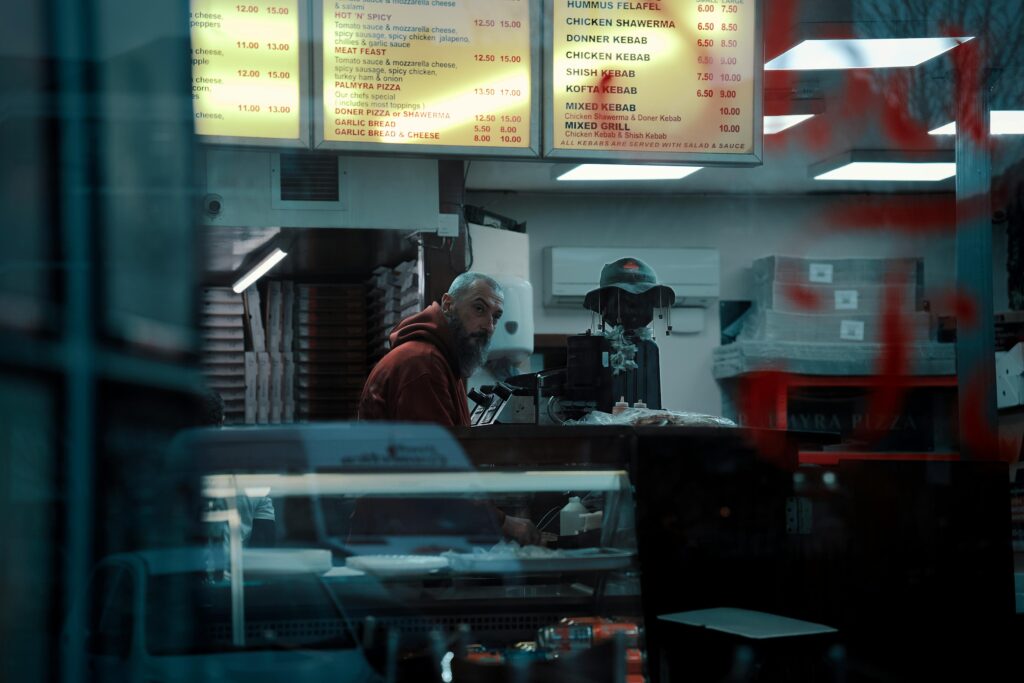
Then, the last customer arrives. They are often unaware of the sacred transition they are interrupting. They step through the threshold, bringing a rush of the cool, damp night air creeping through the doorway. As a photographer, this interaction is a study in contrasts. The customer represents the external world’s final intrusion, while the shopkeeper stands as the guardian of the impending peace.
The Weight of the Exchange
Watch the hands during this final exchange. They tell the entire story. There is a specific lethargy in the passing of a coin or the folding of a receipt. The sharp, crisp snap of the cash register drawer closing for the last time carries a striking finality. It is the punctuation mark at the end of a long sentence. This fleeting interaction highlights the fragile, temporary boundary between the public and the private, a recurring theme in the solitary figures painted by Edward Hopper, whose masterpieces are preserved by institutions like The Metropolitan Museum of Art.
The Dimming of the Light
Once the final patron departs, the visual transformation truly begins. The harsh, overhead bulbs are extinguished one by one, replaced by the low, comforting hum of the display refrigerator shutting down. The space shrinks, becoming incredibly intimate. The warm, amber glow spilling onto the darkened sidewalk serves as a beacon of what was, even as the interior prepares for sleep.
Shadows Claiming the Space
Photography is the study of light, but here, it becomes the study of encroaching darkness. As the flickering, neon glow of the open sign buzzing softly is finally switched off, shadows stretch across the aisles. The camera must adapt, opening its aperture wide to absorb whatever illumination remains. The resulting images are grainy and soft, perfectly mirroring the exhausted, satisfied slump of a proprietor’s shoulders. This slow decay of light forces us to reflect on the nature of time itself, an existential concept deeply explored in the contemplative essays published by Aeon.
The Beauty of the Cyclical End
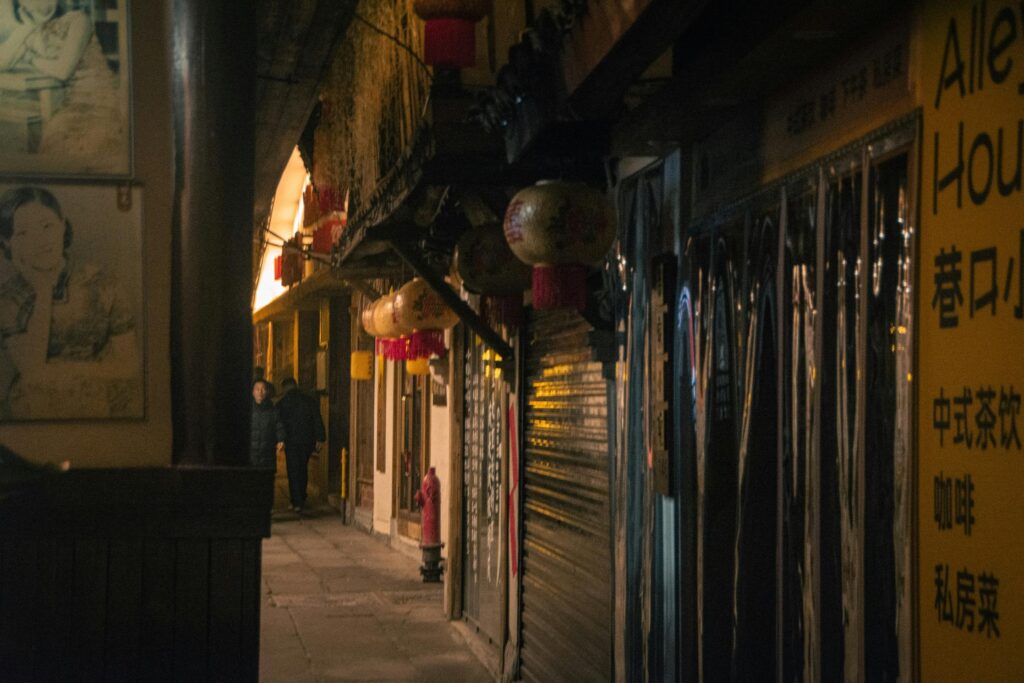
The closing of a shop is a small, daily death and a promise of resurrection. The gentle, measured folding of a cloth apron and the quiet, metallic clink of a key turning in the lock are not gestures of finality, but of necessary pause. The sudden, heavy silence that fills the emptied room is a canvas waiting for tomorrow.
To photograph the last customer and the closing hour is to witness a profound vulnerability. It demands patience and a willingness to embrace the smooth, cool touch of glass being wiped clean for the final time. We point our lenses not just at the people, but at the exhale of the building itself, capturing the profound peace that only arrives when the work is finally done.
For more reflections on capturing moments steeped in memory, visit Photographing From Memory.