Sacred Waters: Listening at the Edge of Healing Springs
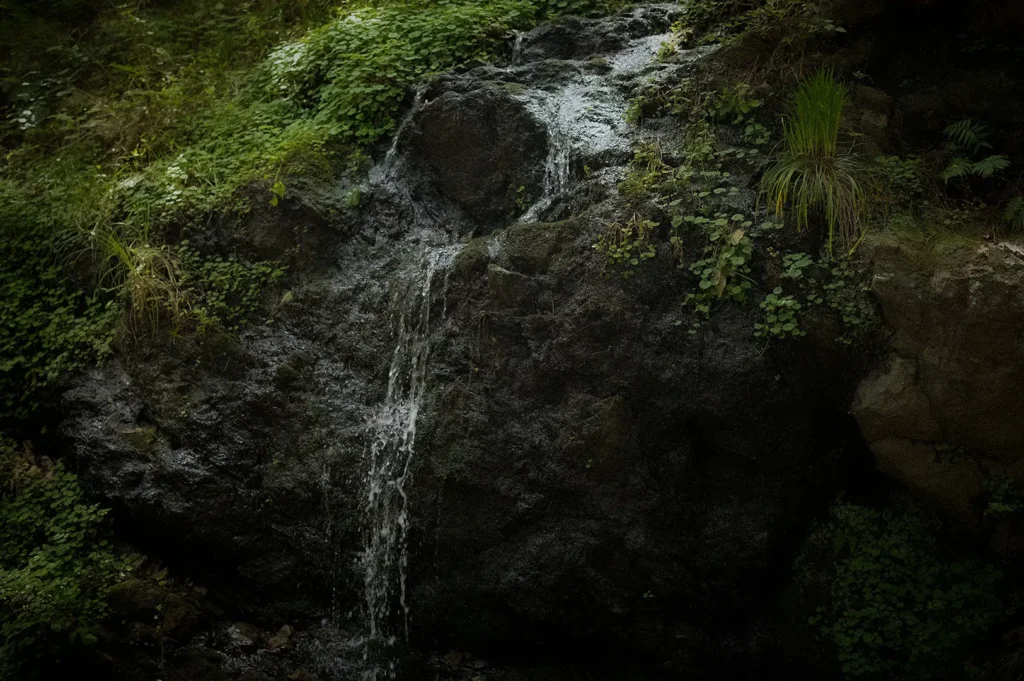
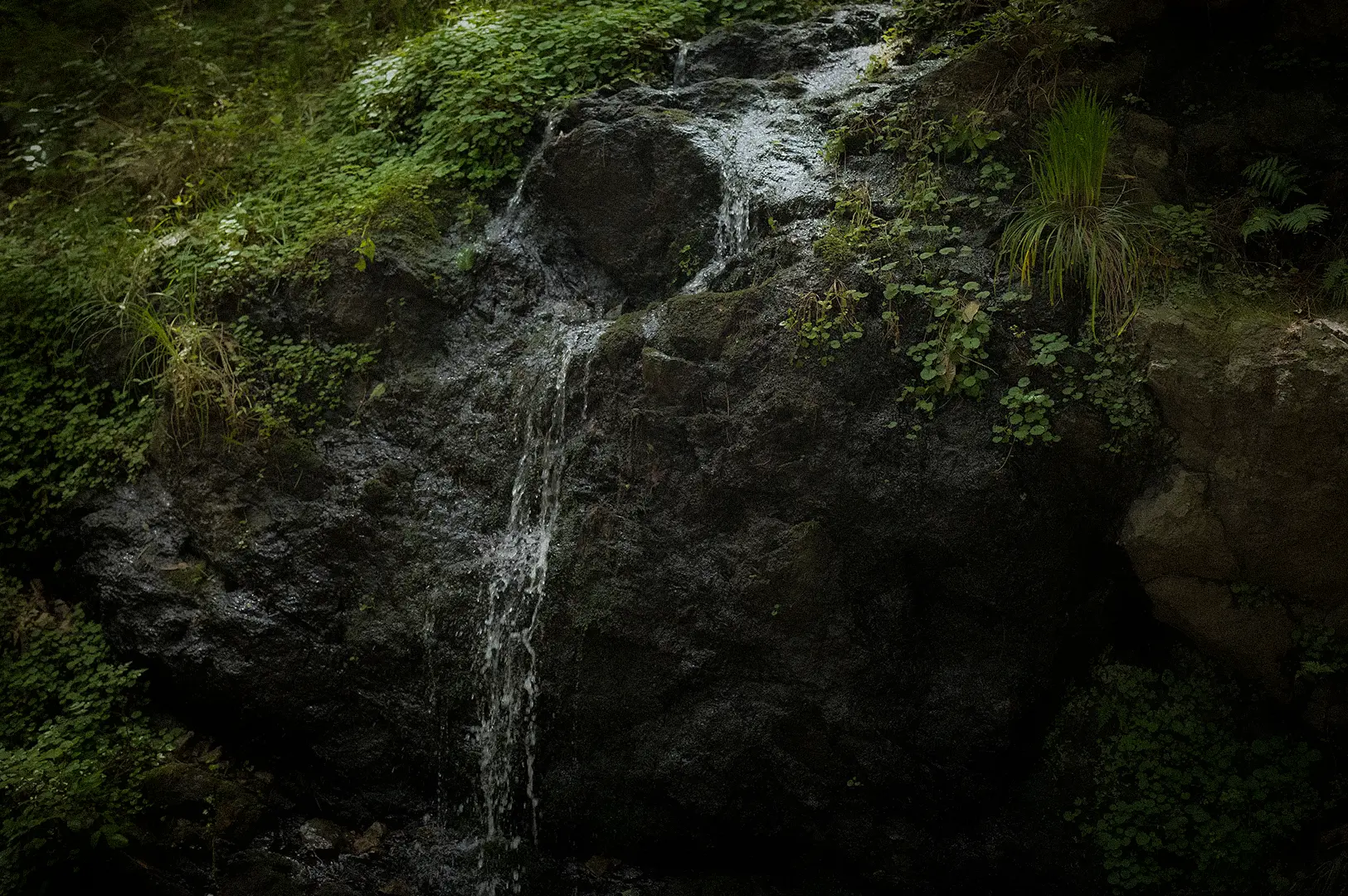
The water arrives before you see it. A faint coolness in the air, a softening of sound, then the sudden glint of light moving where it should not. I have learned to follow these signs to the places people call holy. A spring rising from the dark, as if the earth were quietly breathing.
For another meditation on water’s quiet testimony, see River Memories: Waterways as Temporal Witnesses.
I came to photograph water. I stayed to photograph belonging.
Where the Earth Offers Something Pure
A natural spring is a gift no one designed. It simply appears, surfacing from somewhere unseen, carrying a clarity that feels almost impossible in our clouded world.
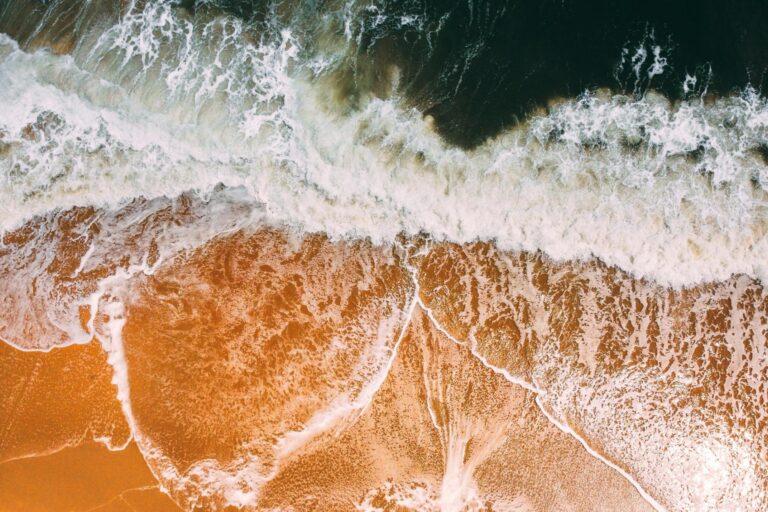
Stand beside one long enough and the language fails. Water so clear it seems to hold the sky inside it. Stones shimmer beneath the surface, magnified and trembling. The temperature surprises the hand. The taste, when offered, is cold and faintly mineral, like drinking from the memory of rain.
To photograph this purity is to chase something that resists the lens. How do you frame stillness that is also movement? How do you hold what was never meant to be held?
The People Who Keep the Water
Every sacred spring I have visited has its keepers. Sometimes a family across generations. Sometimes an entire village. They arrive at dawn with vessels and quiet intentions.
I watch from a respectful distance. An old woman’s hands cupping the water like a prayer she has whispered for decades. A child learning the ritual by imitation, unsure yet eager. The keepers rarely explain. They simply tend, as if the water has tended them in return.
The thoughtful conversations hosted by Aperture remind me that the deepest images often arise from this patience, this willingness to wait until trust opens a door.
The Ethics of Sacred Ground
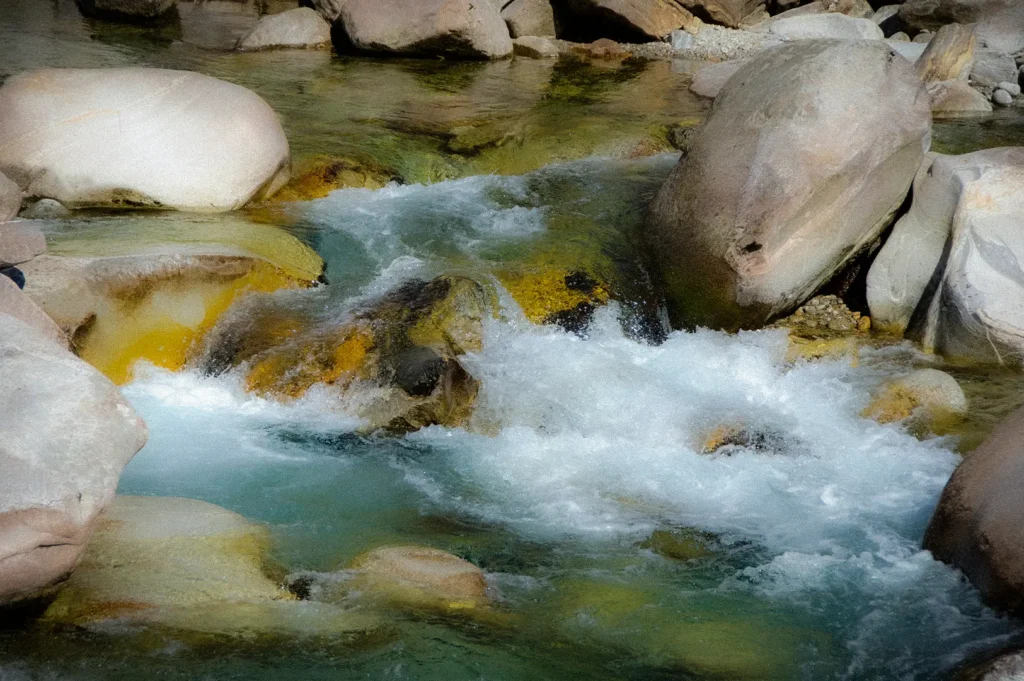
To photograph the sacred is to carry a heavy responsibility. I ask before I lift the camera. I lower it when a gesture feels too private to hold. A moment of devotion is not mine to take, only to receive.
The photographers gathered at the International Center of Photography understand that respect shapes the frame long before the shutter does. The best pictures here are given, never seized.
Water as Memory and Medicine
People come to these springs carrying more than empty jars. They come with grief, with illness, with hope they cannot speak aloud.
The water becomes both medicine and metaphor. A wound carried to the spring in silence, then released into the current. Whether the healing is of the body or the spirit, I cannot say. Perhaps the distinction matters less than we think.
Photographing the Invisible
How do you photograph faith? You cannot. You can only photograph its evidence.
So I look for the residue of belief. Coins resting on the streambed like small drowned wishes. Ribbons tied to a low branch. The worn stone where countless feet have knelt. Long exposures soften the water into mist, letting time itself enter the frame. The current blurs into something closer to feeling than fact.
The work archived at the J. Paul Getty Museum confirms a quiet truth: the unseen often lingers longest at the edges of an image.
The Landscape That Holds It All
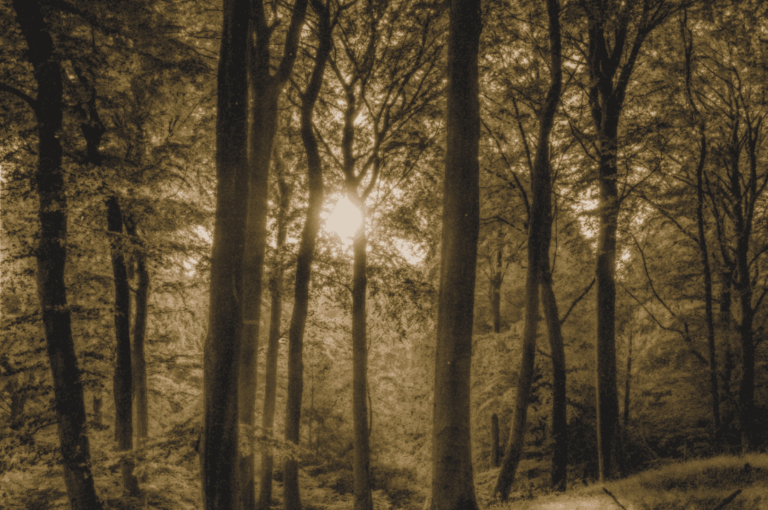
A spring is never alone. It belongs to the trees that shade it, the moss that lines its banks, the hills that gather rain and return it slowly.
I step back and let the wider land into the picture. A thread of silver winding through green, feeding everything it touches. The community and the landscape are not separate. They are one breathing body, water and people and stone bound by a single, ancient agreement.
What the Springs Ask of Us
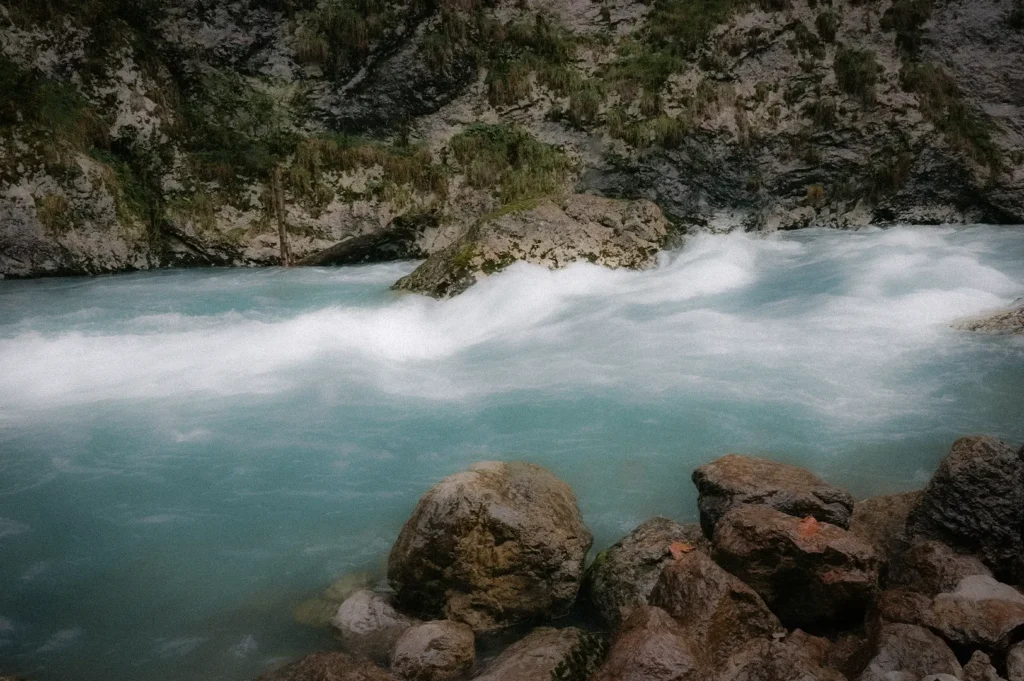
Why do we still gather around water in a world of taps and bottles? Perhaps because the spring reminds us that some things cannot be manufactured.
So if you find a sacred water, approach it slowly. Listen before you look. Let the keepers teach you their patience. And remember that to photograph the holy is, first, to be humbled by it.