
Emotional Weather: Photographing Through Atmospheric Conditions
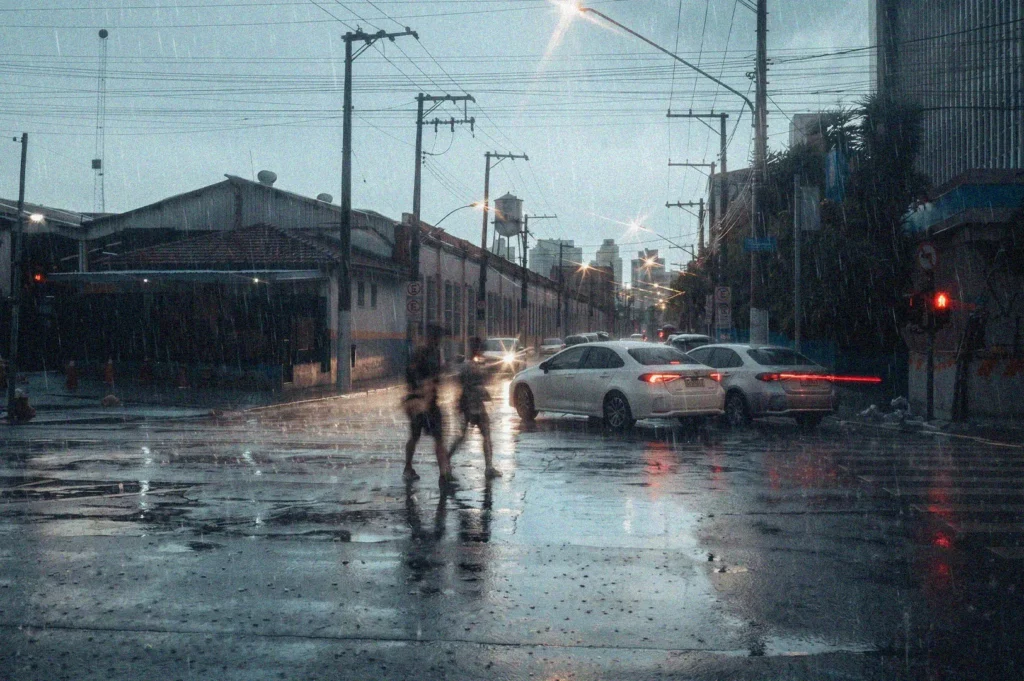
Weather is often treated as a technical problem: low light, wet gear, washed-out contrast, and harsh shadows. But as you deepen your practice, you realize that “bad weather” is simply weather that refuses to perform to expectations. That refusal is exactly where the art begins.
Atmosphere does not merely decorate a scene; it rewrites it.
Fog removes certainty, rain adds a percussive rhythm, and snow makes silence visible. When you stop fighting the elements and start listening to them, your photographs shift from showing what a place looks like to expressing how it feels to stand there.
The Solitude of the Fog
Fog acts as a natural editor. It swallows distant mountains, softens hard city edges, and removes the distracting clutter of the background. What remains is a world stripped down to its intimate core. This heavy, damp veil creates a profound sense of isolation and quiet mystery.
When you stand in a thick mist, your relationship with the subject becomes solitary. To capture this delicate mood, you must guide your camera deliberately. Fog easily tricks a light meter into underexposing the frame, turning bright mist into a muddy gray. Increase your exposure compensation by a stop or two to maintain that luminous, ethereal white. Look for dark, strong elements—like a lone tree or a distant figure—to serve as an anchor in the emptiness.
The Rhythmic Melancholy of Rain
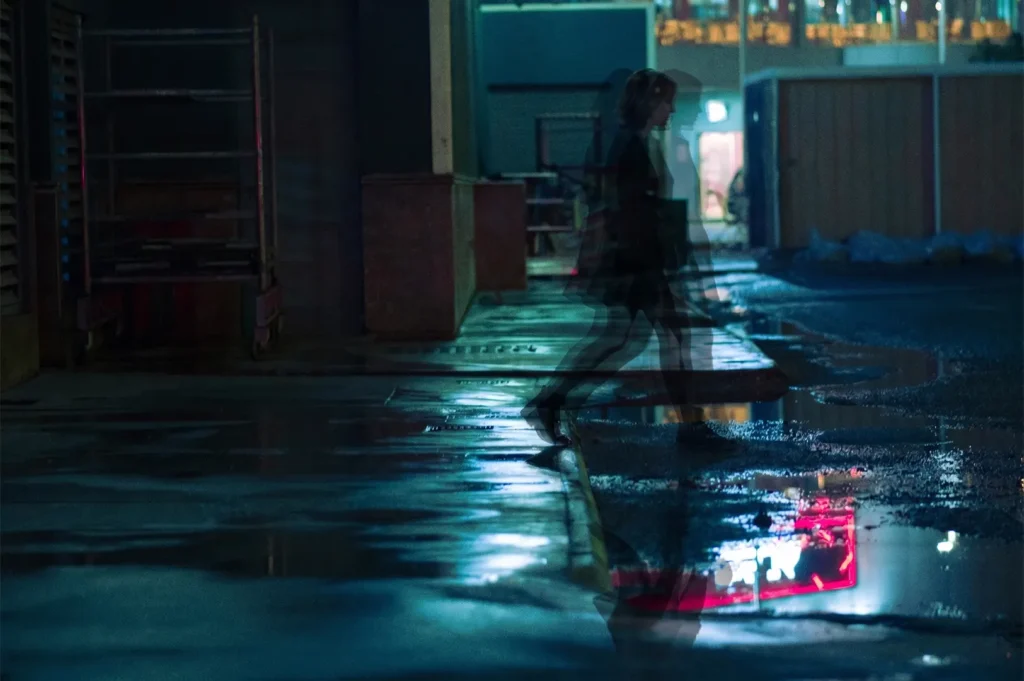
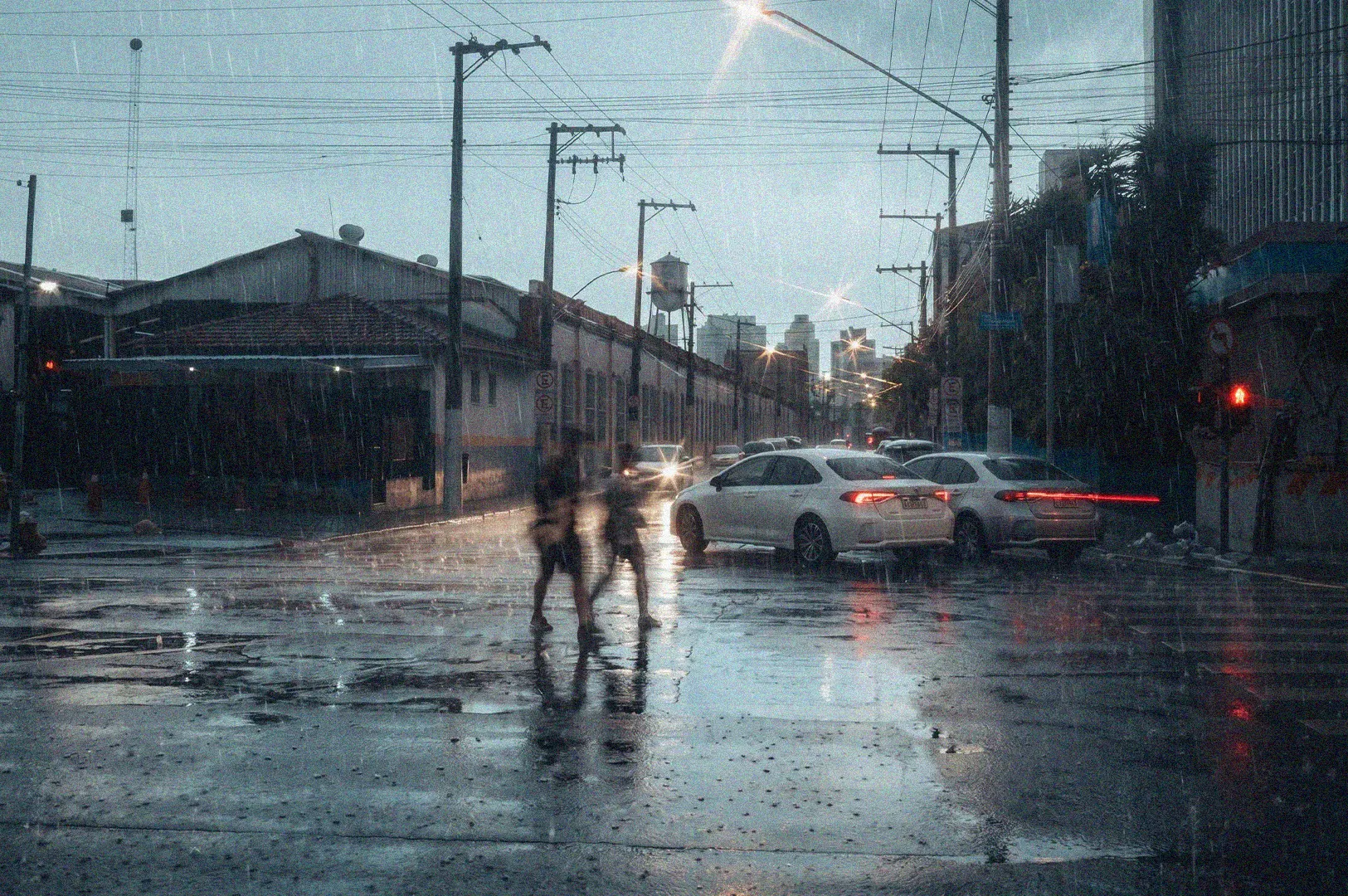
Rain changes the physical texture of the world. It washes away the dust and paints streets with a dark, reflective gloss. There is a specific, rhythmic melancholy to a rainy afternoon that invites you to turn inward. The sound of water striking the pavement creates a tempo for your thoughts, bringing a sense of cleansing reflection to your photographs.
Photographing in the rain requires a balance between protecting your gear and embracing the elements. To freeze the chaotic dance of falling drops, use a fast shutter speed and a wide aperture. If you want to convey the heavy flow of a downpour, slow your shutter down slightly to turn the rain into soft streaks. Seek out luminous reflections in fresh puddles to find a distorted mirror of a weeping world.
The Stark Silence of Snow
Snow transforms complex scenes into minimalist sketches composed entirely of light and shadow. It pauses time, asking you to observe the simple geometries of nature, much like the contemplative stillness found when photographing places of personal recovery.
Like fog, snow demands deliberate exposure adjustments. Your camera will try to darken the bright landscape, so you must intentionally overexpose your shots to capture the crisp brightness of the frost. Keep your [ISO] low to preserve the fine details of the ice. Focus on the sharp contrast between the bright ground and the dark, skeletal branches of sleeping trees to build a visual narrative of endurance.
The Volatile Energy of Storms
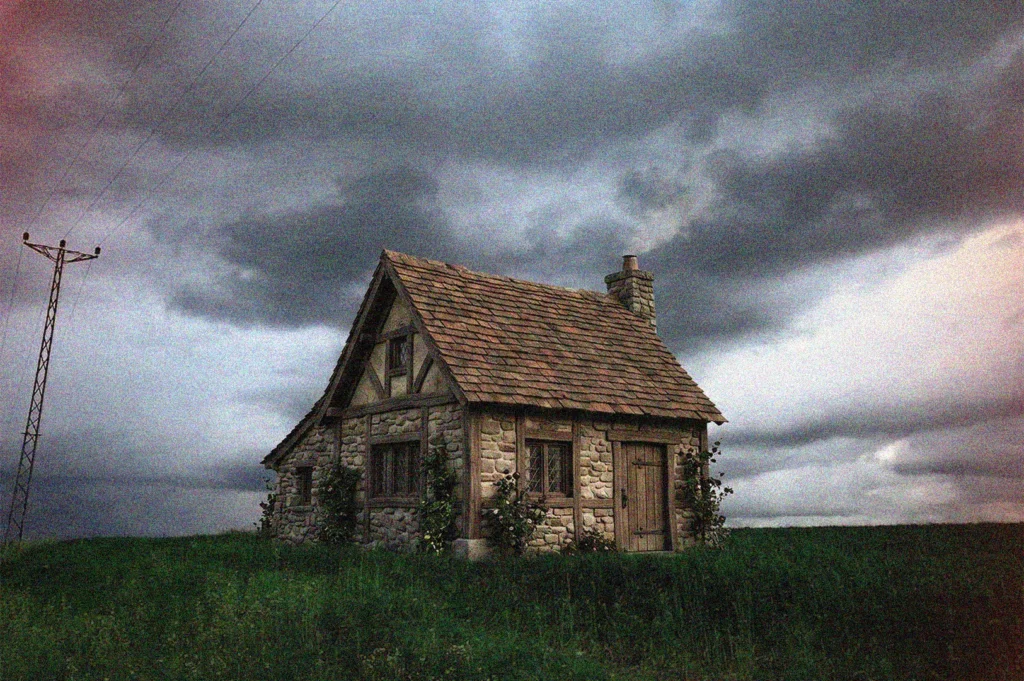
Storms carry a heavy, electric tension. Before the sky breaks, the air feels thick and expectant. Photographing storms allows you to document raw, untamed power and the chaotic beauty of atmospheric transformation. This weather brings a sense of vulnerability to both the photographer and the subject.
To capture the vast, bruised clouds of an approaching storm, use a wide-angle lens and a narrow aperture like f/8 or f/11. Ground your composition with a solid, unmoving foreground element. This physical anchor highlights the swirling energy above it, emphasizing the fragile nature of human structures against the vastness of the sky.
Harsh Sunlight: Embracing the Brutality
The brutality of harsh sunlight offers a unique opportunity because it is the most honest, unforgiving light available. Since it does not apologize, this light creates graphic shadows and hard edges that turn everyday scenes into visual arguments.
You can work with this intensity by composing for shadow shapes first and letting the subject enter the geometry. Embrace the high contrast instead of trying to flatten it out of fear. Use frames within frames, like doorways or awnings, to control the overall impact.
Let the Weather Lead the Image
Every shift in the weather offers a new vocabulary for your camera. Rain teaches you about reflection, snow shows you the beauty of silence, and fog invites you into the unknown.
When you step out into the elements, take a slow breath. Feel the air’s temperature, listen to the wind, and let the emotional weather guide your lens. Try stepping out during the next storm or foggy morning without a specific subject in mind. Your photographs will no longer just document a place; they will capture the exact feeling of being alive in that fleeting, atmospheric moment.