Healing Landscapes: Photographing Places of Personal Recovery
A landscape is more than just a physical place; it can be a silent partner in our moments of greatest need. For many, a specific corner of the natural world—a quiet forest, a windswept coastline, a secluded patch of city park—becomes an anchor during profound life challenges. This photographic essay, “Healing Landscapes,” ventures into these sacred spaces. Through conversations and portraits, it seeks to capture not just the physical beauty of these locations, but also the invisible emotional geography they hold for the people who found solace and recovery within them.
A Geography of the Heart
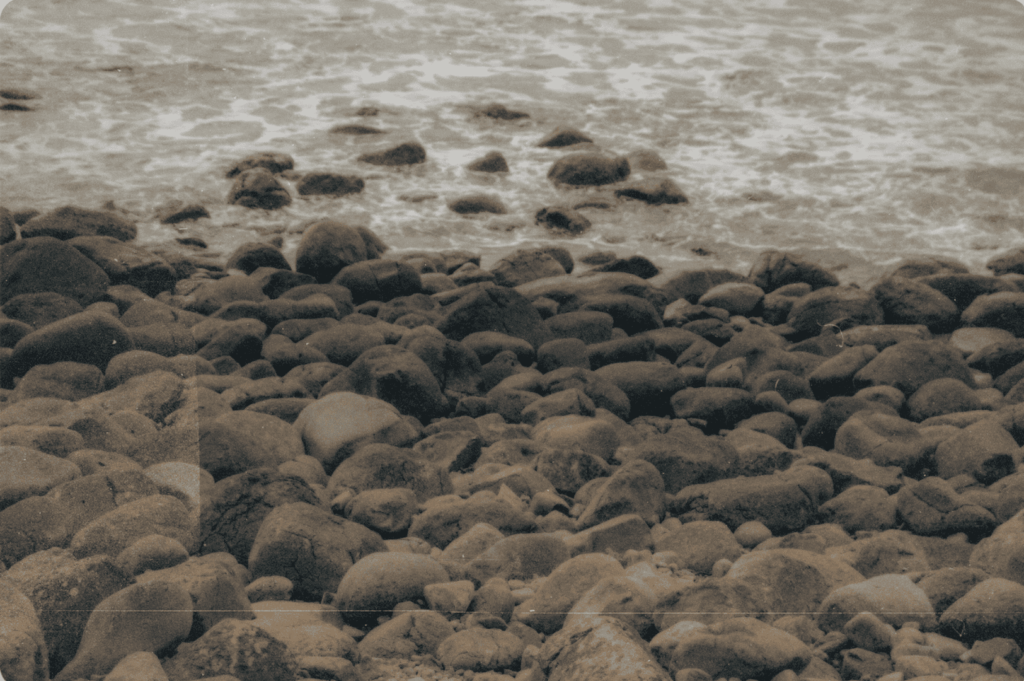
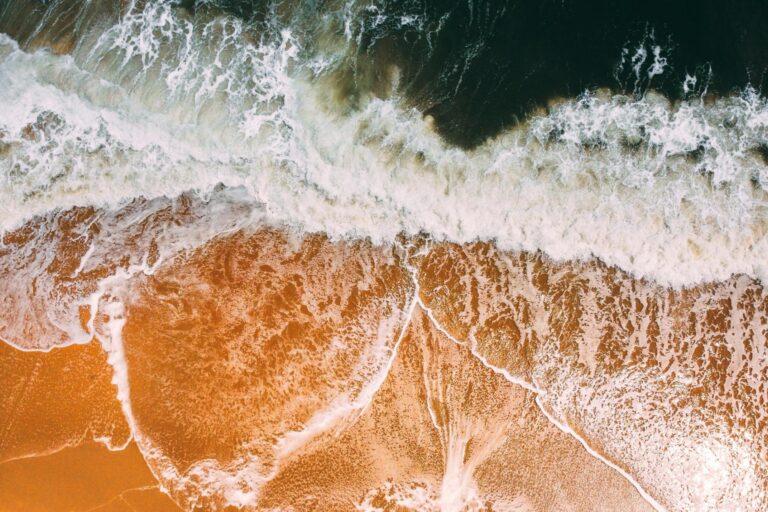
Photographing a person in their place of healing is a delicate act. It is a collaboration, a process of listening not just to their story, but to the story of the land itself. I met a man named David at a small, rocky beach he returned to daily during his recovery from a deep loss. He didn’t come here to think, he said, but to feel. To feel the relentless, cleansing rhythm of the waves and the solidness of the ancient stones beneath his feet. My goal was not to photograph his grief, but to capture the quiet strength he drew from this place—the way the vastness of the ocean seemed to hold and accept the vastness of his sorrow.
The Landscape as a Mirror
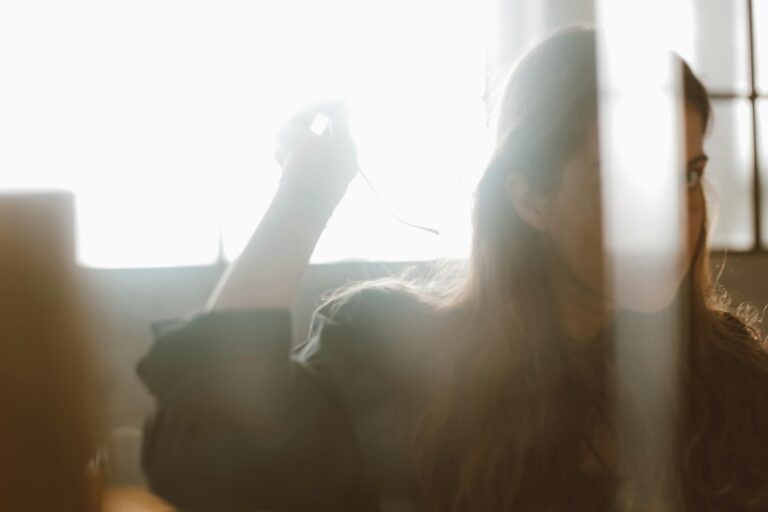
For each person, the landscape acted as a mirror, reflecting a needed aspect of their own healing journey. For Maria, who was navigating a difficult career transition, it was a sprawling, ancient oak tree. She spoke of its deep, gnarled roots as a symbol of resilience, its branches reaching for the sky as a reminder of growth. The photograph of her leaning against its massive trunk is not just a portrait of a woman and a tree; it is a portrait of her finding her own grounding, her own capacity to endure and reach. This powerful connection between humanity and the natural world is a recurring theme in art, from Romantic painting to contemporary installations, often explored by institutions like the Nevada Museum of Art’s Center for Art + Environment.
Listening to the Language of Place
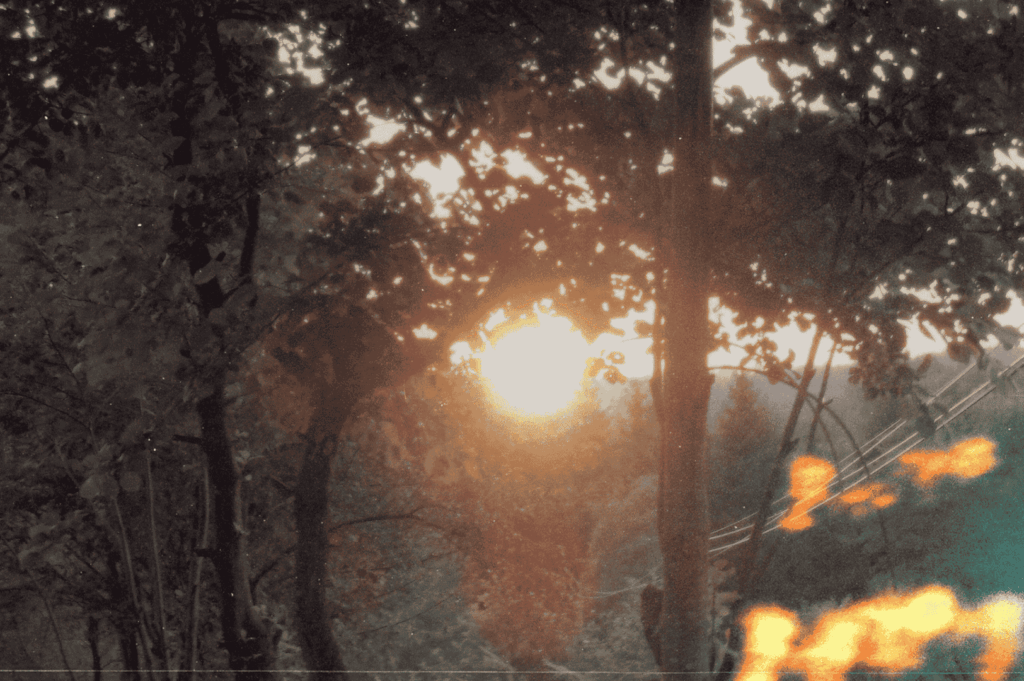
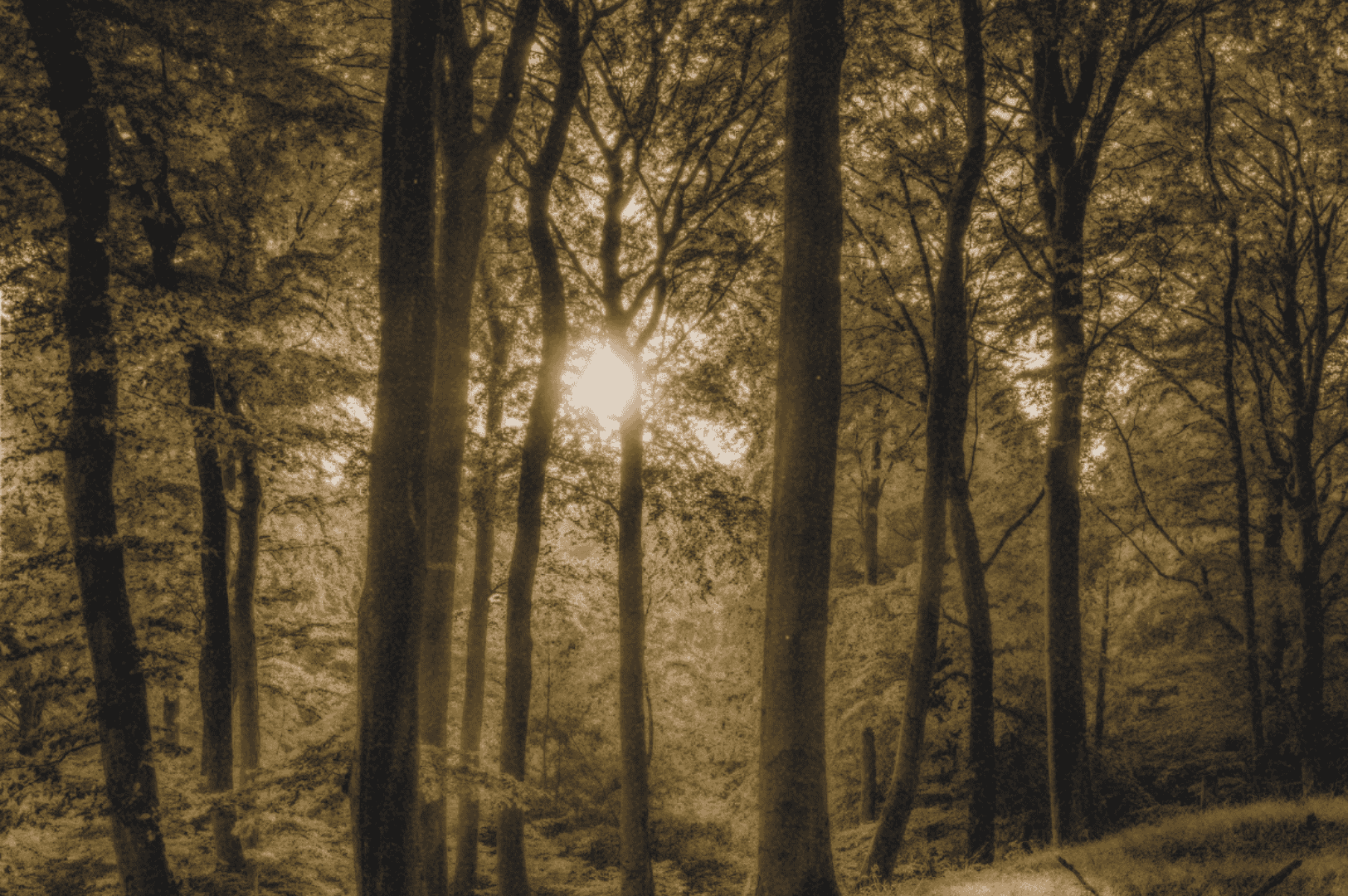
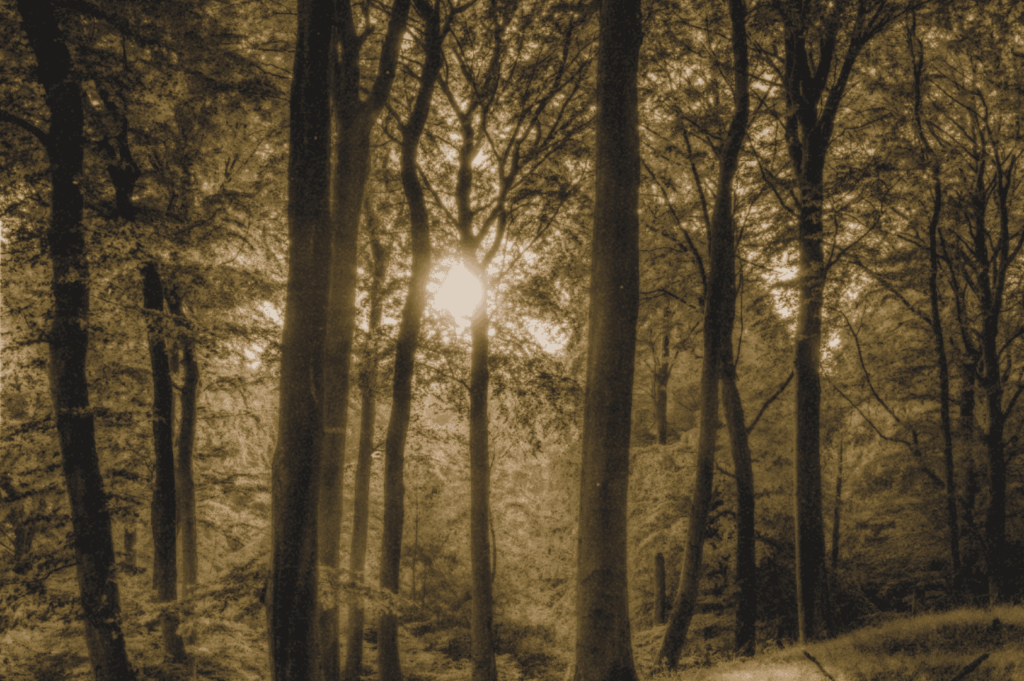
Each healing landscape has its own language, spoken in light, sound, and texture. In a dense forest that offered refuge to a woman healing from burnout, the dominant language was silence, broken only by the gentle filter of light through the canopy and the soft crunch of leaves underfoot. The air itself felt different—calm, clean, and restorative. Capturing this sensory experience is essential. It requires a slow, meditative approach to photography, paying attention to the subtle details that make the place feel the way it does. The goal is to convey the feeling of a deep, collective exhale.
A Portrait of Symbiosis
The relationship that forms is symbiotic. The person brings their vulnerability to the landscape, and the landscape, in its steady, non-judgmental presence, offers a space for that vulnerability to exist without collapsing. It doesn’t offer answers, but it offers something more fundamental: presence. This profound, non-verbal dialogue between person and place is a form of ecological mindfulness. The philosophical underpinnings of our connection to the non-human world are often explored in thoughtful essays, like those found in publications such as Emergence Magazine. Photographing this relationship is about capturing the quiet equilibrium between a human heart and a patch of earth.
The Return Journey
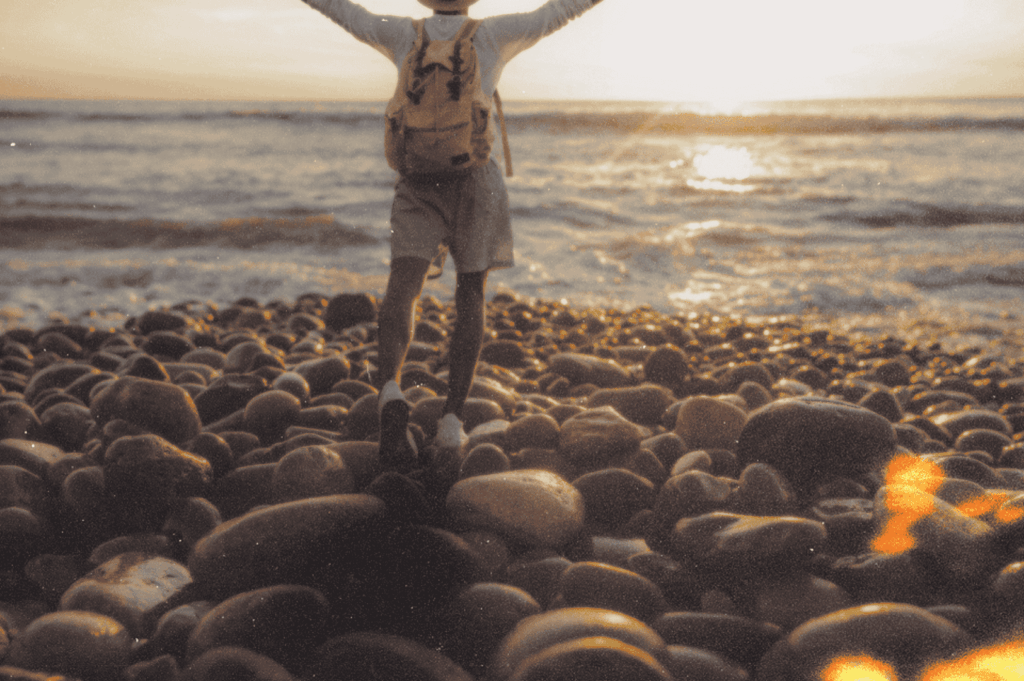
Returning to a place of healing after time has passed is a powerful experience. The landscape is often unchanged, but the person is different. I photographed David on his rocky beach a year later. The waves still crashed with the same rhythm, but his posture was different. There was a lightness to him, a sense of peace that had replaced the raw pain. The landscape had become an old friend, a silent witness to his journey. This return is a testament to the landscape’s role not just as a temporary refuge, but as a permanent part of a person’s story of recovery.
A Universal Sanctuary
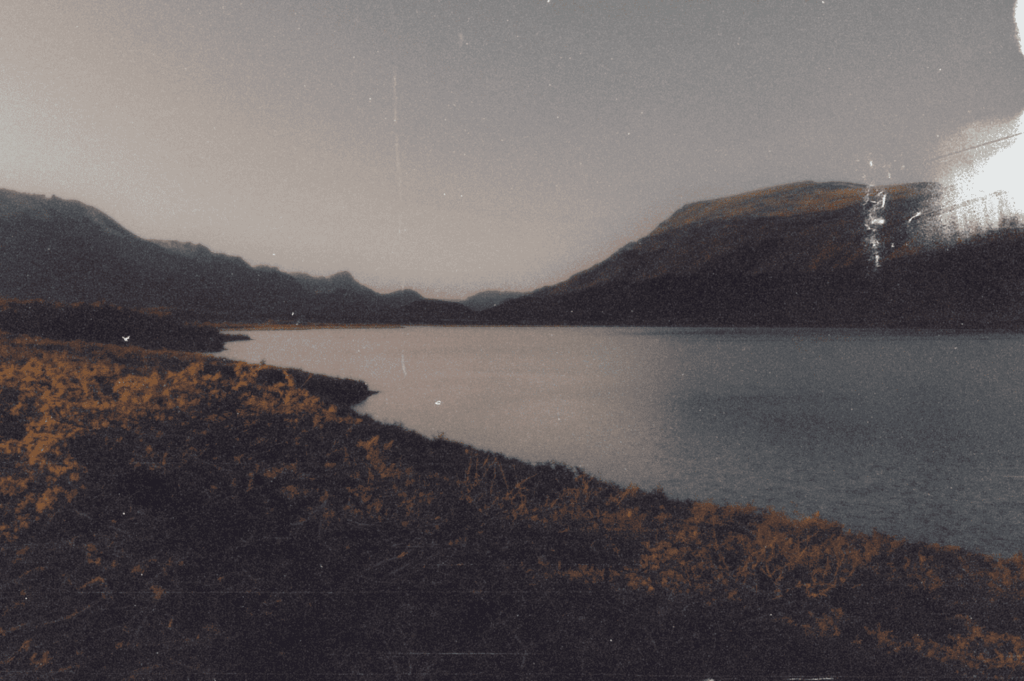
This project reveals a universal human truth: in times of trouble, we seek solace in the natural world. Whether it’s a vast wilderness or a single, resilient tree in a city park, these places become our sanctuaries. The photographs in this series are an invitation to look at the landscapes around us with new eyes—not just as scenery, but as potential partners in our own lives. They remind us that healing is often found in the simple, profound act of connecting with a place that asks for nothing and, in doing so, gives us everything. The power of place and memory is a central theme for many artists, whose work can be discovered through platforms like BOOOOOOOM, which often features deeply personal photographic projects.
They remind us that healing is often found in the simple, profound act of connecting with a place that asks for nothing and, in doing so, gives us everything. If you’d like to explore this relationship between landscape and emotion further, visit The Breathing Earth: Documenting Dawn at Ancient Forests. And for a more intimate look at how human stories are etched into the body, see Hands That Speak: Lives Written in Palms.