Children’s Concentration: The Meditative Art of Seeing
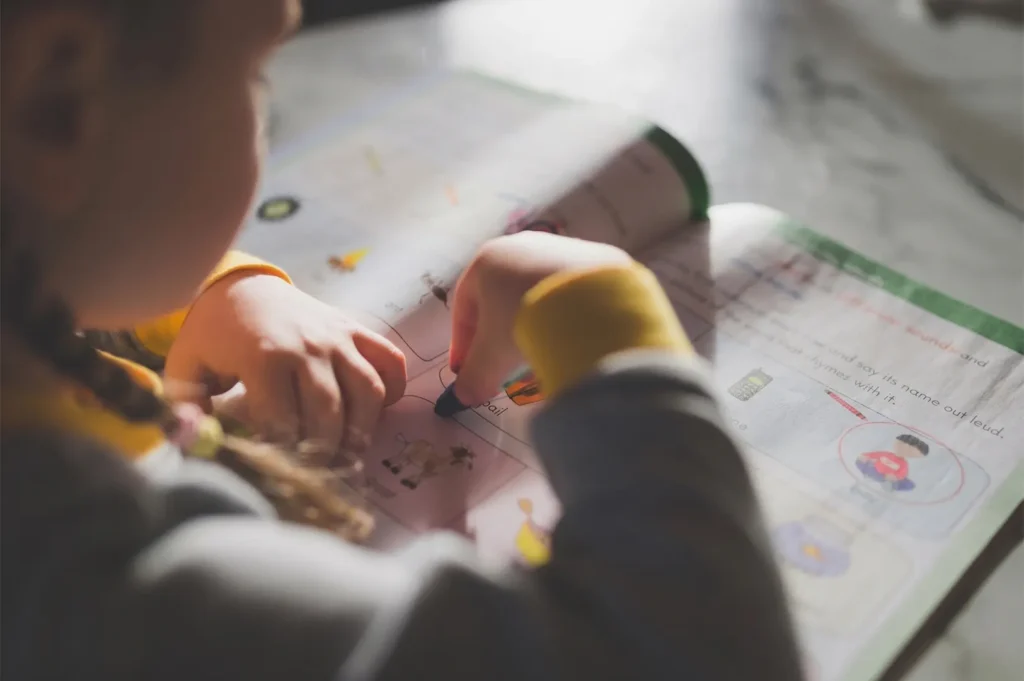
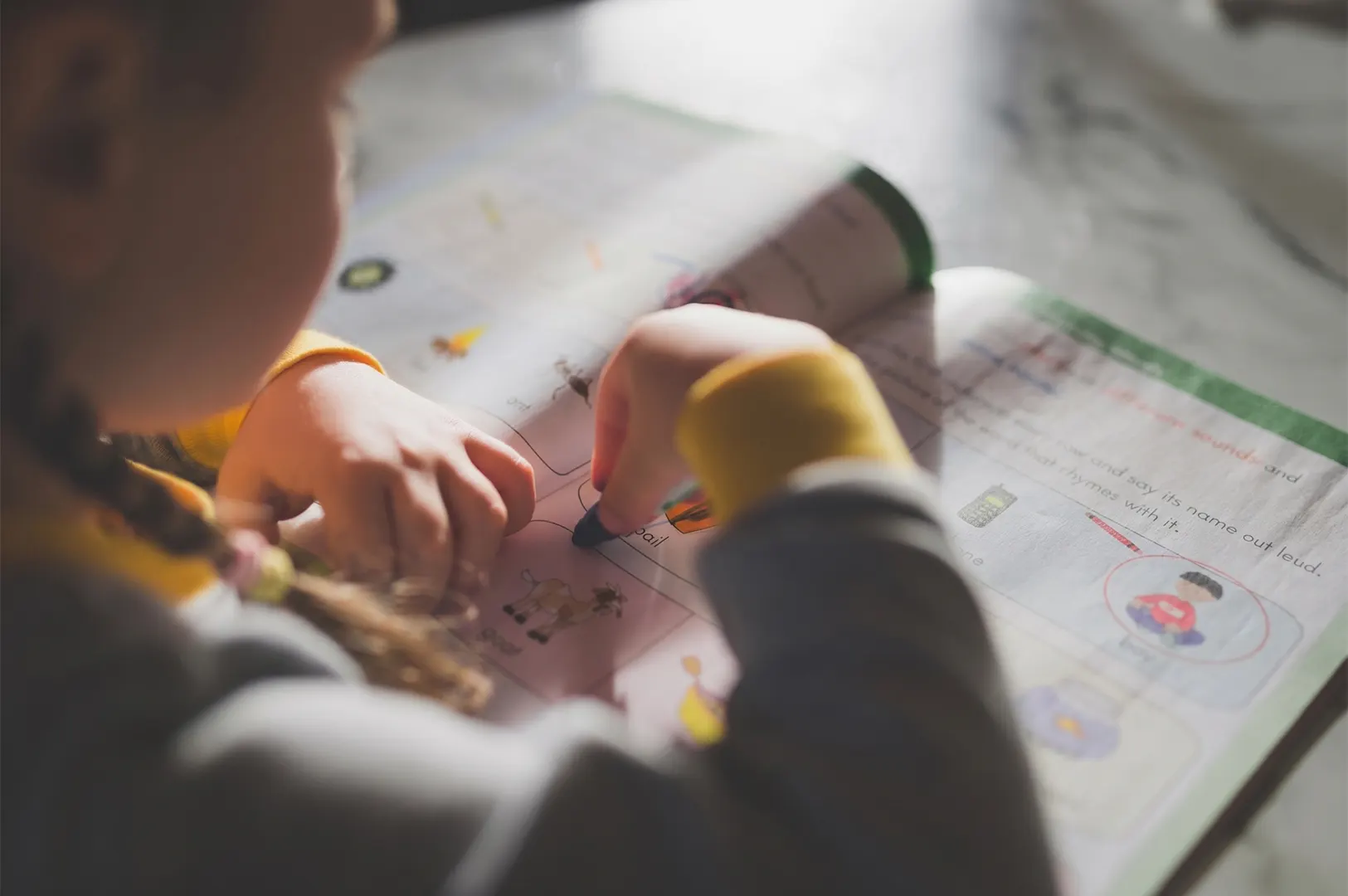
When a child becomes completely absorbed in something, the room changes. It is not silent, but it feels quieter. Their hands move with purpose, and everything else seems to fall away without resistance.
You notice it slowly. Not as a single moment, but as a shift.
As adults, that kind of attention feels distant. We move between thoughts, between distractions. But here, in front of you, is something whole.
Documenting it is not just about framing or exposure. It becomes a way of understanding what uninterrupted presence looks like.
The Sanctuary of an Unguarded Mind
Capturing these moments asks something different from you. It is not about reacting quickly, but about slowing down enough to meet the pace of what is already happening. The camera becomes quieter in your hands. Less of a tool, more of a way of staying present.
Through the viewfinder, you are not separating yourself from the scene. You are stepping into it carefully, aware that even your attention carries weight.
Breathing with the Shutter
In these moments, time behaves differently. It does not slow down in a dramatic way. It simply becomes less important.
What matters is what is happening within the frame, not outside of it.
The small sounds become clearer. The movement of hands, the pause before continuing, the rhythm of repetition.
These are not moments you can predict or recreate. They arrive quietly, and you either notice them or you don’t.
A Window into Unfiltered Experience
To photograph a child in concentration is to observe without interrupting.
They are not performing. They are not aware of being seen. Whether they are drawing, reading, walking, or examining something small in their hands, they are fully within that moment.
Your role is not to shape it, but to remain still enough for it to continue.
There is a similar quiet awareness in moments that unfold without needing direction, such as in the spaces we take between footfalls, where attention rests in what happens between actions.
The Silent Dialogue
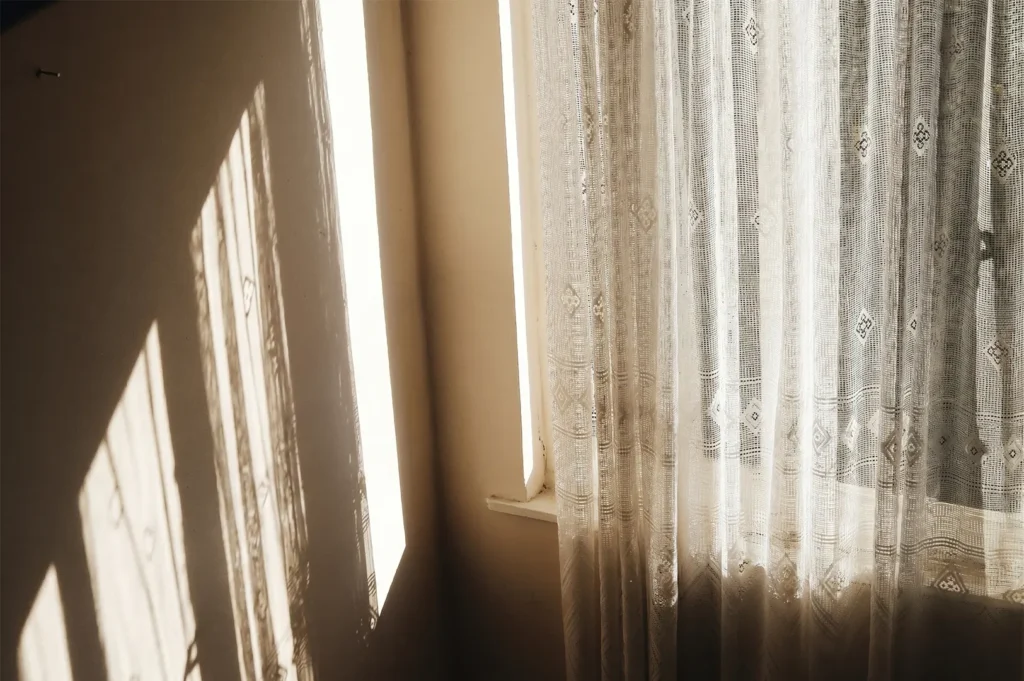
The physical space between the camera lens and the subject holds a beautiful, invisible tension. It is an atmosphere filled with the heavy warmth of afternoon shadows and the unspoken trust between the observer and the observed.
You must move softly through the room, profoundly aware of the cool metallic touch of the lens against your hands, careful not to shatter the fragile glass of their concentration.
This highly mindful approach transforms a simple photograph into a visual meditation on connection.
Aperture, Light, and the Act of Not Interrupting
Every smudge of charcoal on small hands and every soft exhale of creative frustration tells a much larger story about how we navigate and understand the world. The technical decisions, whether depth of field or shutter timing, are not used to control the moment, but to quietly adapt to it.
The Texture of Observation
To photograph this engagement is to feel the muted rustle of turning pages or notice the faint scent of damp earth on a child’s jacket after outdoor exploration. We photograph the atmosphere just as much as we photograph the subject.
What Holds and What Slips
Not everything can be carried into the image. You capture the posture, the light, the small gestures. But the depth of their focus, the feeling of being entirely within something, remains just out of reach.
Still, something stays.
A sense of attention that feels complete without explanation.
Time Suspended in Creation
In these profound moments of making, the ticking clock stops. The rhythmic scratch of a crayon against heavy paper becomes the only sound that matters.
This magical suspension of time invites us to pause and consider deeper philosophical reflections on time, memory, and existence. We freeze a fleeting second of absolute clarity, preserving it as something we can return to, even after the moment has passed.
When the Moment Lifts
Eventually, the focus breaks.
A child looks up. The room returns. The sense of stillness dissolves without announcement. Nothing dramatic happens. But something has shifted.
The photograph remains, holding a trace of what was there. Not the full experience, but enough to return you to it.
What Children’s Focus Teaches Us
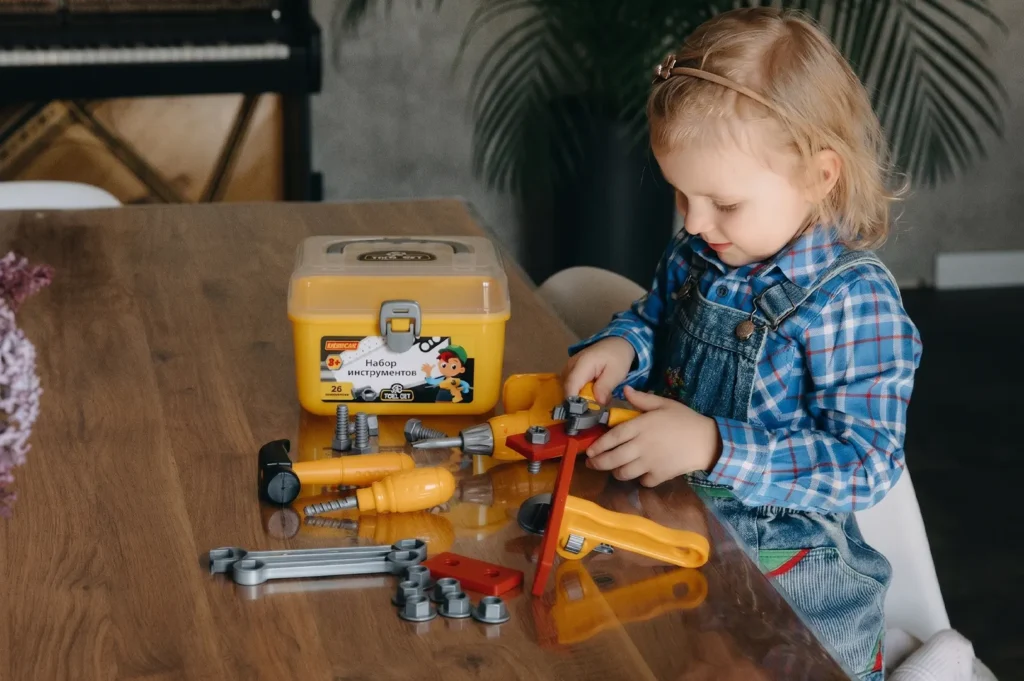
Photographing children in these moments is not only about documenting them. It becomes a way for us to notice what we have quietly lost over time.
It is the ability to remain within something without feeling the need to move on or look elsewhere.
Through slow photography, we are not just observing their concentration. We begin to recognize a version of attention that feels familiar yet distant. Something that once came naturally now requires our intention.
For a brief moment, we meet it again.
And that, in itself, feels enough.