Ancestral Echoes: Genetic Memory in Faces
A photograph is a ghost. It is a slice of time, a flicker of light that holds a life still. When we place a vintage portrait next to a living face, we are not just comparing two images; we are opening a dialogue between the past and the present. We are inviting the ghost to speak. This photographic essay is an exploration of that conversation. It is a study of ancestral echoes, of photographing subjects alongside images of their forebears to witness the subtle, uncanny ways that lineage manifests across time—in the curve of a smile, the weight of a gaze, or the very posture of the soul.
The Face as a Living Archive
Our faces are living archives. They are collections of features gifted to us by a long, invisible chain of ancestors. To photograph a young woman holding a sepia-toned portrait of her great-grandmother is to witness this archive come alive. The obvious resemblances are striking—the same high cheekbones, the same almond-shaped eyes. But the true magic lies in the subtler echoes. It is the way her brow furrows in thought, an identical expression to the woman in the century-old photograph. It is a shared gesture, a genetic memory passed down through blood and bone.
The Unspoken Inheritance
The camera can reveal more than physical traits. It can capture an inherited emotional presence. I once photographed a man holding a faded picture of his grandfather, a man he had never met. In the old photograph, the grandfather had a look of quiet, melancholic introspection. As I directed the grandson, asking him to simply be still and breathe, his face settled into the exact same expression. It was not a conscious imitation, but an unconscious inheritance—a shared way of holding worry, or wonder, or sorrow in the muscles of the face. This exploration of the portrait as a window into the self is a tradition carried on by countless artists, whose works are preserved in institutions like the National Portrait Gallery.
A Dialogue Across Time
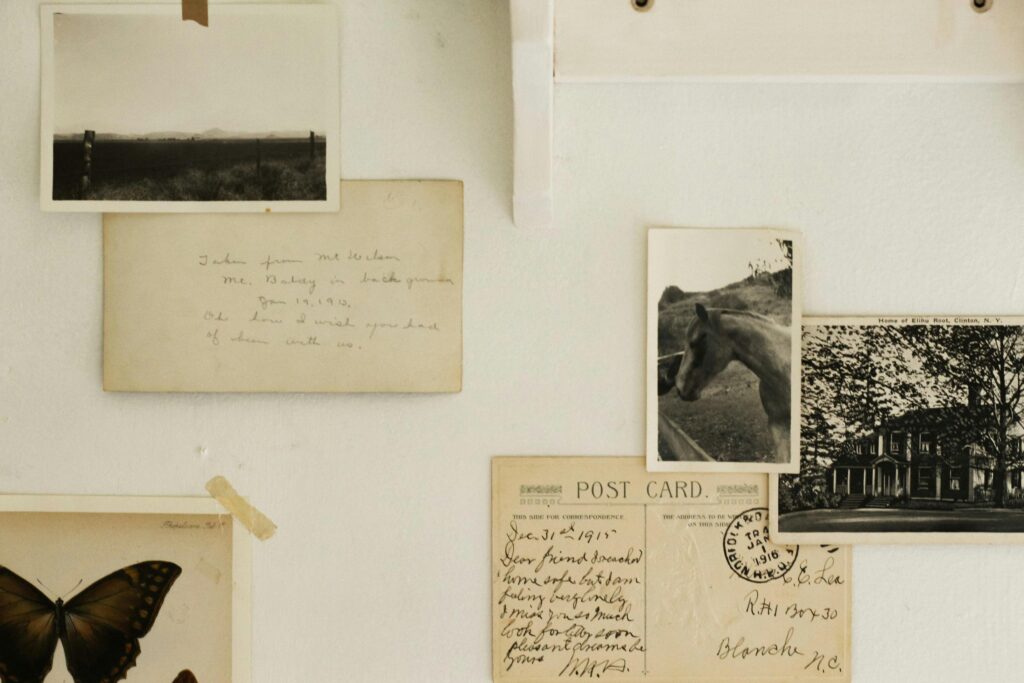
Creating these diptychs is a delicate and emotional process. It is about more than simply placing two faces side-by-side. The lighting on the living subject must be crafted to echo the light in the original portrait. If the ancestor was lit by the soft, directional light of a window, the descendant is placed in a similar light. This creates a visual harmony, a sense that the two individuals are inhabiting a shared space that transcends time. The goal is to make it feel less like a comparison and more like a reunion of kindred spirits.
Holding the Past in Your Hands
The act of the subject holding the old photograph is itself profoundly symbolic. It is a physical connection to their own history. The warmth of their hands on the cool, brittle paper is a bridge. As a photographer, I often ask the subject to look at the portrait of their ancestor before they look at me. In that moment of communion, a complex cascade of emotions crosses their face: curiosity, recognition, a sense of loss for a person they never knew, and a sudden, startling awareness of their own place in a long story. This is the moment to capture. This powerful connection between objects, memory, and personal history is a theme often explored in the humanities and social sciences, with fascinating essays available on platforms like Aeon.
Traces of Lives Lived
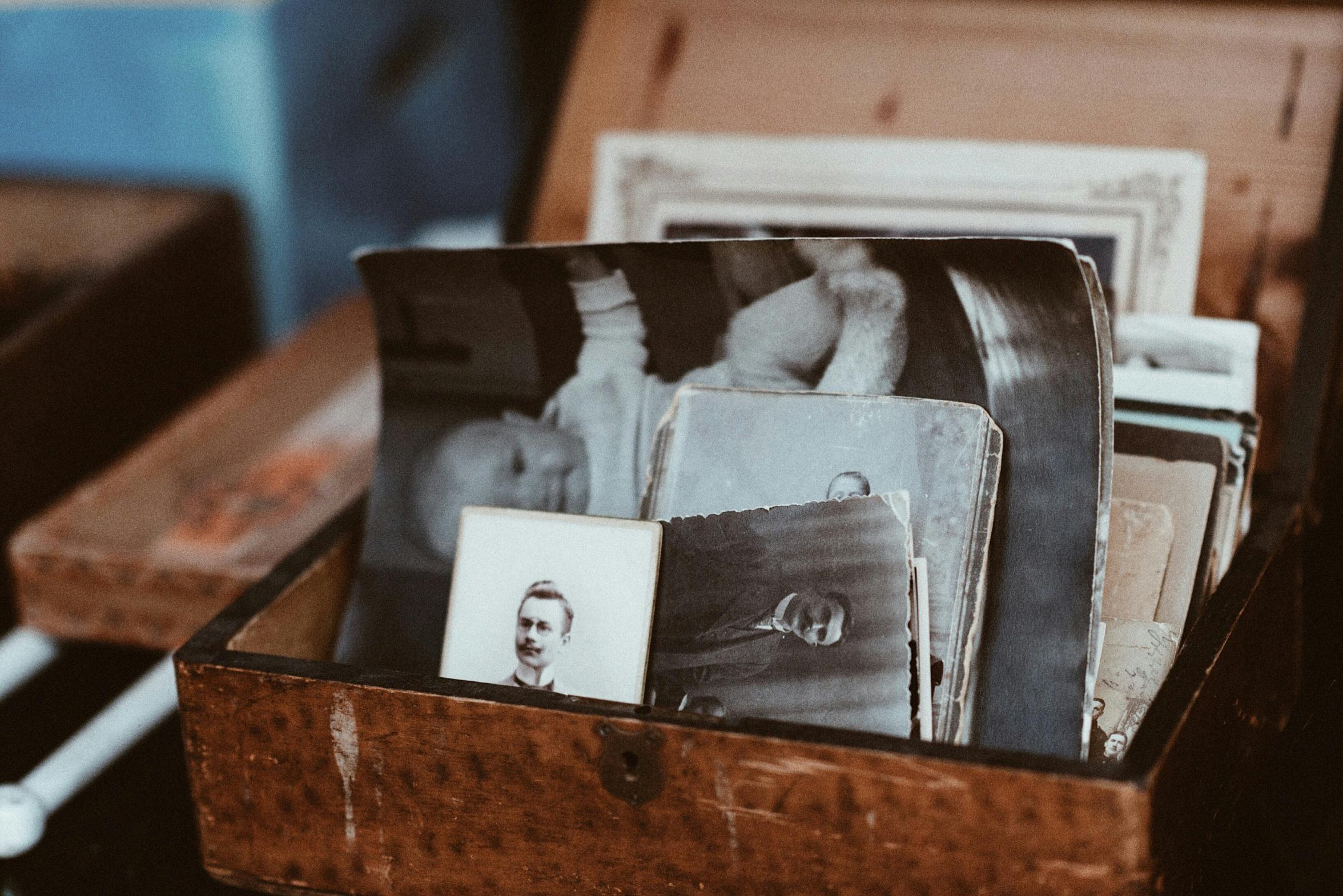
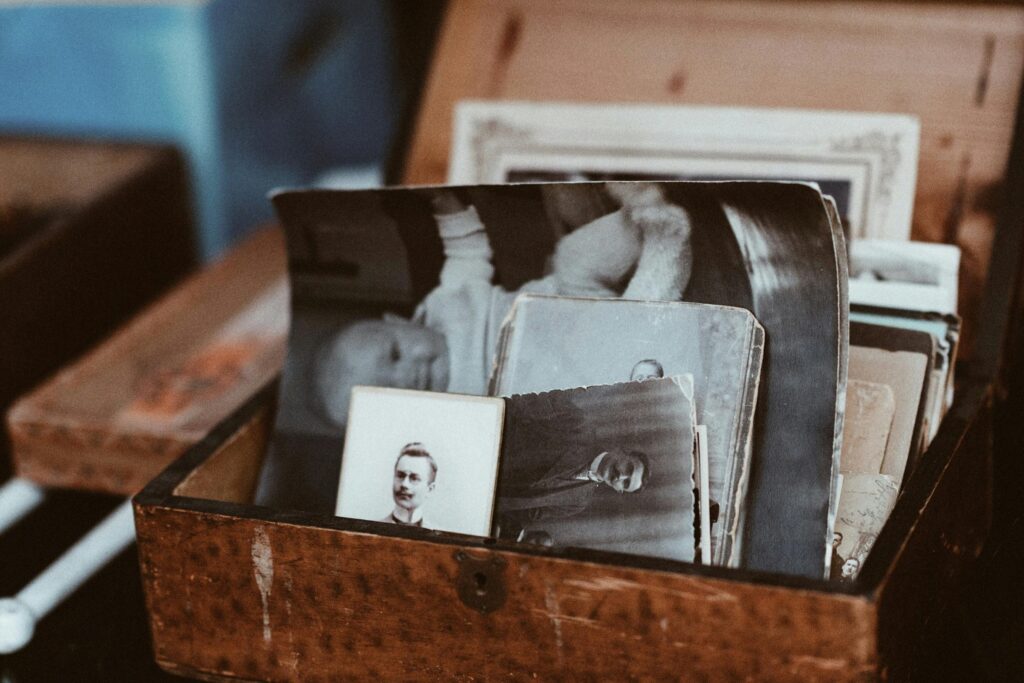
The vintage photograph brings its own history to the pairing. It is a physical object that has survived. It bears the marks of its journey—creases, faded spots, the ghostly imprint of the photographer’s studio backdrop. These “imperfections” are part of the story. A photograph of a living hand, young and smooth, gently holding a creased and time-worn portrait, tells a powerful tale of continuity and the fragility of physical memory. The preservation and study of photographic history are crucial for understanding these narratives, a mission championed by organizations like the George Eastman Museum.
The Gaze That Connects
Often, the most powerful element is the gaze. In a successful pairing, the eyes of the ancestor and the descendant seem to share a secret. They look out at the world with the same intensity, the same amusement, or the same weariness. It feels as if two different people are looking through the same pair of eyes, separated only by the veil of time. It is a chilling and beautiful reminder that while our lives are fleeting, the current of life that flows through us is ancient.
We Are Not Alone
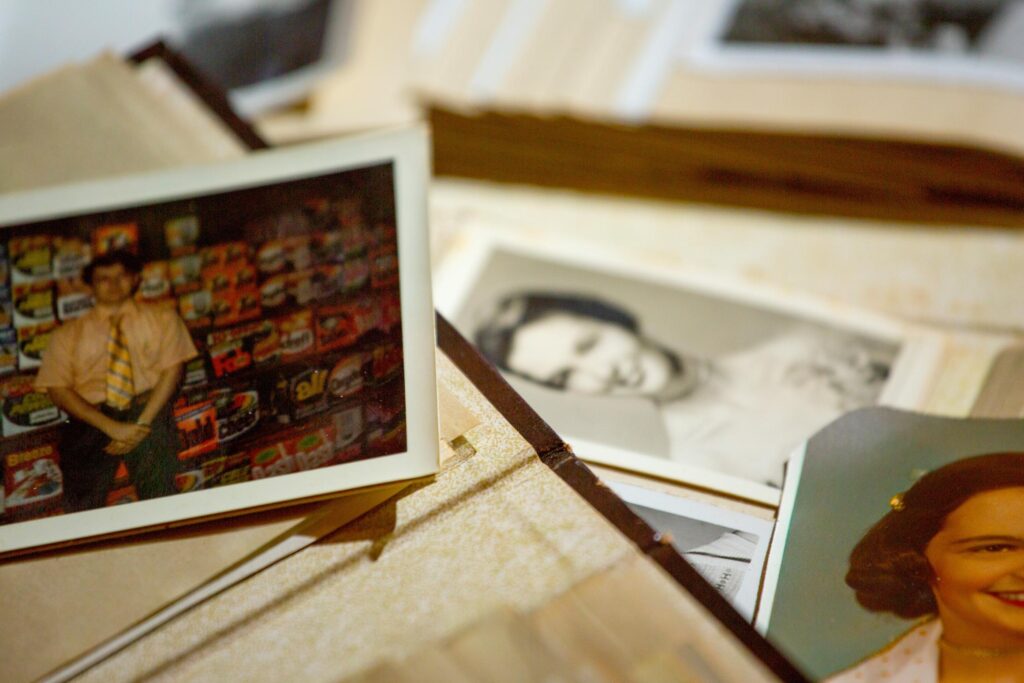
This project is a quiet rebellion against the modern myth of the self-made individual. It is a visual testament to the fact that we are not singular, self-contained beings. We are mosaics, assembled from the pieces of those who came before us. Their triumphs and sorrows, their strengths and their struggles, are written in our DNA and flicker across our faces in unguarded moments. These photographs are an act of remembrance, an acknowledgment that our faces do not belong only to us. They are a temporary home for a long family story, a story that is still being told, one generation at a time.
This exploration finds another dimension in The Third Space: Portraits in Transit, where identity unfolds in the spaces between departure and arrival.