Alleyway Whispers: The Dignified Life of Urban Margins
The main street is a performance, a polished facade presented to the world. It is loud, bright, and demanding of attention. But slip into the narrow gap between buildings, and the city changes. The noise dampens, the light softens, and the air grows heavy with secrets. This is the alleyway—the overlooked artery of the urban body. To walk here is to step behind the curtain, to witness the city in its unbuttoned, honest state. This photographic essay is a tribute to these marginal spaces, documenting the quiet, resilient dignity that thrives in the shadows of the metropolis.
The Arteries of the Unseen City
Alleyways are often dismissed as spaces of transit or waste, but for the patient observer, they are rich with narrative. They are the subconscious of the city. Here, the architecture is utilitarian and raw. There are no decorative facades, only the honest textures of brick, iron, and concrete. The camera finds beauty in this unvarnished reality: the intricate, rusted lace of a fire escape, the tapestry of moss growing in a cracked wall, or the way a single, bare bulb illuminates a doorway. Capturing these details requires a shift in perspective, a willingness to find the sublime in the gritty. This approach to finding beauty in the mundane is a hallmark of the wabi-sabi aesthetic, a philosophy deeply rooted in appreciating the imperfect and transient—a concept explored in our previous work, “The Plate That Will Not Exist Tomorrow.”
Textures of Neglect and Resilience
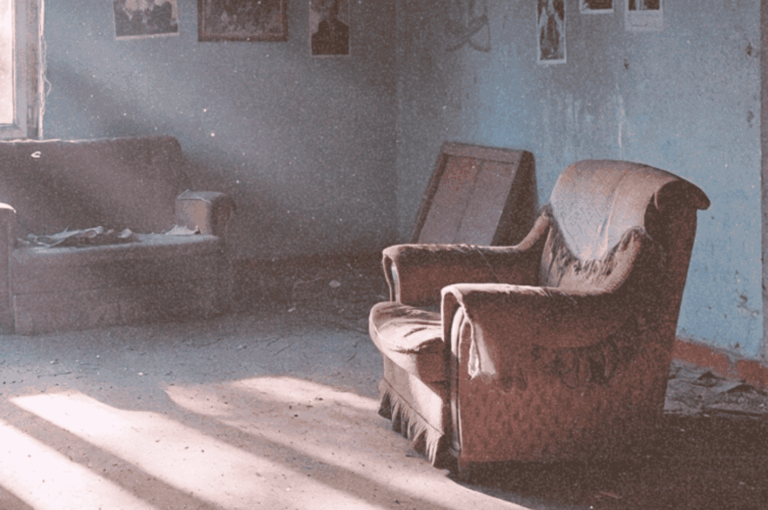
In the alley, time moves differently. While the main street is constantly renovated, the alley accumulates history. Layers of paint peel back to reveal the colors of past decades. Old advertisements fade into ghost signs on brick walls. A close-up photograph of a weathered wooden door can feel like a portrait of an elder, its surface a map of scars and endurance. These textures tell a story of survival. They speak of a city that persists despite neglect. Documenting these surfaces is an act of preservation, a way of honoring the memory embedded in the mortar.
An Impromptu Stage for Life
Contrary to their reputation as desolate spaces, alleyways are often humming with life. They function as impromptu community centers and economic zones. I have watched kitchen staff taking a break, sitting on milk crates, their laughter echoing off the narrow walls. I have seen children turning a dead-end into a soccer pitch, the thud of the ball against brick creating a rhythm of play. These are intimate, unguarded moments. The subjects here are not performing for an audience; they are simply living. To photograph them is to capture a rare authenticity, a glimpse into the private machinery of urban existence.
The Economy of the Back Door
There is a unique economy that operates here. It is the realm of deliveries, of repairs, of quiet transactions. The back door of a restaurant is a portal to a sensory world—the sharp, salty tang of frying garlic, the clatter of dishes, the steam rising into the cool night air. A photographer can capture the dignity of labor in these spaces—the weary posture of a delivery driver, the practiced hands of a chef shucking oysters. These images remind us that the city runs on the effort of those often relegated to the margins. This focus on the everyday worker is a tradition honored by social documentary photographers, whose works are preserved by institutions like the International Center of Photography.
Canvases of the Night
When the sun sets, the alleyway becomes a canvas. Graffiti artists, taggers, and muralists claim these walls, turning them into galleries of unsanctioned expression. These vibrant bursts of color against the grey concrete are acts of rebellion and reclamation. A photograph might frame a spray-painted eye watching from the shadows, or a poetic stanza scrawled in marker on a dumpster. These marks are the whispers of the city’s inhabitants, proofs of existence left in the dark. Exploring street art through a lens is a way to engage with the city’s living dialogue, a subject frequently curated by modern art hubs like the Tate Modern.
A Sanctuary for Shadows
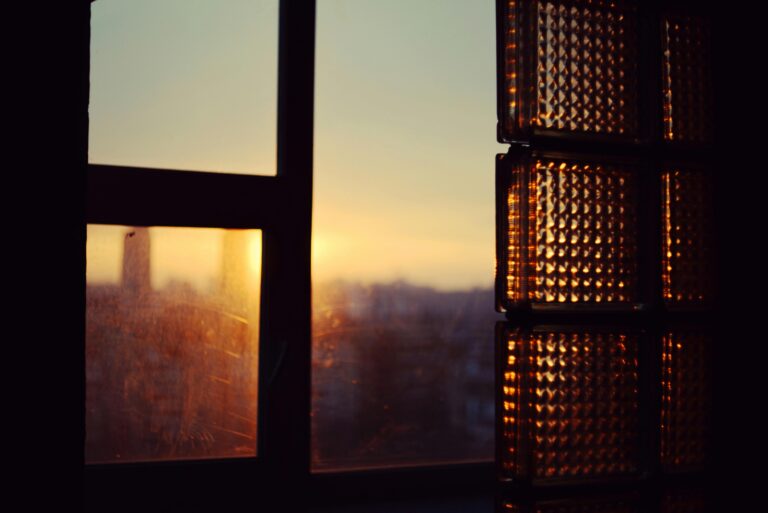
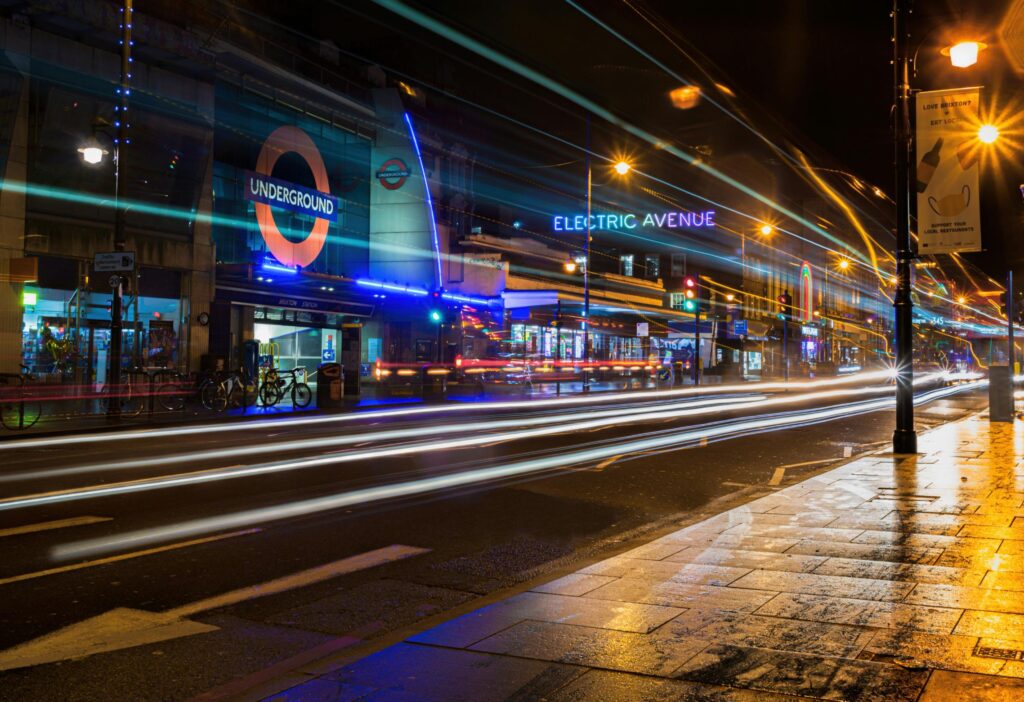
The light in an alleyway is dramatic and theatrical. By day, it slices down from above, creating high-contrast compositions of blinding white and deep, velvety black. By night, it is artificial and moody—the neon glow from a distant sign, the harsh yellow of a security light. This lighting creates a sense of mystery and solitude. It invites the photographer to play with the unseen, to let the shadows do the heavy lifting. It captures the feeling of being alone in the crowd, a moment of meditative isolation just feet away from the chaos.
Finding the Margin’s Center
To photograph an alleyway is to validate it. It is a statement that life here matters, that beauty exists here, and that the story of the city is incomplete without its margins. It is a practice of democratic seeing, of refusing to look only where we are told to look. In these narrow passages, we find a different kind of truth—one that is messy, textured, and profoundly human. We find that even in the tightest spaces, there is room for a wild, untamed sort of grace.
Let your eyes rest on stories told without words in Hands That Speak: A Photographic Essay, where every gesture holds a lifetime.