Concrete Memories: Buildings That Outlived Their Purpose
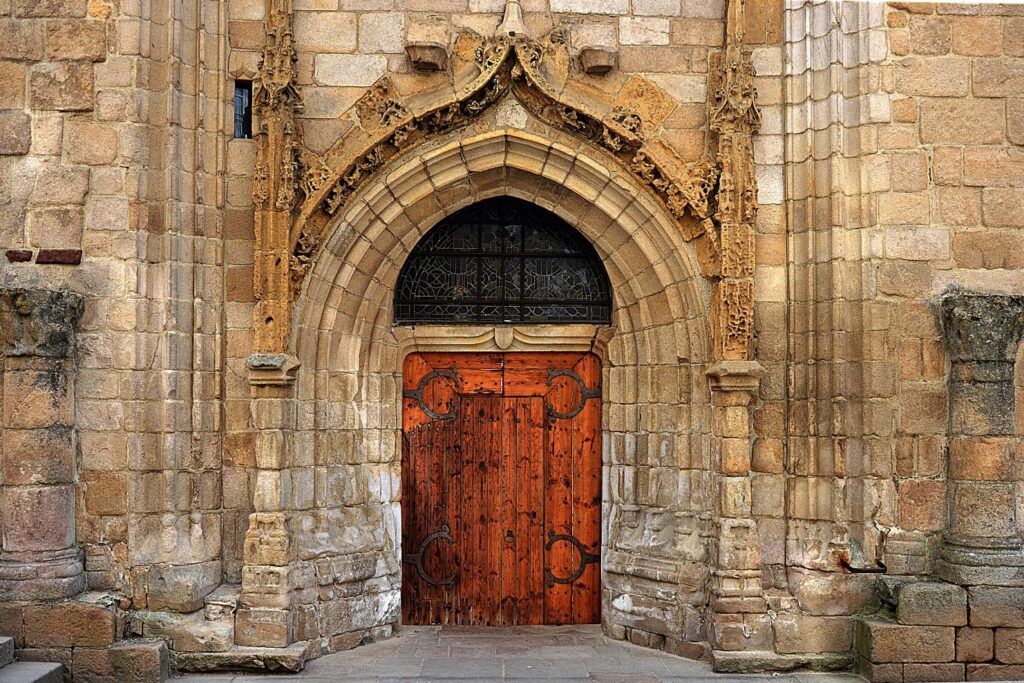
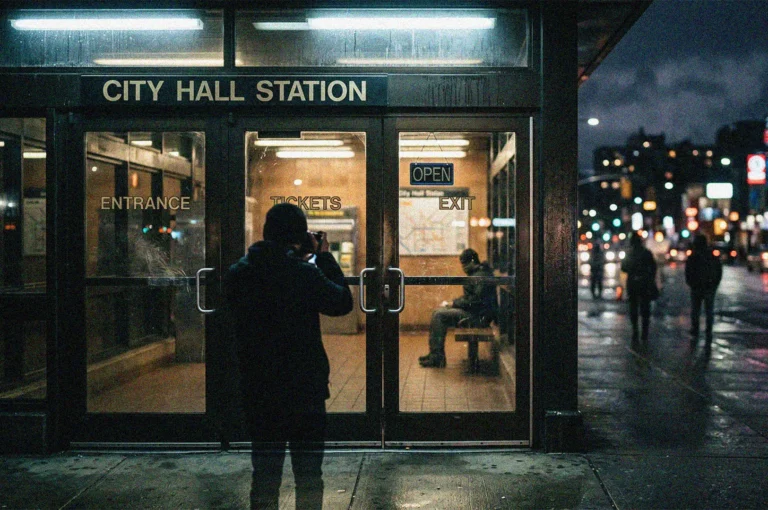
Cities are living organisms, constantly shedding old skins and growing new ones. Buildings, the very bones of the urban landscape, are not immune to this process. A structure is born with a specific purpose—a factory to produce, a church to gather, a school to teach. But what happens when that purpose fades? This photographic essay is a study of these architectural palimpsests: buildings that have outlived their original function and have been given a second life. It is an exploration of how these repurposed spaces hold multiple histories simultaneously, their concrete walls and iron beams whispering stories of what they once were, even as new life unfolds within them.
The Ghost in the Architecture
To walk into a former factory that is now a block of loft apartments is to exist in two timelines at once. The original architecture refuses to be silenced. You can see it in the soaring ceilings designed to accommodate massive machinery, the oversized windows that once flooded a factory floor with light, and the exposed brick walls still bearing the faint scars of industry. A photograph can capture this duality by framing a sleek, modern kitchen against the backdrop of a rust-stained iron girder. The image becomes a conversation between past and present, a visual dialogue between the building’s industrial soul and its new domestic heart.
Reading the Layers
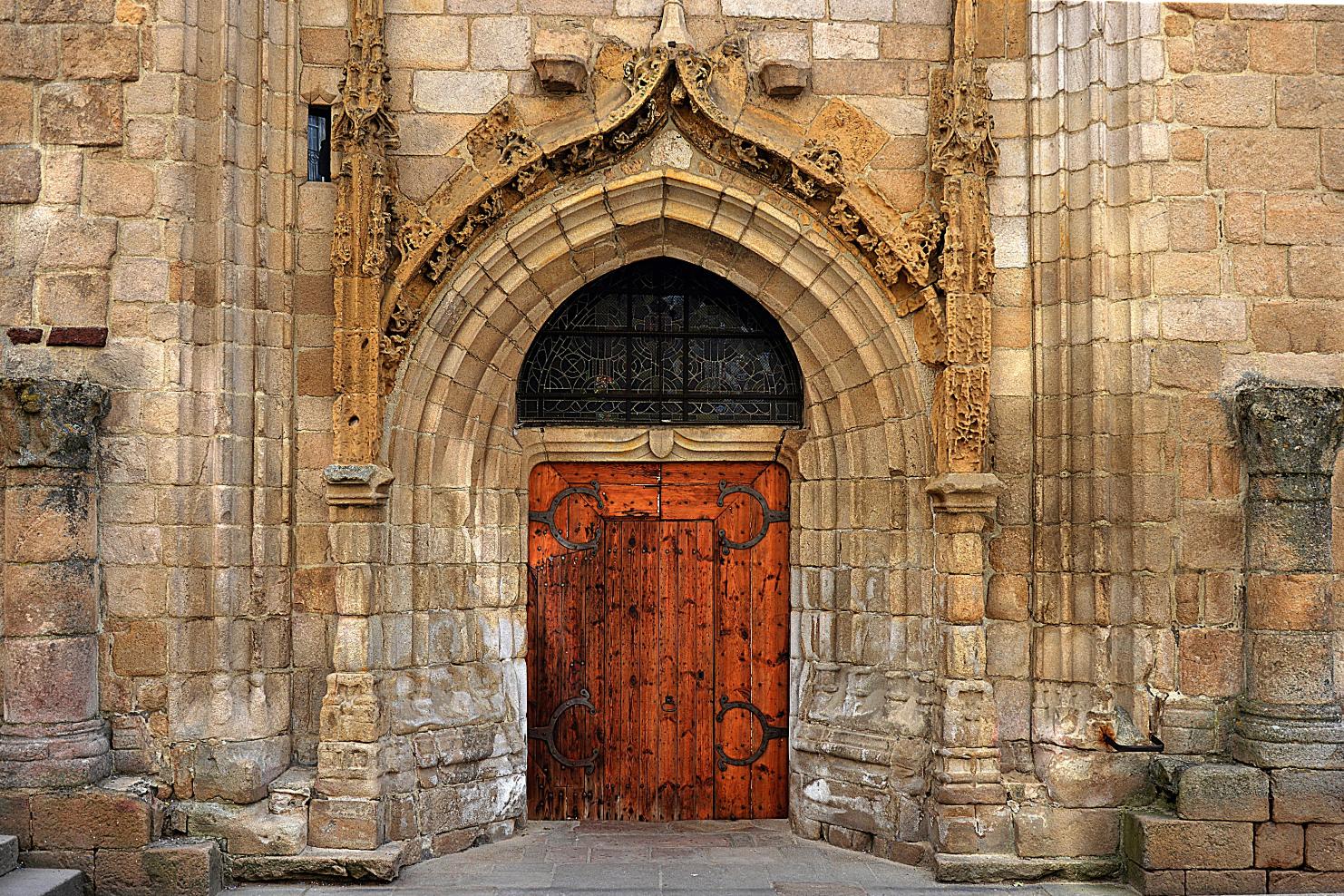
Photographing these spaces is an act of architectural archaeology. The goal is to “read” the layers of history that have accumulated over time. I explored a former church that had been converted into a restaurant. The bar was set up where the altar once stood, and dining tables were arranged under the soaring, vaulted ceilings. The most poignant detail was a faded patch of plaster where a crucifix once hung, its ghostly outline still visible. A photograph of this small detail tells a more powerful story than a wide shot of the entire room. It is a quiet testament to the building’s former sanctity, a memory embedded in the very walls.
The Echo of Human Presence
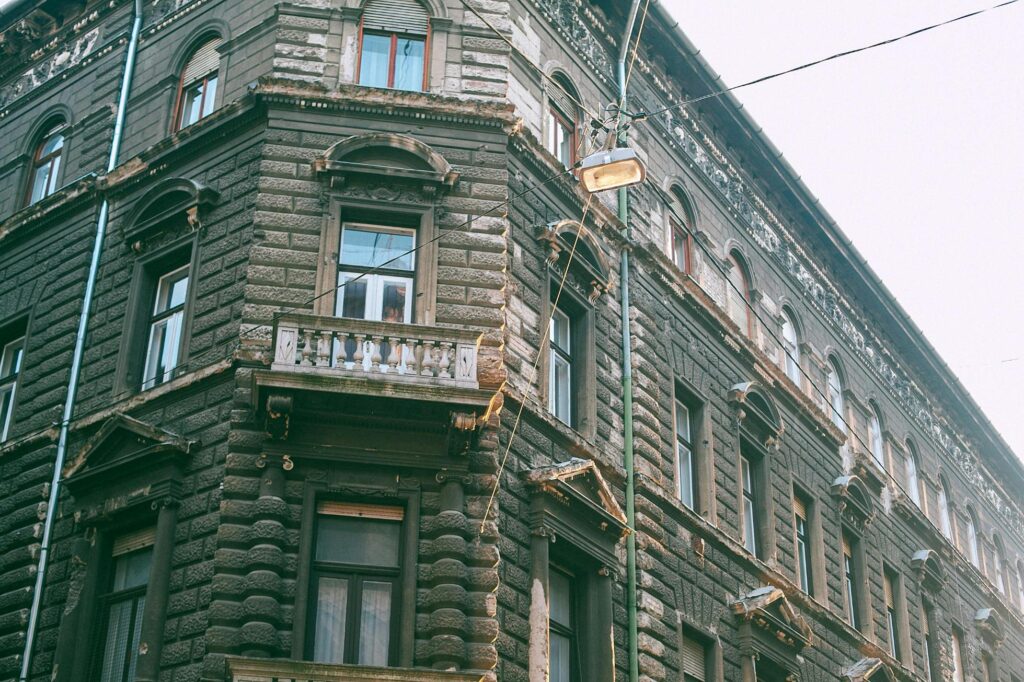
These buildings are not just empty shells; they are saturated with the echoes of the people who once filled them. In a converted warehouse, one can almost hear the phantom roar of machinery and the shouts of workers. In a school-turned-condo, the wide hallways still seem to resonate with the sound of running feet and ringing bells. The photographer’s challenge is to evoke these unseen presences. This can be done through light and shadow, by capturing the way sunlight streams through an old window, illuminating dust motes dancing in the air—particles that seem to carry the residue of past lives. This fascination with history, memory, and place is a central concern for many contemporary artists, whose works are championed by institutions like the MASS MoCA, itself a brilliant example of a repurposed factory complex.
When Form and Function Collide
The most compelling images often arise from the collision of past and present functions. Imagine a child’s brightly colored tricycle parked on a factory floor still marked with the painted lines of a loading bay. Or a chic, minimalist sofa sitting beneath a massive, defunct pulley system. These juxtapositions are jarring and beautiful. They highlight the building’s journey and its remarkable adaptability. The photograph doesn’t just document a space; it captures the surreal, poetic friction between what was and what is. This interest in the transformation and reuse of industrial heritage is a global phenomenon, with many stunning examples documented by architectural publications like Dezeen.
A Story of Resilience
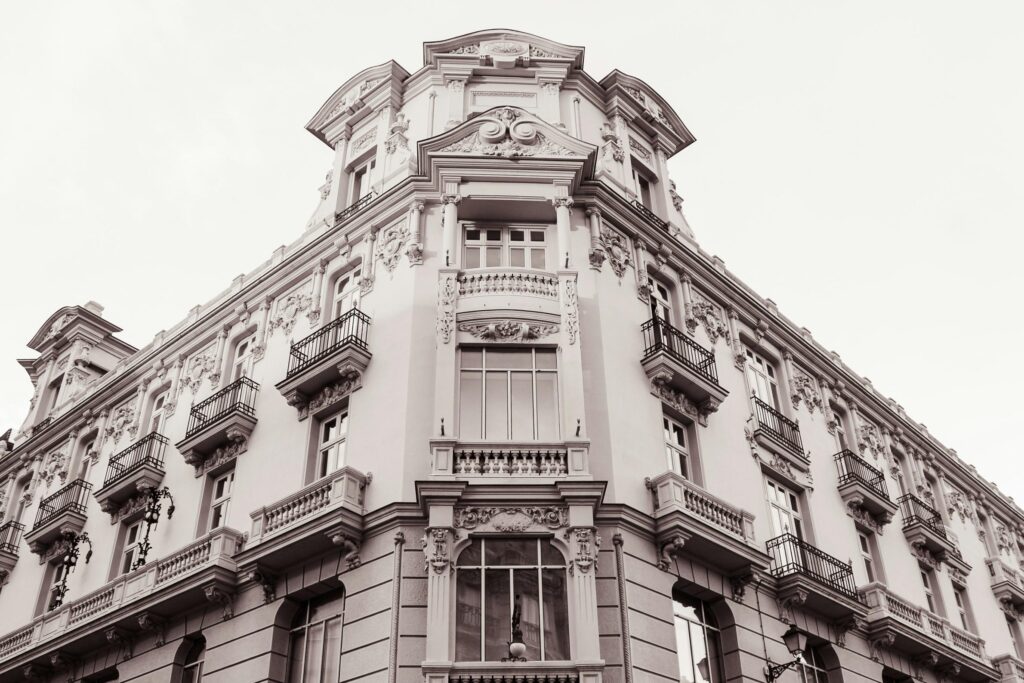
Ultimately, this project is a story of resilience—both for the buildings and for the communities they inhabit. Repurposing a structure is an act of respect for the past and an investment in the future. It is a declaration that history has value and that a building’s story does not have to end when its original purpose does. It is a sustainable and deeply human act. The practice of adaptive reuse is a cornerstone of modern urban planning, a philosophy that balances preservation and progress. Organizations like the National Trust for Historic Preservation advocate for this thoughtful approach to our built environment.
Concrete Memory, Living Future
These buildings are concrete memories, standing as silent witnesses to the relentless flow of time. They teach us that a place can hold many truths at once. They are simultaneously workplaces and homes, sacred and secular, abandoned and reborn. By photographing them, we are not just capturing architecture; we are capturing time itself, layered and complex. We are documenting the beautiful, ongoing process by which a city honors its past while bravely, creatively, and sometimes awkwardly, building its future. Each photograph is a tribute to the enduring spirit of a place, a quiet acknowledgment that the walls around us have much to say, if only we take the time to look and listen.
Discover the quiet resilience of lives woven into disappearing spaces in Concrete Dreams: Exploring the Enduring Spirit of Vanishing Public Homes.