Market Meditations: Hands in Commerce
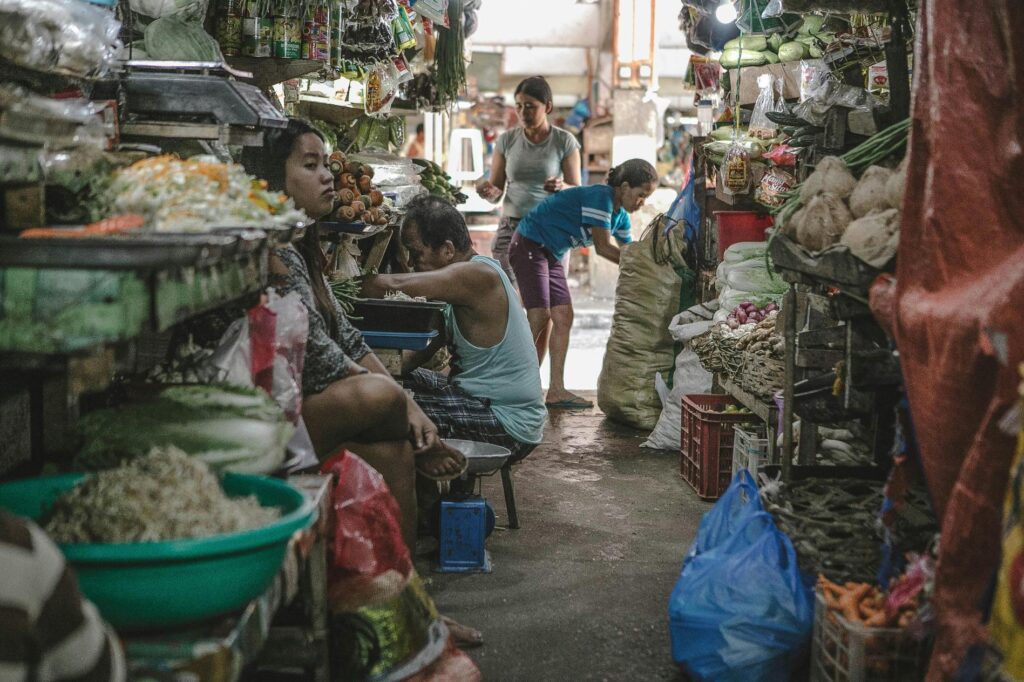
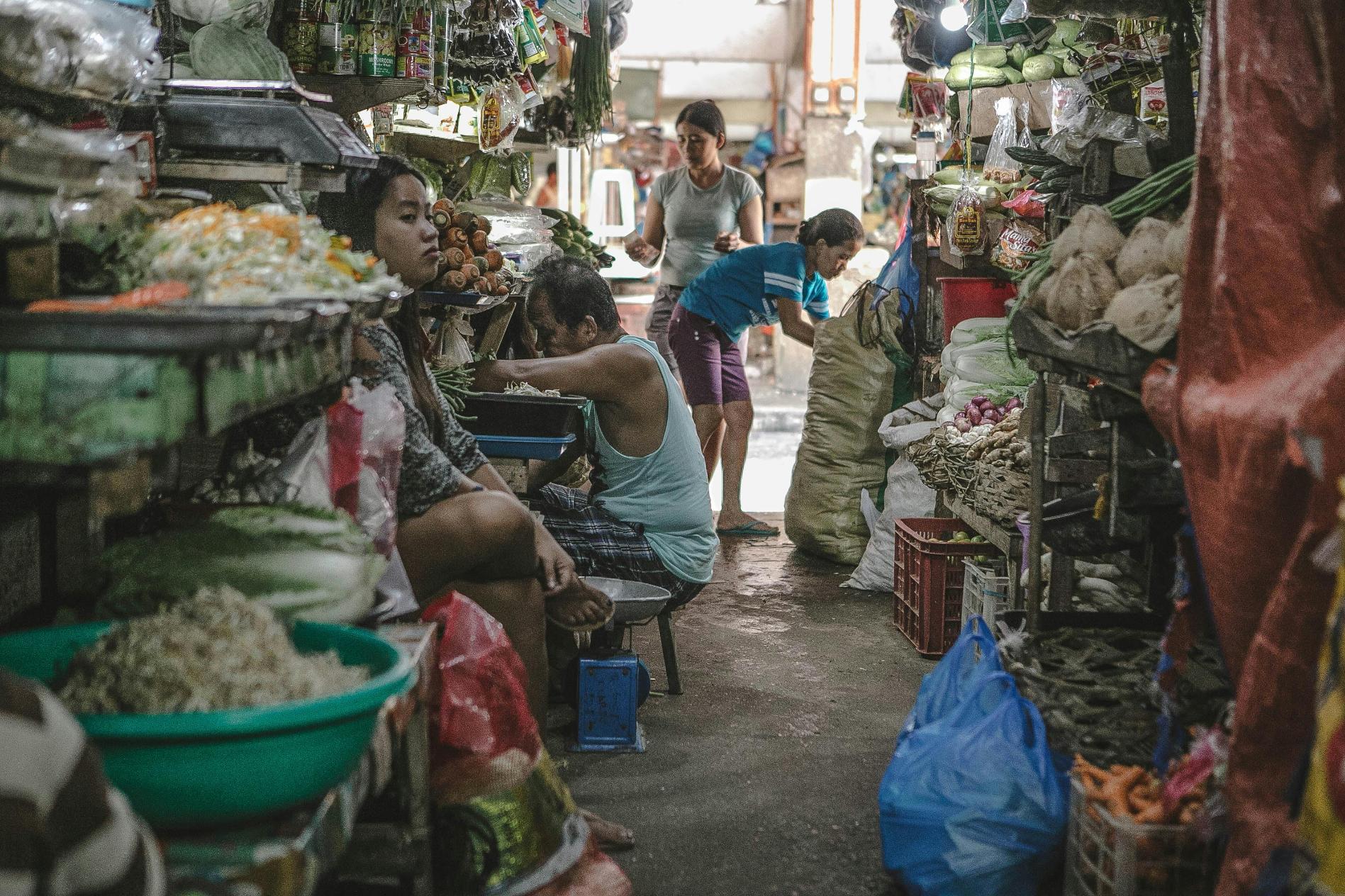
In the vibrant chaos of a traditional market, amidst the symphony of voices and the riot of color, a thousand silent conversations take place. These are conversations conducted not with words, but with hands. The simple, ancient act of exchange—the passing of a coin, the weighing of produce, the offering of a finished product—is a rich and subtle ballet. This photographic essay is a close study of that choreography, a meditation on the hands of commerce and what they reveal about trust, respect, and the deeply human value encoded in our briefest interactions.
For another reflection on food, memory, and moments that quickly pass, read this.
The Language of Gesture
Before a single word is spoken, the hands begin their dialogue. A vendor’s hand, open and palm-up, is a universal invitation. A customer’s hand, pointing to a specific piece of fruit, is a statement of desire. This is a language that predates currency. I spent a morning photographing a fish market in Southeast Asia, focusing only on the hands. I saw the quick, decisive gesture of a fisherwoman scaling a fish, her hands a blur of practiced efficiency. Minutes later, I saw the slow, careful gesture of a customer inspecting its gills, her hands expressing a need for quality and freshness. To photograph these gestures is to document a primal, intuitive form of communication.
The Texture of Trust
Hands reveal a life story. A farmer’s hands, calloused and ingrained with dirt, are a testament to a life lived in partnership with the earth. When these hands offer a vegetable to a customer, they are offering a piece of that life. The customer’s hands, often softer and paler, receive this offering. In that moment of transfer, there is a profound exchange of trust. The photograph can capture this by focusing on the contrasting textures: the rough, earth-stained skin against the smooth, the gnarled knuckles of the giver and the delicate fingers of the receiver. This close focus on the human hand as a subject has a long history in art, explored by masters like Auguste Rodin, whose expressive sculptures can be viewed at the Musée Rodin.
The Weight of Value
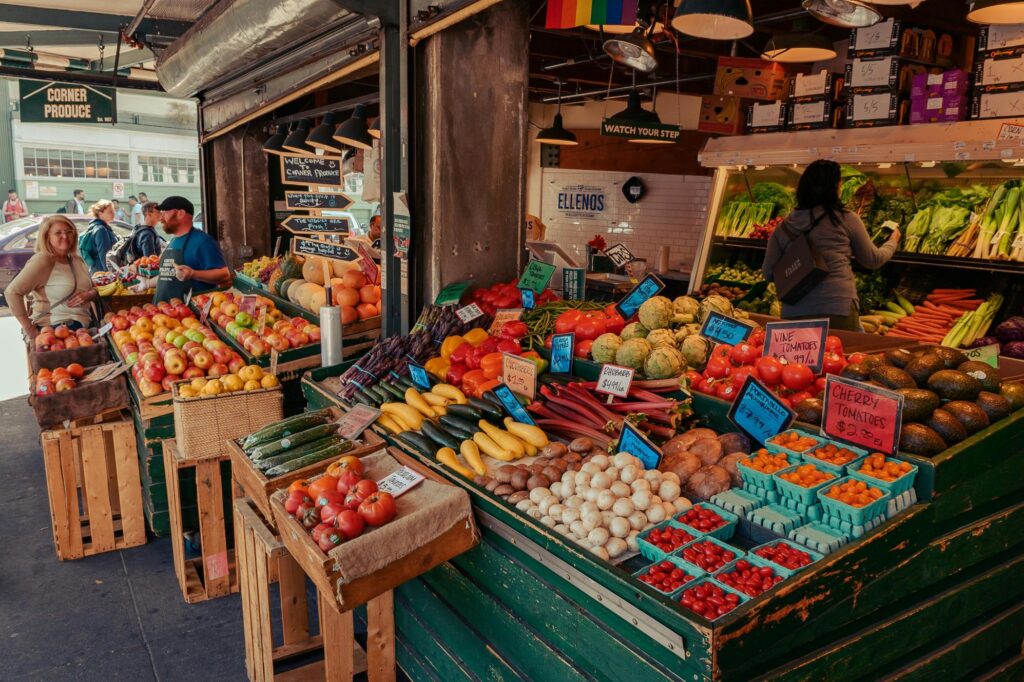
How is value determined in a place without price tags? It is weighed, measured, and felt in the hands. I watched a spice merchant in Morocco pour a pile of saffron into a customer’s cupped palm. The gesture was one of immense care, as if he were handling gold dust. The customer then brought her hand to her nose, inhaling the fragrance, her eyes closing for a brief moment. The value was not just in the weight, but in the deep, intoxicating aroma and the promise of flavor. A photograph capturing the delicate threads of saffron resting in a palm tells a story about a value system that transcends simple economics.
The Intimacy of the Transaction
In a traditional market, the exchange of money is often a moment of physical contact. Coins are not placed on a cold counter, but are pressed from one palm into another. This small act of touch is a confirmation of the transaction, a sealing of the social contract. I captured an image of an elderly woman’s hand, wrinkled and adorned with rings, placing a few worn bills into the outstretched hand of a young baker. The brief, warm touch of their fingertips was a moment of connection, a flicker of shared humanity in the middle of a busy market. This human-centered approach to commerce and community is a powerful force, one celebrated by cultural and food-focused organizations like Slow Food International.
A Cultural Grammar
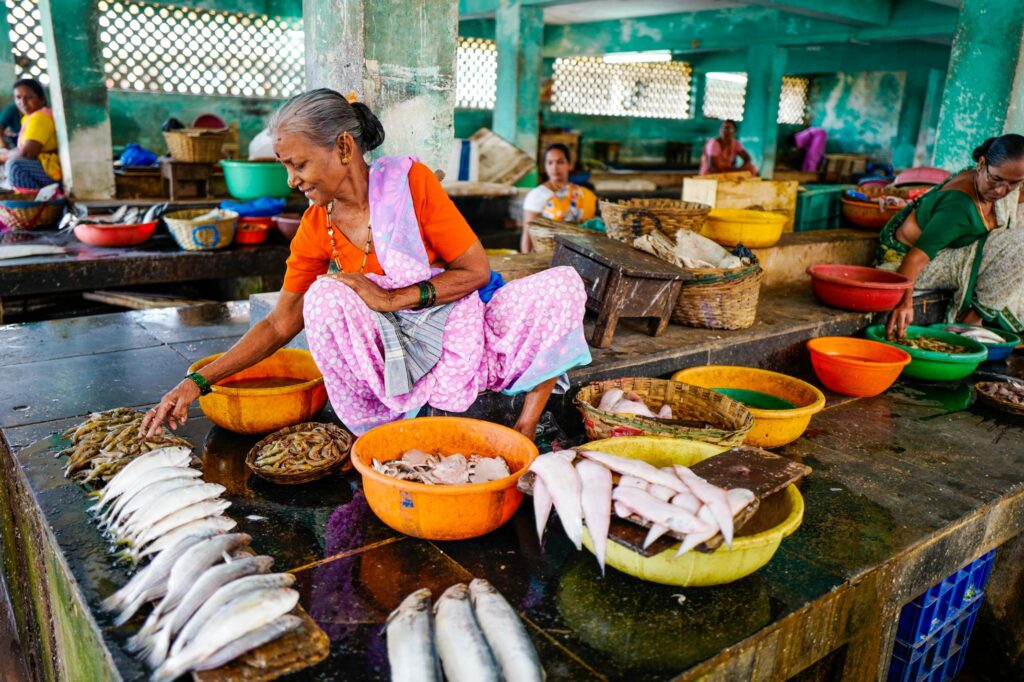
The specific gestures of exchange vary beautifully across cultures. In some places, money must only be passed with the right hand. In others, an object is offered with both hands as a sign of respect. These are the subtle cultural grammars that are learned through observation, not instruction. The photographer acts as a visual anthropologist, documenting these nuances. Each photograph becomes a data point in a larger study of how different societies codify respect, deference, and community in the simple act of buying and selling. This intersection of culture, art, and daily life is a core theme for many institutions, including the American Folklife Center at the Library of Congress.
The Fading Art of Exchange
This series is also a quiet elegy. As the world moves toward digital transactions and impersonal supermarkets, this tactile, human-centered form of commerce is fading. The satisfying heft of a coin in the palm, the direct contact with the person who grew or made your food, the silent language of hands—these are becoming rare experiences. These photographs are an attempt to honor and preserve the memory of that connection. They are a reminder that the most meaningful exchanges are not about the transfer of goods or money, but about the reaffirmation of our shared humanity, one handshake, one handful of grain, one brief touch at a time.
For a raw portrait of the unseen lives powering our nights, read Visible Invisibility: Portraits of Night Workers.