Waiting Rooms: Suspended Lives
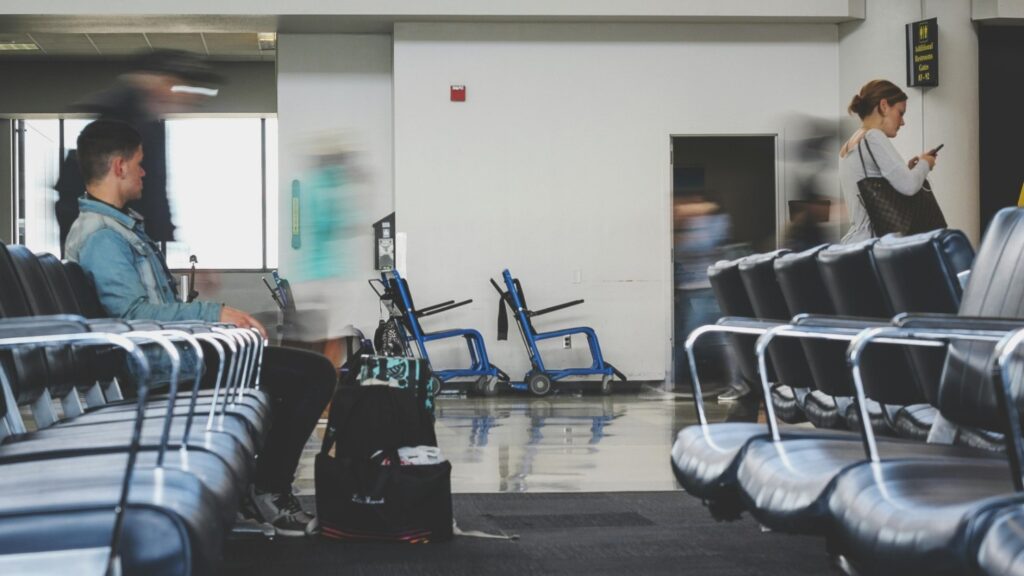
A medical waiting room is a space of profound suspension. It is a peculiar limbo where time seems to slow, stretch, and fold in on itself. Here, strangers are brought together not by choice, but by a shared state of anticipation. This photographic essay, “Waiting Rooms: Suspended Lives,” is a quiet observation of these spaces. It seeks to capture the complex tapestry of vulnerability, hope, anxiety, and the strange, temporary intimacy that emerges when lives are put on pause, waiting for a name to be called.
The Collective Held Breath
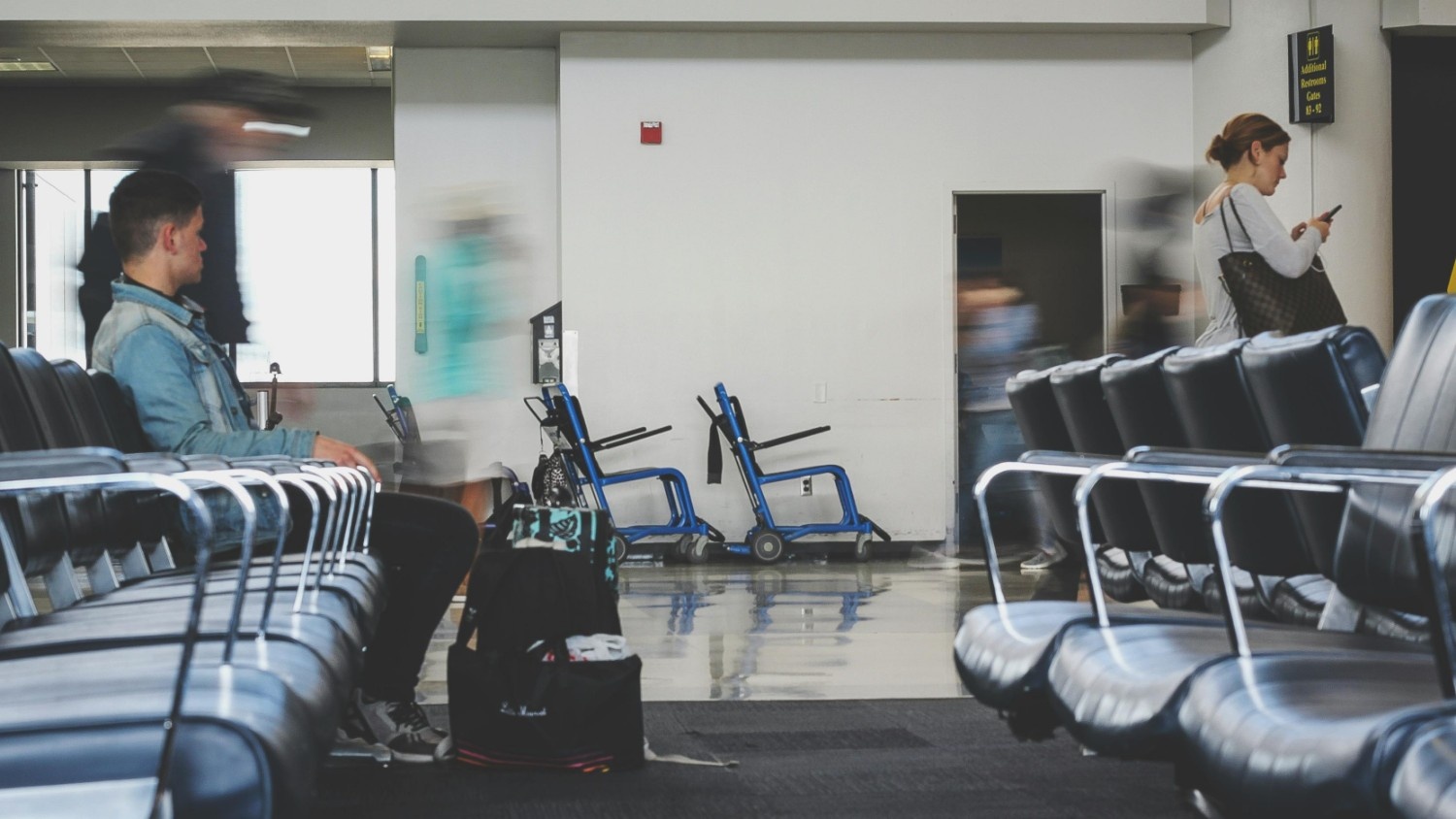
The air in a waiting room is thick with unasked questions. It’s a space of collective held breath. Everyone is there for a reason, each carrying their own private narrative of concern or hope. The room’s architecture—the generic art, the neatly spaced chairs, the low hum of fluorescent lights—is designed for neutrality, yet it becomes saturated with human emotion. The photographer’s task is to capture this charged atmosphere. It is to photograph the silence between the ticking of the clock and the rustle of a magazine page, a silence that is heavy with unspoken stories.
The Choreography of Waiting
There is a subtle, un-choreographed dance that takes place. People instinctively create personal space, their bodies angled away from each other. They stare at their phones, not for connection, but for distraction. They read outdated magazines with a feigned intensity. Yet, small moments of connection break through. A brief, empathetic glance is exchanged between two people when a child starts to cry. A shared sigh is released when the wait becomes particularly long. These are the moments that reveal the shared humanity of the room, a theme of connection in isolation often explored by documentary photographers whose work is highlighted on sites like Magnum Photos.
Portraits in Posture
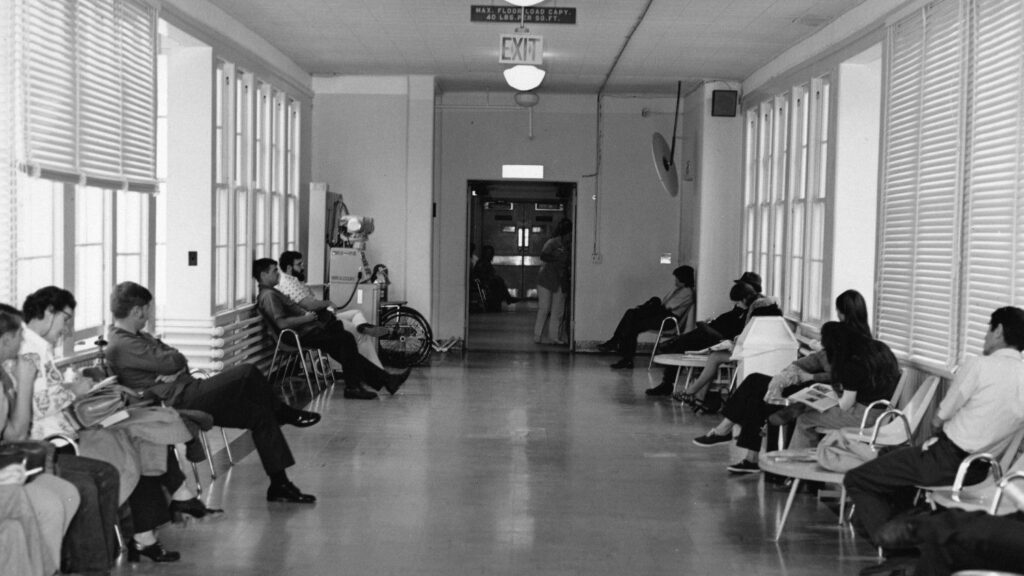
In the absence of conversation, posture becomes a primary form of communication. A person slumped in their chair, head in hands, needs no words to express their weariness or worry. Another sits ramrod straight, their hands clenched tightly in their lap, a portrait of steely, controlled anxiety. A couple leans into each other, their bodies forming a single unit of mutual support. These are unguarded moments. By focusing on the language of the body—the curve of a spine, the placement of a hand, the tension in a shoulder—the camera can create powerful, anonymous portraits of the inner states of waiting.
The Still Life of Anxiety
The objects within the waiting room also tell a story. A half-empty cup of water on a side table. A child’s toy, dropped and forgotten on the floor. A purse clutched so tightly the owner’s knuckles are white. These details form a kind of still life of anxiety. They are the physical manifestations of the internal turmoil of waiting. Photographing these small, quiet scenes can create a powerful sense of the emotional weight of the room without ever showing a face. This method of storytelling through objects is a powerful artistic device, one that can be seen in various forms in collections at museums like the Whitney Museum of American Art.
The Gaze into the Middle Distance
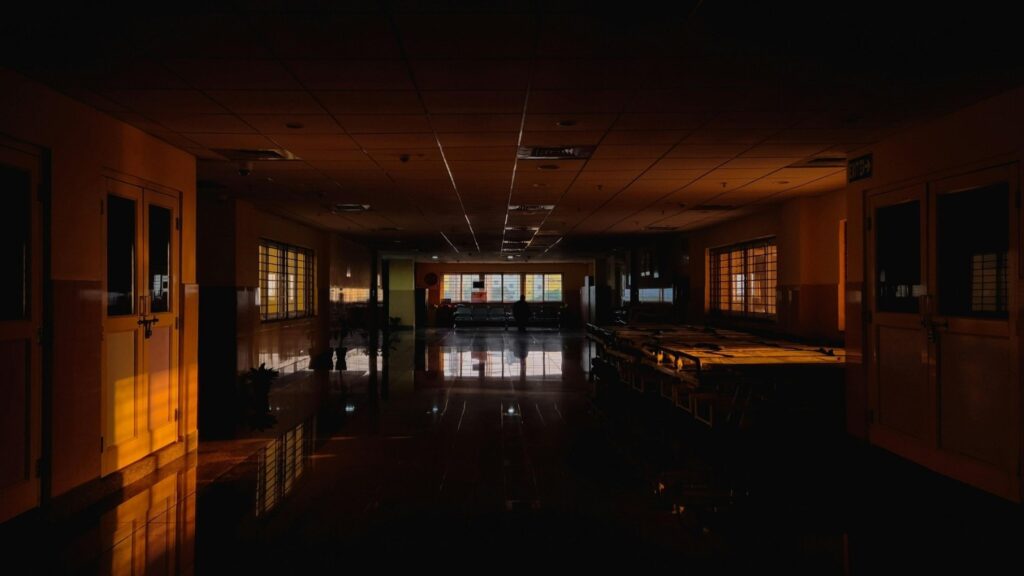
A common sight in any waiting room is the gaze into the middle distance. It is a look that is not focused on anything in the room, but on a point somewhere far beyond the walls. It is the look of a mind turning inward, replaying a conversation, or rehearsing a future possibility. This vacant, introspective gaze is a sign of a person who is physically present but emotionally and mentally elsewhere. Capturing this look is to photograph the very essence of suspended time, a moment when the present is merely a bridge between the past and an uncertain future. This exploration of inner worlds is a common theme in philosophical thought, often discussed in journals like The Point Magazine.
A Shared, Sacred Space
For all its discomfort, the waiting room can also become a strangely sacred space. It is one of the few places in modern life where people from all walks of life are equals, stripped of their professional and social roles, and reduced to the fundamental state of being a patient, or the loved one of a patient. There is a raw, shared vulnerability that permeates the room. This shared experience, however brief and anonymous, creates a temporary community. To photograph this space with empathy is to honor the quiet dignity of people navigating moments of profound uncertainty, together yet alone.
Themes of waiting, stillness, and human presence are explored further in Empty Benches: Silent Witnesses and The Space Between Footfalls, two related articles focused on quiet spaces and moments in between.