Vertical Solitude: Life in the Sky Gardens
In the dense, vertical world of the city, nature is often a distant concept, a park visited on weekends. Yet, for some, it is a secret, personal creation—a garden cultivated stories above the street. This photographic series, “Vertical Solitude,” is an intimate look into these hidden rooftop sanctuaries. It explores the small patches of green that city dwellers create amidst concrete and glass, examining how these elevated gardens become spaces of profound personal meaning and reshape their relationship with the urban world below.
An Acre in the Air
To create a garden in the sky is an act of defiant optimism. It is to claim a piece of the heavens for oneself. These are not grand, manicured parks, but personal, often scrappy, expressions of a deep human need to connect with the earth. I photographed a small balcony overflowing with tomato vines, the red fruit like jewels against a backdrop of grey skyscrapers. On another rooftop, a collection of potted herbs formed a fragrant oasis, their scents a gentle rebellion against the city’s exhaust fumes. Photographing these spaces is about capturing the scale of this ambition—the creation of a personal Eden, an acre in the air.
A Dialogue with the Cityscape
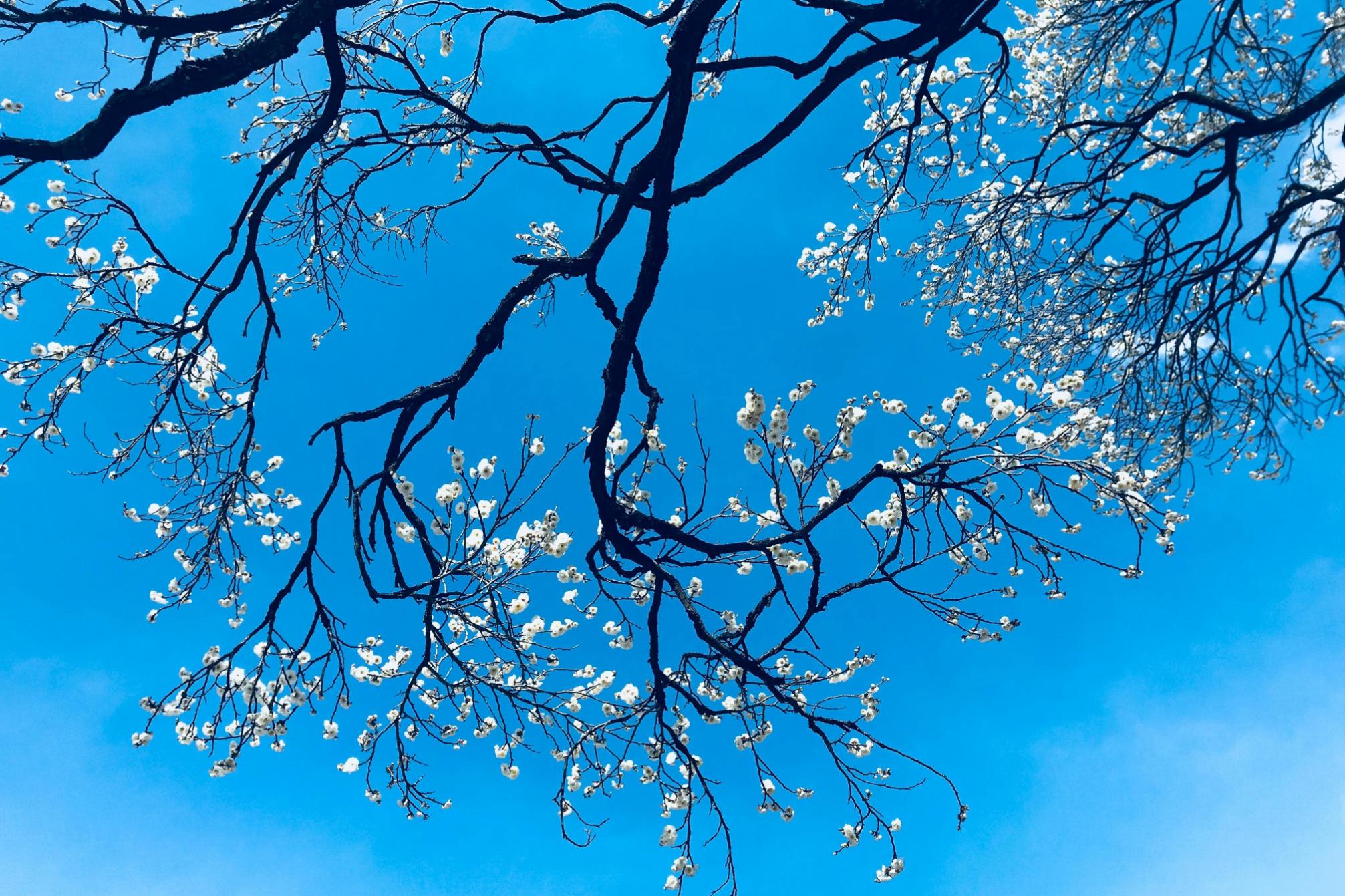
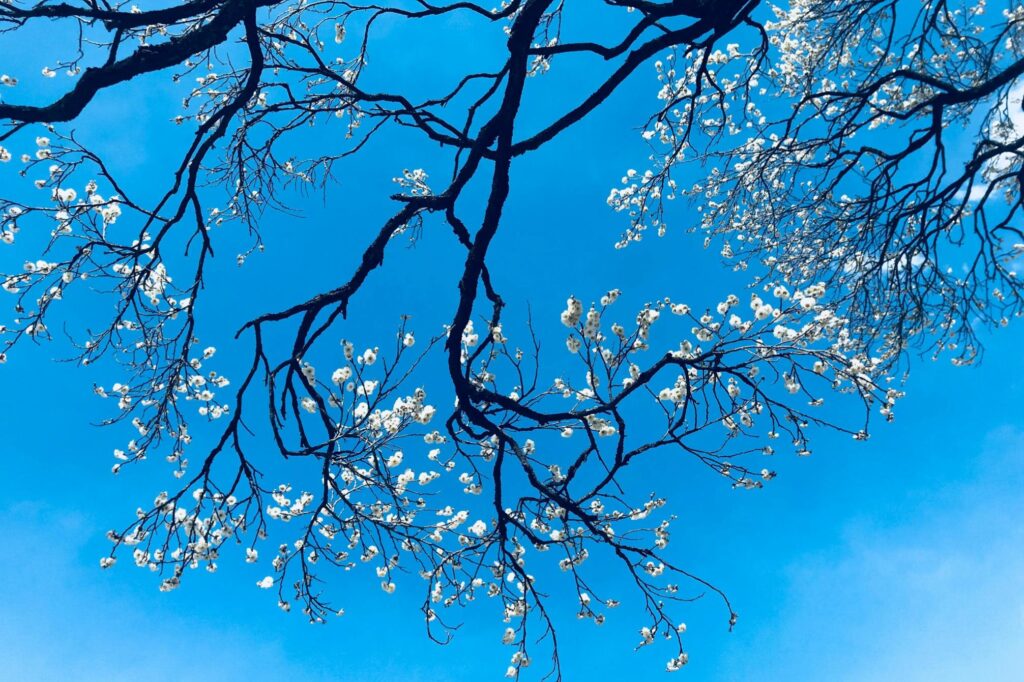
From these elevated gardens, the city looks different. The noise of traffic becomes a distant hum, the relentless pace of life below feels removed. The garden acts as a frame, changing the perspective on the urban environment. A skyline viewed through a trellis of flowering jasmine feels softer, more romantic. The harsh lines of opposing buildings are broken by the delicate, chaotic forms of leaves and stems. The relationship becomes a dialogue rather than an assault. This concept of re-framing our view of urban spaces is a central theme in contemporary urban photography, often showcased by collectives like the World Photography Organisation.
The Gardener as Quiet Curator
The creators of these sky gardens are curators of their own small worlds. They are not just gardeners; they are architects of solitude. Each choice—the type of plant, the placement of a pot, the addition of a small chair—is a deliberate act of world-building. I photographed a woman tending to her roses at dawn, the soft morning light illuminating her focused expression. Her movements were a quiet ritual, a morning prayer spoken in the language of soil and water. The garden is a reflection of its keeper, a living portrait of their need for beauty, control, and a quiet space to simply be.
The Light from Above
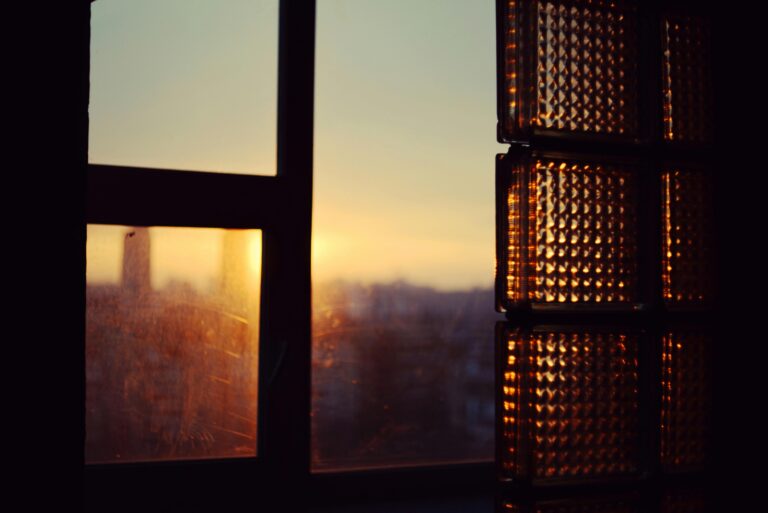
The light in these high-altitude gardens is unique. Unfiltered by trees or other buildings, it can be harsh and direct, but it can also be incredibly pure. A sunset from a rooftop garden is a spectacular event, the sky set ablaze with color, casting a warm, dramatic glow over the small patch of green. The rain here feels different, too, each drop a percussive note on a leaf, a sound distinct from the hiss of rain on pavement. Capturing this specific quality of light is key to conveying the unique atmosphere of these spaces, a challenge that engages with the very essence of landscape art, a history richly held by institutions like the Getty Museum.
A Sanctuary for the Soul
More than anything, these sky gardens are sanctuaries. They are places to retreat, to breathe, to disconnect from the digital and reconnect with the cyclical rhythms of nature. In a world of constant stimulation, a rooftop garden offers a precious, cultivated silence. I have observed people sitting in their gardens, not doing anything, simply staring at a leaf or watching a bee move from flower to flower. This act of quiet contemplation is a form of mental and spiritual nourishment. The philosophical importance of such “non-productive” moments of being is a theme explored in depth by writers and thinkers, such as those published in The Point Magazine.
Life Persisting
Ultimately, these gardens are a powerful symbol of life persisting in unlikely places. A single, determined weed pushing through a crack in a container, a tomato vine fruiting twenty stories in the air—these are small miracles. They are a testament to the resilience of both nature and the human spirit. The photographs in this series aim to honor that resilience. They celebrate the quiet, often invisible, efforts of those who bring a patch of green to the concrete jungle, creating their own vertical solitude and finding a personal patch of peace high above the noise of the world.
This exploration of resilience and memory continues in The Weight of Shadow: How Buildings Remember, while the human stories shaped by concrete landscapes are further examined in Concrete Dreams: The Last Residents of Vanishing Public Housing.