
The Weight of Shadow: How Buildings Remember

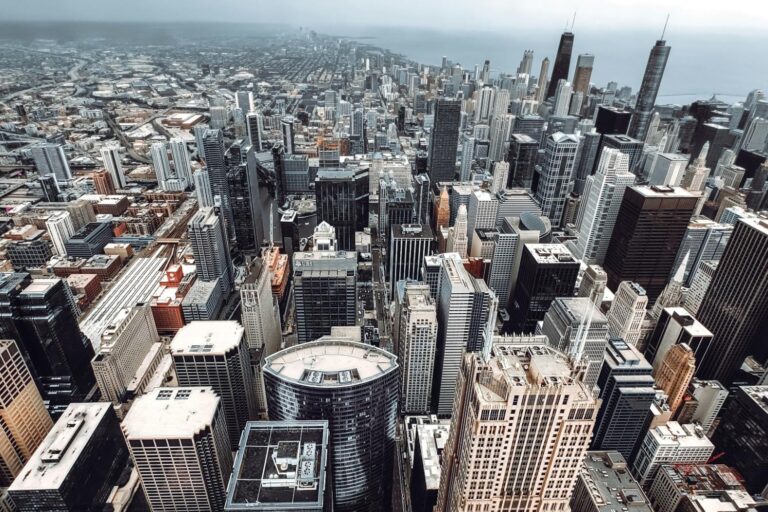
A building is a solid, static thing, a monument of concrete, steel, and glass. We see it as a permanent fixture in the urban landscape. But every day, it creates something fluid and alive: its own shadow. This photographic essay, “The Weight of Shadow,” is a study of how these moving patterns of darkness become unintentional memorials. It explores the way a building’s shadow travels across neighboring walls and streets, marking the passage of time and subtly shaping the emotional geography of the city. It is an attempt to photograph not the structure itself, but its silent, temporal twin.
The Slow Sweep of a Sundial
To watch a building’s shadow over the course of a day is to witness the city as a giant sundial. The sharp edge of a skyscraper’s shadow begins at dawn, long and distorted, stretching across streets and sleeping facades. As the sun climbs, the shadow contracts, becoming a dark, cool pool at the building’s base. By late afternoon, it lengthens again, reaching in the opposite direction, its form softening as the light fades. Photographing this slow, deliberate sweep is an exercise in patience. It requires returning to the same spot, hour after hour, to capture the silent, inexorable march of time painted in shades of grey.
A Seasonal Pilgrimage
The path of a shadow is not just a daily journey, but a seasonal one. In winter, when the sun hangs low in the sky, a building casts a long, persistent shadow that can keep a neighboring courtyard in a state of perpetual twilight. In summer, the sun is high and the shadow’s reach is shorter, offering a brief, sharp respite from the heat. This seasonal pilgrimage changes the character of the spaces it touches. A wall that is sun-drenched in June might be cloaked in shadow all day in December. Tracking this annual change reveals the building’s enduring, cyclical impact on its environment, a concept of time and place beautifully captured in the land art movement, documented by organizations like the Holt/Smithson Foundation.
A Dialogue Between Surfaces
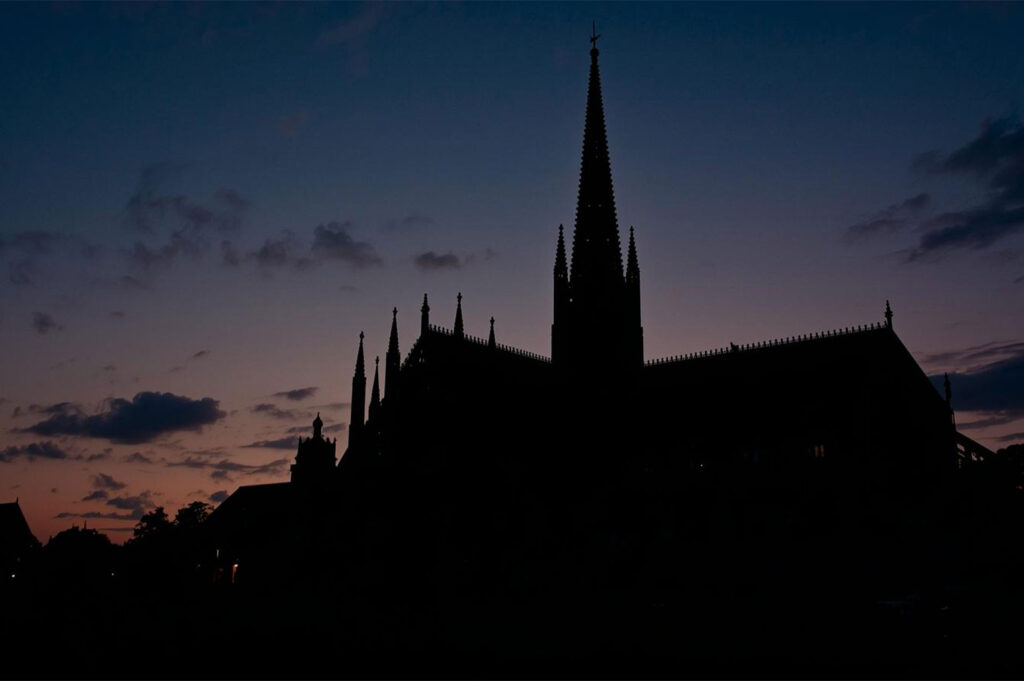
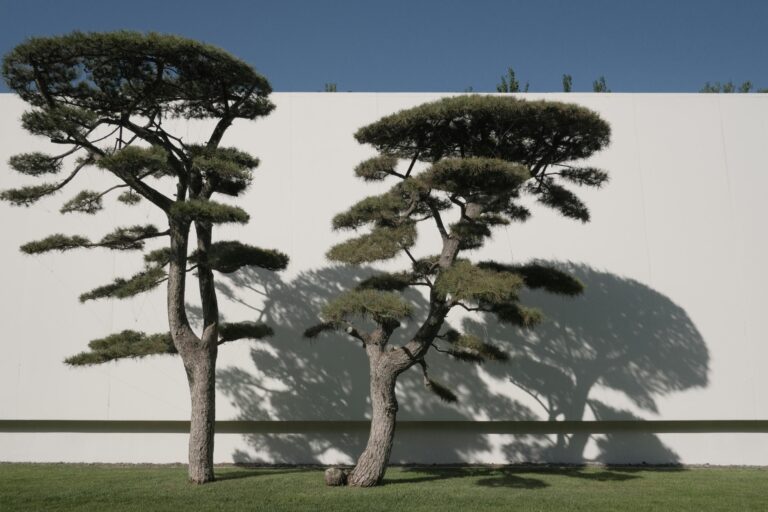
A shadow is a conversation between the object that casts it and the surface that receives it. The jagged silhouette of a historic cathedral looks different when projected onto the smooth, modern glass of a new office tower than it does on the weathered brick of an old tenement. The texture of the receiving surface becomes part of the shadow’s character. The shadow reveals the contours of the wall it falls upon, highlighting every crack, ledge, and imperfection. This dialogue between form and surface, light and texture, is the very essence of architectural photography, a field whose masters are celebrated by platforms like ArchDaily.
The Emotional Temperature of a Place
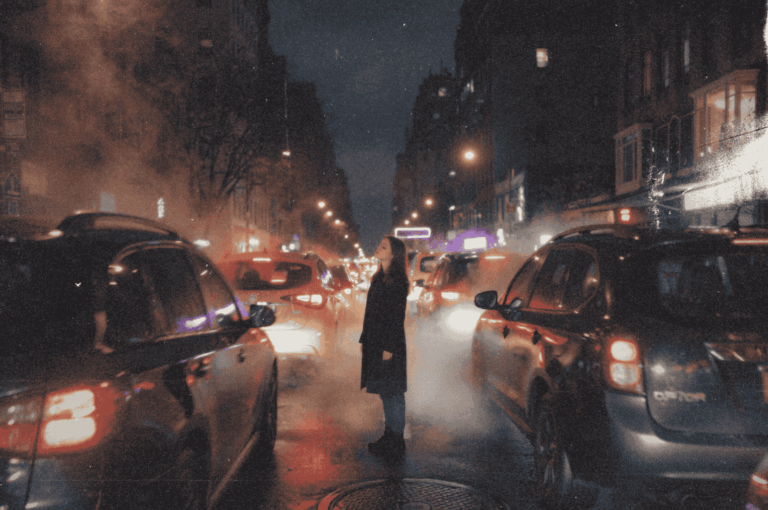
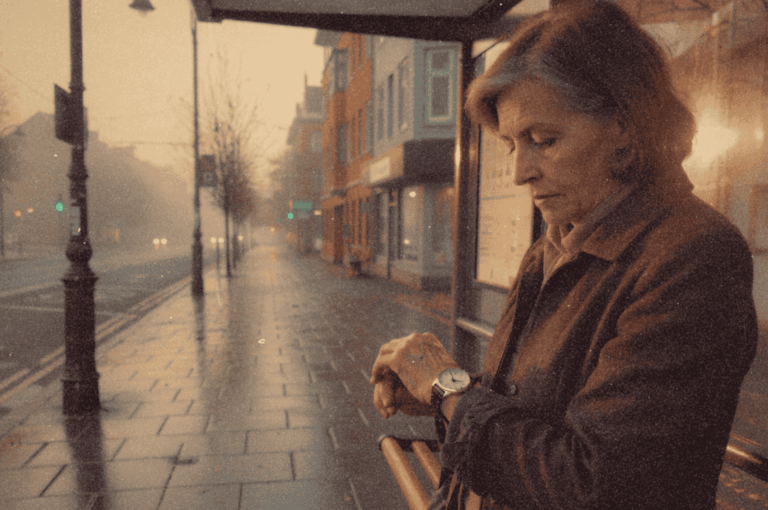
These moving shadows alter the emotional temperature of the places they touch. A sunlit plaza feels open, public, and energetic. When a large shadow falls over it, the mood shifts. The space becomes quieter, more intimate, even melancholic. People’s behaviors change; they might seek the cool of the shadow on a hot day or hurry through its chill on a cold one. The shadow creates an unintentional room within a public space, a temporary zone with its own distinct feeling. This idea that our environment shapes our inner lives is a central theme in the field of psychogeography, explored by thinkers whose ideas are often discussed in publications like Places Journal.
Remembering What Is Gone
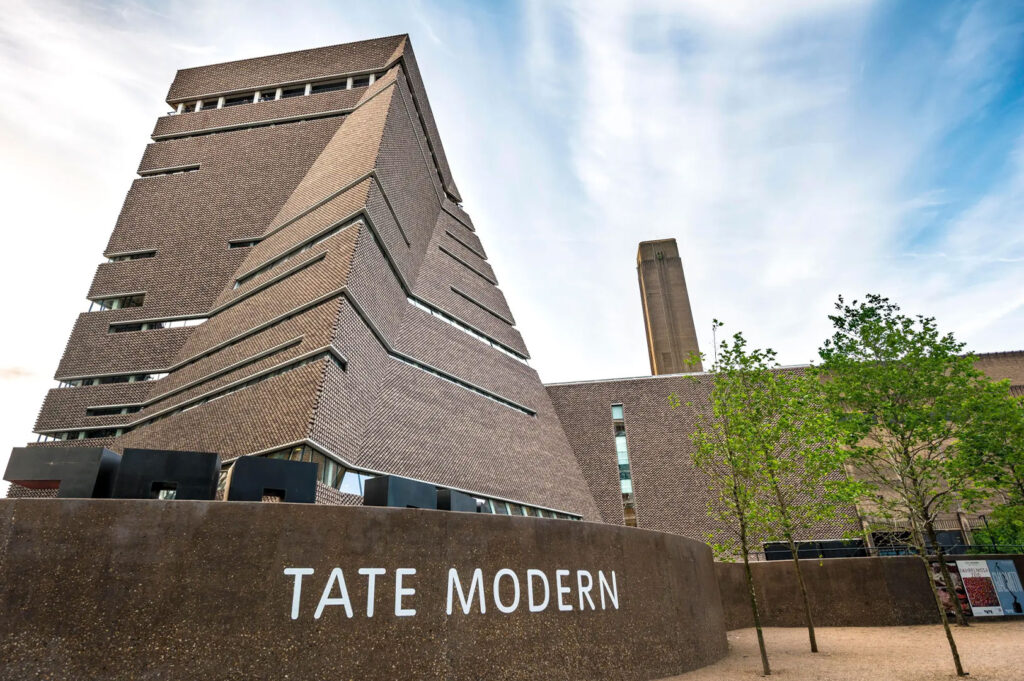
Shadows can also be memorials to what is no longer there. A building is demolished, but the neighboring wall, now suddenly exposed to the sun, retains a “memory” of the shadow it once held. The paint might be less faded, the brick cleaner, in the exact shape of the departed structure. This ghost-outline is a physical scar of absence, a photonegative of memory. Capturing this phenomenon is to photograph time itself—the past made visible in the present. This profound relationship between memory, loss, and the urban landscape is a powerful undercurrent in contemporary art, often explored in the collections of museums like the Tate Modern.
The Weight of Absence
In this way, a shadow carries weight. It is not empty space, but a powerful presence. It is the physical manifestation of an object’s impact on the world around it. It reminds us that every structure, no matter how solid, has a transient, intangible influence that reaches far beyond its physical footprint. By photographing these dark, moving forms, we are not just documenting architecture. We are capturing the subtle, silent way that buildings remember and are, in turn, remembered, long after the sun has set.
To continue exploring the powerful relationship between place, memory, and disappearance, delve into Concrete Dreams: The Last Residents of Vanishing Public Housing. For a shift in focus to how environments influence our inner lives, read our essay on personal well-being and space, Healing Landscapes: Photographing Places of Personal Recovery.