The Plate That Will Not Exist Tomorrow: An Ephemeral Evening at Sushi Masa by Ki-setsu
A city has two lives. There is the city of the sun—solid, defined, and bustling with the explicit purpose of commerce and movement. Then, as dusk settles, a second city emerges, superimposed over the first. This is the city of the night, a place not of solids but of light and shadow, where buildings shed their daytime identities and assume new, mysterious personalities. This photographic essay is an exploration of that transformation, a meditation on the secret life of architecture after dark and the alternate reality sculpted by artificial light.
The City Dissolves into Light
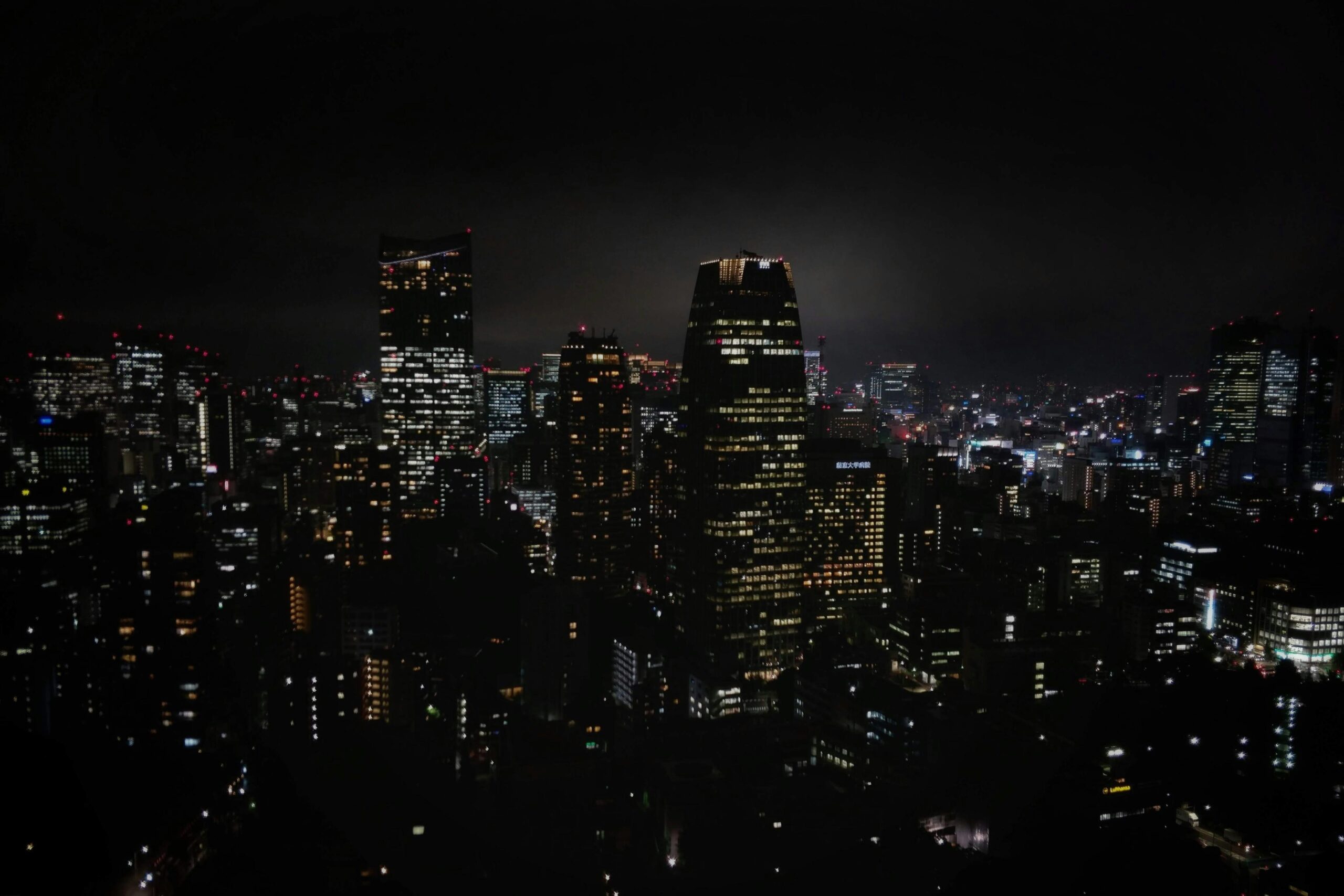
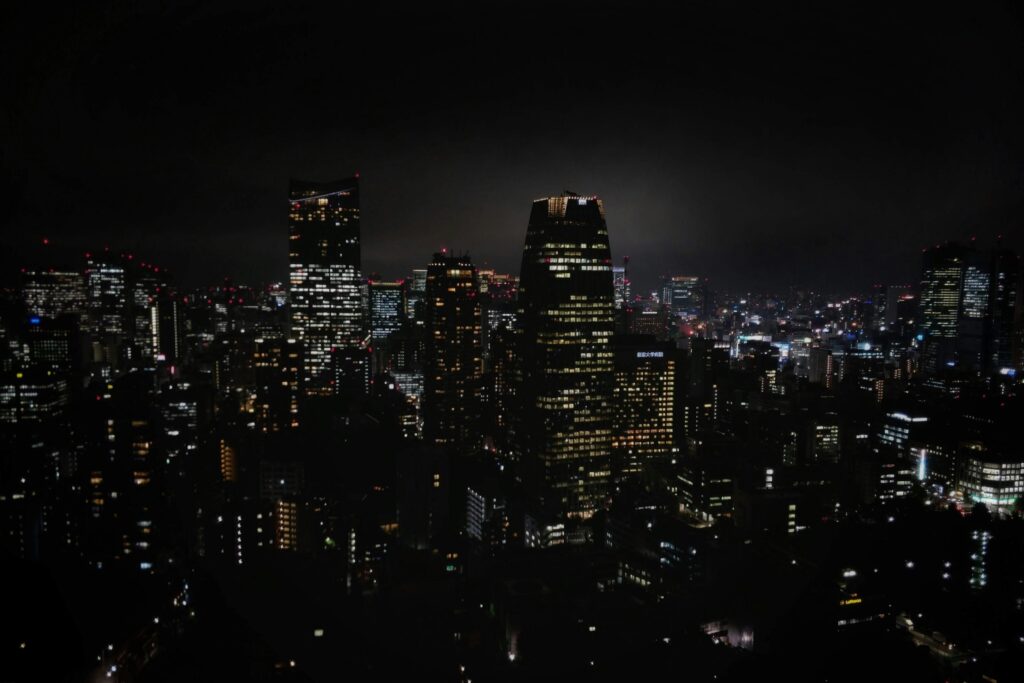
As darkness falls, the physical mass of the city begins to dissolve. A skyscraper is no longer a tower of concrete and steel; it becomes a grid of glowing, amber rectangles floating in the void. A bridge is not a feat of engineering but a delicate, incandescent line drawn across black water. The photographer’s work at night is not to document structures, but to capture light itself. Using a long exposure, the camera can render these points of light as solid forms, turning a busy street into a river of red and white streaks, a calligraphy of pure motion and energy.
A New Hierarchy of Form
At night, the architectural hierarchy is inverted. A grand, imposing bank building, the center of power by day, might recede into darkness, while a humble, all-night diner becomes a radiant beacon, a warm, humming island of welcome. The light dictates what is important. The photographer learns to see this new map of significance, focusing on the structures that are given a voice by the night. The camera is drawn to the places that glow, creating a visual narrative based on illumination rather than on scale or daytime function. The works of artists like Brassaï, who famously photographed Paris by night, exemplify this re-seeing of the urban landscape, and his legacy is celebrated by institutions like the Museum of Modern Art (MoMA).
Windows as Intimate Portraits
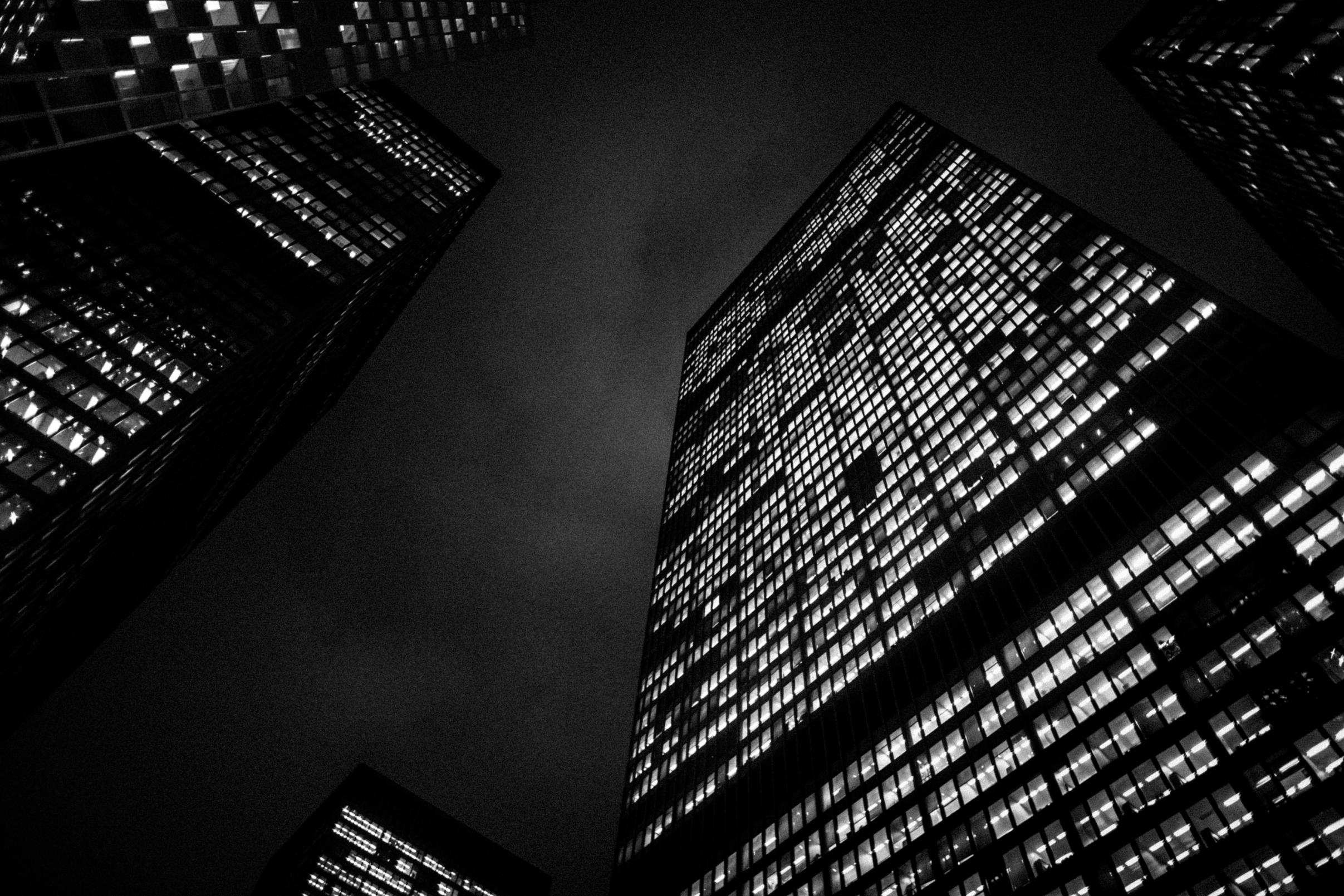
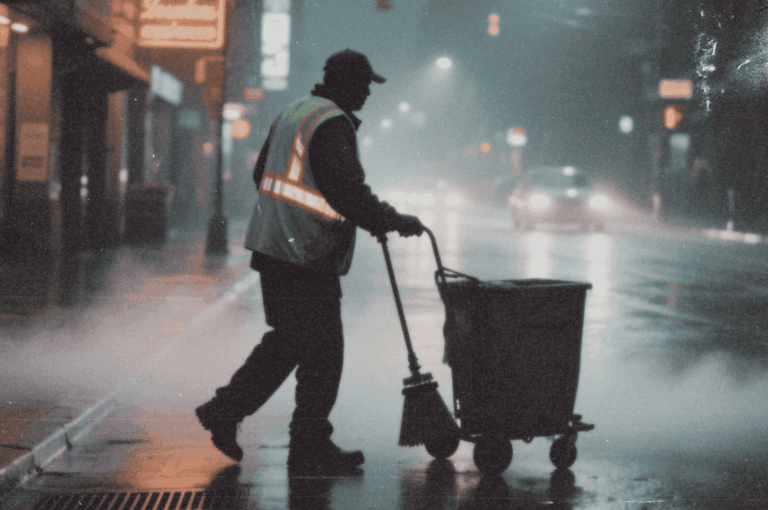
By day, the windows of an office tower are reflective, anonymous shields. By night, they become tiny, illuminated stages. Each lit window is a vignette, a brief, stolen glimpse into a life within. One window might show the solitary figure of a cleaner, another the warm, cluttered chaos of a creative agency working late. These isolated squares of light turn a monolithic facade into a mosaic of human stories. Photographing them feels like an act of quiet, respectful eavesdropping. Each window is a portrait in miniature, a testament to the persistent pulse of human activity even as the city sleeps.
The Language of Color
Night lighting has its own emotional language. The harsh, greenish-white of fluorescent office lights speaks of utility and exhaustion. The soft, golden glow from an apartment window evokes warmth, domesticity, and safety. The lurid, electric hum of a neon sign tells a story of commerce, desire, and sleeplessness. The photographer becomes a translator of this language, composing images that use color to convey the mood of a place. A single, blue-lit window in an otherwise dark building can create a profound sense of loneliness and mystery. This use of color to evoke emotion is a key element in visual storytelling, explored by countless artists and filmmakers, and discussed in creative communities like Colossal.
Where Light and Shadow Dance
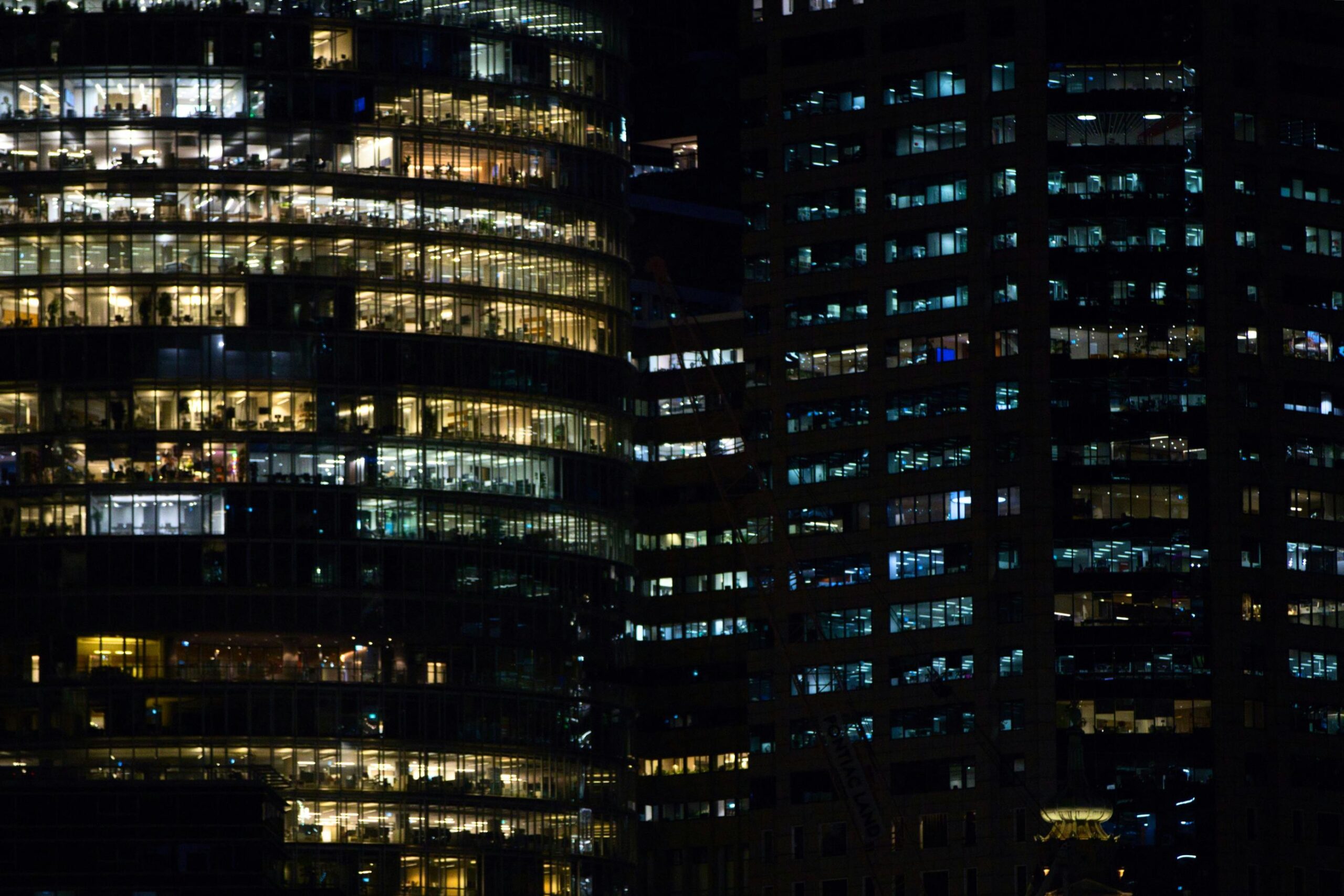
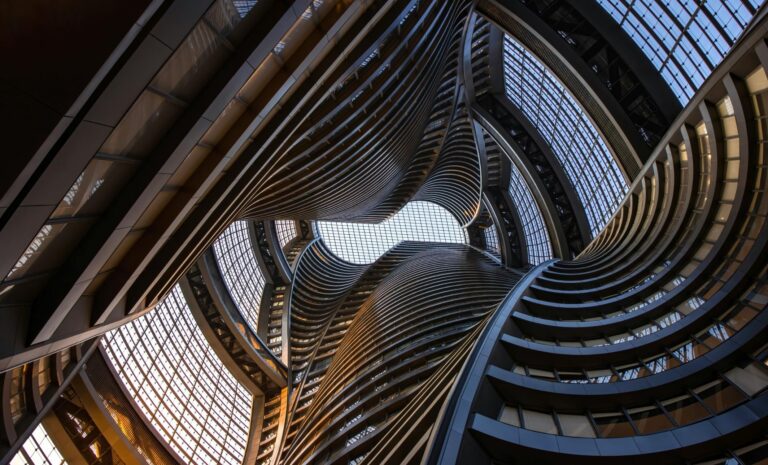
Night architecture is defined as much by shadow as by light. Light carves shapes out of the darkness, creating dramatic, high-contrast compositions. An alleyway, mundane by day, becomes a theatrical space of deep, velvety shadows and sharp, slicing light. A familiar monument, when lit from below, can appear menacing or majestic, its features exaggerated and its form made alien. The photographer at night is a sculptor, using the interplay of light and dark to reveal the hidden drama of a building’s form. This focus on form and abstraction connects night photography to a long tradition of modernist art, celebrated in museums like the Guggenheim.
The City’s Dream State
To walk through the city at night with a camera is to walk through its subconscious. The familiar is made strange. The world is quieter, slower, and more contemplative. The buildings, free from the burden of their daily functions, seem to dream. They reveal a more poetic, abstract version of themselves. They become pure form, pure light, pure mood. Photographing this dream state is an act of meditation. It requires patience, a slow shutter, and a willingness to see beyond the literal.
This series is an ode to the city’s second self, the one that awakens when the sun goes down. It is a search for the stories told not in brick and mortar, but in lumens and shadow. It is a reminder that the places we think we know have a secret life, one that is waiting to be seen when we adjust our eyes to the beautiful, transformative power of the dark.
Discover more about this nocturnal exploration in “Vertical Solitude: Life in the Sky Gardens” here.