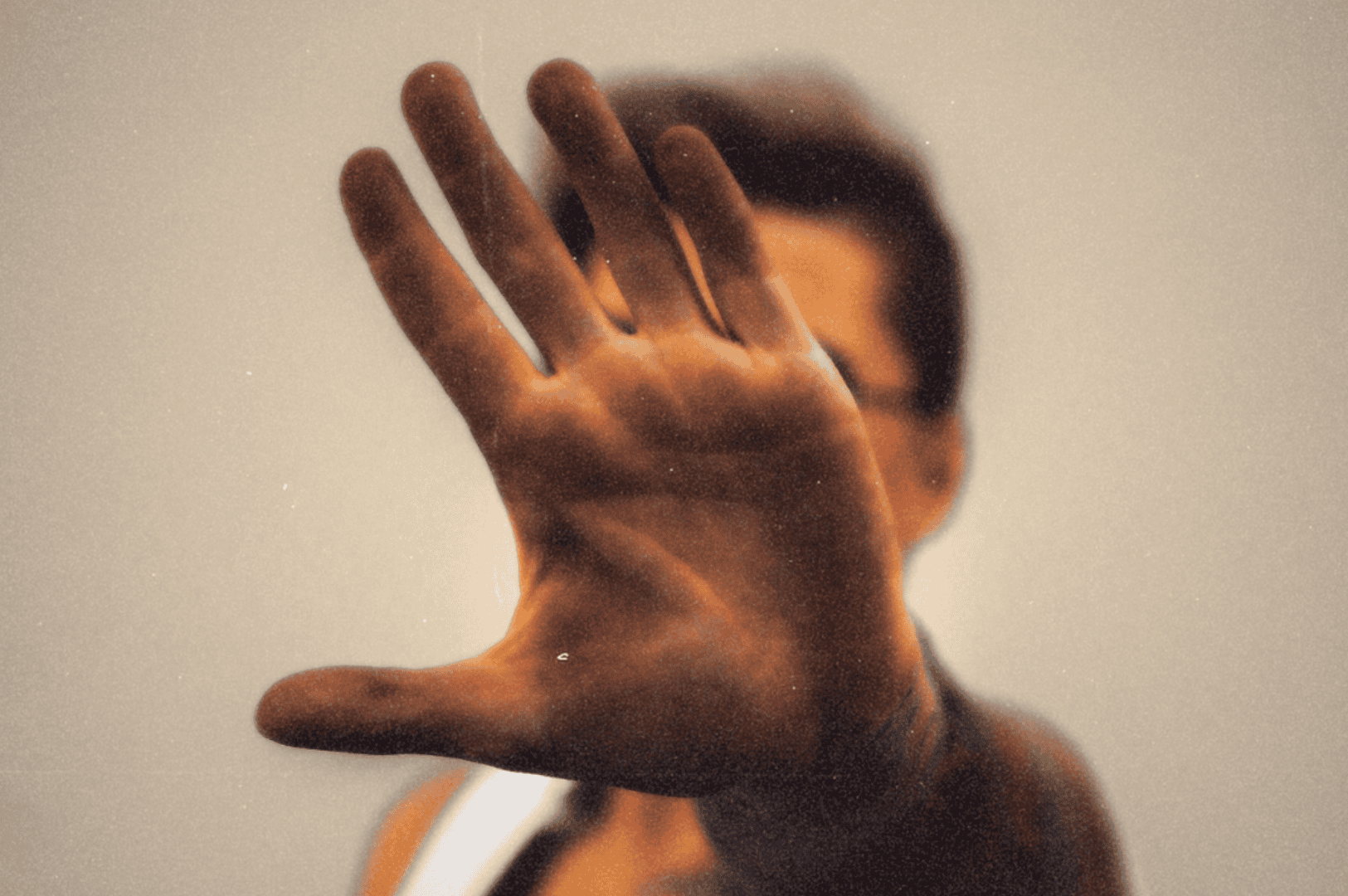
Hands That Speak: Lives Written in Palms
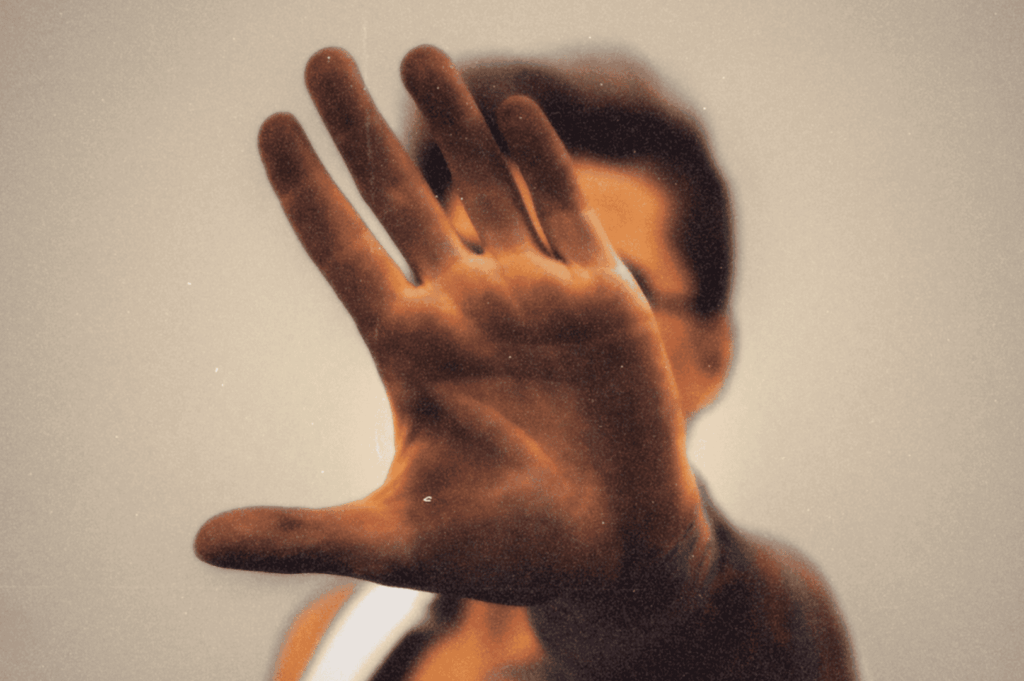
Before we learn to read words, we learn to read faces. But long after a face has learned to conceal, the hands continue to tell the truth. They are the silent archivists of our lives, the place where our work, our loves, and our struggles are written in a language of texture and form. This photographic essay is a journey into that language. It is a close-up exploration of how the physical condition of a person’s hands—the calluses, the scars, the ink stains, the softness—offers an intimate and unfiltered story of their journey through the world.
The Autobiography in the Palm
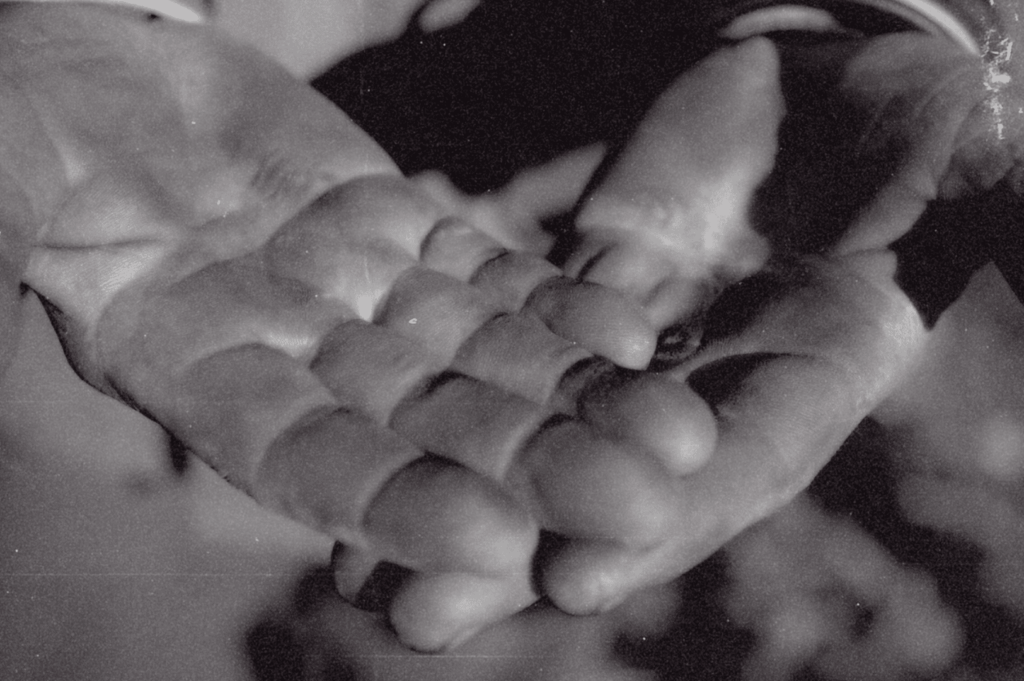
A portrait of a person’s hands is, in many ways, more honest than a portrait of their face. Hands have no pretense. They show the work of a lifetime, etched into the skin. I photographed the hands of a mechanic, his palms a roadmap of grease-stained lines and callused ridges. Each marking was a testament to a thousand bolts tightened, a thousand engines brought back to life. In contrast, I captured the hands of a ceramicist, her fingertips smoothed by the constant touch of wet clay, her knuckles covered in a fine, permanent dust. Her hands spoke of creation, of shaping form from formlessness, a process that is both gentle and demanding.
Scars as Punctuation Marks
Scars are the punctuation marks in the story of a hand. A thin, silvery line on a chef’s finger tells of a moment of inattention with a sharp knife. A cluster of small, faded marks on a gardener’s thumb speaks of countless encounters with thorns. These are not signs of imperfection; they are markers of experience, of moments when the body and the world collided. To photograph a scar is to honor the story it represents. It is to see it not as damage, but as a record of resilience and survival. This idea of finding beauty in imperfection is a core concept in Japanese aesthetics, like wabi-sabi, an idea often explored through art at institutions like the Japan Society.
The Language of Touch
Beyond the marks of labor, hands tell the story of how we connect with the world and with each other. The hands of a new mother, often photographed holding her baby, speak of a newfound, tender strength. They are hands that have learned to be both incredibly gentle and fiercely protective. The hands of an elderly couple, intertwined and resting on a park bench, are a portrait of a lifetime of shared touch. The skin is thin, the veins prominent, but their connection is a palpable force. Their hands, held together, tell a story of enduring partnership that no words could fully capture. The power of human connection is a subject that many artists explore, and their work can often be discovered on platforms like Colossal.
Ink Stains and Paint Splatters
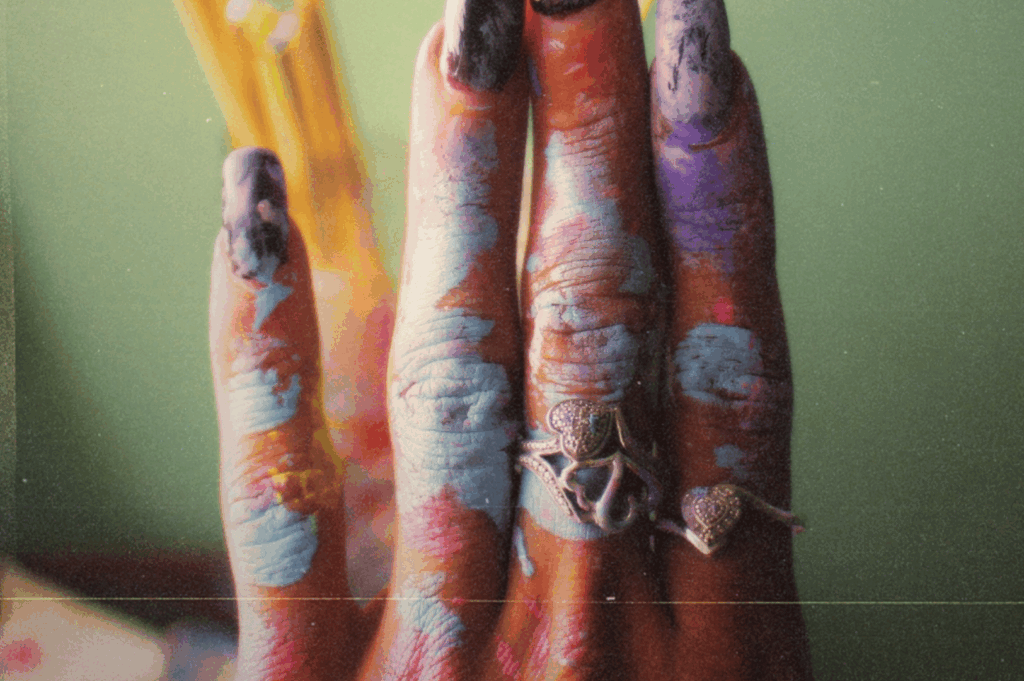
For some, their life’s work leaves a more colorful trace. I photographed the hands of a writer, the side of her little finger permanently smudged with a faint, bluish tint from dragging it across countless pages of ink. It was a subtle, beautiful sign of her dedication to her craft. Similarly, the hands of a painter, splattered with a constellation of dried pigments, are a vibrant, chaotic canvas in themselves. The colors tell you about their recent palette, their creative energy. These are not just messy hands; they are the physical evidence of a creative life, a badge of honor for anyone who makes things. The creative process, in all its messy glory, is a central focus for many artistic communities, including those nurtured by resources like CreativeMornings.
Strength and Softness
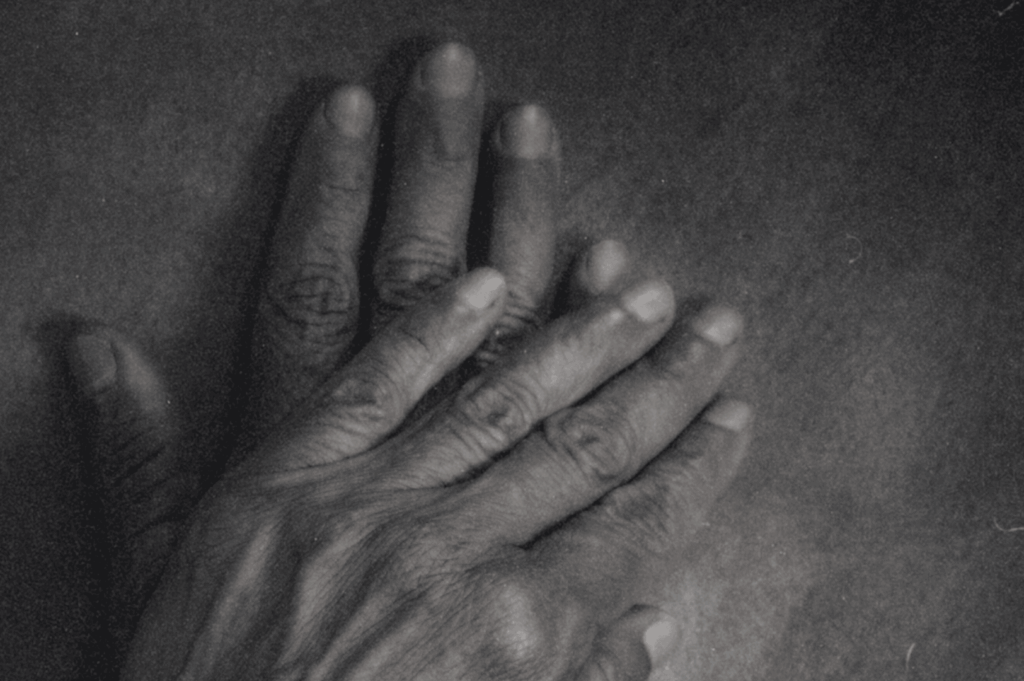
The texture of a hand speaks volumes. The thick, powerful hands of a carpenter convey a sense of grounding and capability. You can almost feel the solid weight of the hammer and the grain of the wood just by looking at them. In contrast, the soft, pale hands of a musician, whose work requires dexterity but not brute force, suggest a different kind of strength—a strength of discipline and precision. Neither is superior to the other. They are simply different dialects of the same language, each telling a story of a life lived in a particular way.
A Portrait of Being
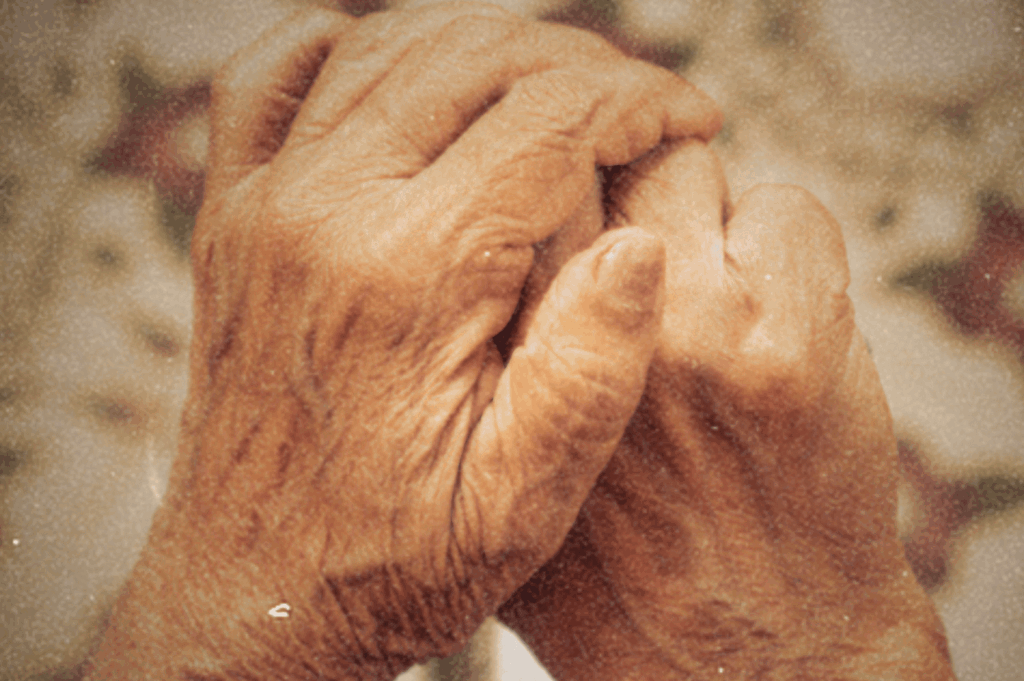
Ultimately, to photograph a person’s hands is to create a deeply intimate and elemental portrait. It is to look past the social mask and see the physical evidence of their being. It is an acknowledgment that our lives are not just a series of events, but a physical journey that leaves its map on our very skin. In the intricate lines of a palm, the roughness of a knuckle, or the grace of a gesture, we can find the unspoken poetry of an entire existence. These are the hands that have built, carried, comforted, and created. They are hands that speak, if we only take the time to listen.
To explore how craft and tradition shape human stories beyond the body, you might also enjoy my essay on Fermentation as Memory: The Living History of Japanese Koji Masters, where hands preserve culture through living microbes. And if you’re drawn to the emotional weight of what we cannot touch, Photographing Absence: Documenting What’s No Longer There offers a reflection on capturing the spaces left behind.