The Empty Plate: A Silence After the Feast
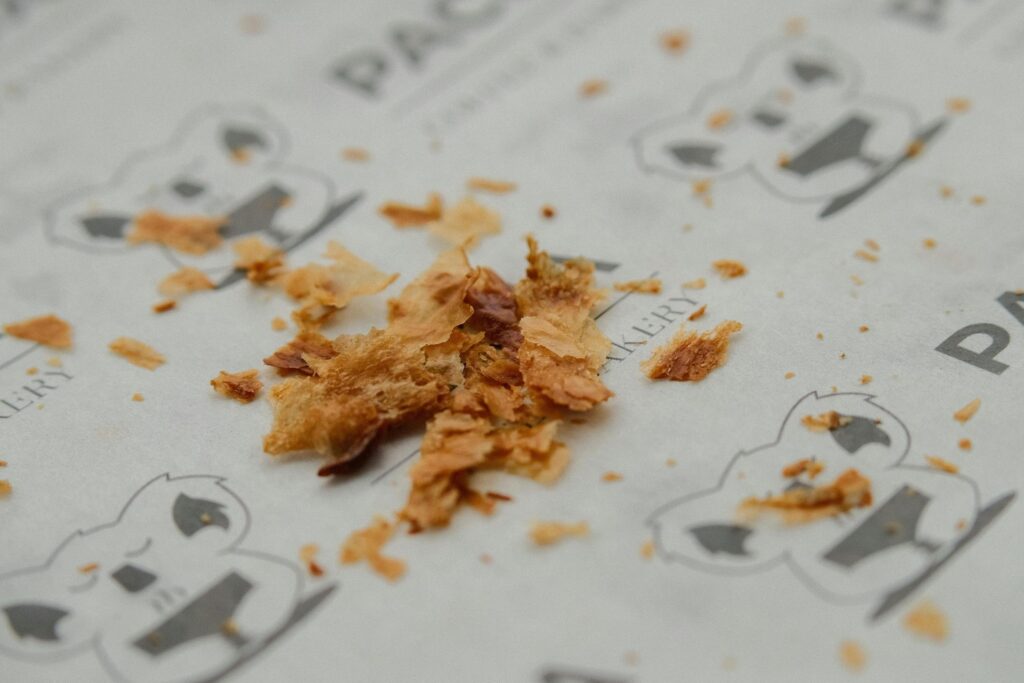
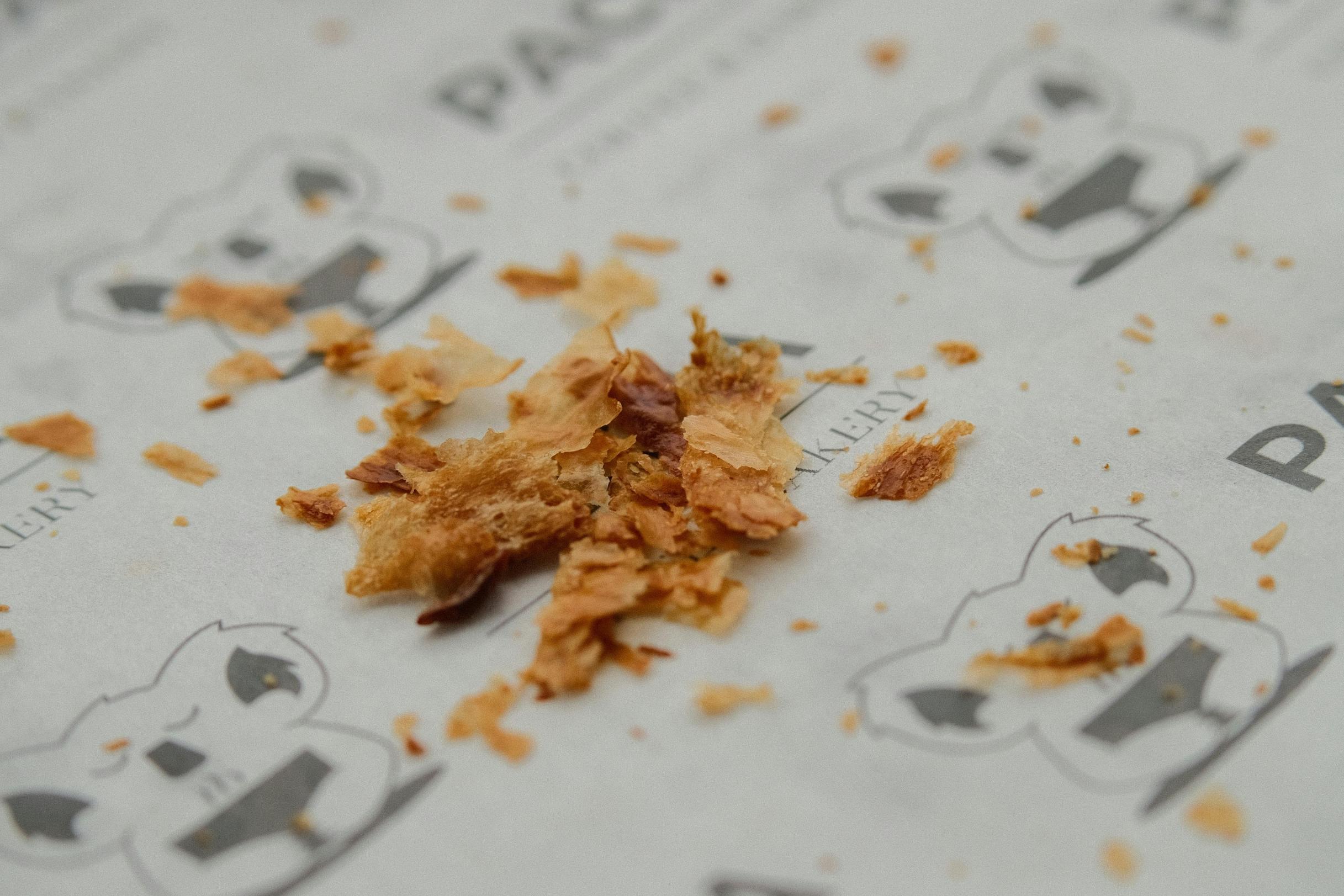
The meal is over. The laughter has softened, the clatter of silverware has quieted, and the guests have leaned back in their chairs, satisfied. What remains on the table is a landscape of aftermath—a collection of crumbs, stained napkins, and plates in varying states of emptiness. To the casual observer, this is merely a mess to be cleared. But to the contemplative photographer, this scene is a text waiting to be read. The empty plate is not just an absence of food; it is a profound cultural statement. This essay explores the visual poetry of the finished meal, examining how the simple act of leaving a morsel or scraping a plate clean reflects deep-seated values of abundance, gratitude, and the invisible spirits that dine among us.
The Archaeology of the Table
Photographing a finished meal is an act of intimate archaeology. You are capturing the traces of a human event, the debris of connection. In the smear of sauce or the scattering of rice, there is a story of what was consumed and what was left behind. It requires a shift in vision—moving away from the perfection of the plated dish to the messy, honest beauty of satiety. The lighting should be soft, perhaps the waning natural light of a late afternoon lunch or the warm, amber glow of evening candles, emphasizing the texture of leftovers and the glaze of oil on ceramics.
The Clean Plate: A Hymn to Scarcity
In many cultures, particularly those shaped by histories of scarcity or strict Protestant ethics, the clean plate is a symbol of virtue. To leave nothing behind is to honor the labor of the cook and the blessing of the harvest. A photograph of a plate wiped clean, perhaps with a piece of bread, speaks of a deep, almost pious respect for sustenance. It is a visual representation of the idiom “waste not, want not.” The ceramic surface shines, reflecting the light, a tabula rasa ready for the next day. This aesthetic of austerity and respect is often captured in the still-life traditions of Northern Europe, art that can be explored in the collections of the Rijksmuseum.
The Polite Residue: An Offering to Abundance
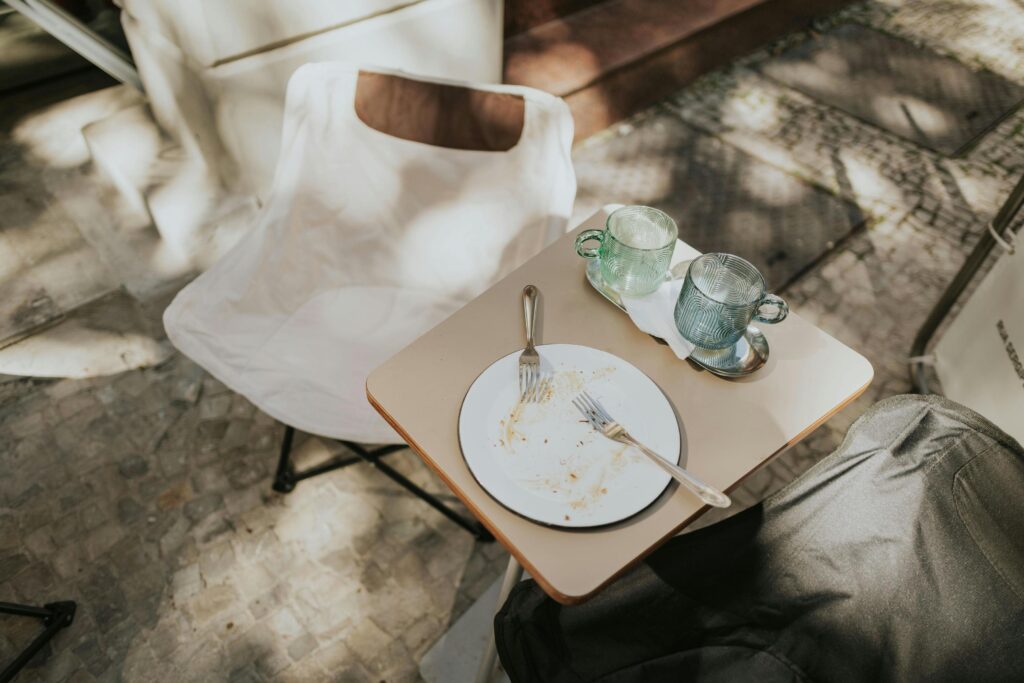
Travel across the globe, however, and the visual language changes. In parts of China and Southeast Asia, a completely empty plate can signal that the host failed to provide enough. Here, the polite guest leaves a small amount of food—a “polite residue.” This remaining morsel is a visual signal of abundance. It says, “I am full; your generosity was more than I could consume.” Photographing this requires capturing the intentionality of the leftover. It is not a discarded scrap, but a deliberate, symbolic arrangement. The small mound of rice left in the bowl is a silent compliment to the host, a gesture of social grace frozen in time.
Feeding the Invisible
In other traditions, the food left on the plate serves a more spiritual function. It is an offering to the ancestors, to the spirits of the land, or to the hungry ghosts who wander the earth. In these contexts, the “empty” plate is never truly empty; it is a bridge between the physical and spiritual worlds. A photographer might focus on a small portion of food set aside on a banana leaf or the corner of a plate, capturing the sacred weight of this small sacrifice. It is a reminder that we never eat alone; we are always in the company of the unseen. This intersection of food, spirit, and culture is a rich field of study, often discussed in essays by Gastronomica.
The Texture of Satiety
Beyond the cultural coding, there is a universal sensory experience in the finished meal. It is the feeling of heavy contentment, of a body at rest. The visual elements of the table reflect this: the crumpled linen napkin, the wine glass with a single, ruby drop at the bottom, the chaotic arrangement of cutlery. These are the textures of satiety. They evoke the warmth of a belly full of good food and the lingering echo of conversation. Capturing this requires a looseness in composition, allowing the disorder to tell its own story of relaxation and release.
Tracing the Human Hand
Even in the absence of people, the empty plate evokes the human hand. We see where a fork scraped a pattern into a sauce, where fingers broke a crust of bread, where a cup was turned. These marks are like fingerprints, evidence of life and appetite. They transform the object into a subject. A close-up macro shot of these details can be incredibly evocative, turning a dirty plate into an abstract landscape of culinary memory and human touch. This focus on the traces of human activity is a theme resonating with the works of contemporary photographers featured in Aperture.
A Meditation on Endings
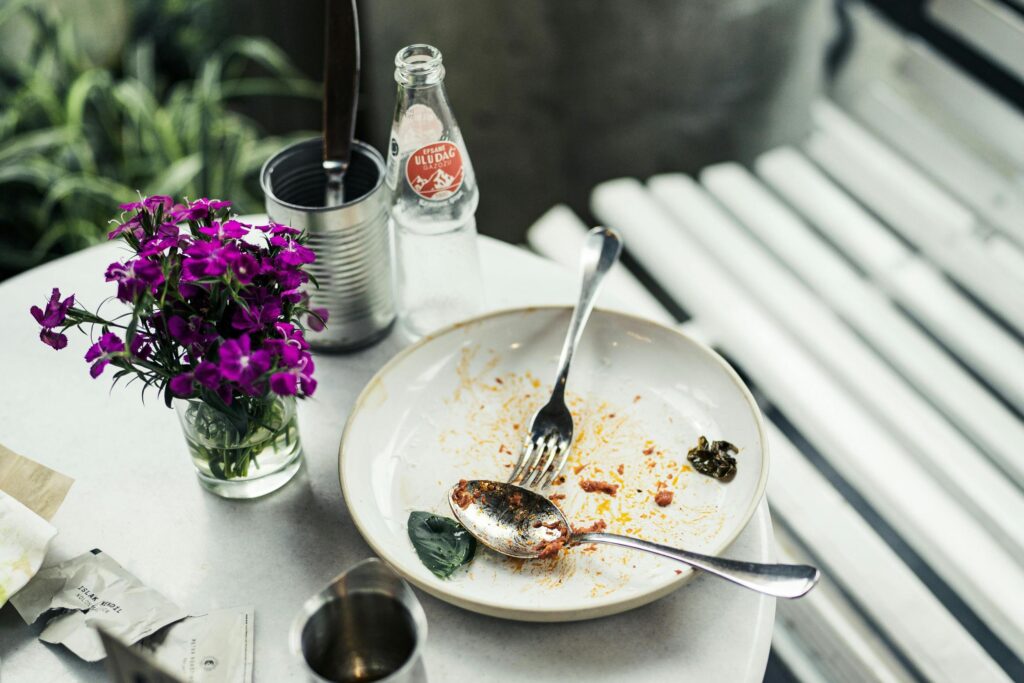
Ultimately, the empty plate is a memento mori—a gentle reminder that all things must end. The feast cannot last forever. The hunger is sated, the bowl is drained, and the moment passes. But in that ending, there is a quiet beauty. It is the pause before the clearing, the silence after the song. By photographing these moments, we are honoring the cycle of hunger and fulfillment that defines our existence. We are acknowledging that the way we finish a meal is just as significant as how we begin it—a final, silent prayer of thanks for the nourishment that sustains our fragile lives.
In the same spirit of honoring what remains and what is shared, we are reminded that connection around food is never solitary—a truth beautifully explored in Communal Cutting Boards: The Heart of Shared Kitchens.