Communal Cutting Boards: The Heart of Shared Kitchens
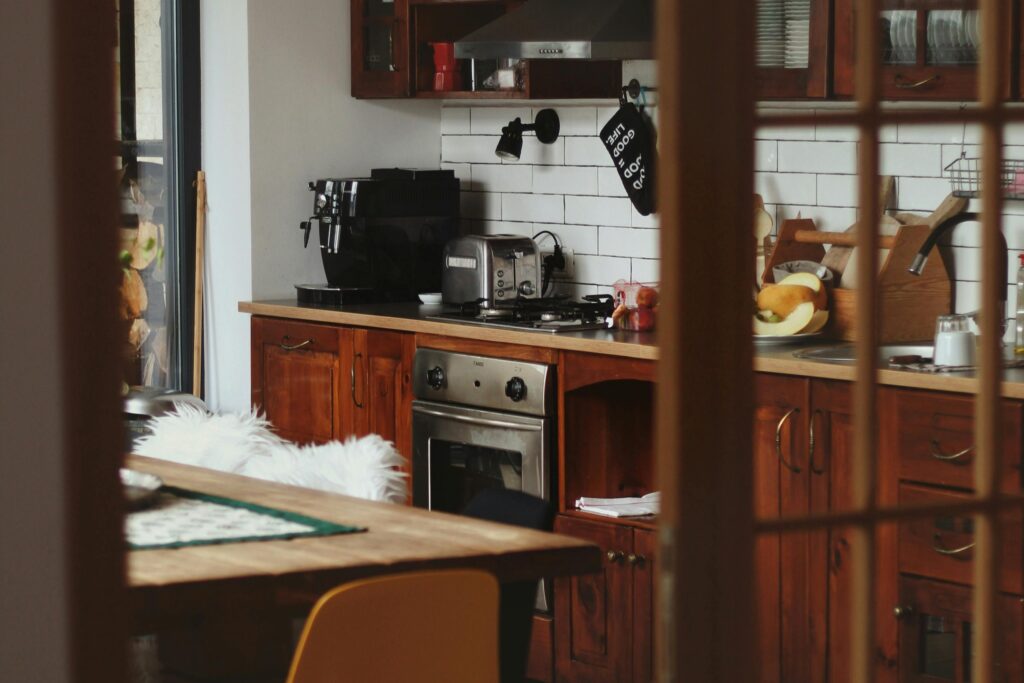
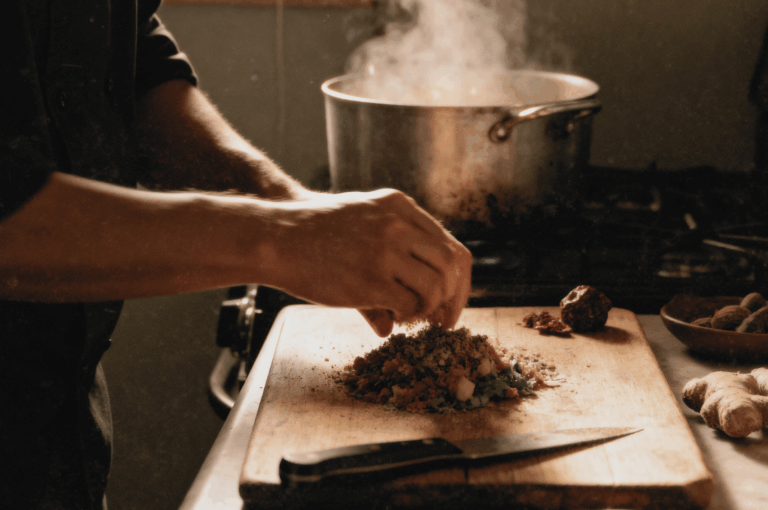
The kitchen is often called the heart of the home, but the true pulse can be found in a much smaller space: the communal cutting board. This is the stage where tradition is performed, where recipes are taught without words, and where the wisdom of generations is passed down through the rhythm of a knife. This photographic essay is a celebration of that shared space, documenting families and communities where multiple hands work together, their movements a choreographed dance of collective effort and shared love.
A Stage for Many Hands
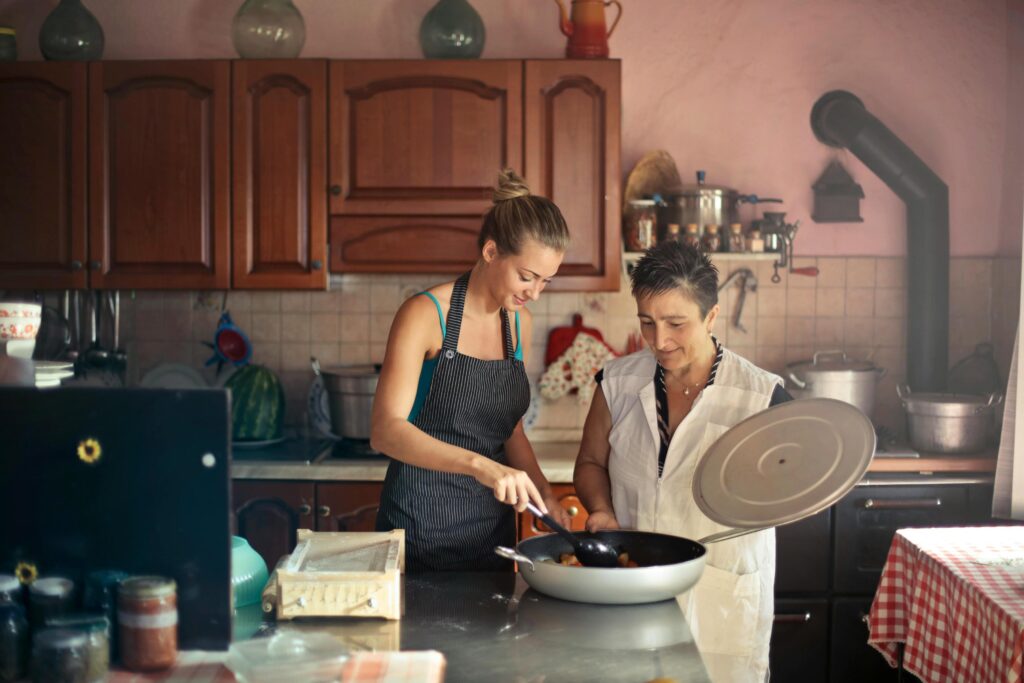
Some foods cannot be made alone. They demand a community. I spent an afternoon in a kitchen where three generations of women were making dumplings. The grandmother, the mother, and the daughter stood shoulder-to-shoulder around a massive, flour-dusted wooden board. There was no single leader; it was a symphony of simultaneous, synchronized action. One pair of hands rolled the dough, another filled the delicate skins, and a third folded the intricate edges. To photograph this was to capture a living, breathing organism, a single purpose being fulfilled by many hands. The camera’s role was to find the small, intimate stories within the larger scene.
The Geometry of Collaboration
There is a beautiful geometry to a communal workspace. Arms cross, hands reach, and bodies lean in a complex, shifting pattern. It is an exercise in unspoken communication and spatial awareness. A photograph can capture this from above, showing the kaleidoscope of hands, ingredients, and utensils. The scarred, well-worn surface of the cutting board becomes a map, its territories temporarily defined by piles of chopped vegetables, mounds of dough, and bowls of filling. The composition tells a story of shared space, of a gentle, practiced choreography learned over years of working together.
Knowledge Transferred Through Touch
On a communal cutting board, knowledge is transferred not through spoken instruction, but through observation and touch. A younger hand learns the right pressure for kneading dough by watching an older one. The correct thickness of a noodle is understood by feeling it between the fingers. I photographed a young boy, his small hands nestled inside his grandfather’s as they learned to chop herbs together. The grandfather wasn’t teaching with words; he was teaching with gentle guidance and shared muscle memory. This is embodied learning, a wisdom that enters through the fingertips and becomes part of who you are. This deep connection between craft, family, and tradition is a theme often found in cultural heritage exhibits, like those curated by the Smithsonian Center for Folklife and Cultural Heritage.
The Scars Tell a Story
A well-used communal cutting board is a document of every meal ever made upon it. Its surface is a landscape of history, covered in the deep, intersecting scars of countless knife strokes. A dark stain might mark the spot where beets are always chopped, a faint scent of garlic might linger in the wood. To photograph the surface of one of these boards is to create a portrait of a family’s culinary history. Each mark is a testament to a celebration, a holiday, or a simple weeknight dinner. It is a beautiful, unintentional archive of nourishment and love. The idea of everyday objects as carriers of memory is a powerful concept, one that resonates with the work of artists who explore domestic life, whose perspectives are often shared by publications like Aperture.
More Than a Meal
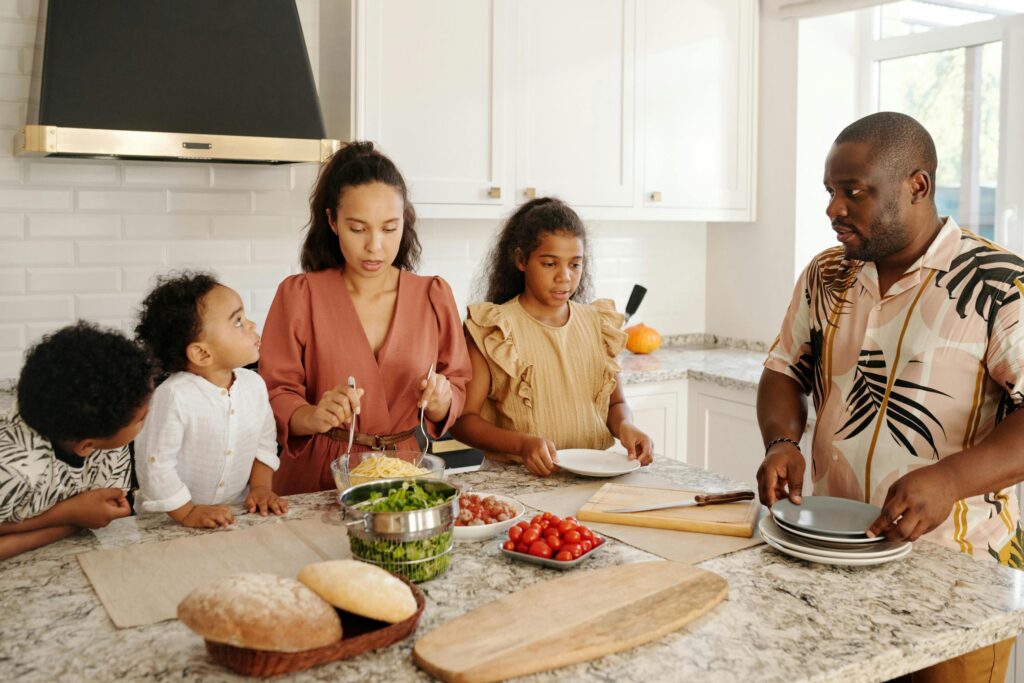
The food that is created on these boards is secondary to the act of its creation. The hours spent together, chopping, talking, and laughing, are the real nourishment. It is in this shared space that family histories are recounted, advice is given, and bonds are strengthened. The rhythmic thud of a knife on wood becomes the steady beat of family life. These moments are the glue that holds a community together. The role of food in building and sustaining community is a subject of deep academic and cultural interest, explored by institutions like the Southern Foodways Alliance.
The Rhythm of Togetherness
This photographic series seeks to honor these spaces of connection. It is a quiet observation of the way simple, repetitive tasks can become a form of meditation and a profound expression of love. It is a testament to the idea that the most important traditions are not written in books, but are practiced in the everyday rituals of life. In the shared space of the communal cutting board, we see that to cook together is to build a life together, one finely chopped onion, one perfectly folded dumpling at a time. The final dish is a delicious consequence, but the true legacy is the unbreakable bond forged by working hands.
For an inspiring peek into tradition, craftsmanship, and culinary heritage, read Fermentation: Japanese Koji Masters.