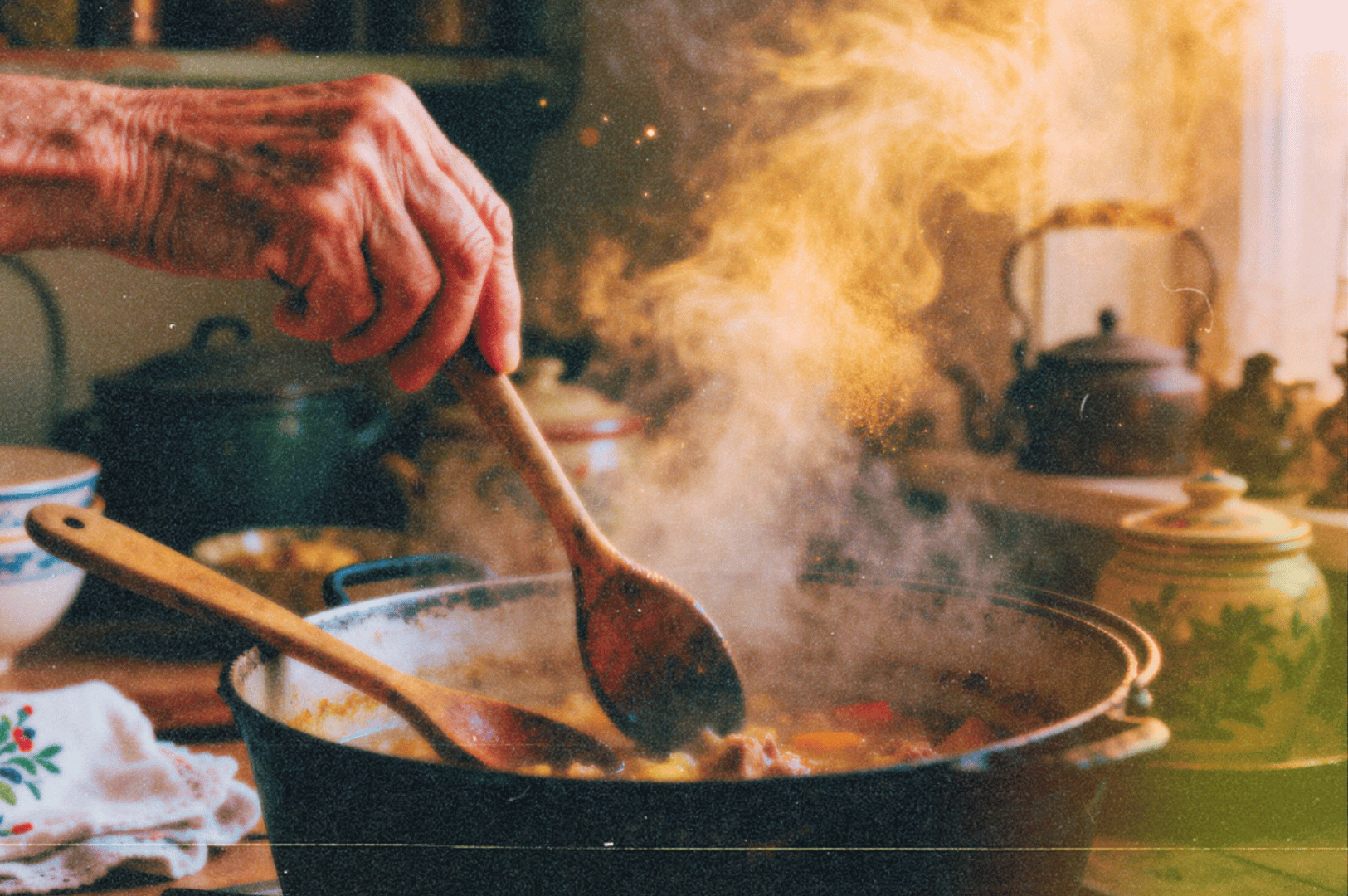
The Last Spoonful: Documenting Final Meals Prepared by Aging Family Cooks
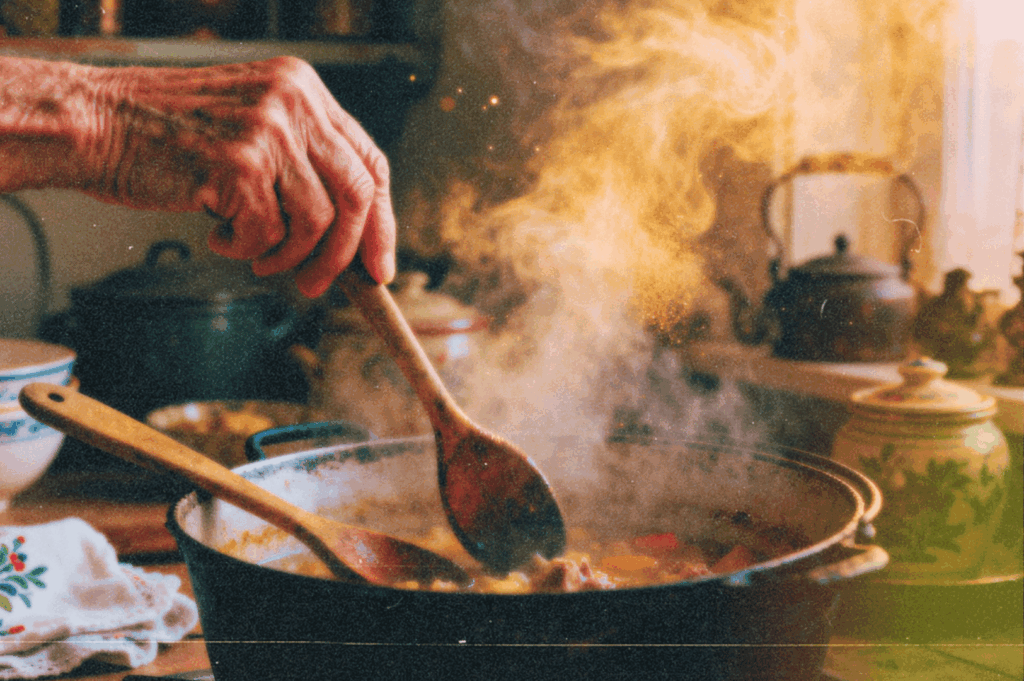
A kitchen can be a sanctuary, a library of scents and flavors where every meal tells a story. When the cook is an elder, a grandparent or great-aunt, their kitchen becomes something more: a living archive of family history. This project, “The Last Spoonful,” is an attempt to document a profoundly tender and fleeting moment—the preparation of a signature dish by aging hands that may be doing so for the last time. It is a photographic meditation on love, memory, and the quiet ritual of nourishment.
Hands as Living Histories
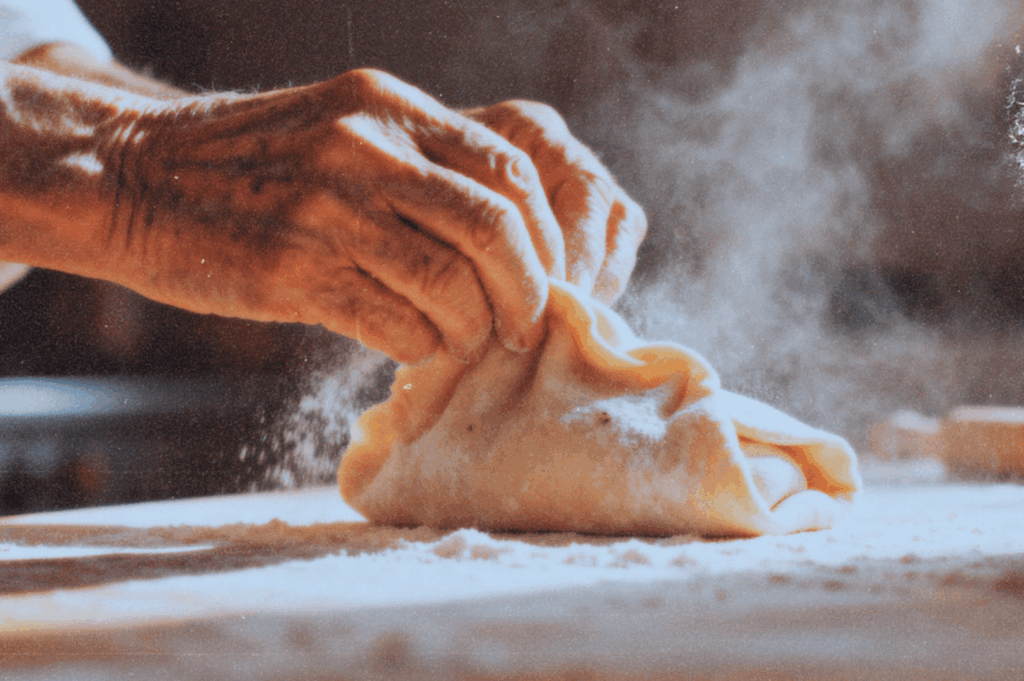
To photograph the hands of an elderly cook is to capture a lifetime of labor and love. These are not just hands; they are vessels of memory. Every wrinkle, every scar, every age spot tells a story of decades spent peeling, chopping, kneading, and stirring. Their movements, though perhaps slower now and marked by a slight tremor, possess a deep, instinctual grace. My camera focuses on this delicate choreography—the gentle way flour is dusted, the practiced motion of folding dough, the almost-sacred act of seasoning from memory. This intimate focus on the human hand as a storyteller is a powerful theme in visual arts, often explored in the collections of institutions like the Metropolitan Museum of Art.
The Weight of a Recipe
The recipes are rarely written down. They exist in the muscle memory of the cook, a pinch of this, a handful of that, measured not with cups but with intuition. As I watch my grandmother prepare her soup, there is an unspoken poignancy in the air. This dish, which has marked countless family gatherings, is a tangible piece of our heritage. There is a heavy, beautiful finality to documenting it. The act of photographing this process is an attempt to transcribe this unwritten recipe into a visual language, to preserve the sensory details for a generation that will only know the dish through stories and images.
The Kitchen as a Sacred Space
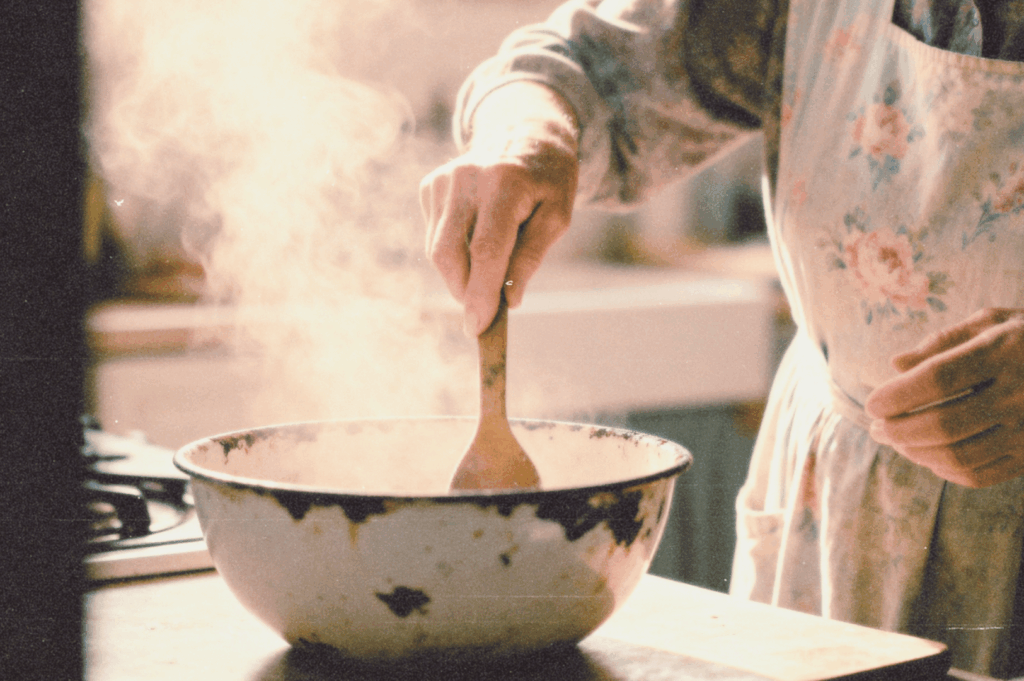
The kitchen, bathed in the soft light of a late afternoon, transforms into a stage for this quiet performance. The familiar objects—a chipped ceramic bowl, a well-worn wooden spoon, a faded floral apron—are not mere props. They are supporting characters in a long-running play, each with its own history. The steam rising from a simmering pot catches the light, creating a momentary, dreamlike haze. It’s in these small, fleeting moments that the true emotion of the scene resides. My goal as a photographer is to be a quiet observer, to move with a reverence that honors the sanctity of this space and the intimacy of the act itself. This approach to finding beauty in the everyday echoes the philosophy of photographers celebrated by platforms like LensCulture.
A Dialogue Between Past and Present
As the meal is prepared, stories often emerge unbidden. A memory of cooking the same dish as a child, a reflection on a loved one who is no longer with us, a quiet comment on how the ingredients have changed over the years. This verbal narrative weaves itself into the visual one. The photoshoot becomes a conversation, a gentle excavation of personal history. The camera is not just capturing a process; it is witnessing a transference of legacy. It’s a living dialogue between the past and the present, a concept often explored in philosophical essays on memory and time, like those found in The Paris Review.
The Bittersweet Act of Serving
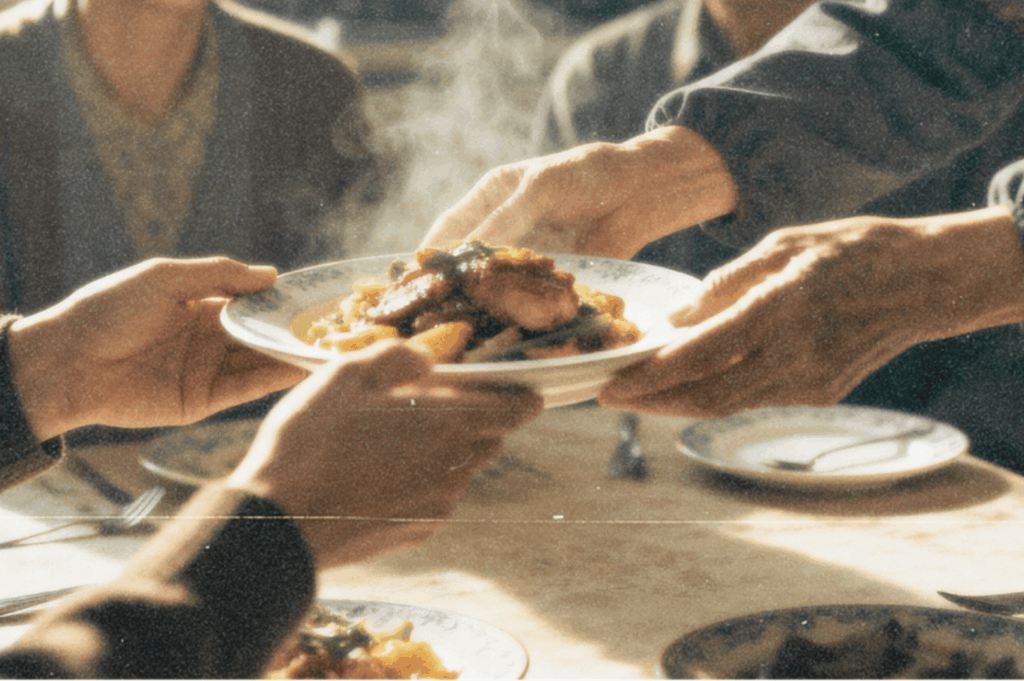
The final act of this ritual is the serving of the meal. The moment the dish is plated, there is a mix of pride, love, and a subtle, unspoken sadness. This may be the last time this meal is shared, prepared by these hands. That knowledge hangs in the air, making each spoonful precious. Capturing the expressions on the faces of both the cook and the family members partaking in the meal is essential. It is a portrait of connection, of a love so deep it can be tasted.
Preserving More Than a Meal
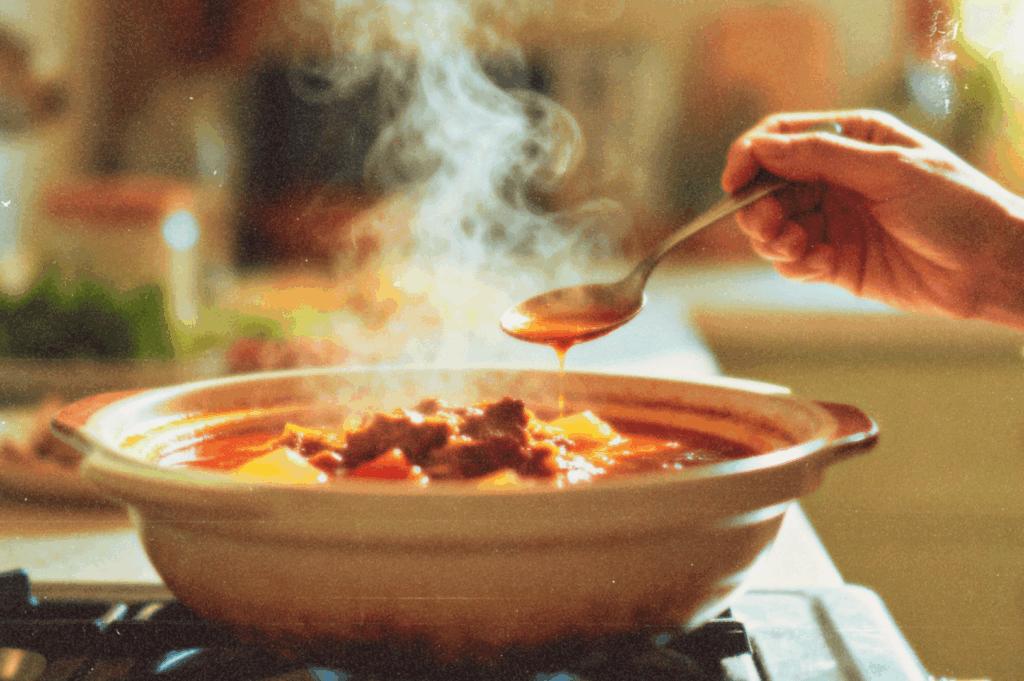
Ultimately, these photographs are about more than food. They are about preserving the essence of a person through the act that most defined their love. They are a hedge against forgetting. They hold the warmth of the kitchen, the aroma of a long-simmered sauce, and the profound, aching beauty of a final, perfect offering. They are a reminder that the most meaningful stories are often told not with words, but with the simple, enduring act of feeding the ones we love. They document the legacy held in a single, last spoonful.
To explore more of our stories and initiatives, visit our Homepage, or readHunger for Home: Immigrant Chefs Recreating Disappearing Regional Cuisines to discover how chefs are preserving disappearing culinary traditions.