The Architecture of Spice Cabinets: Personal Museums of Flavor
To open a spice cabinet is to unseal an aromatic time capsule.
While we often dismiss this crowded corner as a functional pantry for evening meals, it is in reality a personal museum of flavor. This small space serves as a dense botanical archive, capturing the physical evidence of our cultural identities, past travels, and the unspoken emotional resonance of our ancestral homes.
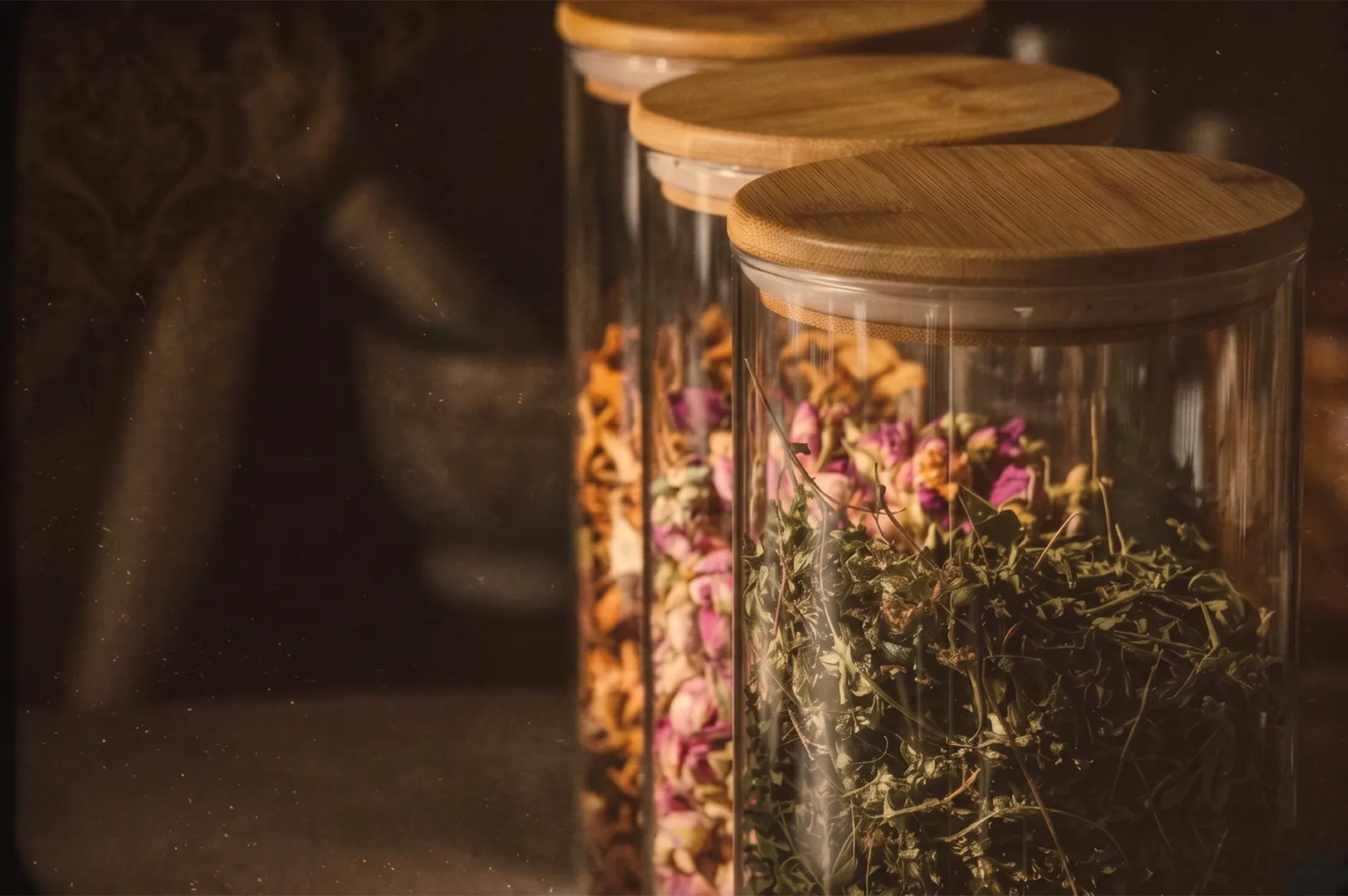
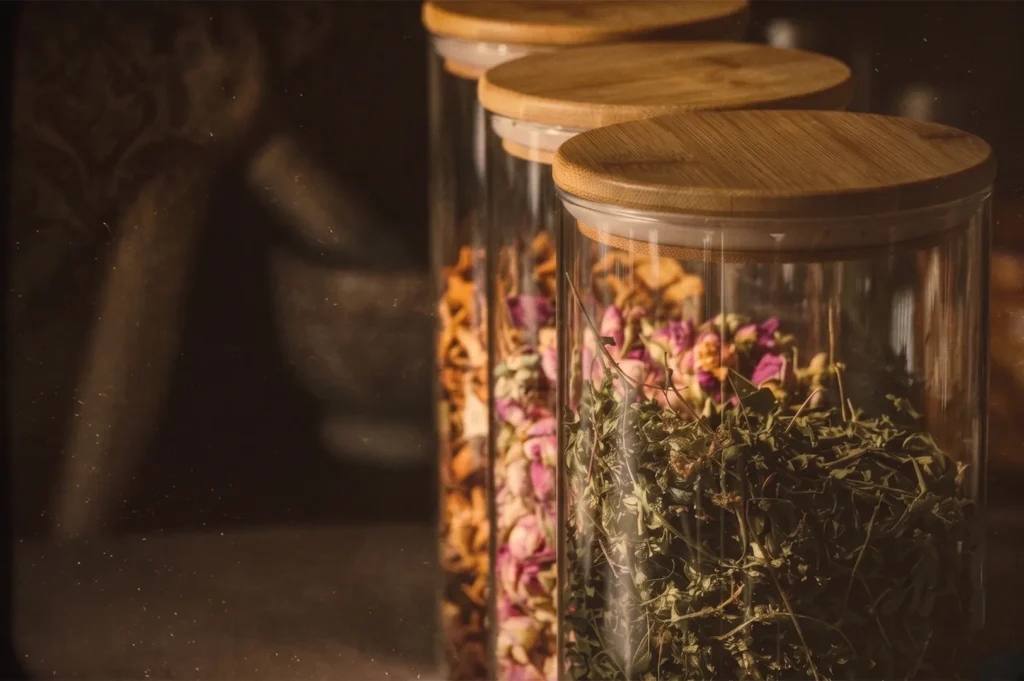
In the soft light of the kitchen, these spice jars become a series of still lives, preserving a tangible map of where we have been and the lineages that define us.
The Geography of Scent and Memory
Scent possesses a profound ability to bypass conscious thought and strike directly at our memories.
The warm, earthy exhalation of cumin can instantly summon the ghost of a grandmother’s kitchen on a rainy afternoon. The sharp, mentholated sting of crushed cardamom might transport you back to a crowded, vibrant market halfway across the globe.
We interact with these powders and seeds not just as ingredients, but as anchors. They tether our present moments to distant shores and faded eras, allowing us to traverse the world without ever leaving the stove. It’s much like how the global spice trade once carried their scents and stories across oceans, reshaping worlds one seed at a time.
Curating the Botanical Archive
The way we organize our botanical archives reveals the hidden architecture of the mind.
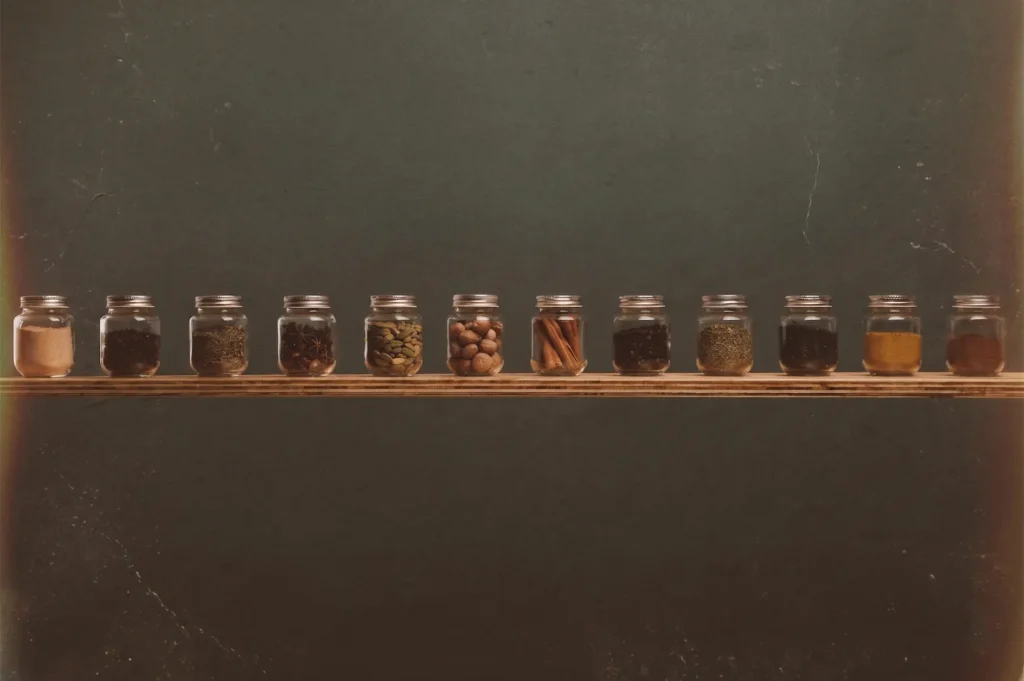
Some cabinets are monuments to order, where identical glass jars stand in alphabetized ranks—vibrant turmeric against dusty oregano. This visual symmetry shows how the quiet relationship between food and memory echoes the kind of stillness and deliberate slowness explored in A Door That Opens Only With Time, where attention itself becomes part of the ritual.
Yet, other spice archives embrace a more organic disorder that a lens might find even more compelling. These spaces—filled with crumpled bags and mismatched tins—speak an intimate language understood only by the curator. Reaching for the bruised purple of sumac or the brittle curl of cinnamon becomes a tactile ritual. In the rummage of sticky glass and loose seeds, we engage in a quiet, sensory conversation with the ingredients that sustain us.
The Ephemeral Nature of Potency
Spices embody the idea of ephemeral sustenance perfectly.
They are carefully dried, preserved, and stored, yet they slowly fade. Essential oils evaporate and colors dull into pale shadows of their former selves. A once-fragrant jar of cloves eventually loses its intensity, no matter how carefully it is sealed.
People often keep spices long after their culinary peak because discarding them feels strangely emotional. An old jar of chili powder from a trip taken years ago or a nearly empty tin of masala inherited from a parent becomes difficult to throw away. The spice transforms into a talisman attached to a specific season of life, a shared meal, or a version of ourselves that no longer exists.
Research into the psychology of smell continues to show how powerfully scent shapes emotional memory. This may explain why spice cabinets feel less like storage spaces and more like emotional archives preserving fragments of identity through aroma alone.
A Quiet Ritual of Identity
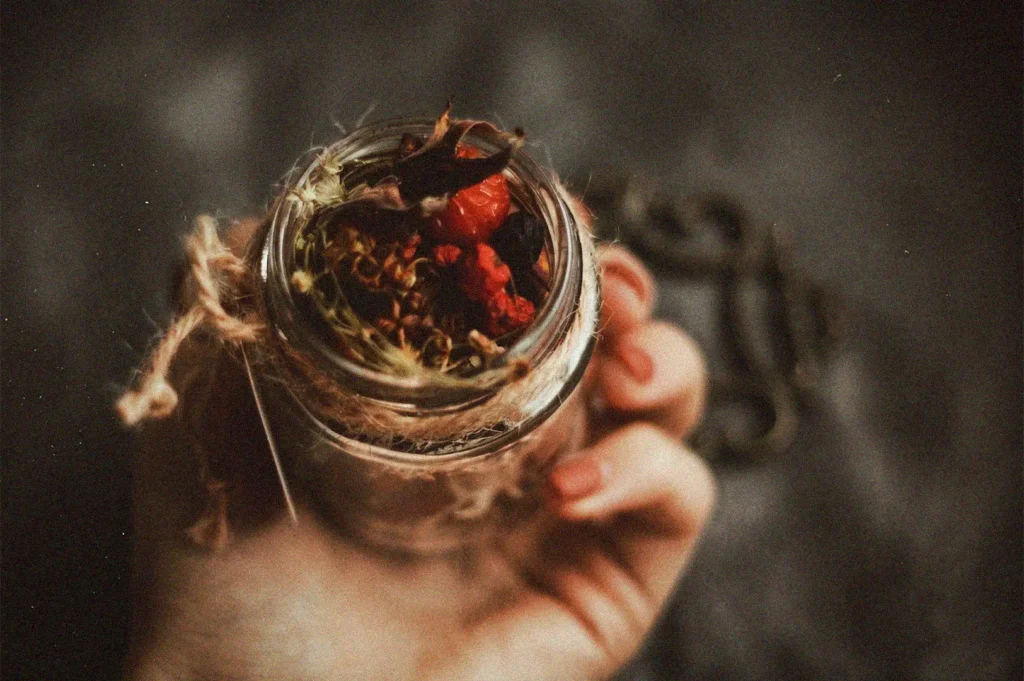
Ultimately, the spice cabinet is where we construct our identity one pinch at a time. The specific blend of aromas that wafts from the wood when the door swings open is as unique as a fingerprint. It announces who we are, where our people come from, and the specific flavors we require to feel at home in the world.
The next time you reach for a familiar jar, allow yourself a moment of deliberate slowness.
Feel the weight of the glass. Breathe in the ancient, suspended energy of the ground seeds. Recognize that you are not simply seasoning a dish. You are interacting with a living archive, participating in a quiet, daily ritual that honors the ephemeral beauty of the flavors that shape your life.