
Tidal Intimacies: A Year Communing with a Single Shore
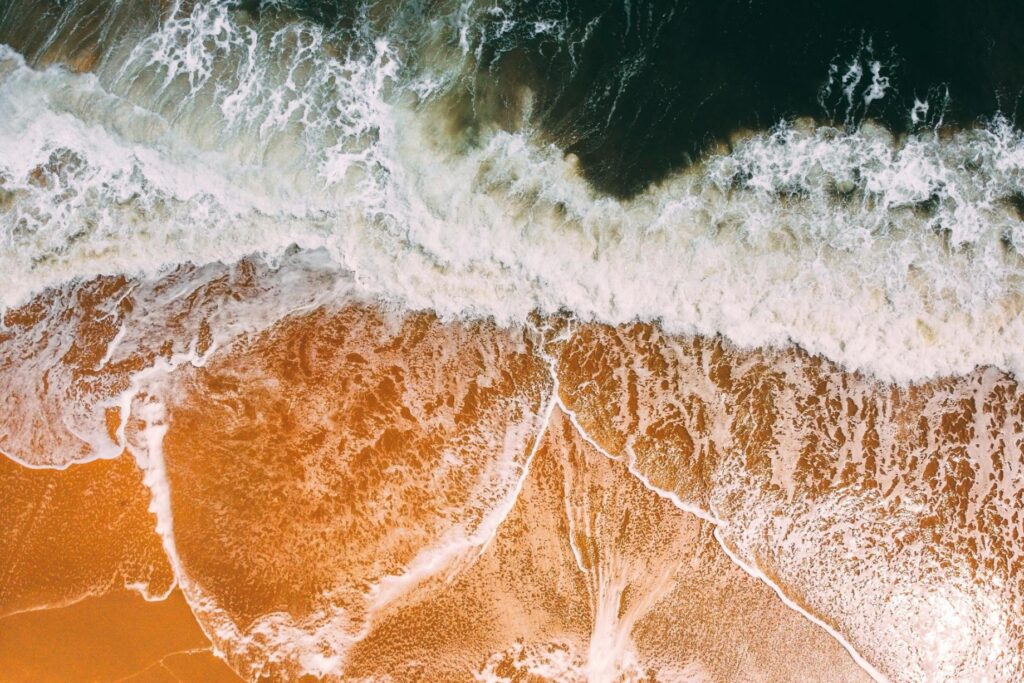
To know a place, you must learn its language. For the past year, my classroom has been a single, small stretch of coastline. My subject has been the ancient, ongoing conversation between water and land. This photographic journey, “Tidal Intimacies,” is a record of that dialogue. It is an exploration of how a familiar landscape can reveal infinite complexities when observed with patience, documenting the hourly shifts and seasonal transformations that write and rewrite the story of a single shore.
Choosing a Single Subject
In a world that encourages constant movement, there is a quiet power in choosing to stay still. I selected a fifty-meter stretch of rocky coast, a seemingly unremarkable place, and committed to visiting it through every season, every tide, every mood of weather. The limitation was intentional. By narrowing my physical focus, I hoped to expand my perceptual one. This practice of returning to the same subject is a form of visual meditation, allowing the photographer to see beyond the obvious and notice the subtle, breathing rhythm of a place. It’s a principle that underlies much of the work celebrated by minimalist and contemplative art platforms, such as those featured by the Tate Modern.
The Language of High Tide
At high tide, the conversation is one of quiet dominance. The water claims the shore, submerging the familiar and transforming the landscape into something new and mysterious. The rocks, sharp and defined at low tide, become soft, dark shapes beneath a shimmering, liquid skin. My camera sought to capture this temporary union, the way light plays on the moving surface, the gentle lapping sound against stone, and the feeling of a world held just below the surface. The details disappear, and the scene becomes about broad, powerful strokes of water and light.
The Revelation of Low Tide
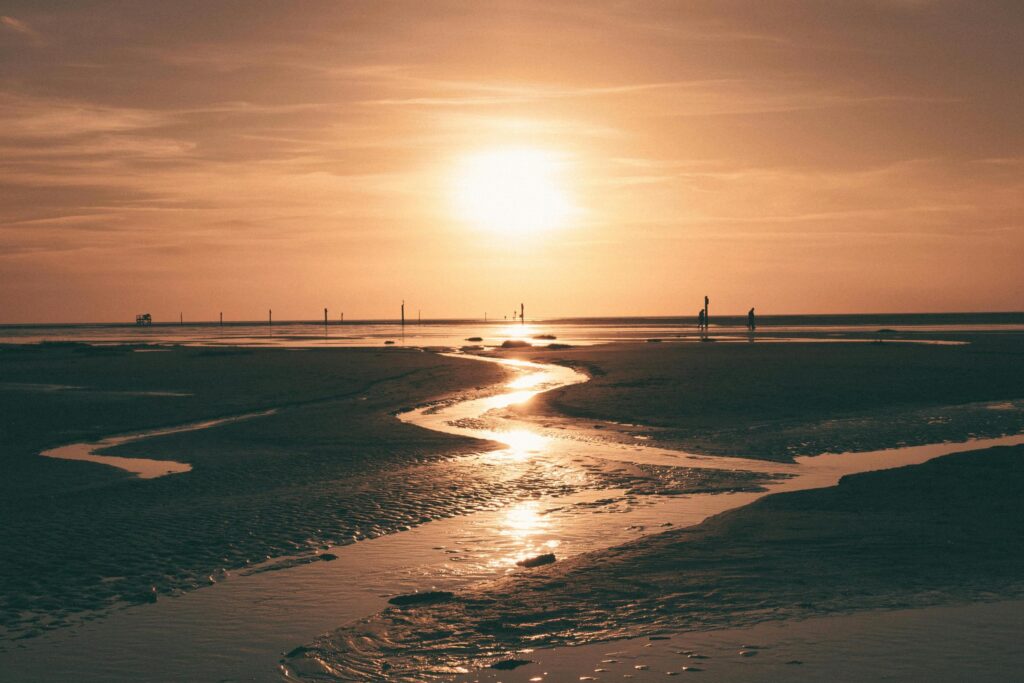
Low tide is an act of revelation. The water recedes, unveiling a secret world that was hidden only hours before. Tide pools, each a miniature, self-contained universe, teem with life. The true texture of the land is exposed—the jagged edges of rock, the glistening beds of seaweed, the intricate patterns left in the sand by the retreating water. Photographing at low tide is an exercise in macro-observation. It’s about getting close, about studying the details that tell the story of this constant ebb and flow. The beauty found in these natural, intricate patterns is a theme often explored by photographers like those found on PetaPixel, who find art in unexpected places.
A Dialogue Written in Sand and Stone
The shore itself is a manuscript, and the tide is its author. Each wave is a sentence, each tidal cycle a paragraph. Over the year, I learned to read its script. I saw how winter storms would rearrange massive stones, a violent act of punctuation, while the gentle summer tides would leave delicate, feathery patterns in the wet sand. This continuous process of creation and erosion is a profound philosophical lesson, a tangible representation of change and permanence that thinkers have explored for centuries in journals like Lapham’s Quarterly. The camera became my tool for transcription, capturing these ephemeral messages before the next tide washed them away.
The Shore in Four Seasons
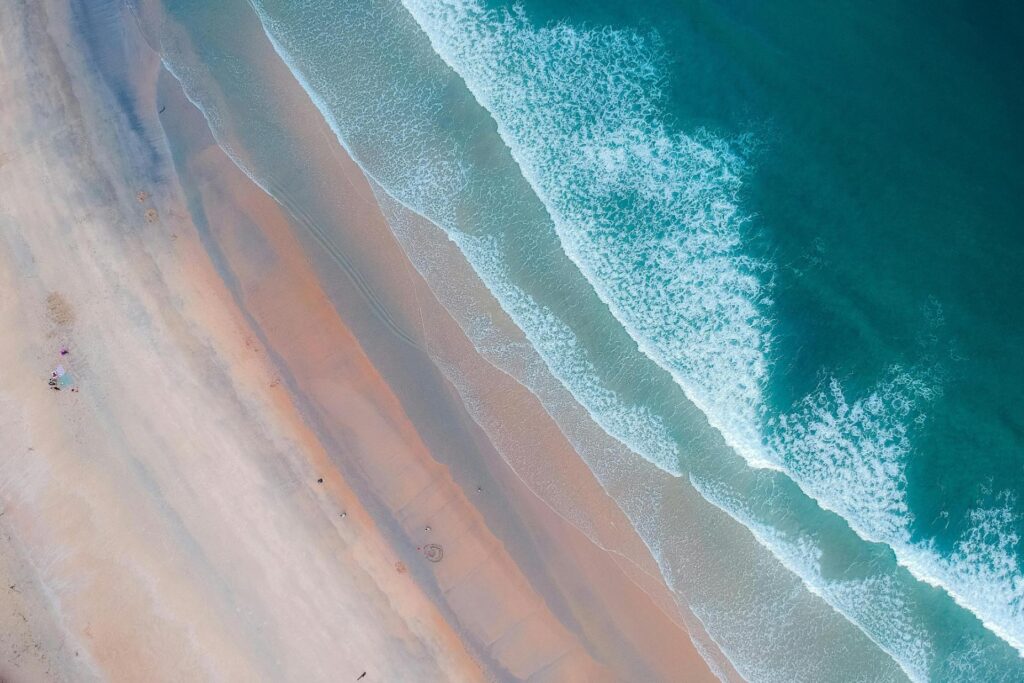
The changing seasons brought entirely new vocabularies to this coastal dialogue. Winter light was sharp and low, casting long, dramatic shadows and turning seafoam into brilliant, crystalline sparks. Spring introduced a soft haze and the first signs of green on the upper edges of the shore. Summer light was high and bright, creating a dazzling, almost-blinding reflection on the water’s surface. Autumn wrapped the scene in a soft, golden glow, a mood of gentle farewell. Each season demanded a different way of seeing, a new approach to capturing its unique emotional tone.
The Unchanging Constant
Through all the changes—the daily tides, the shifting seasons, the violent storms and quiet calms—there was a profound sense of continuity. The horizon remained, a steady, unwavering line. The fundamental character of the place endured. This project became a lesson in finding the constant within the variable. It taught me that to truly see a place is to witness its many transformations while recognizing the unchanging spirit that holds it all together. It is an intimacy born of slow, dedicated observation, a quiet communion with the ancient, enduring soul of the shore.
For readers drawn to photography as a way of reflection and renewal, Healing Landscapes: Photographing Places of Personal Recovery explores how meaningful environments can support emotional healing through the lens.
Similarly, The Breathing Earth: Documenting Dawn at Ancient Forests delves into the quiet discipline of observing nature’s rhythms, capturing moments of stillness and continuity at the break of day.