Empty Benches: Silent Witnesses
A public bench is a simple invitation: to rest, to wait, to watch the world go by. Yet, when empty, it becomes something more profound. It transforms from a piece of public furniture into a silent stage, holding the shape of everyone who has ever paused there. This photo essay, “Empty Benches,” is a meditation on these vacant seats. It is an attempt to photograph not the object itself, but the emotional residue it holds—the echoes of conversations, the weight of solitude, and the countless, unrecorded human moments that have soaked into its wood and iron.
The Architecture of Pause
An empty bench is an architecture of pause. It is a space designed specifically for stillness in a world that rushes onward. To photograph one is to honor this intention. I find them in forgotten corners of parks, on lonely train platforms, and overlooking deserted promenades. Each one has a distinct character, shaped by its surroundings and the elements. A bench dappled in the soft, filtered light of a forest canopy feels different from one starkly lit under a city streetlamp. The goal is to capture its quiet presence, to see it not as empty, but as full of potential and memory.
A Portrait of Absence
Photographing an empty bench is a unique form of portraiture. You are capturing the presence of absence. You are telling the story of the people who are no longer there. The faded, peeling paint on wooden slats, the gentle curve worn into the seat, the graffiti carved into its back—these are the faint fingerprints of a thousand anonymous sitters. Each detail is a clue. Was this a place for lovers watching the sunset, a lonely student reading a book, or an elderly person resting on their daily walk? The photograph becomes a question, an invitation for the viewer to imagine the lives it has touched. This idea of capturing human traces in inanimate objects is a powerful theme, often explored in the thoughtful documentary photography found on platforms like Feature Shoot.
Silent Witnesses to Human Drama
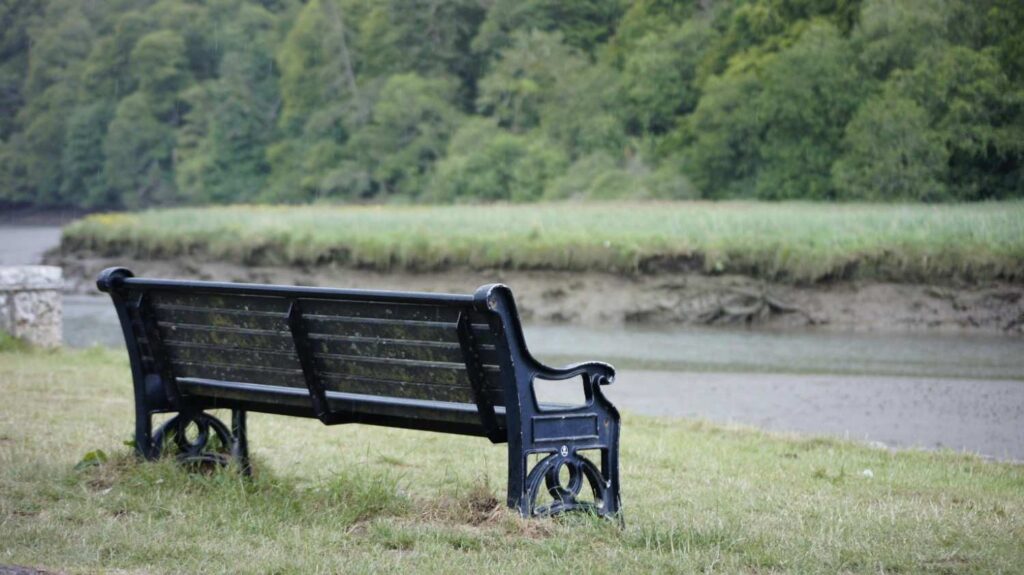
These benches have been silent witnesses to the full spectrum of human experience. They have held the weight of grief, the lightness of laughter, and the quiet hum of companionship. They have overheard whispered secrets, tearful goodbyes, and joyous reunions. While the sounds have faded, a certain energy remains. The camera, with its ability to freeze a moment, can hint at this stored emotion. The choice of light and shadow, the angle of the composition, the mood of the surrounding environment—all these elements work together to suggest the unseen drama the bench has observed.
The Patina of Time
Time is a visible element in these portraits. Rust stains become a kind of blush on cold iron. Moss grows in the cracks, a slow, green encroachment of nature. The wood silvers and splinters. This patina is not decay; it is a testament to endurance. It shows that the bench has stood its ground through seasons of sun, rain, and snow, faithfully offering its service. This appreciation for the beauty of aging and imperfection, known as wabi-sabi, is a deep-seated aesthetic principle, often reflected in the art and design curated by institutions like the Japan House London. Photographing this texture is to celebrate the quiet dignity of a long and useful life.
To read more about this concept in photography, you can click here.
The Bench as a Solitary Figure
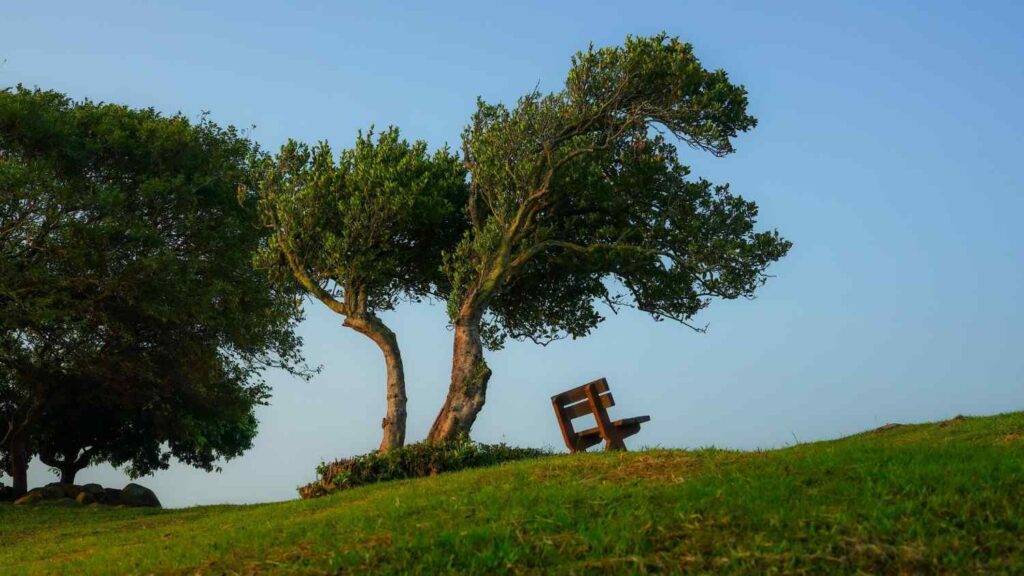
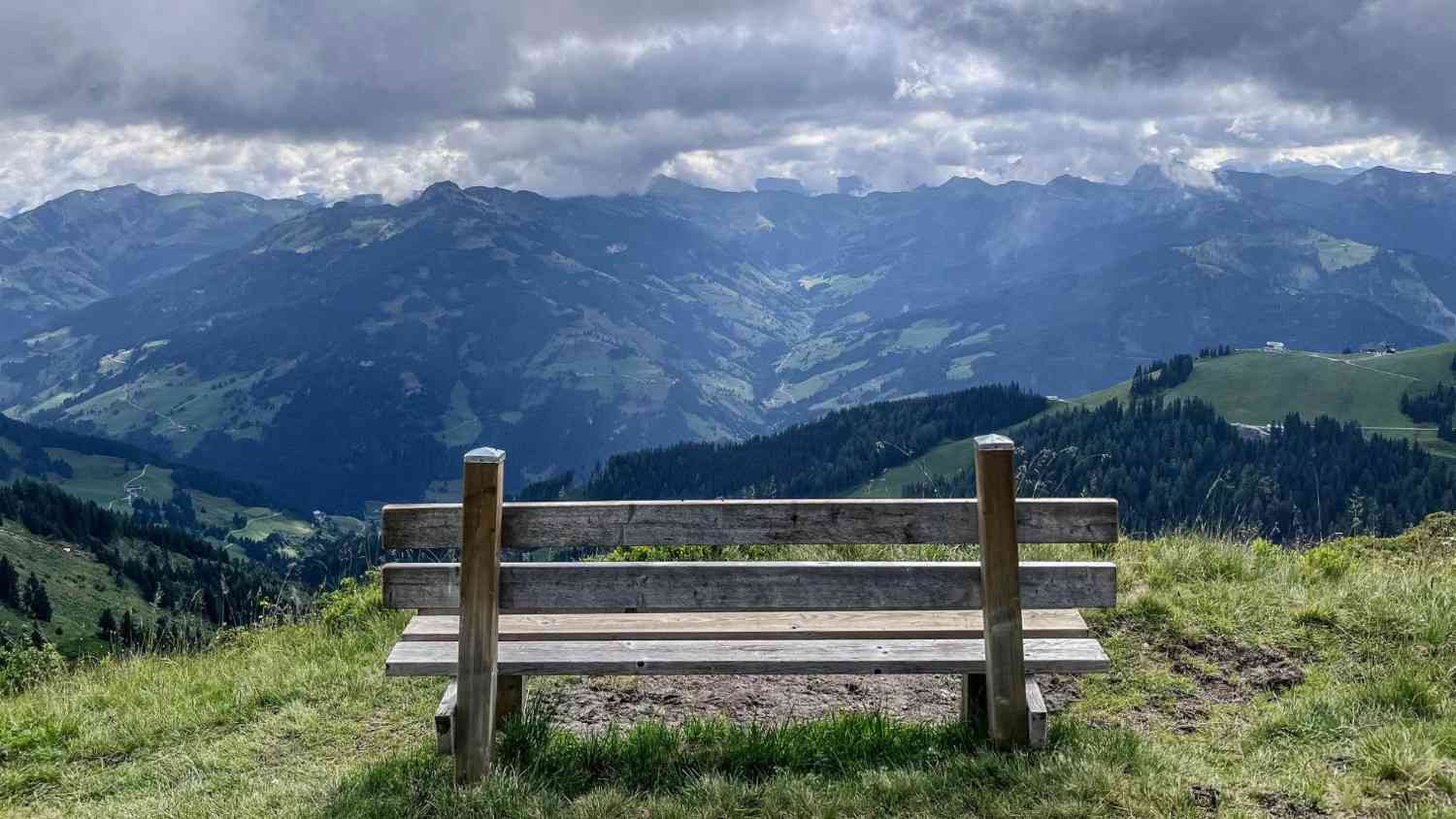
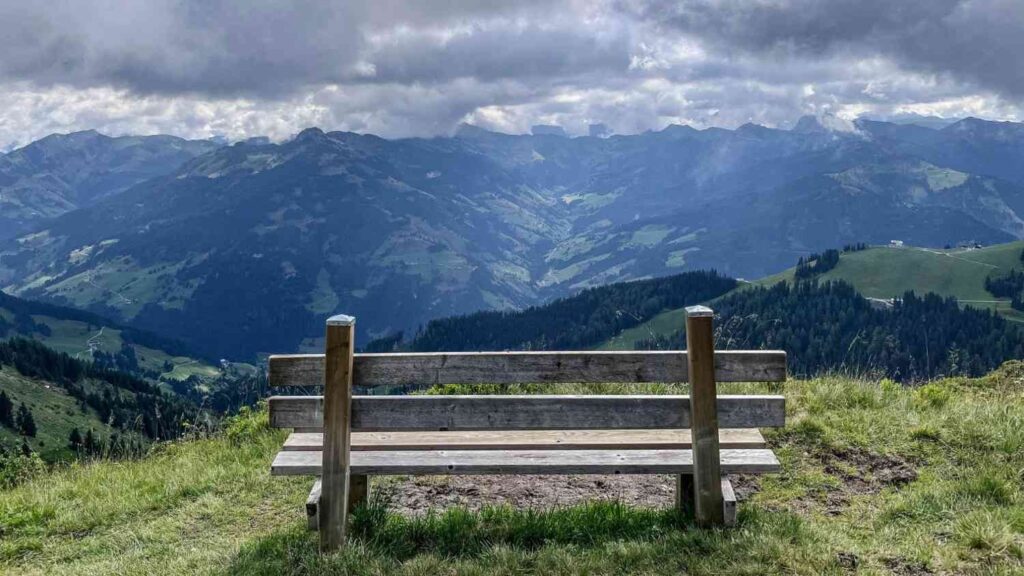
When viewed from a distance, an empty bench can look like a solitary figure itself, gazing out at a landscape. It has a posture, a personality. A bench facing the sea seems contemplative and patient. One in a bustling, empty plaza might appear lonely or expectant. This personification is at the heart of the project. I am not just documenting objects; I am capturing characters. This relationship between object and landscape is a classic theme, a way of exploring our own feelings of belonging and isolation, a topic often pondered in the philosophical essays of publications like Aeon.
An Invitation to Stillness
Ultimately, a photograph of an empty bench is an invitation. It invites the viewer to pause, just as the bench itself does. It asks us to consider the value of stillness, of quiet observation, and of the shared public spaces that hold our collective stories. These benches are more than just places to sit; they are repositories of communal memory, silent, steadfast, and waiting for the next story. They remind us that even in absence, there is a powerful presence, and that the most profound moments are often the quietest ones.
This relationship between object and landscape is a way of exploring our own feelings of belonging and isolation, a journey through The Space Between Footfalls and The Space Between Breaths.