The Rhythm of Seasons: Japanese Washoku through the Annual Cycle
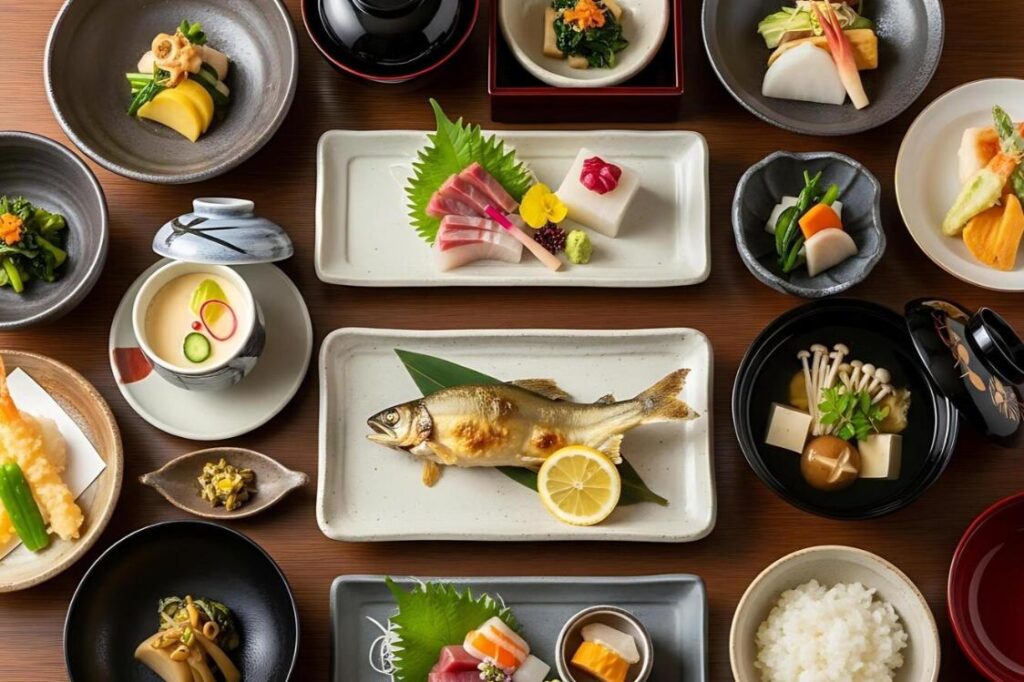
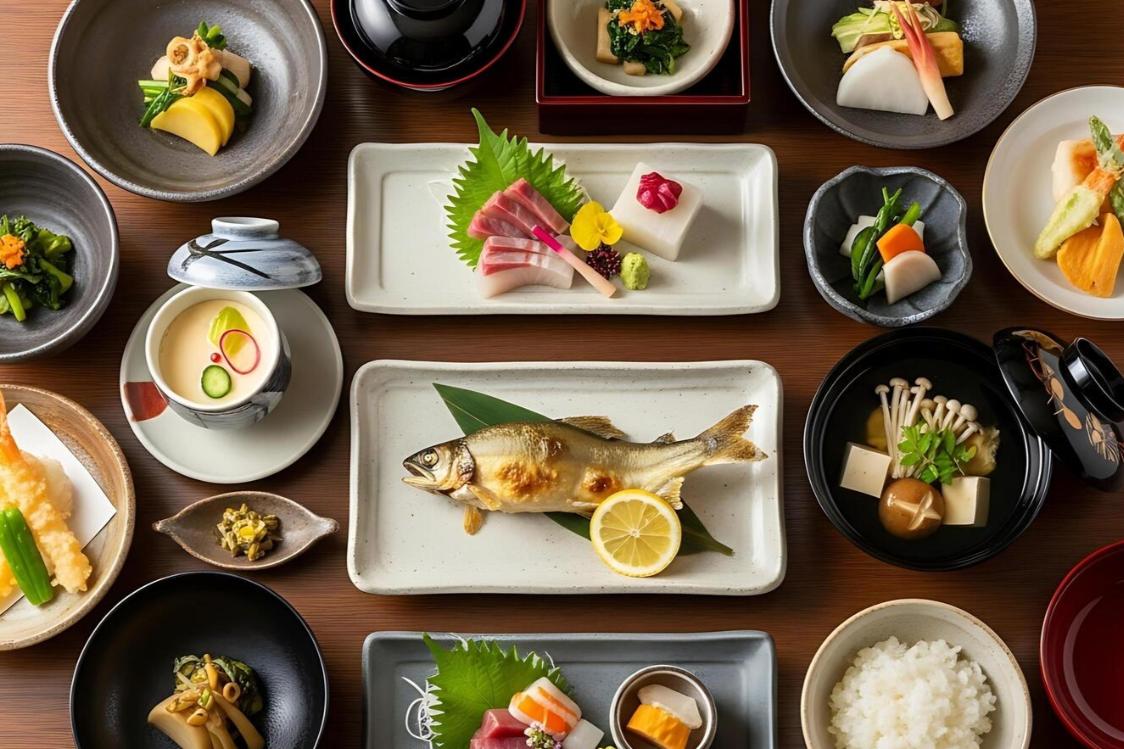
In traditional Japanese home cooking, or washoku, the calendar is not marked by months, but by the subtle shifts in nature. It is a culinary philosophy where the highest honor is paid to the ingredient in its most perfect, fleeting moment. This photographic exploration follows the annual cycle of washoku, documenting how ingredients, methods, and presentation evolve with the seasons. It is a quiet observation of how Japanese grandmothers, the keepers of this tradition, intuitively honor the energy of each season, creating meals that are a deep, sensory communion with the rhythm of the earth.
I explored a similar theme in my article on omakase, delving into the ephemeral nature of these culinary creations. Click here to see.
A Cuisine That Listens
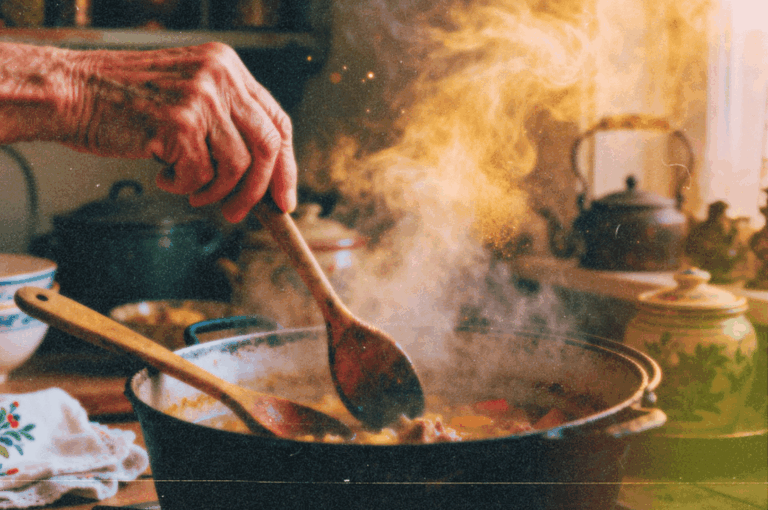
Washoku is a cuisine that listens. It listens for the first shoots of bamboo in spring, the peak sweetness of a summer melon, the earthy depth of an autumn mushroom, and the hardy resilience of a winter daikon. Photographing this practice is not about capturing food, but about capturing a philosophy. I spent time in home kitchens, watching grandmothers whose hands moved with an instinctive, generational knowledge. They weren’t following recipes from a book; they were responding to the day, the weather, and the specific energy of the ingredients before them. This deep connection between culture, nature, and food is beautifully explored at institutions like the Asian Art Museum.
Spring: The Taste of Awakening
Spring in a washoku kitchen is about celebrating a gentle awakening. The flavors are bright, slightly bitter, and full of life. I photographed a dish of young bamboo shoots, their delicate, pale green forms simply simmered to highlight their crisp texture. The presentation is light and hopeful. A single, edible flower might garnish a dish, a nod to the cherry blossoms. The cooking methods are quick—a light steam, a gentle poach—as if not to disturb the tender energy of the new season. It is food that tastes of mountain dew and the first warm sun.
Summer: The Embrace of Coolness
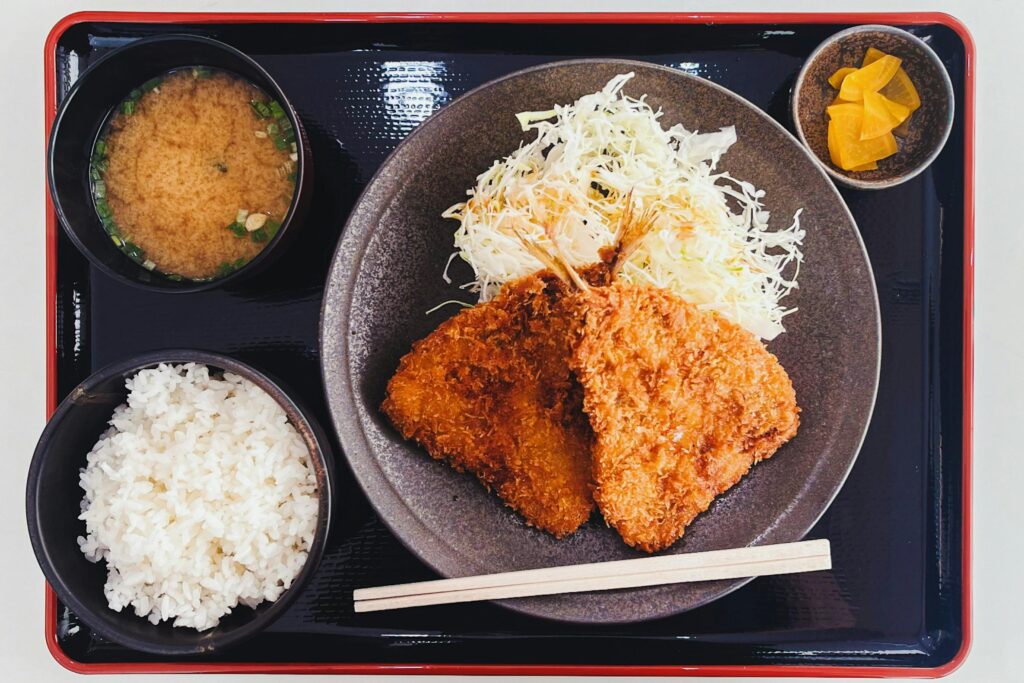
As the days grow hot and humid, the kitchen adapts to offer coolness and refreshment. Summer is the season of vibrant colors and crisp textures. Cold somen noodles are served in a glass bowl, appearing to float in their chilled broth. The translucent slices of cucumber and bright red of a pickled ginger garnish are a visual and sensory balm. Grilling is also common, the quick, intense heat capturing the essence of an ingredient without adding weight. A photograph might capture the shimmering skin of a lightly grilled fish, its simplicity a perfect counterpoint to the season’s intensity.
Autumn: A Harvest of Depth
Autumn is a celebration of the harvest, a time of deep, complex, and comforting flavors. The color palette shifts to earthy oranges, deep reds, and rich browns. It is the season for mushrooms, chestnuts, and newly harvested rice. I watched as a grandmother prepared a simple bowl of rice mixed with freshly foraged mushrooms, the steam rising from the bowl carrying an earthy, woody aroma. Preparation methods become slower—simmering and stewing—drawing out the full depth of flavor. This respect for the ingredient’s journey from earth to table is a form of mindfulness, a concept often explored in philosophical journals like Tricycle: The Buddhist Review.
Winter: The Warmth of Preservation
Winter cooking is about warmth, preservation, and nourishment. It is the season of hearty nabe (hot pots), long-simmered root vegetables, and the rich, complex flavors of fermented foods like miso and pickles. The energy is introspective and conserving. A photograph might focus on the deep, dark luster of a winter daikon that has been slowly simmered in dashi, its flavor concentrated and sweet. The presentation is rustic and generous. The dishes are designed to be shared, to bring people together around a table and offer a profound, internal warmth against the cold outside. This idea of food as a communal anchor is a universal story, told through photography by artists celebrated on platforms like LensCulture.
The Unseen Fifth Season
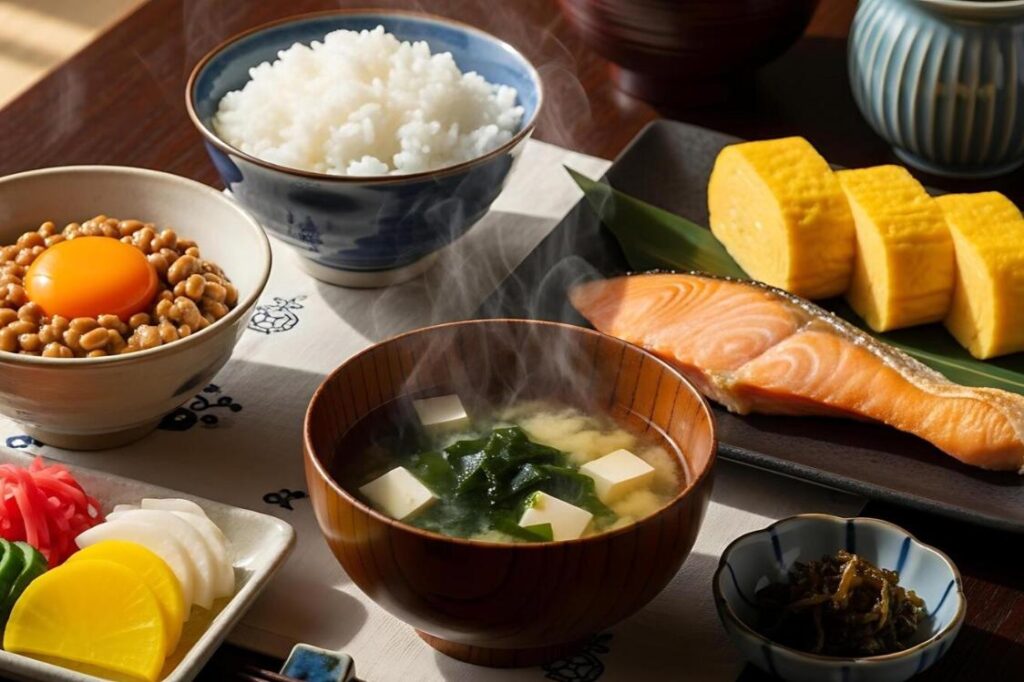
Beyond the four main seasons, washoku observes a fifth: doyo, the transitional period between them. This is a time of subtle adjustment, where the last of one season’s ingredients overlaps with the first of the next. It is a period of quiet anticipation and preparation. Capturing this subtle shift—the first hint of autumn in a late summer vegetable—is to understand the true poetry of washoku. It is a recognition that the cycle is continuous, a seamless flow of giving and receiving, and that every meal is a beautiful, fleeting portrait of a single moment in time.
This philosophy of time, memory, and impermanence in Japanese cuisine is further explored in Fermentation as Memory: The Living History of Japanese Koji Masters and The Last Spoonful: Documenting Final Meals Prepared by Aging Family Cooks, where food becomes a living record of heritage and human connection.