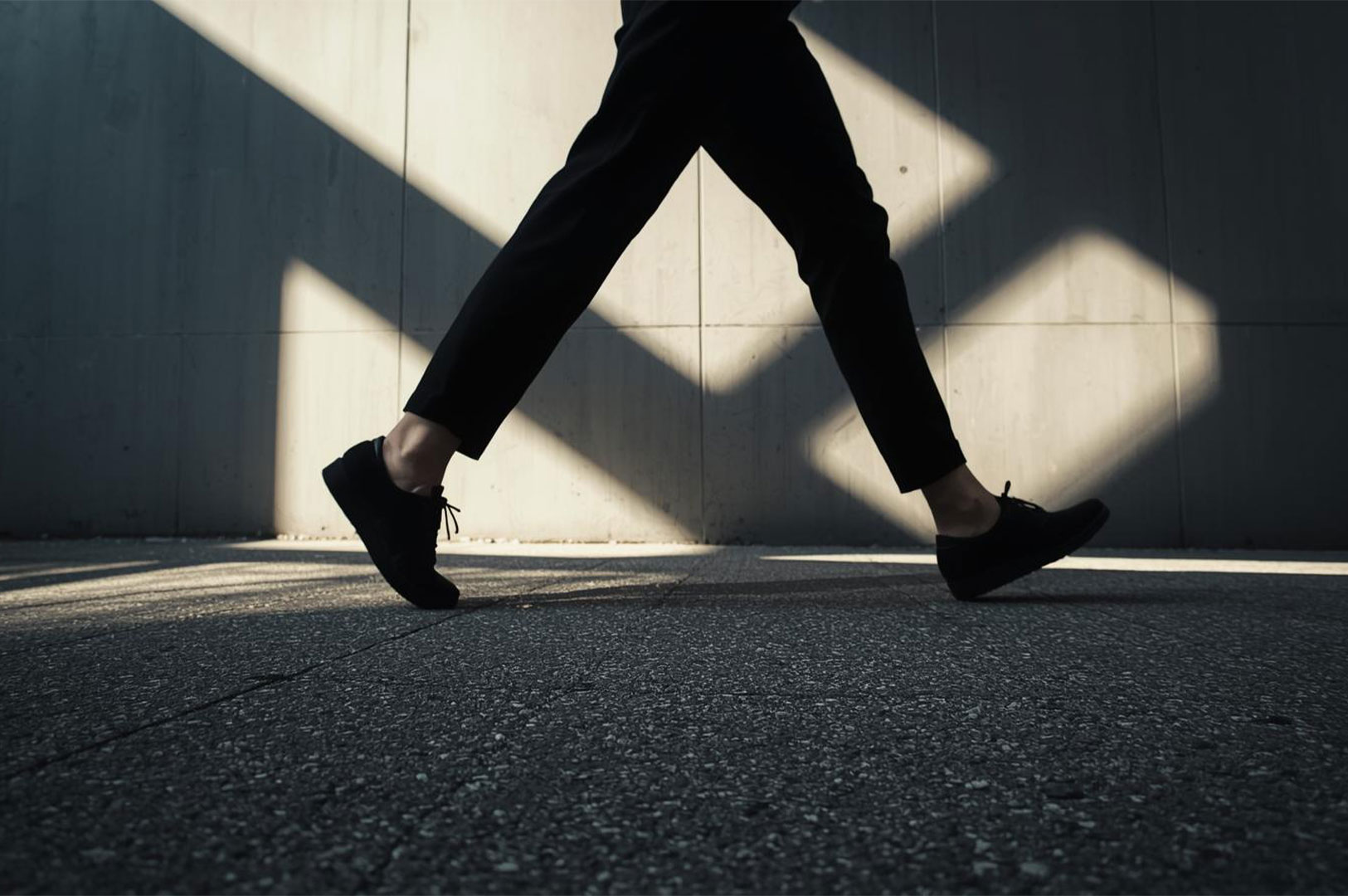
The Space Between Footfalls
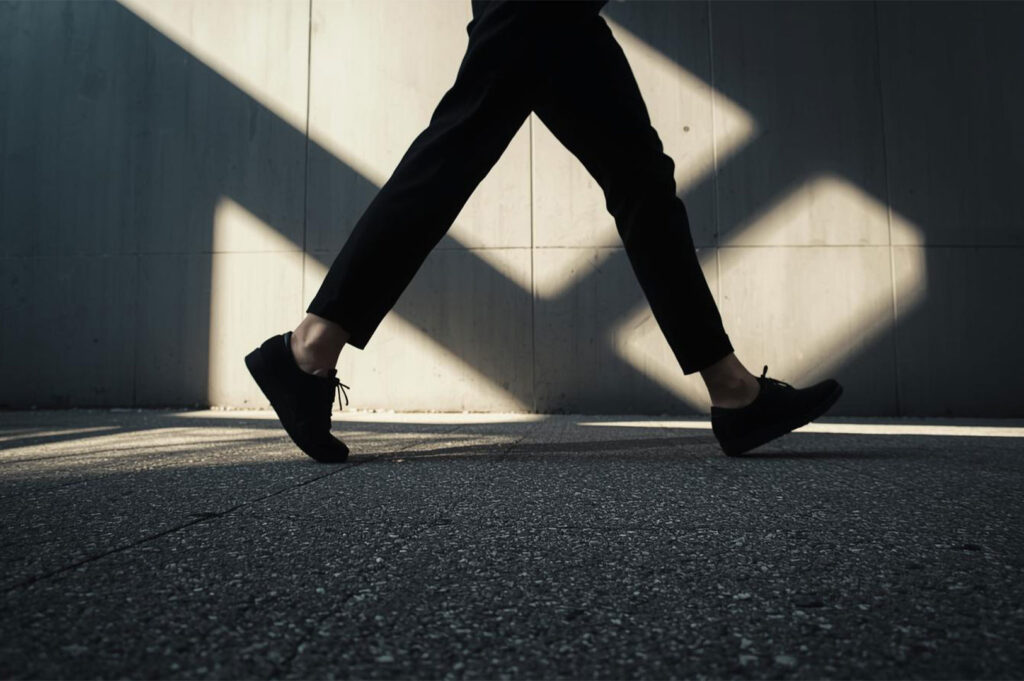
Walking is a rhythm, a steady beat of footfalls on pavement that marks our passage through the city. But what happens in the silence between those beats? This photographic study, “The Space Between Footfalls,” is a meditation on that brief, suspended moment of transition. It is an exploration of pedestrians caught mid-stride, a state of momentary weightlessness where posture, gesture, and expression can reveal an entire life story. In this delicate interval, the city’s inhabitants are not just moving from one point to another; they are floating through their own private narratives.
The Poetry of the In-Between
Our eyes are trained to see arrival and departure, the start and end of a movement. We notice the person waiting for the light to change and the one who has just reached the other side. Photography, however, gives us the power to freeze the journey itself. By focusing on the “in-between,” we can isolate a moment of pure, unconscious expression. It’s in this suspended state—one foot on the ground, the other in motion—that a person’s true gait is revealed. Is their step heavy with weariness or light with anticipation? This focus on capturing the unseen poetry of daily life is a hallmark of many great street photographers, whose work is celebrated by resources like Street Photographers Foundation.
A Study in Human Momentum
To photograph a person mid-stride is to capture their momentum, both physical and emotional. You see the forward lean of purpose in a businesswoman’s stride, her body already in the future. You notice the shuffling, grounded steps of an elderly man, his movement a conversation with gravity. A child’s skip is an explosion of uncontainable joy, their body almost lifting off the ground. The camera allows us to dissect these movements, to see them not just as locomotion, but as a direct expression of a person’s inner state. Each suspended step is a portrait of their personal velocity through life.
The Unconscious Gesture
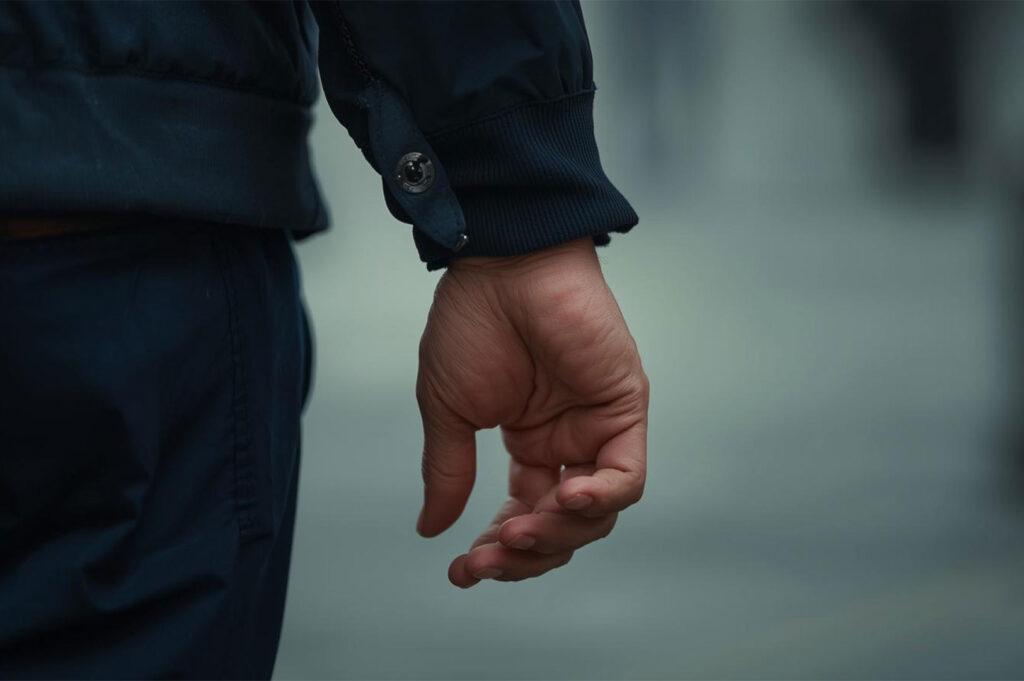
When we are walking, our guard is down. Our minds are on our destination, a conversation, or a private thought. This is when the most authentic gestures emerge. A hand might be clenched in a fist of quiet determination, or it might swing freely, a sign of a mind at ease. The slump of a shoulder can speak volumes about the weight of an unseen burden. The angle of a head might suggest curiosity, distraction, or deep introspection. These are the subtle clues the camera can seize, transforming an anonymous pedestrian into a relatable human story. This search for authenticity in the everyday is a quest shared by artists and thinkers alike, a topic often explored in the essays of journals such as Orion Magazine.
Clothing as a Second Skin
In motion, clothing becomes a second skin, a dynamic element that accentuates the story. The flowing fabric of a long coat can give a walker a dramatic, almost cinematic presence. A wrinkled shirt might cling to a back, suggesting a long, hot day. The scuff on a shoe tells a story of miles traveled. By freezing these details, the photograph captures the way a person’s life is written not just on their face, but in the very fabric they wear. The interaction between the human form and what adorns it is a timeless subject of art, from classical sculpture to contemporary fashion photography, often curated by museums like The Metropolitan Museum of Art’s Costume Institute.
A City’s Choreography

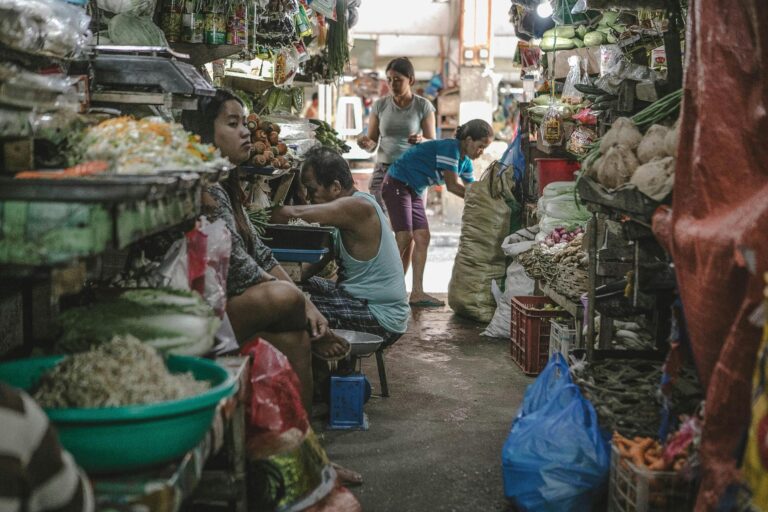
When you observe a busy street with this focus, you begin to see a complex, unchoreographed ballet. People move in intersecting lines, their paces creating a collective urban rhythm. There are moments of near-collision and graceful avoidance, a silent, intuitive dance of shared space. A photograph that captures several walkers in this suspended state can reveal the intricate web of individual journeys that make up the city’s lifeblood. Each person is in their own world, yet they are all part of the same dynamic, flowing composition.
The Story in a Shadow
As a walker moves between footfalls, their shadow stretches and contracts. It can become a character in its own right—a long, distorted silhouette in the late afternoon sun or a short, dark anchor at midday. The shadow is the walker’s fleeting partner, a dark echo of their suspended form. Photographing this interplay between light, body, and shadow adds another layer of emotional depth, creating a portrait that is both of the person and their transient place in the world. It is in this space between footfalls, in this momentary pause in the city’s rhythm, that we can find the quiet, moving, and deeply human stories of the world walking by.
To continue discovering the subtle rhythms of everyday life, explore The Space Between Breaths and The Poetry of Waiting, two reflections that expand on stillness, attention, and the beauty found in ordinary pauses.