Concrete Dreams: The Last Residents of Vanishing Public Housing
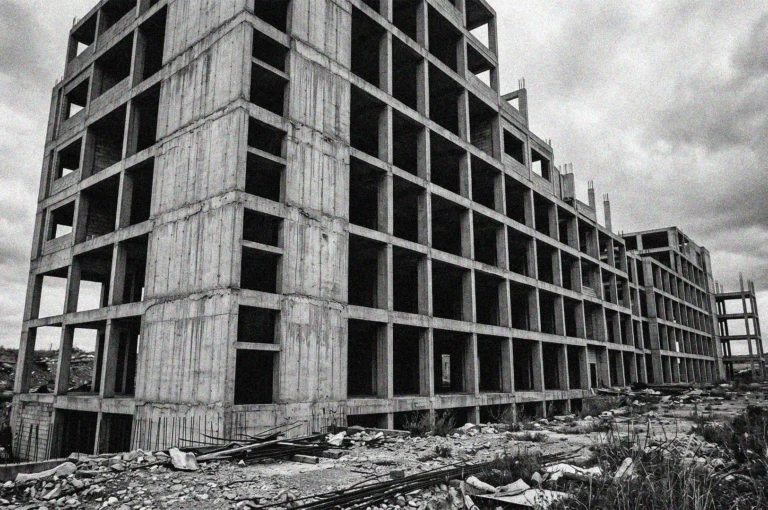
There is a unique silence that settles over a building marked for demolition. It’s a quiet that hums with the ghosts of laughter, arguments, and lullabies soaked into its very walls. These structures, often dismissed as mere concrete and steel, are living archives of human experience. For a photographer, stepping into these spaces is like entering a memory palace, where the last remaining residents are not just inhabitants, but curators of a history about to be erased. The camera’s purpose here is to listen, to document the soul of a place before it vanishes.
The Architecture of Memory
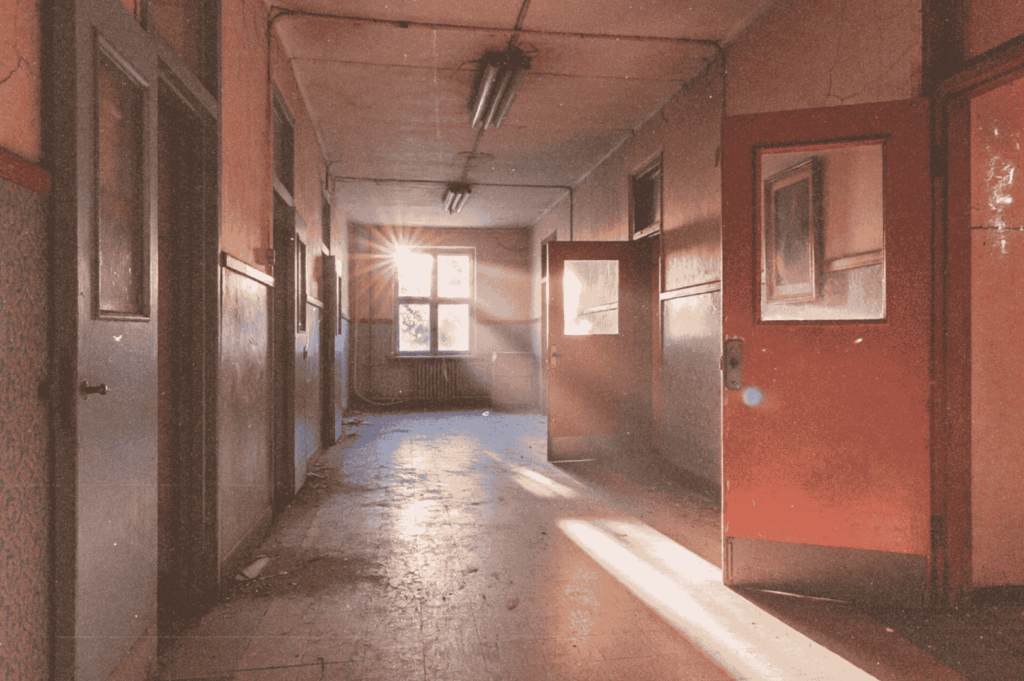
An apartment block is more than a home; it is a silent witness. Its corridors have felt the rush of children’s feet, its windows have framed decades of changing seasons, and its walls are layered with the faint residue of countless lives lived. When I photograph these buildings, I see the architecture as a character in the story. The cracks in the plaster are not flaws but lifelines, tracing stories of resilience. A sun-faded patch of wallpaper where a portrait once hung becomes a testament to love and loss. It’s a perspective shared by artists who find beauty in decay, a theme beautifully captured in projects found at institutions like the Tate Modern.
Echoes in an Empty Hallway
Walking through the near-empty hallways is a profoundly sensory experience. The air is thick with the scent of dust and old paper. The silence is punctuated by the distant hum of the city and the creak of floorboards from one of the few remaining occupied units. Each door I pass is a closed chapter, but for the last residents, their door is still open to a life that continues against a backdrop of impending loss. My lens seeks to capture this contrast—the vibrant, ongoing present set within a structure that has already been consigned to the past.
Portraits of Place and Person
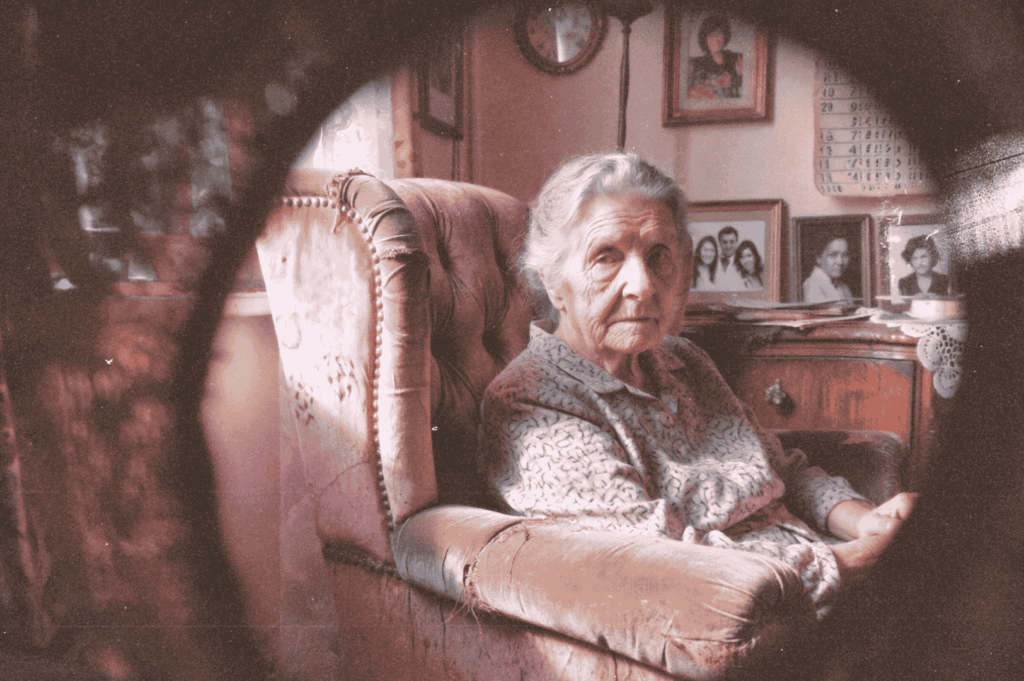
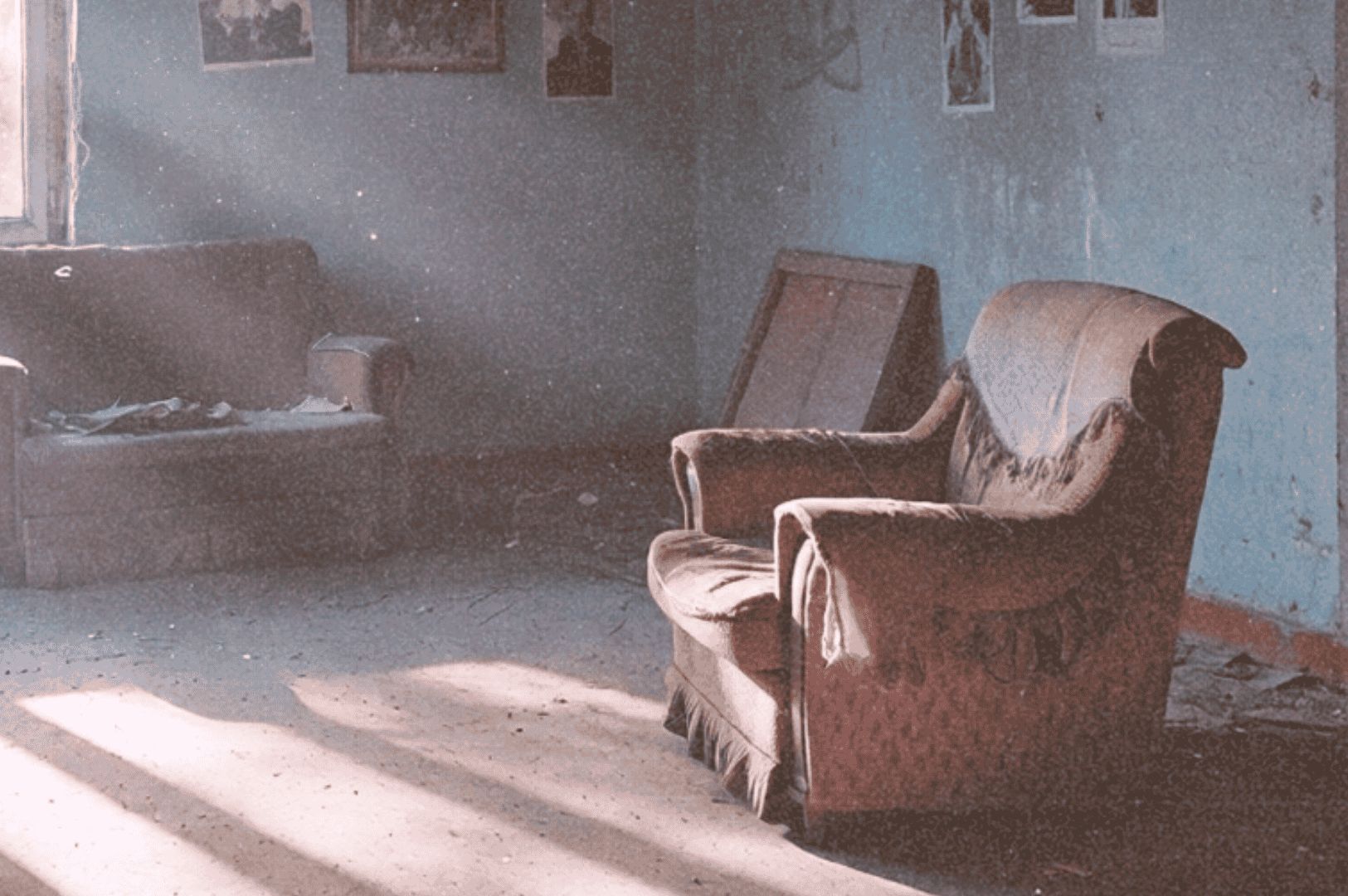
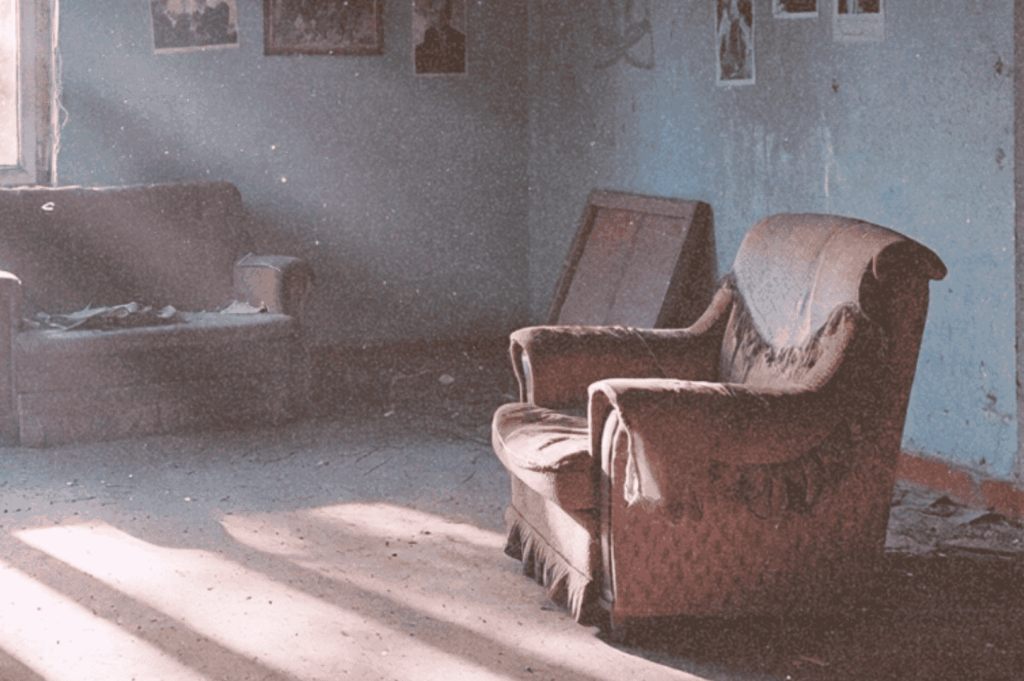
To photograph the last residents is to capture a relationship. It is an intimate bond between a person and the space that has held them. I am not just taking a portrait of an individual, but a portrait of them within their sanctuary. An elderly woman sits in an armchair, its fabric worn smooth by years of use, her posture perfectly molded to its contours. The room around her is a museum of her own making, every object saturated with personal significance. Her gaze holds a universe of memories, intertwined with the very room she occupies. It is an honor to witness and document this profound connection, to see how a home becomes an extension of the self.
The Weight of Belonging
These are stories of belonging and displacement. For many, this is the only home they have ever known. The impending demolition is not just the loss of a physical structure, but the fracturing of a community and the uprooting of personal identity. One resident told me, his voice soft, “They can tear down the walls, but they can’t take the feeling of this place from my heart.” This sentiment is the emotional core of the project. It is about capturing the dignity and resilience of people facing profound change, a theme deeply explored in documentary photography celebrated by organizations like Magnum Photos.
A Dialogue Between Past and Future
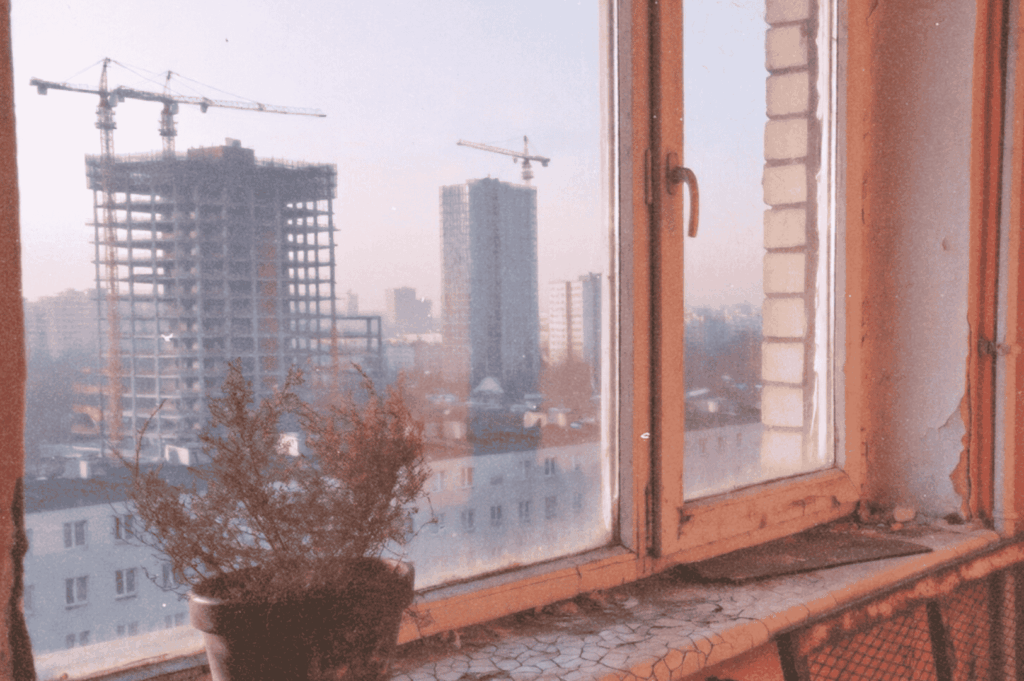
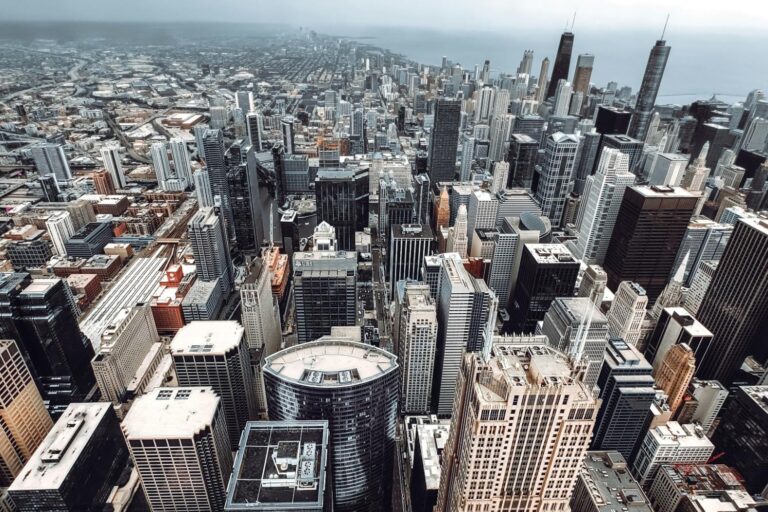
The view from a window in one of these apartments is often a study in contrasts. Inside, time feels suspended, captured in the amber of memory. Outside, the city marches on, with new cranes rising on the horizon. This juxtaposition speaks to the broader philosophical questions about progress, memory, and what we choose to preserve. What is the value of these concrete dreams in a world that constantly demands renewal? This question resonates with the reflective essays on culture and society one might find on platforms like The Point Magazine.
The Final Photograph
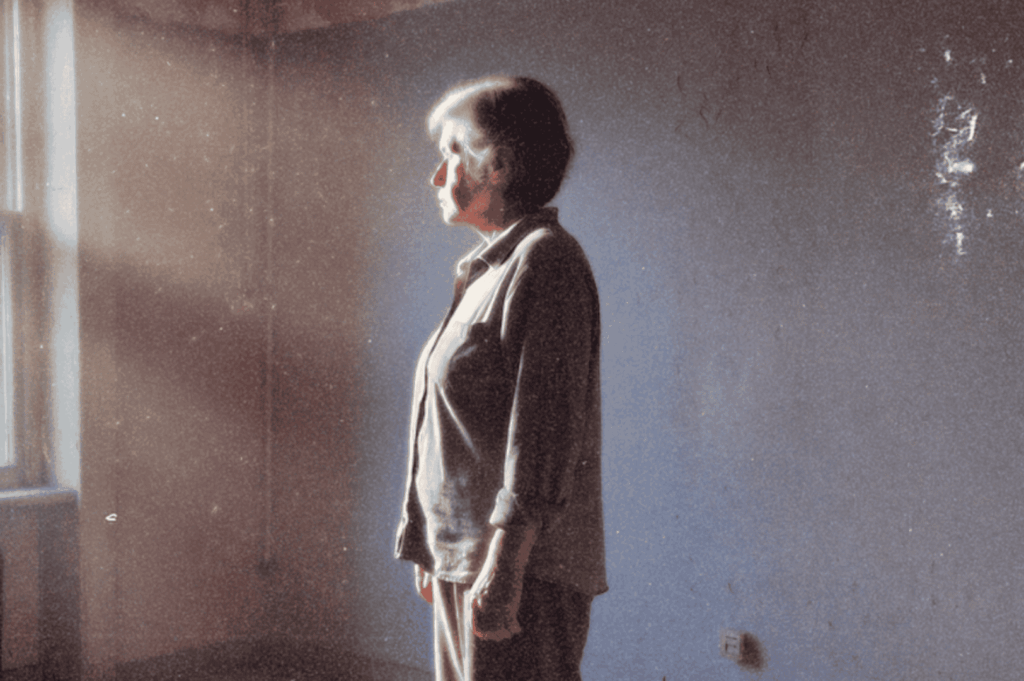
As a photographer, my role is to be a respectful observer, a keeper of these final moments. Each photograph is an act of preservation, an attempt to hold onto the intangible spirit of a place. It is a quiet, contemplative process, driven by the belief that these stories matter. The final image is not just of a person in a room, but of a life interwoven with its container. It’s a testament to the idea that our homes are not just shelters, but the silent, steady keepers of our concrete dreams, holding our stories long after we’ve gone.
To continue exploring the subtle rhythms of nature and human presence, you might also be interested in The Breathing Earth: Documenting Dawn at Ancient Forests from our Natural Dialogues collection, or Visible Invisibility: Portraits of Night Workers in the Soul Portraits series.