Visible Invisibility: Portraits of Night Workers
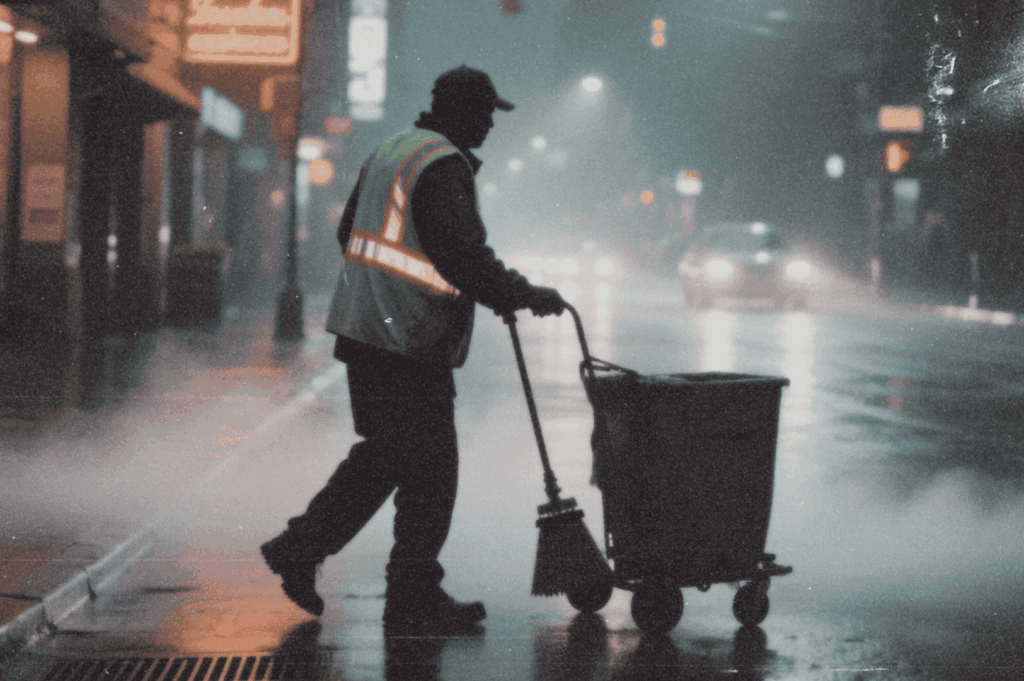
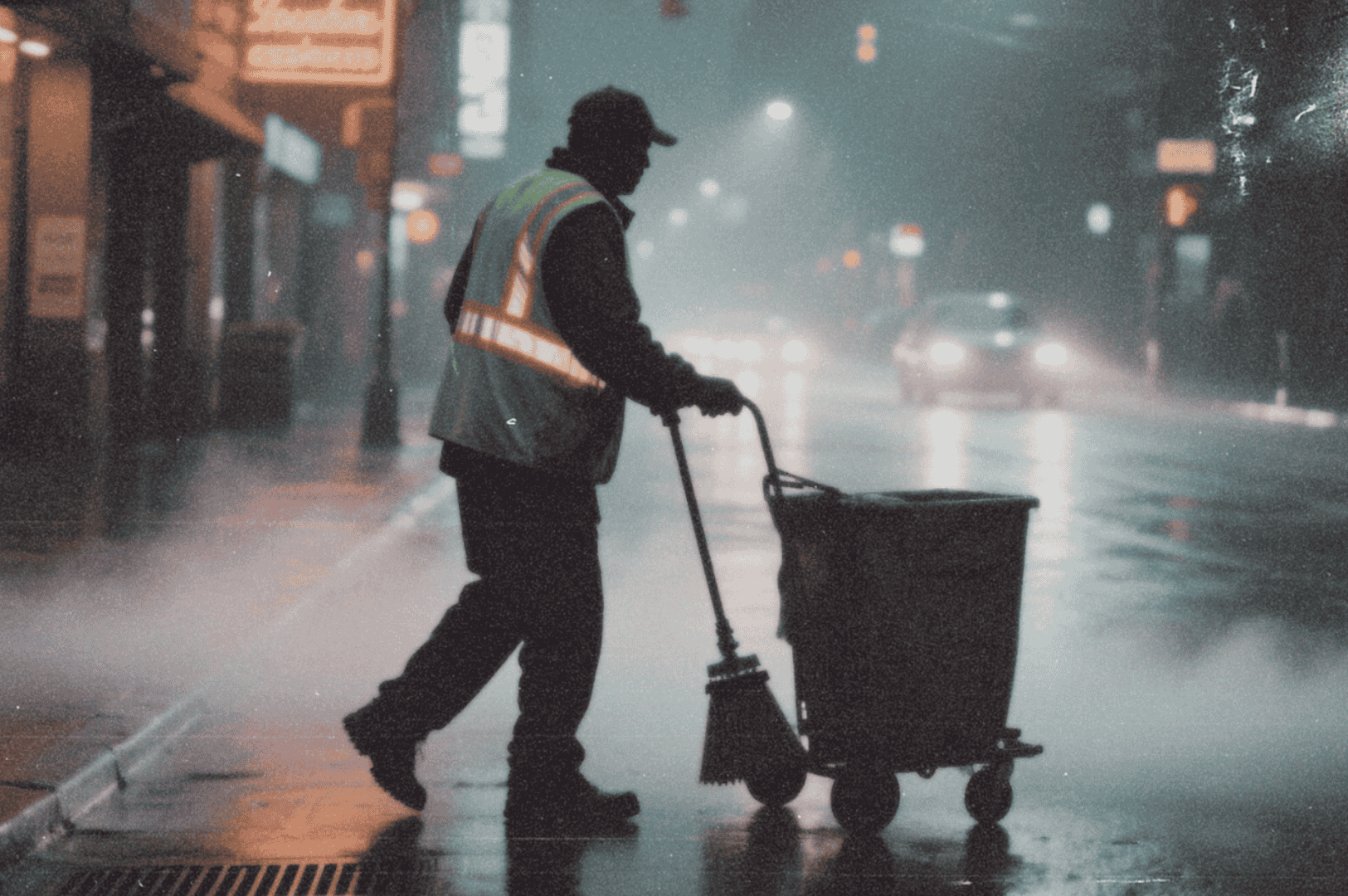
Our world does not stop when the sun goes down. A parallel city awakens, humming under the glow of artificial light. This is the domain of the night workers—the bakers, cleaners, security guards, and repair crews who keep the machinery of our lives running while most of us sleep. Their labor is essential, yet they often exist in a state of visible invisibility. To photograph them is to step into their nocturnal world, to witness their quiet diligence, and to explore a different relationship with time, silence, and light. It is an act of seeing those who are so often overlooked.
The Liminal Space of the Night Shift

Night is a liminal space, a threshold between the end of one day and the beginning of another. For those who work in it, time moves differently. The frantic pace of the day dissolves into a long, quiet, and steady rhythm. Workspaces that are chaotic by day become serene and strangely intimate. A hospital corridor, empty of its usual traffic, transforms into a vast, silent hall. A deserted highway becomes a stage for the focused ballet of a repair crew. My camera seeks to capture this unique atmosphere—the profound solitude and shared purpose that defines the night shift.
The Baker’s Solitary Craft
In the early hours, well before dawn, a baker is at work. Their world is one of warmth, the smell of yeast and sugar, and the soft sounds of dough being kneaded. Bathed in the warm, focused light of the kitchen, their movements are precise and practiced.
There is a meditative quality to their labor, a solitary creation that will greet the city as it wakes. Photographing a baker is about capturing the intimacy of this creation, the connection between hand and flour, and the quiet satisfaction of making something from scratch. It is a portrait of devotion in the deep of the night.
A Different Kind of Light

Photographing at night is a study in artificial light. The harsh, fluorescent glare of a hospital, the amber wash of sodium street lamps on a highway, the soft glow from a security guard’s monitor—each light source paints a different emotional scene.
This is not the gentle, forgiving light of the sun. It is stark, honest, and sometimes unforgiving. It carves out sharp shadows and creates pools of isolated brightness, visually separating the workers from the surrounding darkness. This play of light and shadow becomes a metaphor for their role: essential but existing on the periphery. The dramatic use of light in portraiture, a technique mastered by artists like those featured in exhibits at the Whitney Museum of American Art, offers inspiration for capturing these scenes.
The Guardian in the Glow
A security guard sits through the long hours, their face illuminated by the cool, digital light of CCTV monitors. Their job is one of perpetual vigilance, a state of quiet readiness in a world that is asleep. Their expression is often a mixture of focus and fatigue. To photograph them is to capture the essence of watching and waiting. The stillness of their post contrasts with the unseen potential for action, a quiet tension that fills the frame. It’s a testament to the invisible shield they provide for the sleeping city.
The Human Connection: Seeing the Unseen

This photographic journey is, at its heart, about connection. It begins by simply seeing—truly seeing—the people who perform these vital roles. It is about listening to their stories, understanding the rhythm of their lives, and honoring their work with a portrait that reflects their dignity. One cleaner told me, “People don’t see us, but they see our work in the morning.” This powerful sentiment is the core of the project. It challenges us to look past the function and see the person. Such documentary projects that focus on labor and social contribution are often championed by foundations like the W. Eugene Smith Memorial Fund.
Echoes of Presence

The work of night crews leaves traces for the day to find: gleaming floors, fresh bread, repaired roads. The photographs aim to do something similar—to make their presence felt. They are a quiet acknowledgment of the lives that unfold in the dark. It’s a philosophical exploration of what it means to be visible, a question that resonates with thinkers who write on society and perception, like those found in journals such as Aeon. By capturing these portraits, we are reminded that the city is a 24-hour entity, powered by the silent, steady pulse of its night workers. They are the guardians of the dawn, and their stories deserve to be seen in the light.
For more stories that capture the fleeting yet profound moments of life, explore The Last Spoonful: Documenting Final Meals Prepared by Aging Family Cooks and Hunger for Home: Immigrant Chefs Recreating Disappearing Regional Cuisines, both featured under our Ephemeral Sustenance category.