
Hunger for Home: Immigrant Chefs Recreating Disappearing Regional Cuisines
Food is often much more than sustenance; it is a connection to culture, memory, and identity. For immigrant chefs, recreating the flavors of their homeland is not just an exercise in nostalgia but an act of preservation. Regional cuisines, particularly those from areas with small or marginalized communities, are at risk of being forgotten as generations migrate and traditions evolve. These chefs take on the vital role of storytellers, using their plates to share histories, safeguard culinary techniques, and reintroduce lost recipes to modern audiences. Their work serves as a bridge between continents and generations, keeping alive the essence of home while adapting to the realities of a new cultural landscape.
Food is a language of love, a vessel for memory, and for many immigrants, the most tangible link to a home that exists only in recollection. This photographic series explores the profound act of culinary preservation by chefs who are recreating endangered regional cuisines from their homelands. It is a journey into their kitchens, where the search for an elusive ingredient becomes a quest for a lost piece of themselves, and every dish is a defiant act of remembrance. It is a story about a hunger that is for more than just food—it is a hunger for home.
For more on this poignant exploration of food and memory, visit my article about Evening at Sushi Masa by Ki-setsu here.
The Ghost of a Flavor
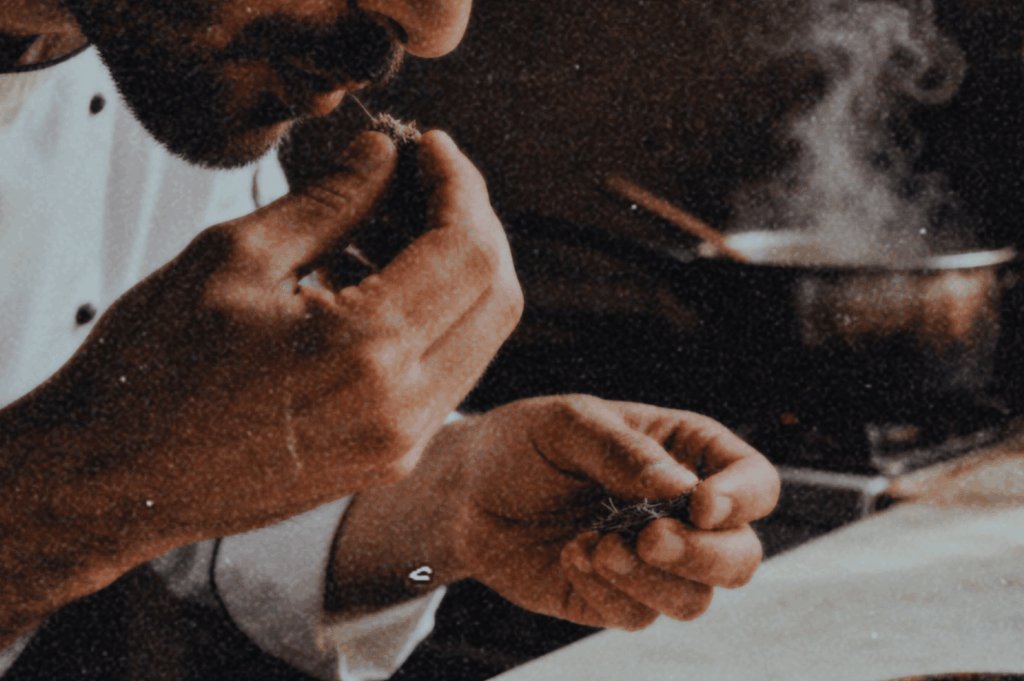
Every culture has dishes that are disappearing, recipes tied to a specific village or a particular generation, slowly fading as the world modernizes. For an immigrant chef, this loss is magnified by distance. The central challenge is often a single, irreplaceable ingredient—a wild herb that only grows on a specific mountain, a sun-dried fruit prepared in a way no longer practiced. I watched a chef from a remote Anatolian village search for a substitute for a souring agent, her face a map of concentration and longing. Photographing this process is about capturing the ghost of a flavor, the chase for a taste that exists more powerfully in memory than in reality.
A Culinary Translation
When the authentic ingredient cannot be found, the chef becomes an alchemist. Their modern kitchen transforms into a laboratory of sensory memory. They combine, taste, and adjust, not following a written recipe, but listening to an internal culinary compass. This is an act of translation, adapting an ancient practice to a new context. My camera focuses on these moments of improvisation—the furrowed brow of deep thought, the hands working with both new and familiar tools, the flicker of recognition in their eyes when the flavor is almost, but not quite, right. This creative struggle is a form of artistry, a theme often explored in documentary work by organizations like Magnum Photos.
A Kitchen Built from Memory
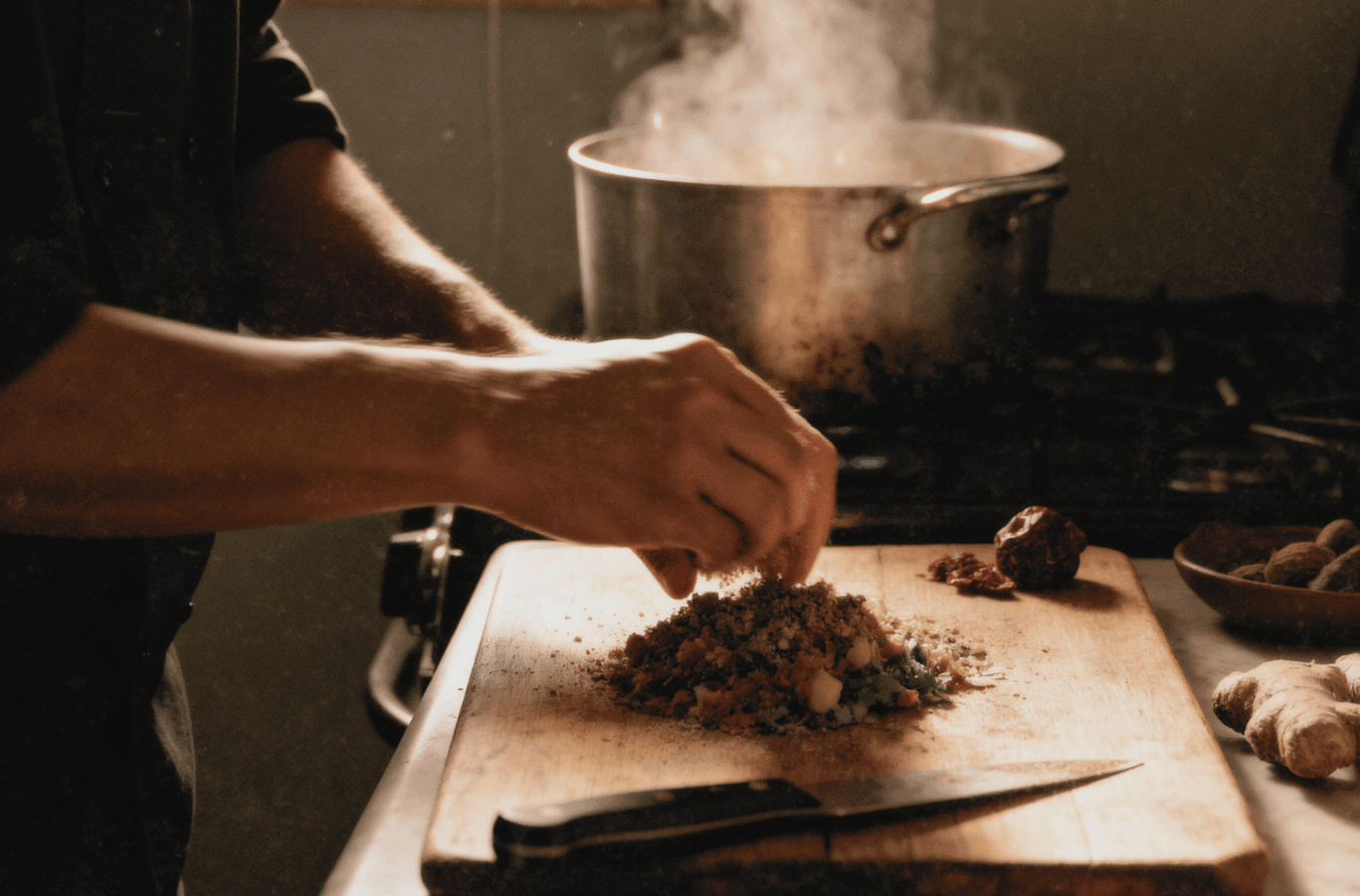
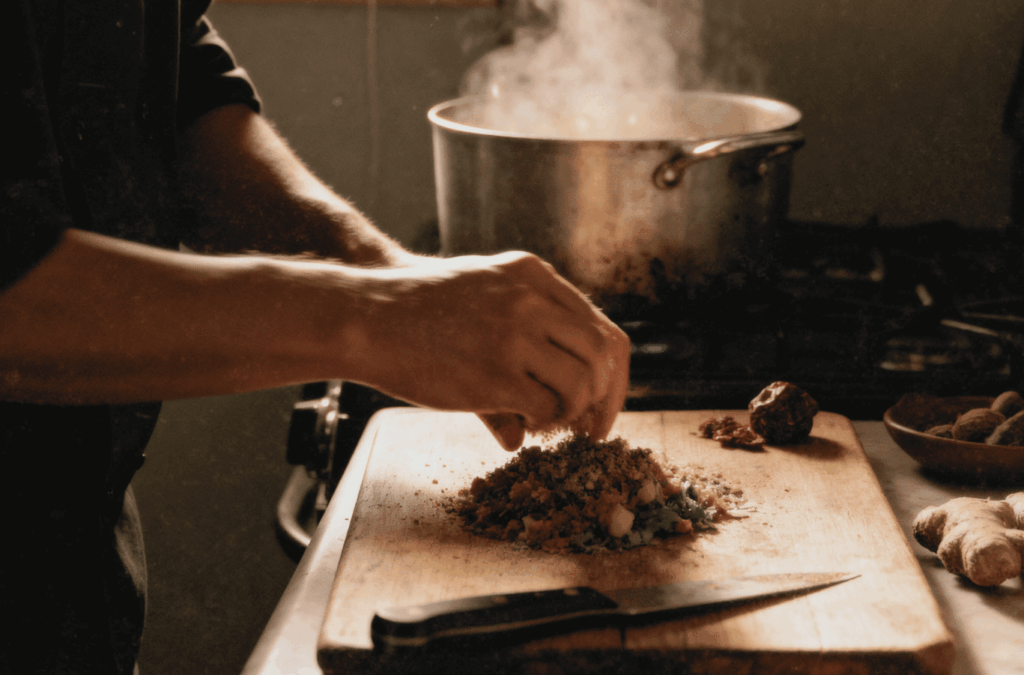
The space where these chefs cook is often a hybrid of worlds. A modern stainless-steel countertop might hold a hand-carved wooden bowl carried across oceans. The scent of a rare spice might mingle with the mundane smell of a city apartment. These kitchens are sacred spaces, built not just with appliances, but with memories. The light in these rooms seems different, charged with the emotional weight of the task. As a photographer, my role is to witness this quiet, determined labor, capturing the sacred geometry of their workspace and the artifacts that connect them to a distant land.
The Weight of Tradition
“This is how my grandmother did it,” a chef from Oaxaca tells me, as she grinds spices with a stone mortar, an ancient technique she adapts for her small restaurant kitchen. Her words carry the weight of generations. This is not just cooking; it is a ritual of continuance. She is keeping a promise to her ancestors, ensuring their knowledge survives in a new world. This deep connection between food, culture, and identity is a subject of academic and cultural study, beautifully curated in publications like Whetstone Magazine, which celebrates global food origins. Photographing this is to document the unbroken thread of cultural inheritance.
The Emotional Resonance of Aroma
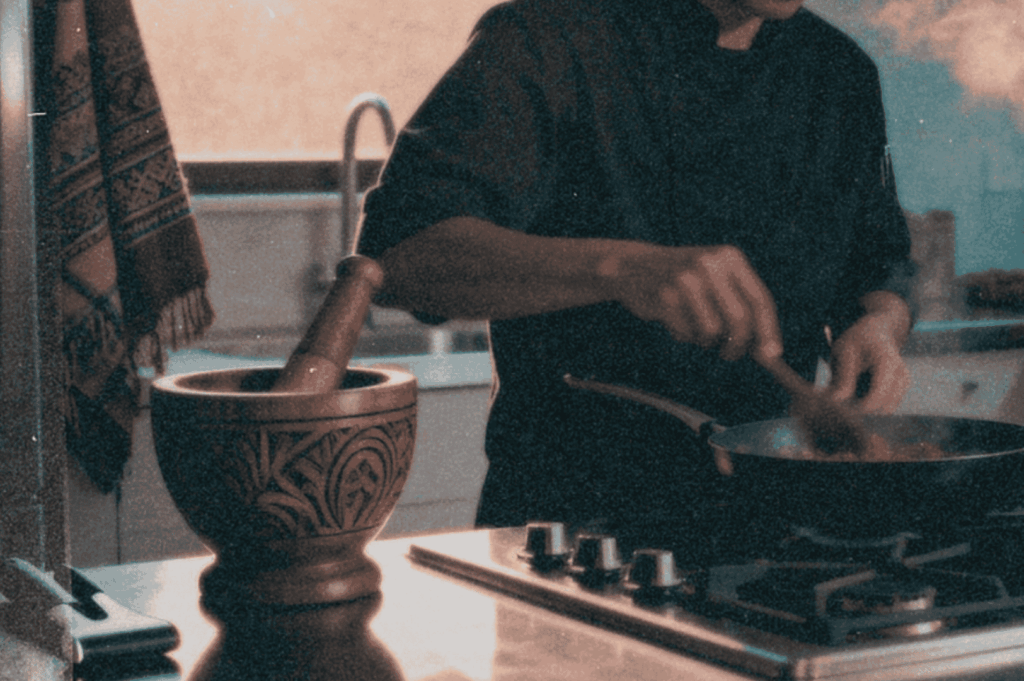
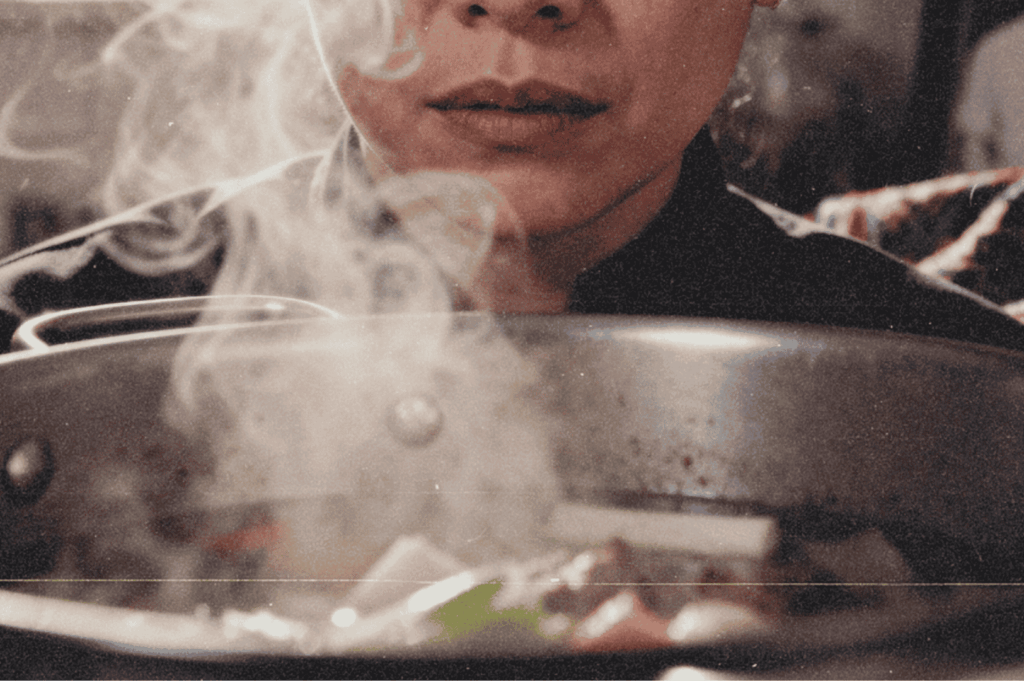
Nothing triggers memory quite like scent. As a dish begins to simmer, the kitchen fills with an aroma that can instantly collapse time and distance. Suddenly, the chef is no longer in a city apartment but in their childhood home, surrounded by family. I have seen tears well up at the first scent of a long-forgotten stew. Capturing this moment—this raw, unguarded emotional reaction—is the heart of the project. It is a portrait of a person momentarily reunited with a piece of their soul. It is a visual testament to how food can be a form of time travel, a concept that resonates with the philosophical explorations of memory found in essays on platforms like Brain Pickings (now The Marginalian).
A Dish as a Declaration
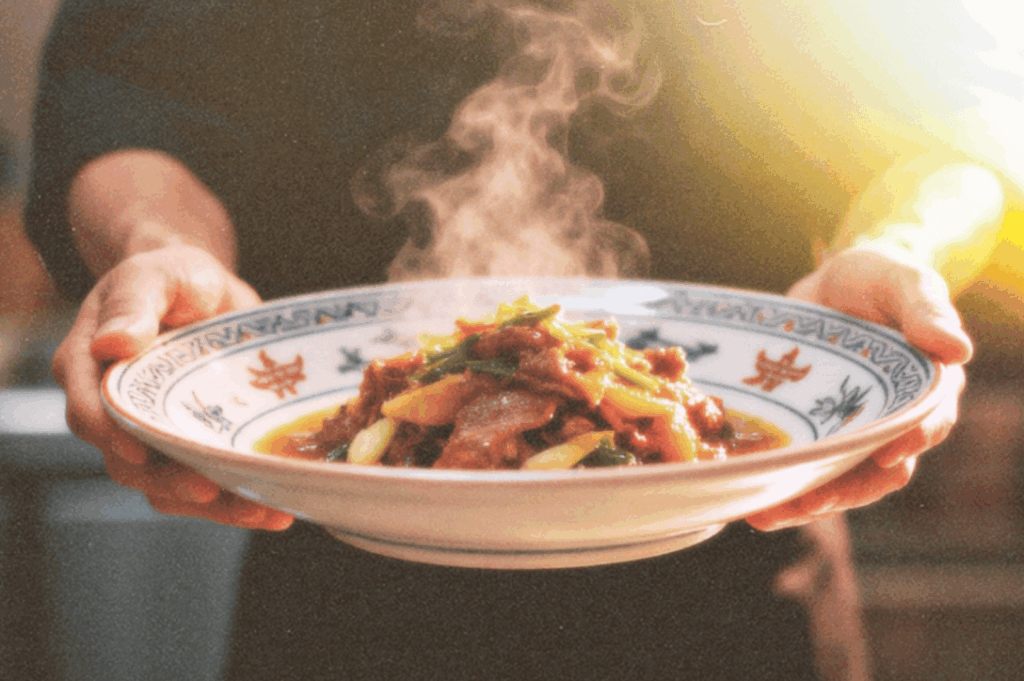
Ultimately, serving one of these recreated dishes is a powerful declaration. It says: “We are still here. Our history is alive. Our flavors have not been forgotten.” Each plate is a story of survival, ingenuity, and love for a culture that perseveres against the odds. These meals, shared with a new community, become bridges between worlds. They are more than nourishment; they are edible stories, offering a taste of a place that might otherwise be lost forever. The photographs seek to preserve not just the dish, but the profound human journey required to bring it back to life.
To explore our full range of initiatives, navigate to our Homepage, or visit our About Us page for deeper insight into our purpose and values. You can also read An Edible Story of What Was Lost to discover more about the stories that shape our journey.