A Door That Opens Only With Time
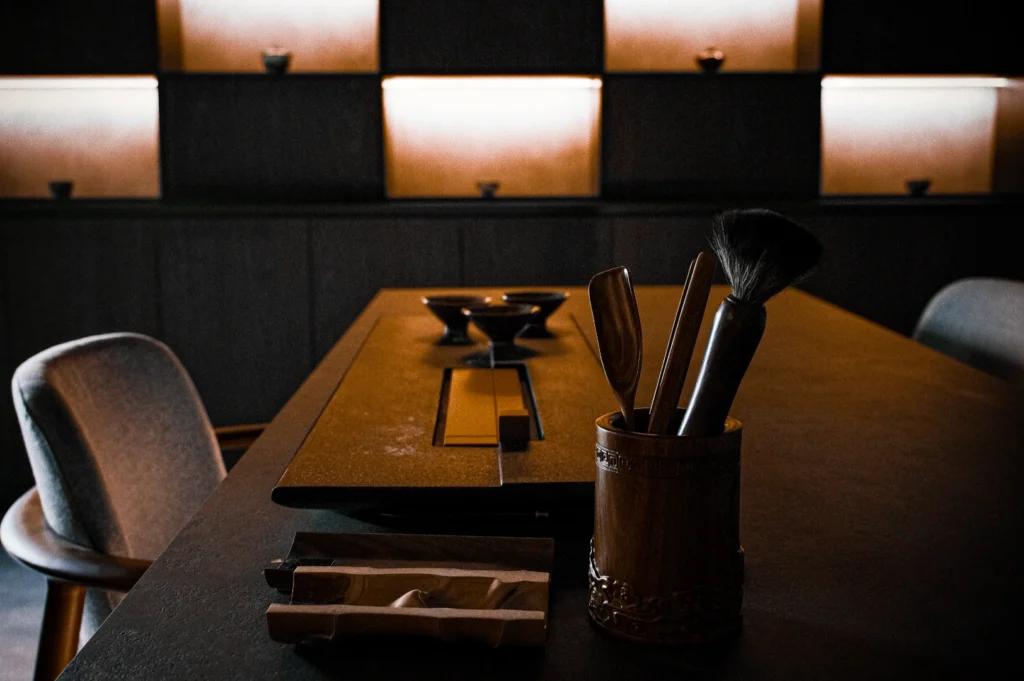
There are places that announce themselves before you even arrive. A signboard. A queue. A hum of voices spilling into the street.
And then there are places that seem to withdraw.
Tea Room by Ki-setsu belongs to the latter. You do not stumble into it. You do not pass by and decide, impulsively, to step inside. There is no accidental discovery here, only deliberate arrival.
It is not hidden, exactly. But it resists immediacy.
Where Waiting Becomes the Beginning
In a city calibrated for speed, where reservations are confirmed instantly and meals are measured in turnover rates, the idea of waiting feels almost anachronistic. Yet here, waiting is not a flaw in the system. It is the system.
A session at the Tea Room by Ki-setsu cannot be summoned on demand. You do not walk in because the experience itself would fracture under that kind of spontaneity. Each appointment is singular, held within a carefully bounded stretch of time. There are only so many hours in a day, and only so many cups that can be poured with full attention.
To increase availability would be to dilute presence.
So the calendar remains sparse: not as a gesture of exclusivity, but as an act of preservation.
A Room That Reveals Itself Slowly
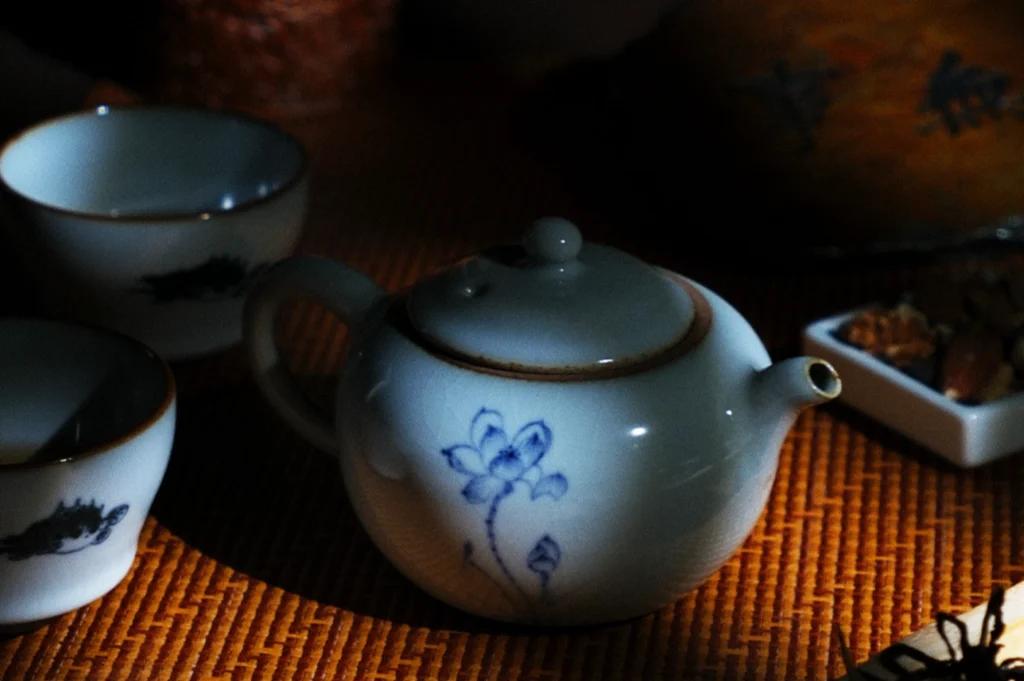
The room itself does not reveal everything at once.
Light falls softly, never harsh. Surfaces do not compete for attention. Even silence seems to have been considered, shaped into something tactile. It is a space that does not rush to impress, and because of that, it lingers.
You begin to notice things in layers. The way steam rises, then disappears. The sound of water before it reaches a boil. The quiet precision of hands that have repeated these gestures so many times they no longer feel like movements, but continuations of thought.
There is no menu in the conventional sense. No fixed sequence that can be replicated across dozens of guests in a day. Each session unfolds in response; to the tea, to the moment, to the person seated across the table.
This is where scale becomes impossible.
A tea journey here is not assembled. It is composed.
The Discipline Behind the Ritual
It is easy, from the outside, to misread this as restraint for the sake of mystique. To assume that limited access is simply another expression of luxury: scarcity dressed up as desirability.
But sit long enough, and that reading begins to fall away.
What becomes apparent instead is a kind of discipline.
To prepare tea in this manner is to commit to a rhythm that does not bend easily to demand. Leaves must be handled gently, without haste. Water must be watched, not rushed. Timing is not dictated by efficiency, but by sensitivity. By knowing when something is ready, and when it is not.
This kind of attention does not multiply well.
It cannot be scaled without losing its centre.
The Quiet That Takes Its Time
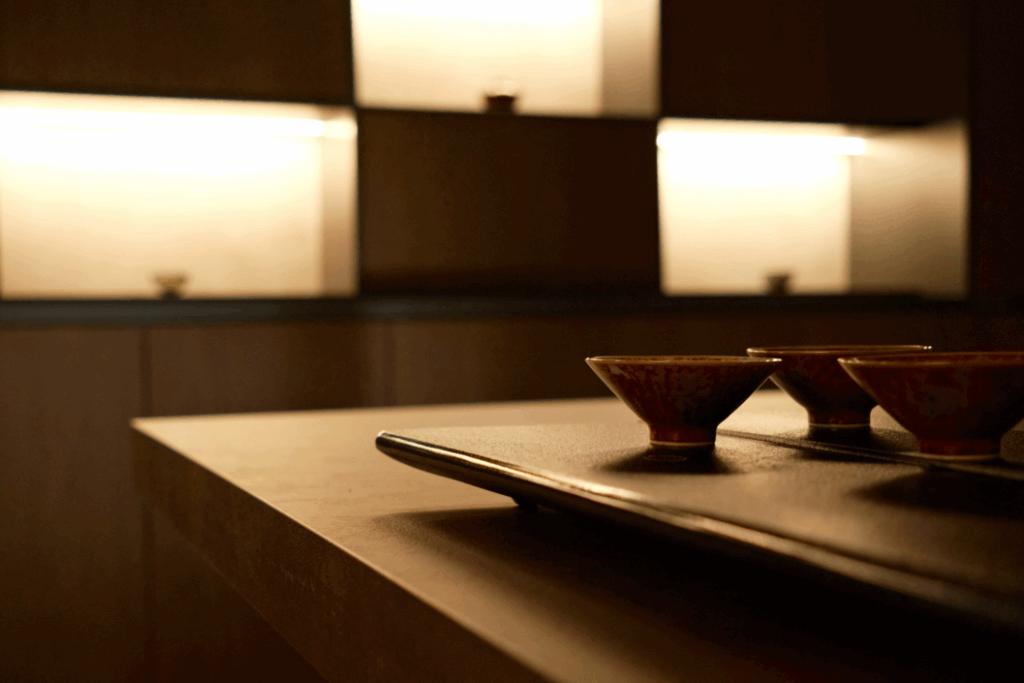
There is a moment, somewhere between the first pour and the last, where the outside world begins to recede. Not dramatically, not all at once. But gradually, like a tide pulling back.
Phones remain untouched. Conversations soften. Even time seems to stretch, no longer segmented into appointments and notifications, but experienced as something continuous.
This is the quiet luxury the Tea Room by Ki-setsu protects.
Not rarity in the conventional sense, but absence; of noise, of urgency, of interruption.
To safeguard that absence, boundaries become necessary.
Anticipation as Part of the Experience
And so, the waiting.
It begins long before the visit itself. In the act of checking availability and finding none. In the decision to return, to look again, to hold a space in mind that has not yet been occupied.
Anticipation gathers slowly.
By the time a session is secured, something has already shifted. The experience has begun to take shape, even before the first cup is poured. Expectations sharpen. Attention follows.
If the Tea Room by Ki-setsu were always available (if you could walk in at any hour and be seated within minutes) this quiet build-up would dissolve. The visit would become just another entry in a day filled with them.
Instead, it becomes singular.
The Generosity of Less
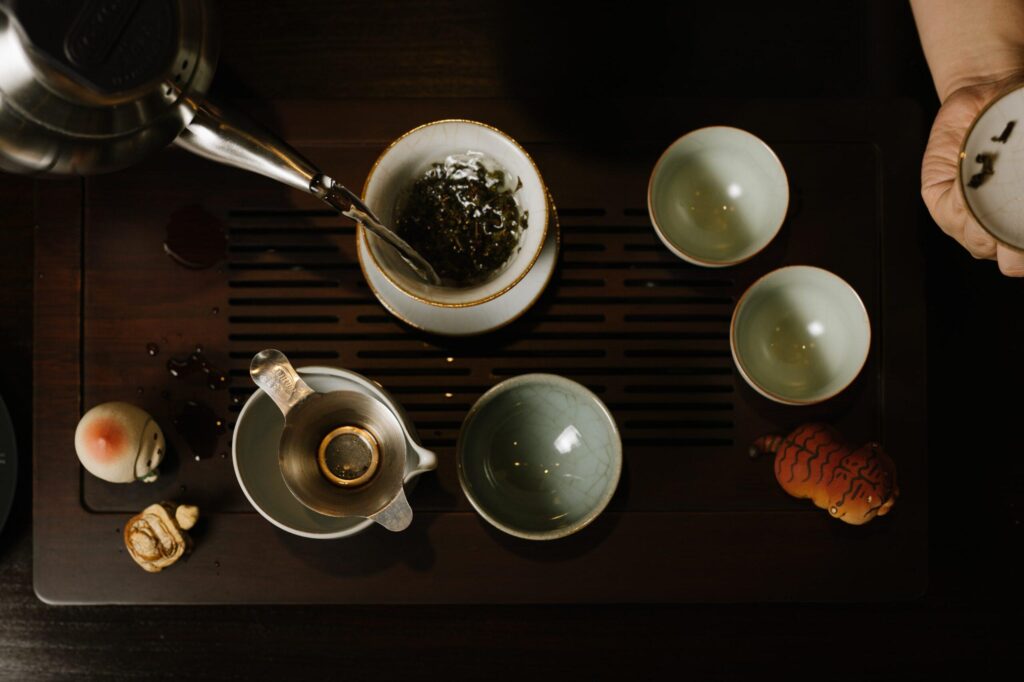
Not in offering more, but in offering less and allowing that “less” to hold its full weight. A single session, fully attended to. A limited number of guests, each given the time required for the experience to unfold without compromise.
It is an approach that resists the prevailing logic of abundance.
More seats, more sessions, more reach.
Here, the equation is inverted. Value is not created by expansion, but by concentration.
What Lingers After
What remains, at the end, is not just the memory of taste.
Though the teas themselves are remarkable (delicate, layered, often revealing more with each infusion) it is not flavour alone that lingers. It is the pacing. The stillness. The sense of having stepped, briefly, outside of a system that constantly demands your attention.
You leave not with the urgency to document, but with a kind of quiet that feels unfamiliar in its completeness.
Tea Room by Ki-setsu: A Space That Cannot Be Rushed
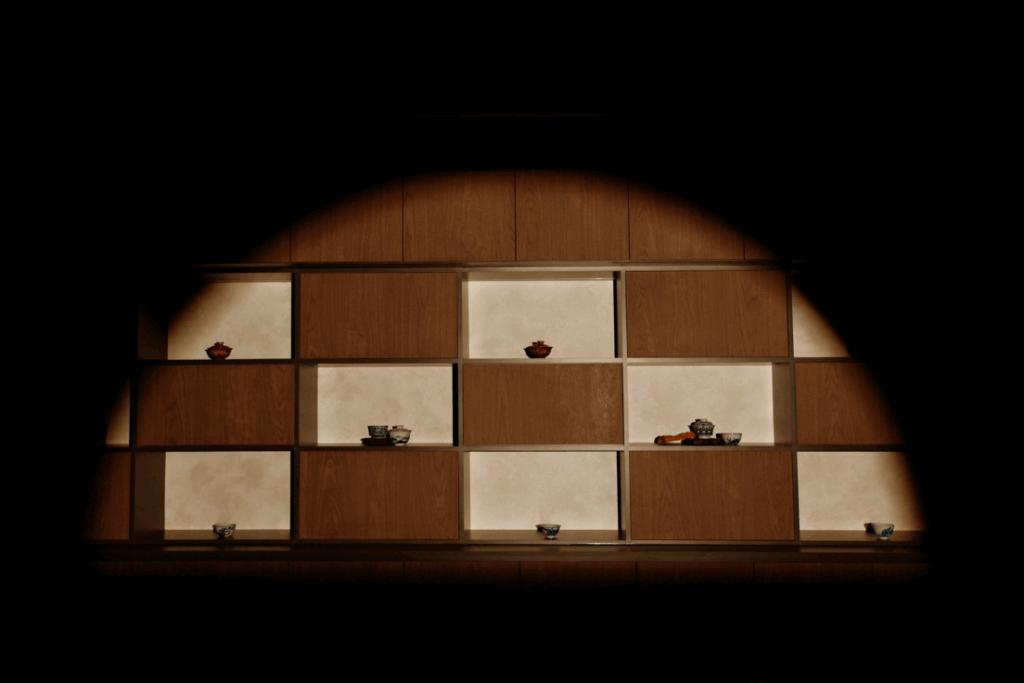
Not because it wishes to exclude, but because inclusion, in this context, requires something different. It asks for time. For patience. For a willingness to arrive slowly, rather than immediately.
And in return, it offers something that cannot be rushed into existence.
A space where nothing is hurried. Where each gesture is allowed to finish before the next begins. Where presence is not an aspiration, but a condition.
Why It Remains Just Out of Reach
In the end, the Tea Room by Ki-setsu is not difficult to enter because it seeks to be rare.
It is rare because the experience it holds together would unravel if it were any easier to reach.
And so it remains, just slightly out of step with the world around it, inviting you to step inside.
Waiting is not for everyone, but for those willing to wait with it.