Threshold Hesitations
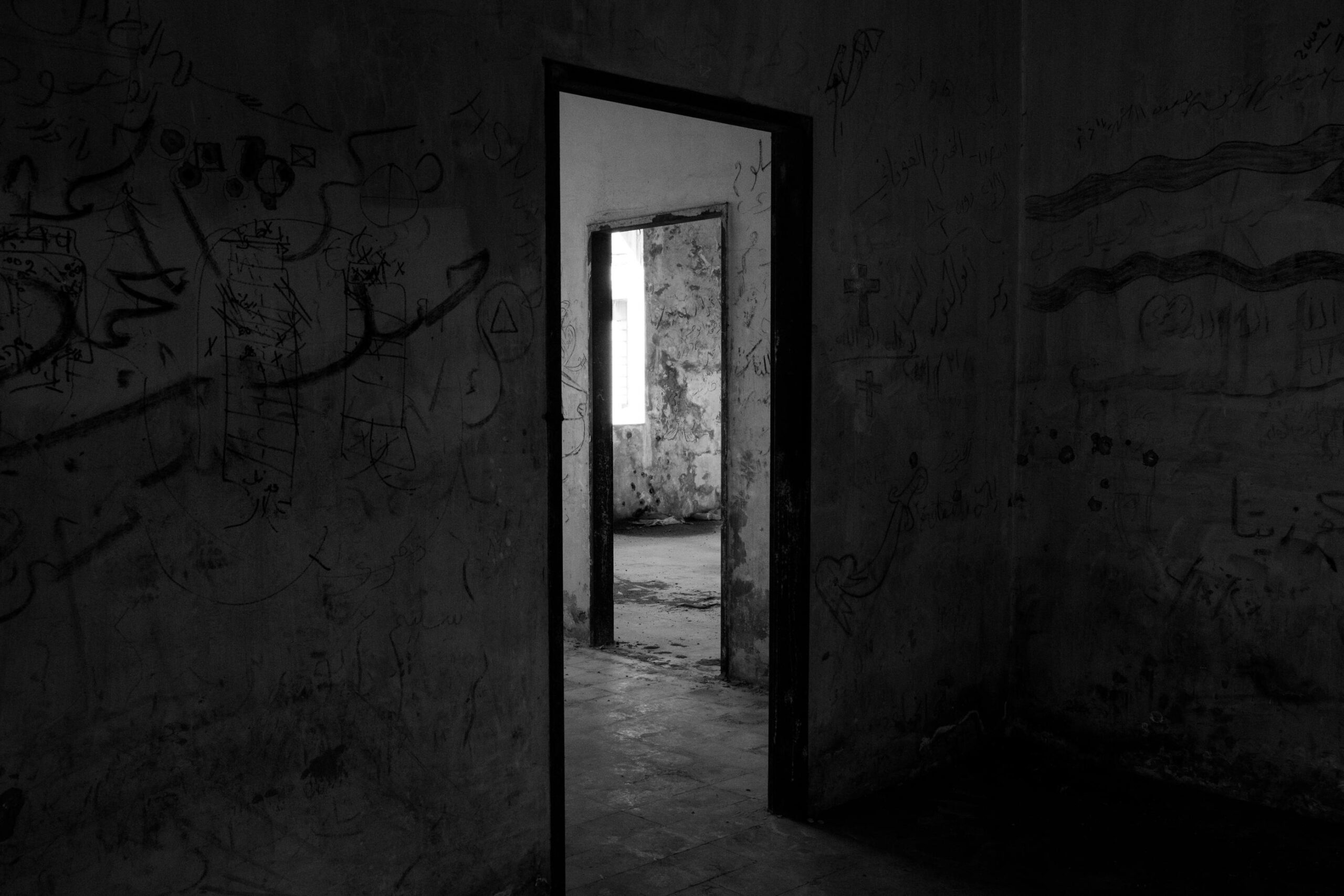
We move through our days crossing countless unseen lines, but some thresholds are more significant than others. They are the doorways to spaces of consequence: a house of worship, a hospital waiting room, a courtroom, a library. Before we pass through these doors, there is a pause. It is a moment of hesitation, almost imperceptible, where the body and spirit collect themselves before entering a new state of being. This photographic essay is a study of that pause, an exploration of the silent, sacred moment of gathering that happens on the precipice of a significant space.
The Liminal Space of the Doorway
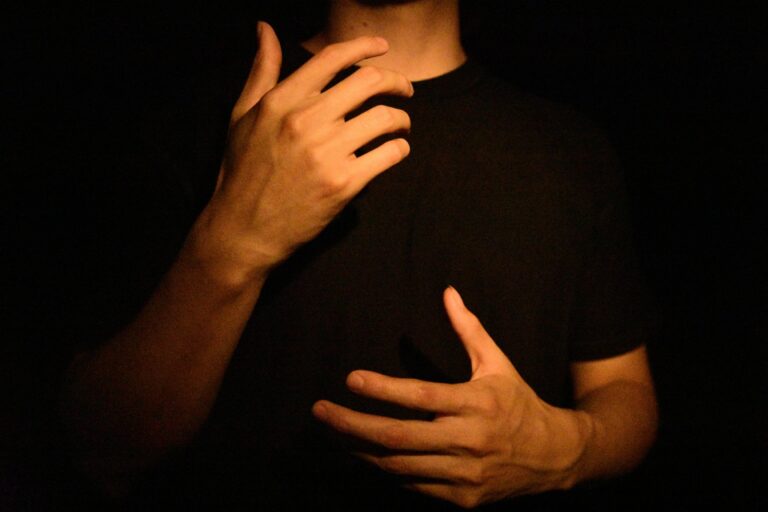
A doorway is not just an opening; it is a liminal space, a boundary between the mundane and the meaningful. It is here, in this in-between state, that we perform a subtle, internal ritual. The photographer’s challenge is to capture this invisible act. It is not an action shot, but a portrait of stillness. From a respectful distance, the camera can observe the slight slump of shoulders taking a deep breath, the brief closing of the eyes, or the hand that hovers for a moment before pushing the door open. These are the physical manifestations of a mind steeling itself for what lies within.
The Hospital Door: A Breath Held in Hope and Fear
Outside the automatic doors of a hospital, the air is thick with unspoken prayers. Here, the threshold hesitation is heavy. I watched a man stop, his hand clutching a small bouquet of flowers, his face a complex mask of hope and dread. He stood for a long moment, looking not at the door but at some point in the middle distance, gathering the strength to face the clinical reality inside. A photograph of this moment is a portrait of love and vulnerability, of the human heart bracing itself for news, good or bad. This intersection of human emotion and our built environment is a powerful subject, one that resonates with the work of many social documentarians featured in publications like LensCulture.
The Courthouse Steps: The Weight of Justice
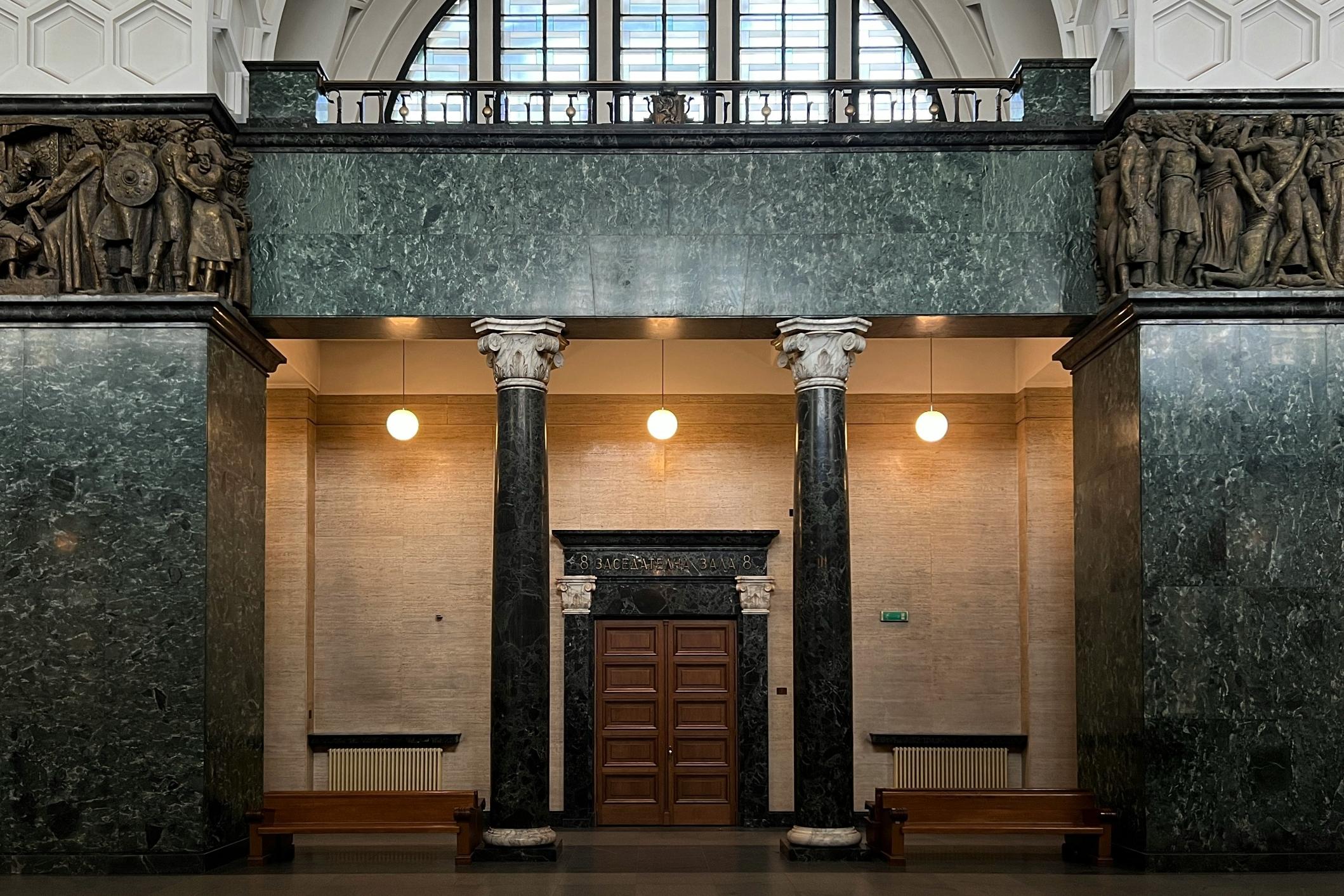
The steps of a courthouse are a stage for a different kind of emotional preparation. The threshold here is wide, the approach long. People pause not just at the door, but all along the ascent. Their bodies tell a story of the weight they are about to carry or confront. One might see a woman straightening the jacket of her suit, a small gesture of armoring oneself, or a family huddled together for a final moment of solidarity before facing the institution of law. The photographer captures the posture of anticipation, the way a body holds the gravity of justice, fate, and consequence.
The Sanctuary Entrance: A Shedding of the Secular
At the entrance to a church, a mosque, or a temple, the pause is different again. It is a transition from the chaotic, secular world to a space of quiet contemplation. Here, the hesitation is often accompanied by a physical gesture: a head bowed, a sign of the cross, the removal of shoes. It is a conscious act of shedding the outside world and preparing the soul for a sacred encounter. A photograph might capture the soft light from within spilling onto a person’s face as they stand on the edge, a moment of transition from worldly noise to hallowed, resonant silence. The role of sacred architecture in shaping human experience is a profound subject, explored by cultural institutions like the Victoria and Albert Museum.
The Unseen Emotional Landscape
What these photographs reveal is the vast, unseen emotional landscape that we carry with us. They show that our most profound moments are often our quietest. The real story is not what happens inside these significant spaces, but the internal preparation that allows us to enter them at all. It is the deep, internal sigh before the plunge. This interest in the inner life, in the quiet moments of psychological truth, is a cornerstone of contemplative art and philosophy, a topic often explored in the thoughtful essays of The Marginalian.
The Photographer as a Witness to Stillness
To capture these moments requires a photographer to become a student of stillness. It demands patience and a deep respect for the subject’s private emotional reality. It is not about “sniping” a shot, but about anticipating a moment of quiet and being ready to receive it. It is a slow, meditative practice of observation. The telephoto lens becomes a tool of respectful distance, allowing the subject their space while the camera bears witness to their fleeting, fragile moment of self-possession.
An Ode to the Pause
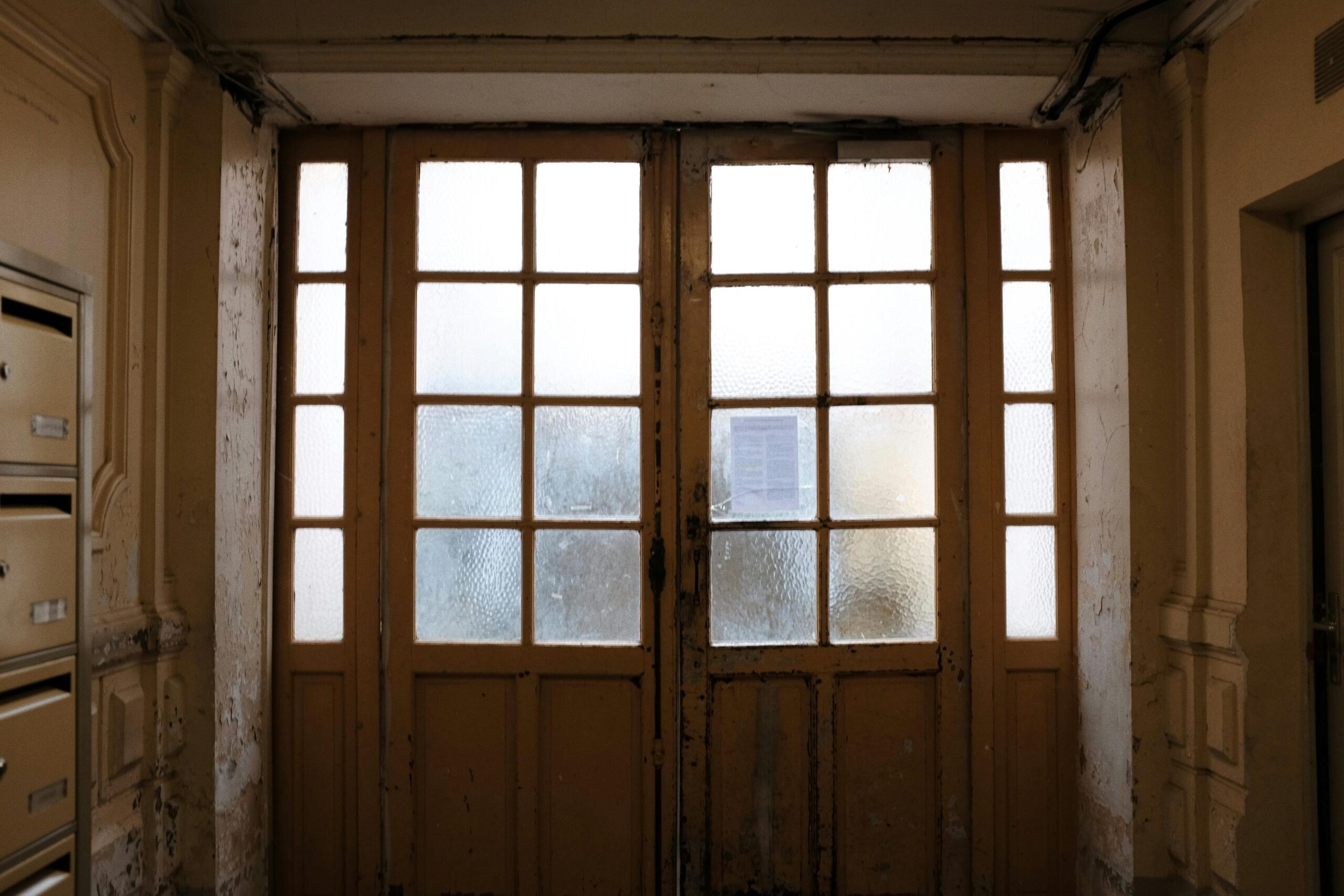
In a world that rushes us ever forward, the threshold hesitation is a small act of rebellion. It is a moment of self-awareness, of acknowledging that some doors are heavier than others. This photographic series is an ode to that pause. It is a validation of the time we take to compose our hearts before we cross a boundary. It is a quiet celebration of the human need to gather our scattered selves before we step into a space that demands we be fully present, for better or for worse. It is a reminder that the most important part of any journey is the single, silent breath we take before the first step.
For more on the art of capturing human emotions through spaces and absence, explore Photographing Absence: Documenting the Void.