Desert Soliloquies: Finding Voice in Silence
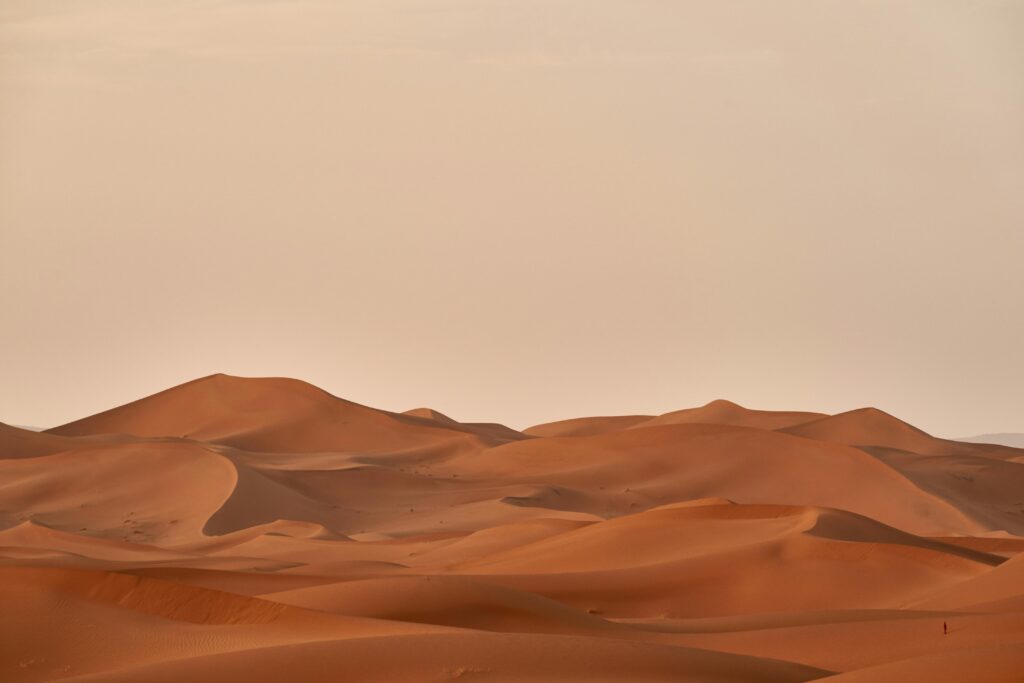
Go to the desert not to find adventure, but to find silence. In our world, saturated with noise and relentless communication, true silence is a rare and radical state. The desert is one of the last places on Earth where one can experience it. This profound absence of sound is not an emptiness; it is a presence. It is a canvas against which the quietest sounds—the beating of your own heart, the whisper of the wind—become amplified. This photographic essay is a meditation on that silence. It explores how the vast, seemingly empty landscapes of the desert create a space for our own inner voice to finally speak, pairing portraits of quiet contemplation with images of a land that speaks volumes in its stillness.
The Sound of Emptiness
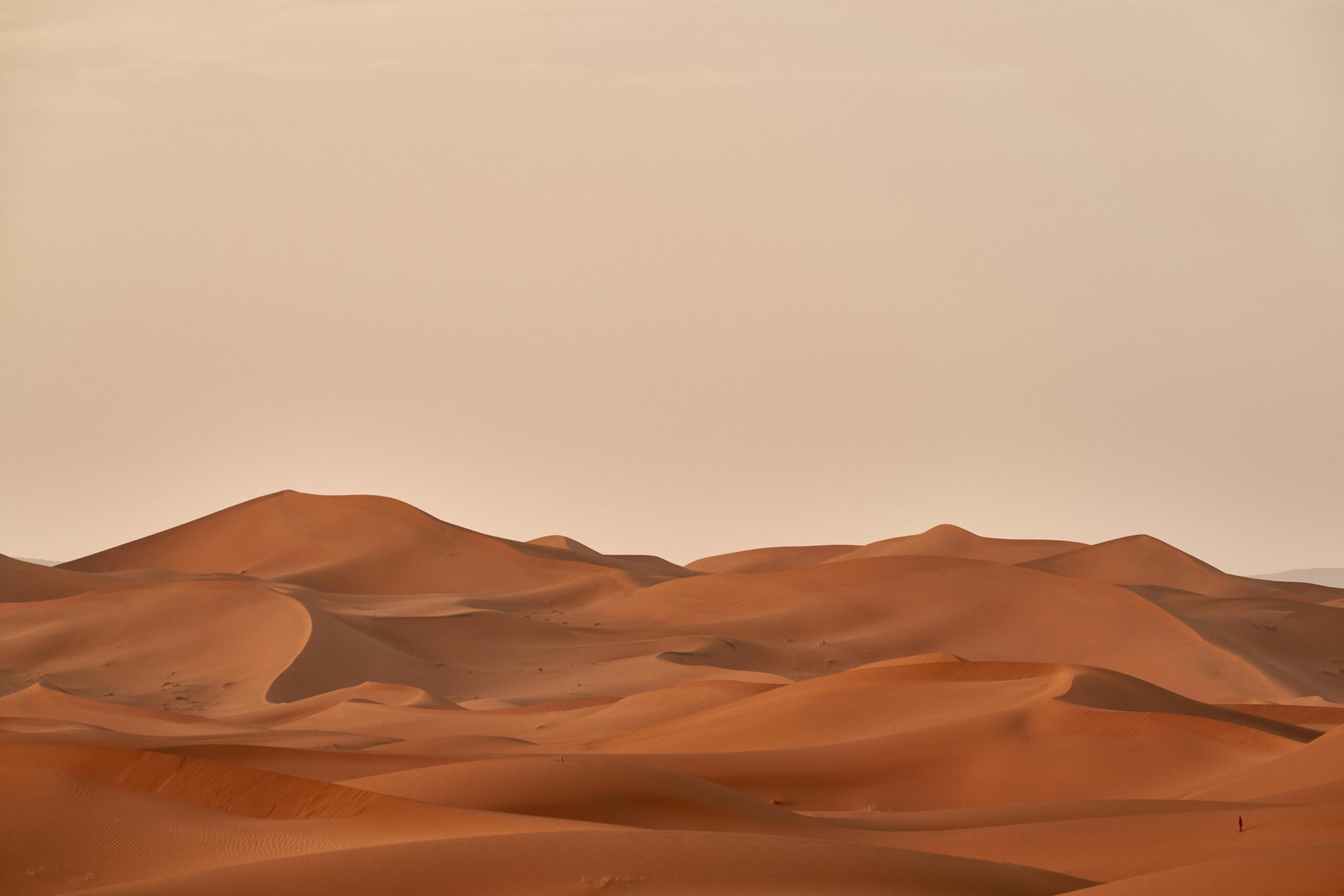
The first thing you notice in the desert is the quality of the quiet. It is not a dead silence, but a living, breathing stillness. There is the soft, percussive skitter of a lizard on rock, the low hum of wind across a dune, the distant cry of a hawk. Your ears, accustomed to filtering out the clamor of civilization, slowly recalibrate. They begin to hear the subtle symphony of the seemingly empty world. To photograph this landscape is to attempt to capture an invisible quality. The camera must focus on the textures that evoke sound: the rippled, wind-carved patterns in the sand, the sharp, brittle edges of a dried-out wash.
The Landscape as a Listening Ear
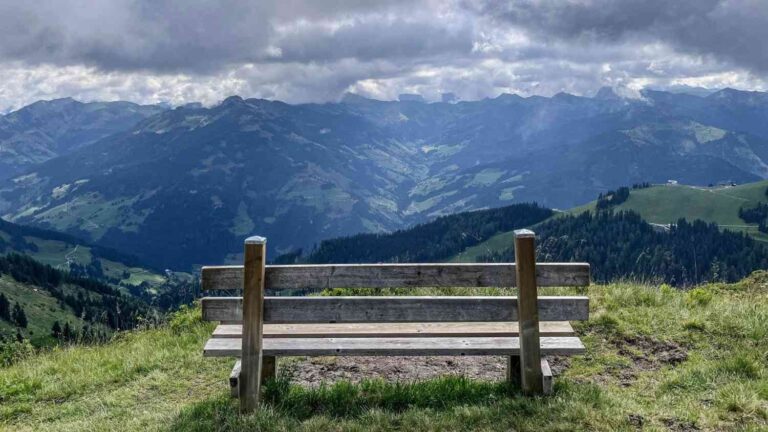
The desert does not speak; it listens. Its vast, open spaces and uninterrupted horizons create a sense of being held in a benevolent, silent gaze. Standing before a colossal rock formation that has stood for millennia, your own anxieties and narratives shrink to their proper scale. The landscape becomes a vast, non-judgmental ear. In this space, the internal monologue that is usually drowned out by daily noise begins to rise to the surface. It is a place for soliloquy. The beauty of these landscapes has captivated artists for generations, with icons like Georgia O’Keeffe finding a lifetime of inspiration, as documented by the Georgia O’Keeffe Museum.
Portraits in the Void
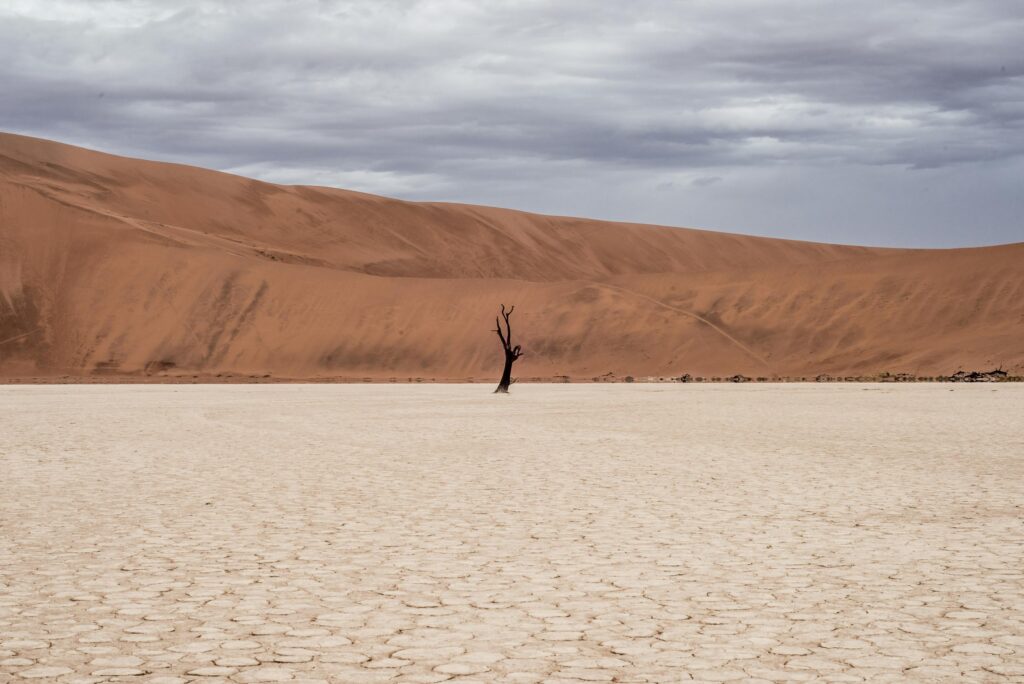
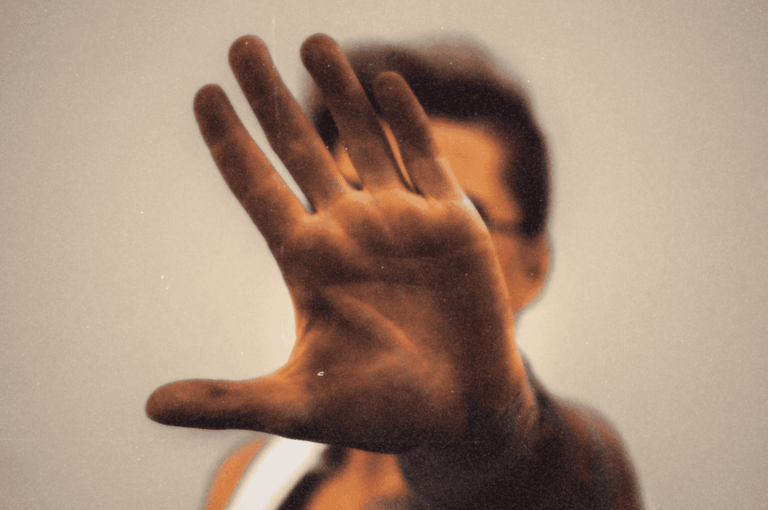
To photograph a person in the desert is to create a portrait of their inner world. I ask my subjects not to pose, but to simply be in the landscape. I ask them to find a spot, to sit, to close their eyes, and to listen to the silence. After a few minutes, a profound change occurs. The tension in their shoulders releases. Their breathing deepens. Their face, stripped of the need to perform or react, settles into a state of calm, unguarded introspection. This is the moment to photograph.
The Echo of the Horizon in the Eyes
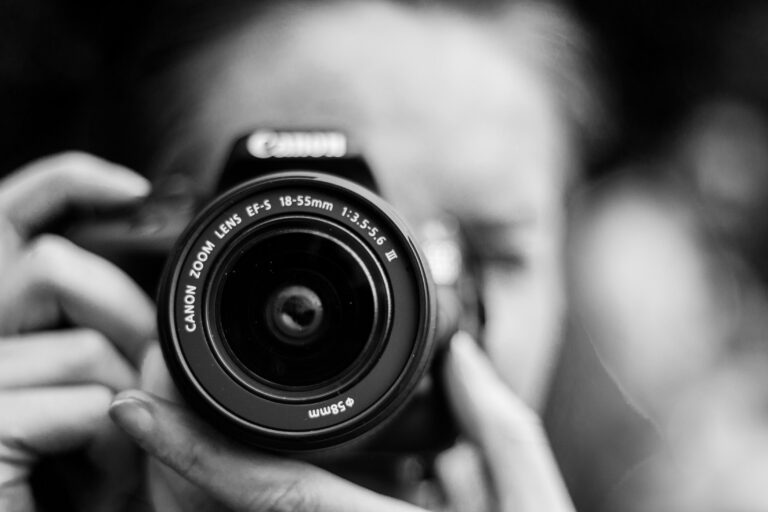
When the subject opens their eyes, their gaze is different. It is clear, distant, and reflective. It is as if the infinite horizon has imprinted itself onto their retina. The portrait is no longer just of a person, but of a person in dialogue with immensity. The vast, empty space behind them is not a backdrop; it is a participant in the portrait. It is the silence that allows the person’s inner state to become visible. This approach to environmental portraiture, where the landscape and subject are in deep conversation, is a powerful photographic tradition explored by outlets like LensCulture.
The Language of Light and Shadow
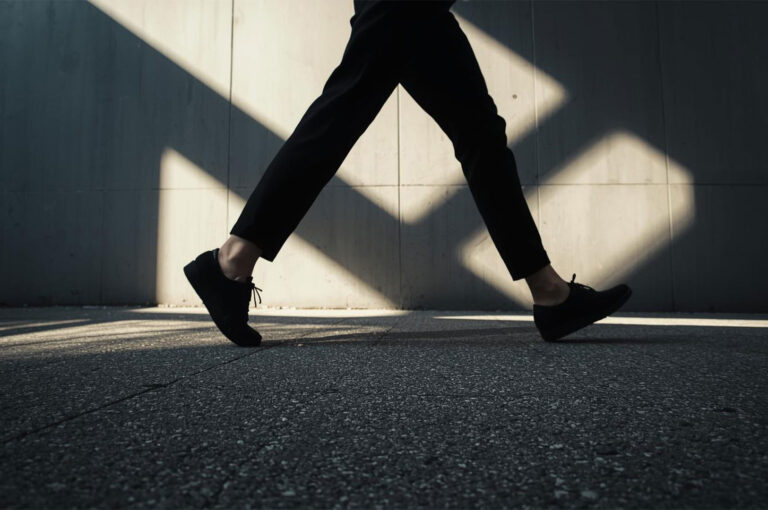
In the desert, light and shadow are not just visual elements; they are characters in the story. The sun is uncompromising. At midday, it bleaches the world into a stark, high-contrast palette. But in the early morning and late afternoon, the light becomes a storyteller. The low sun rakes across the landscape, revealing the delicate texture of every grain of sand and casting long, dramatic shadows that feel as solid as the rocks themselves. A photograph of a lone figure, their shadow stretching out before them, is an image of the self and its echo, a visual representation of the inner and outer worlds meeting.
The Altar of the Setting Sun
The sunset in the desert is a sacred, silent event. As the sun sinks below the horizon, the sky performs a slow, magnificent color shift, from fiery orange to soft, dusty rose and deep indigo. For a few brief moments, the land is bathed in a soft, ethereal glow. There is no sound, only the awesome, unfolding spectacle of light. To witness this is to be stilled, to be silenced by beauty. This is a time for contemplation, for gratitude, and for feeling one’s place in the vast, cosmic order—a feeling often explored in the philosophical writings found on platforms like The Marginalian.
Returning to the World with a Quiet Heart
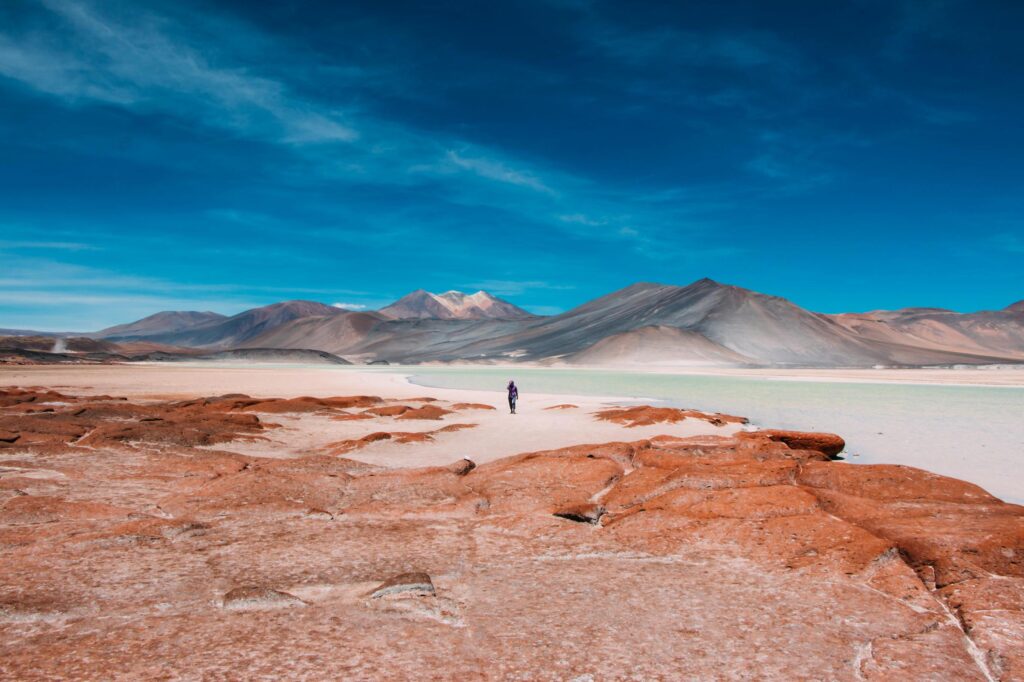
You do not leave the desert unchanged. You carry the silence with you. It is a resonant quiet that settles in your bones. The return to the noise of the world can be jarring, but the memory of that profound stillness acts as an anchor. It is a reminder that beneath the surface of all our doing, there is a core of being that is quiet, patient, and vast.
Photographing in the desert is a spiritual practice. It is an exercise in listening. It is an attempt to capture the voice of a land that speaks in stillness and to document the human soul as it responds in kind. The resulting images are not just pictures of a place, but mementos of a conversation—a quiet, internal dialogue held in the great, silent cathedral of the arid earth.
If this stillness feels familiar, it echoes in Alleyway Whispers: The Dignified Life of Urban Margins, where the quiet resilience of overlooked spaces reveals a different, yet equally profound, conversation between humanity and its surroundings.