Alleyway Whispers: The Dignified Life of Urban Margins
There is a moment before the monsoon arrives when the world holds its breath. The air grows heavy, thick with a palpable sense of anticipation. The sky, a placid blue just hours before, darkens to a bruised, dramatic purple. This is the overture to a magnificent, elemental performance. This photographic essay is a meditation on the transformative power of seasonal rains, a journey into the heart of the monsoon, focusing on those moments when the boundaries between sky, water, and earth dissolve into a single, breathtaking entity.
The Held Breath: Before the Downpour
The moments preceding the rain are a study in stillness and tension. In the rice paddies of Vietnam, the wind dies completely. The vibrant green stalks stand perfectly still, their reflections captured in the mirror-smooth water. The light takes on an otherworldly quality, a deep, saturated glow that makes every color feel more intense. The photographer’s role here is to capture this profound quiet, this deep inhalation before the release. The air is so thick you can almost taste it—a mixture of damp earth and the electric tang of ozone.
The Sky’s Descent
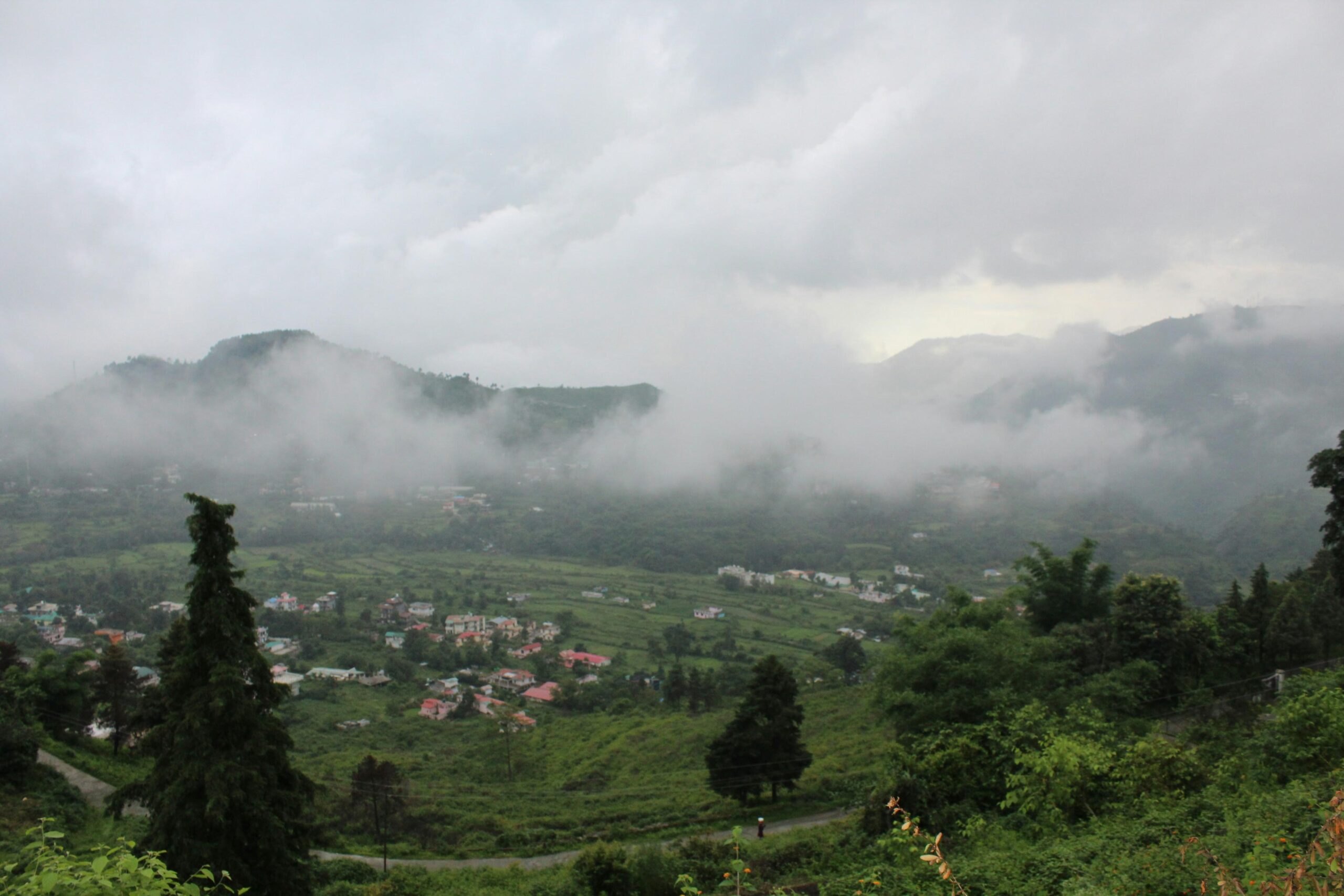
The first sign of the sky’s descent is not a drop, but a change in the atmosphere. The clouds, once defined, begin to soften and bleed downwards. From a distance, the rain appears as a smoky, ethereal curtain sweeping across the landscape, blurring the line between the heavens and the horizon. Photographing this advance requires a wide lens and a sense of scale, capturing the sheer immensity of the approaching storm against the fragile, waiting land. It is a humbling sight, a reminder of nature’s immense and indifferent power.
The Deluge: When Boundaries Dissolve
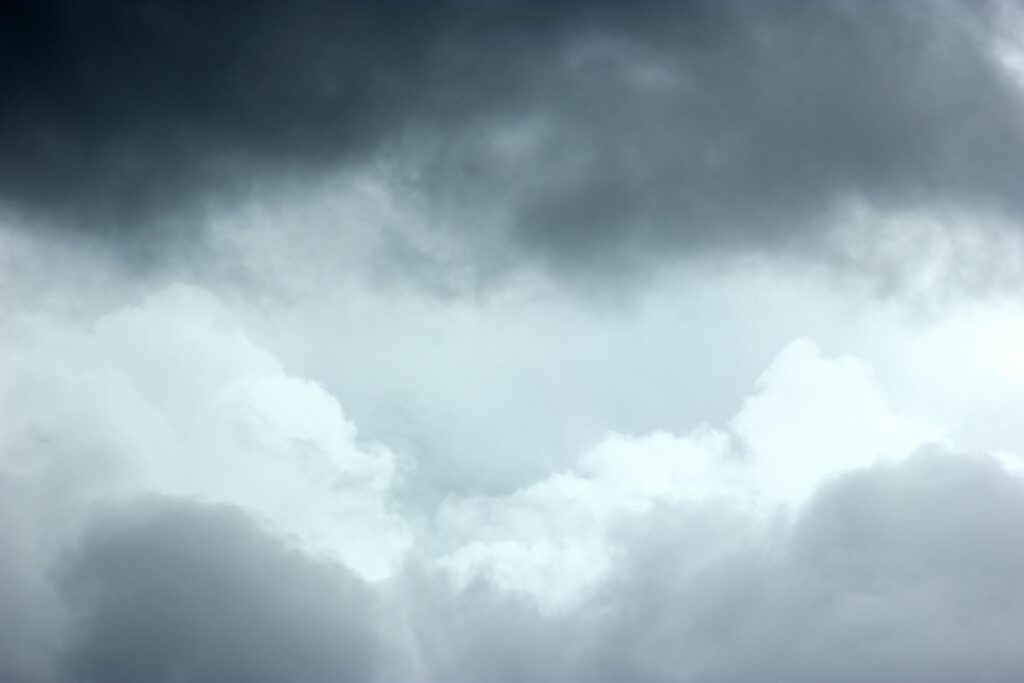
And then it comes. The first drops are large and loud, exploding on dusty paths and creating dark, widening circles. Within seconds, these individual notes swell into a deafening roar. During the height of a downpour, the world is reduced to water and sound. Vision is obscured, the landscape becomes an impressionistic blur, and the line between what is water and what is land vanishes. Using a fast shutter speed, the camera can freeze individual raindrops, turning them into a shower of suspended, crystalline jewels. A slower shutter speed, conversely, transforms the rain into soft, silky streaks, emphasizing the fluid, overwhelming motion of the deluge.
A World Rendered in Watercolors
When the rain is at its heaviest, the world outside looks like a watercolor painting. Colors run into each other, sharp edges soften, and the entire scene is viewed through a liquid lens. A photograph taken through a rain-streaked window can capture this effect beautifully. The rivulets of water on the glass distort the world outside, creating abstract patterns of light and color. It’s a style of photography that finds beauty in obstruction, a concept explored by artists who use natural elements in their work, often featured in galleries such as the Tate Modern.
The Aftermath: A World Washed Clean
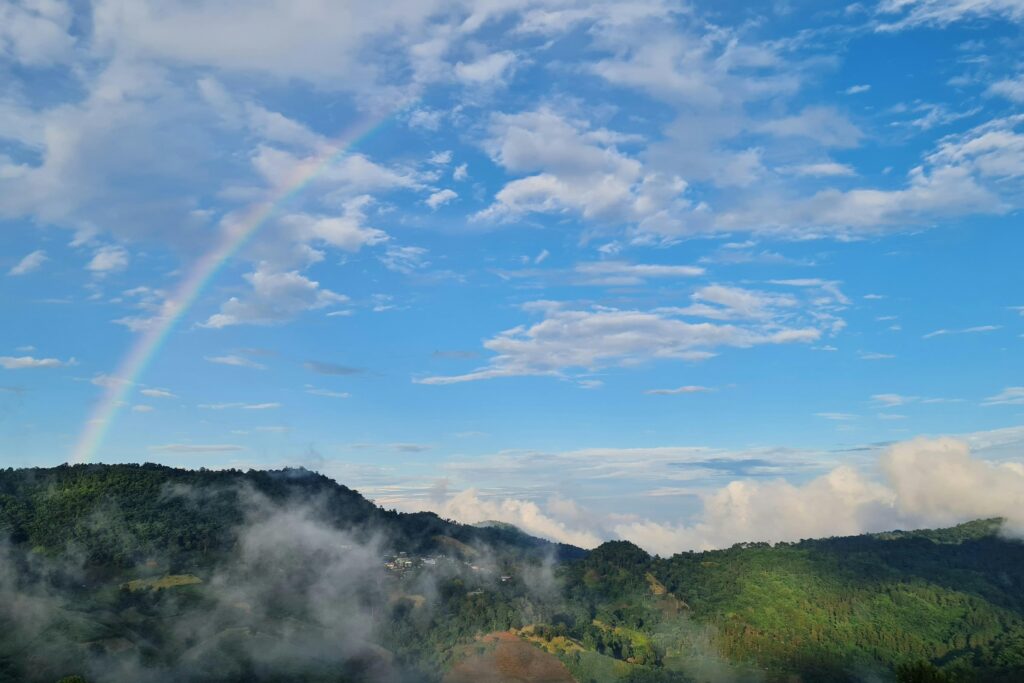
As quickly as it arrives, the monsoon rain can cease. The roaring symphony gives way to a gentle, percussive dripping from leaves and eaves. The world that emerges is transformed. It is washed clean, vibrant, and alive. The air is fresh and cool. The colors, once muted by dust, are now shockingly bright—the emerald green of banana leaves, the rich, red-brown of the wet earth. This post-rain world is a gift to the photographer, offering unparalleled clarity and saturation.
Reflections and Renewal
The most beautiful gift of the monsoon’s aftermath is the world of reflections. Every puddle, every flooded field, every wet street becomes a mirror, creating a stunning, symmetrical doubling of reality. A simple temple, when reflected in a newly formed pool, becomes an object of perfect, otherworldly beauty. This is a time of renewal. The rain has replenished the land, and there is a palpable sense of life re-emerging. The study of how different cultures interact with their natural environments is a rich field, documented by cultural institutions like the American Museum of Natural History.
A Cycle of Surrender and Rebirth
The monsoon is more than a weather event; it is a fundamental rhythm of life. It is a cycle of dramatic surrender and glorious rebirth. To photograph it is to engage with this rhythm, to witness the landscape’s deep, cyclical breathing. It teaches a lesson in acceptance—that there are forces far greater than us, and that there is a profound beauty in letting go and allowing oneself to be overwhelmed. The deep connection between natural cycles and human philosophy is a timeless subject, explored in contemplative traditions and writings, with insights often shared by publications like Tricycle: The Buddhist Review.
This series is an ode to that cycle. It is an attempt to capture the deep, soulful quiet before the storm, the chaotic catharsis of the downpour, and the clean, hopeful world that is born in its wake. It is a celebration of the moment when sky meets earth, and for a brief, magical time, they become one.
For a breath of stillness in a restless world, wander into Experiencing Dawn’s Breath: Slow Photography in Ancient Forest Sanctuaries and feel the earth exhale with you.