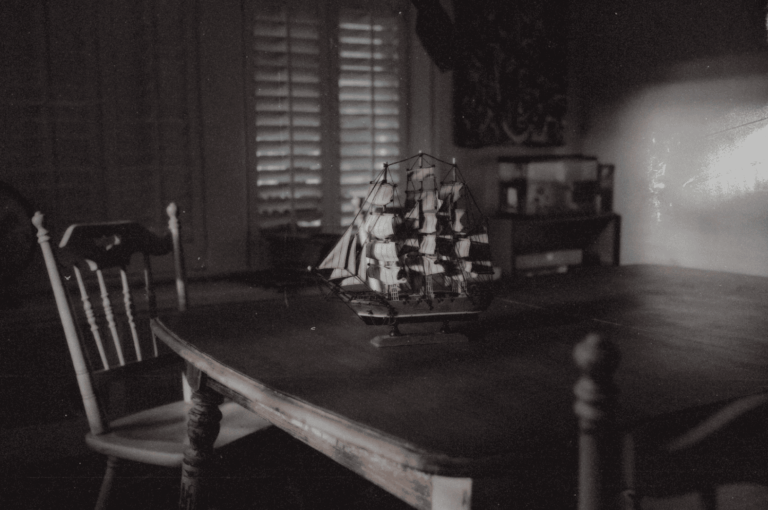

First Light: Faces at Dawn

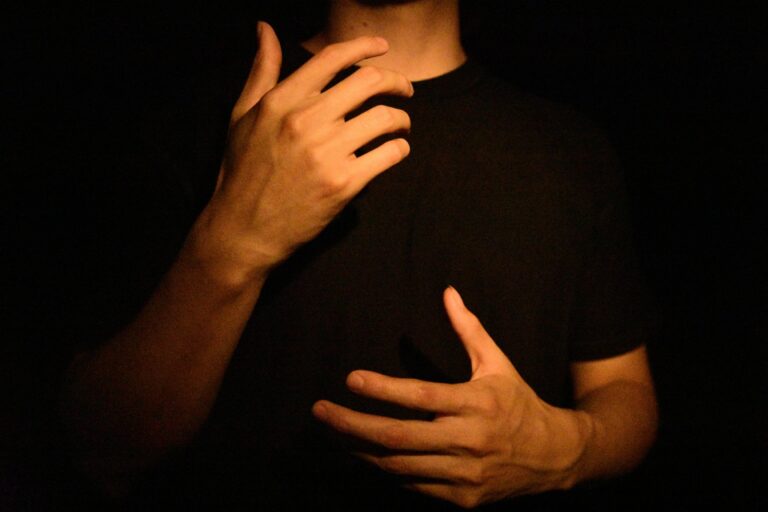
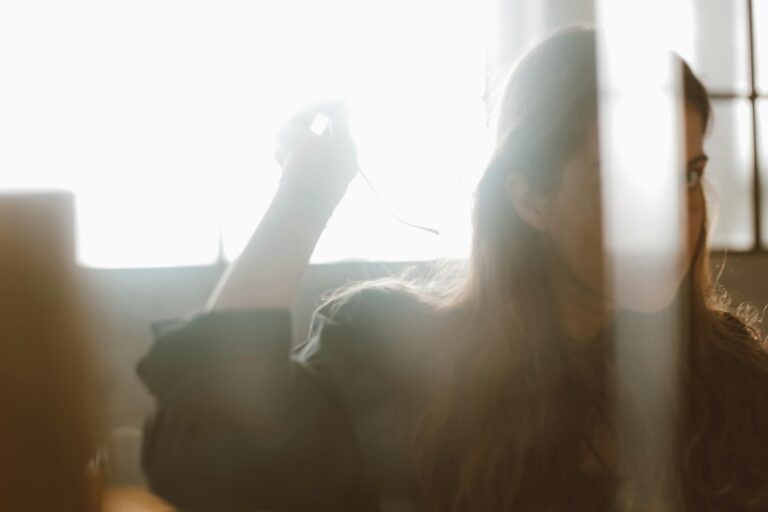
The first light of dawn is a gentle, tentative thing. It seeps into a room, painting the darkness in soft grays and muted blues long before the sun makes its presence known. In this quiet, liminal space between sleep and full consciousness, the human face tells a unique story. This photographic essay, “First Light,” is an intimate exploration of that vulnerable moment of waking, a study of the unguarded expressions that surface when our social defenses are still at rest and the self is untethered from the demands of the day.
The Landscape of a Sleeping Face
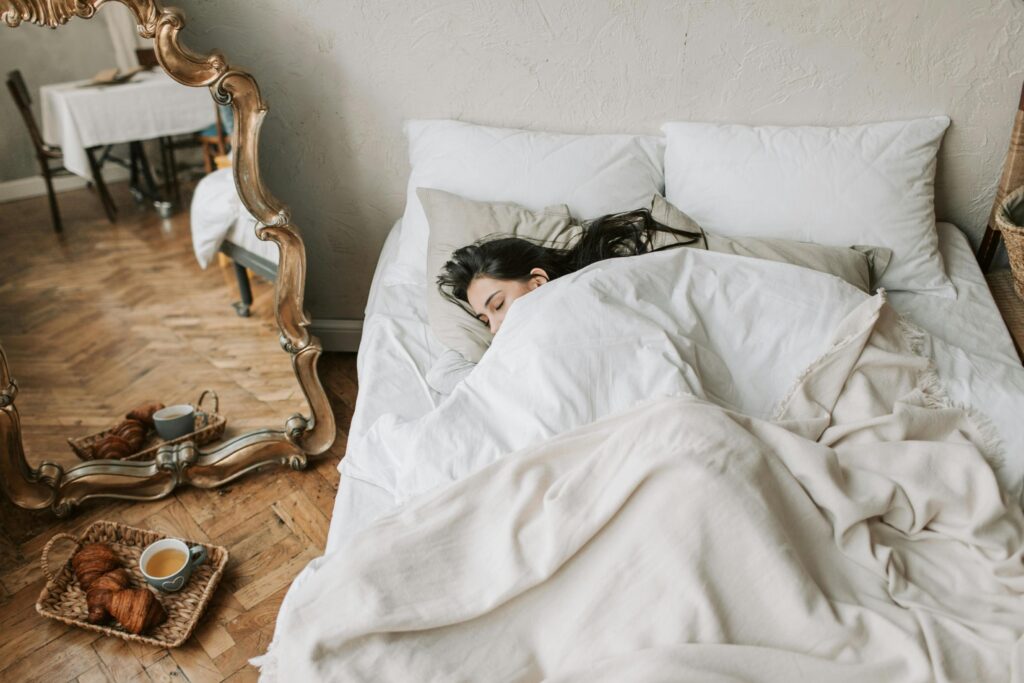
To photograph someone in the moments just before they wake is to witness a profound state of peace. The face is a placid landscape, smoothed over by sleep. The lines of worry and concentration that mark our waking hours are gone, replaced by a serene, almost sculptural stillness. The camera’s task here is to be as quiet as the light, to capture the soft texture of skin, the gentle flutter of an eyelid, and the slow, deep rhythm of breath. It’s a portrait not of a person performing an identity, but of a body in a state of pure being.
The First Stirrings
The transition from sleep to wakefulness is not a sudden switch but a slow, unfolding process. It begins with a subtle shift, a slight furrow of the brow, or a soft sigh. These are the first stirrings of consciousness returning to the body. These moments are incredibly fleeting and deeply personal. Photographing this requires patience and a deep respect for the subject’s vulnerability. The light is often low, requiring a wide aperture and a steady hand, creating images that are soft-focused and dreamlike, mirroring the state of the person in the frame. The boundary between the dream world and the real world feels thin and permeable.
The Unconscious Expression
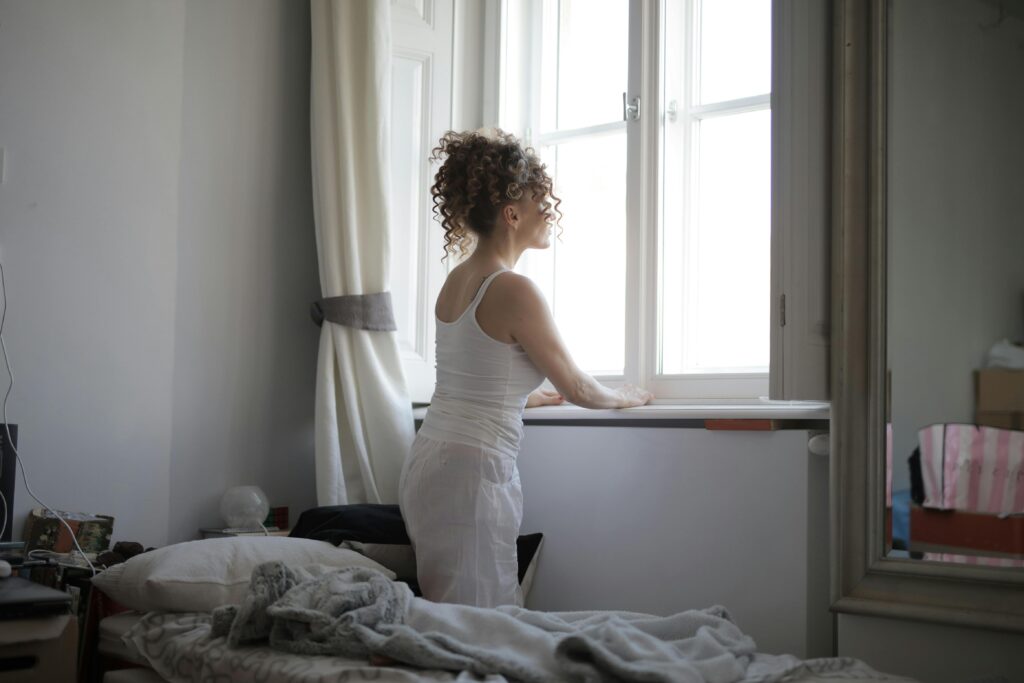
In the seconds immediately upon waking, before the mind fully grasps where it is, the face can reveal a startling range of emotions. It might be a look of pure confusion, a remnant of a dream, or a moment of placid, childlike wonder at the morning light. These are expressions we rarely see in our daily interactions. They are unconscious, unfiltered, and deeply authentic. One subject’s face held a look of profound, heart-wrenching sadness for a split second before it vanished, replaced by a neutral waking expression. The photograph holds that fleeting, mysterious sorrow, asking questions the subject themselves could not answer. This search for authentic, unguarded emotion is the holy grail for many portrait photographers, a tradition exemplified by artists like Diane Arbus, whose work is chronicled by institutions like The Metropolitan Museum of Art.
The Gaze Turned Inward
Even after the eyes open, there is a period where the gaze is still turned inward. The person sees, but they are not yet fully looking. Their focus is soft, their mind still assembling the day ahead. This inward-facing gaze is a powerful subject for a portrait. It speaks of a private, internal world that is just beginning to recede. The subject is present in the room, but also somewhere else entirely. Capturing this state of thoughtful introspection is a challenge, one that requires creating an atmosphere of trust and quiet observation. It’s a theme that resonates with the contemplative portraits of photographers like Sally Mann, whose work is often featured by major galleries and publications like Aperture.
The Return of the Self
Slowly, recognition dawns. The person remembers who they are, where they are, and what the day holds. You can see the social self returning to the body. The face subtly rearranges itself, the public mask gently settling into place. It might be a self-conscious hand moving to smooth down hair, or the beginning of a smile as they recognize the presence of the photographer. This is the end of that brief, magical window. The vulnerable, unguarded self has retreated, and the person is now ready to face the world.
A Portrait of Trust
This series would be impossible without a profound sense of trust between photographer and subject. To allow someone into that incredibly private space of waking is a gift. It requires a silent contract of respect and empathy. The camera is not there to steal a moment, but to witness it with gentleness and care. The resulting images are not just portraits of individuals; they are portraits of a relationship, a testament to a connection that allows for such radical, unguarded vulnerability. The ethics of this kind of intimate photography are a crucial consideration, a topic thoughtfully explored in many discussions on art and representation, such as those found on platforms like Hyperallergic. This project is a quiet honor to that trust, a series of images that celebrate the beautiful, fragile authenticity of the human face at first light.
For a contemplative reflection on rhythm, silence and breath in our daily spaces, read The Space Between Breaths.