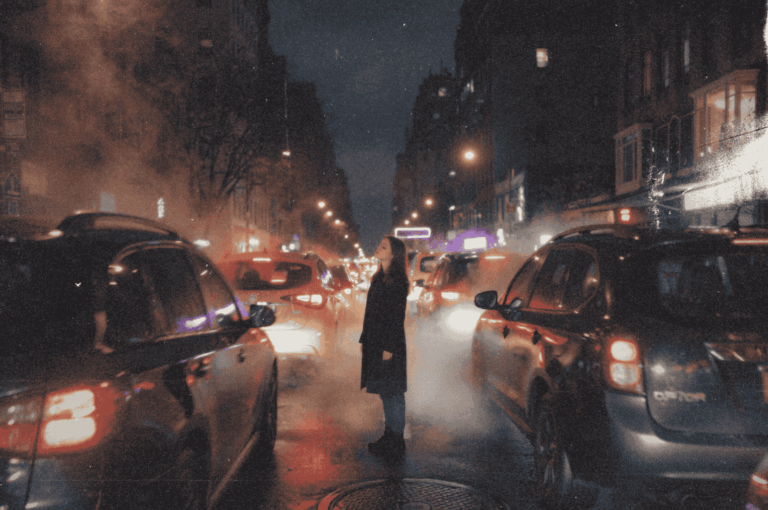

The Second Before Recognition

There is a moment so brief it barely registers, a flicker of time that exists between seeing a face and knowing it. It is the second before recognition, a fleeting, private interval of pure perception before memory and emotion rush in. This photographic series is a study of that specific, delicate moment. It seeks to capture the unguarded human face in that split second of uncertainty, just before it transforms with the warmth, surprise, or joy of familiarity. It is an exploration of the mind at work, a visual poem about the silent, lightning-fast journey from stranger to friend.
The Face as a Question Mark
Before recognition dawns, the face is a question mark. The eyebrows might furrow slightly, the head tilts, and the eyes narrow in concentration. It is an expression of pure, unfiltered cognitive processing. I saw it on a woman in a busy train station. Her eyes scanned the crowd, landed on a face, and then paused. For a single, suspended second, her expression was one of intense, neutral appraisal. She was accessing a vast internal database of faces, searching for a match. To photograph this is to capture the mind’s machinery in motion, a silent, internal whirring made visible.
A Moment of Vulnerable Anonymity
In that second before recognition, we are briefly anonymous to each other, even if we are lifelong friends. The public mask we wear is still in place; the social script has not yet been activated. The person is simply an observer, their face a canvas of calm assessment. This creates a moment of profound, unintentional vulnerability. It’s a state of being that is entirely un-self-conscious. Capturing this requires immense speed and luck, the ability to see the moment coming and react before it vanishes. It’s a pursuit similar to that of many street photographers, whose work in capturing fleeting, authentic human moments is celebrated by collectives like In-Public.
The Cascade of Transformation
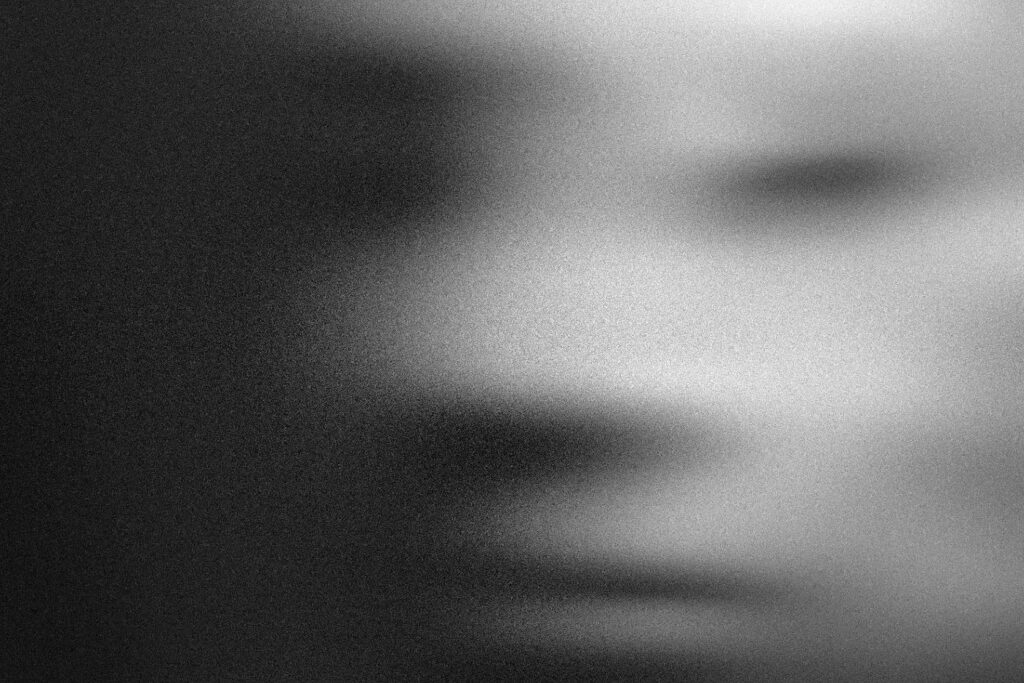
What makes this “second before” so powerful is the incredible transformation that immediately follows. The instant the connection is made, the face erupts. The neutral mask dissolves into a dazzling, uninhibited smile, the eyes light up with warmth, and the body’s posture changes as it prepares for an embrace or a wave. By capturing the moment before this cascade, the photograph implies the entire emotional release that is to come. It holds the viewer in a state of anticipation, allowing them to imagine the joy of the reunion. The power is in the potential energy, the held breath before the beautiful release.
The Nuances of Near-Recognition
Not all moments of pre-recognition are the same. There’s the confused squint of someone trying to place a face out of context—”Is that my dentist at a concert?” There’s the hesitant, half-formed smile that says, “I think I know you, but I’m not sure.” Each variation is a miniature story about memory, context, and social connection. The camera can act as a sensitive instrument, documenting these subtle shifts in expression that betray the inner monologue of the subject. This fascination with the minute, expressive details of the human face is a cornerstone of portraiture, deeply explored by artists like Chuck Close, whose work can be seen at institutions such as the SFMOMA.
A Universal Human Experience
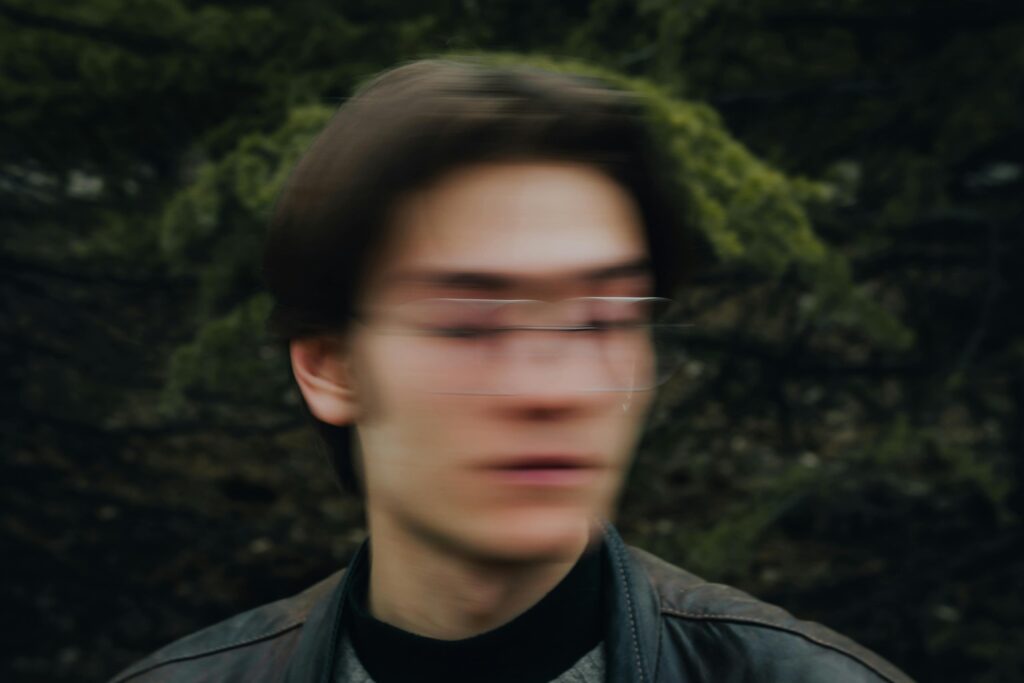
This fleeting moment is a universal human experience. It cuts across all cultures, languages, and ages. We have all felt it: the brief cognitive dissonance, the mental search, and the final, satisfying “click” of recognition. To photograph it is to capture something fundamental about how our brains are wired for social connection. It’s a visual study of the very architecture of our relationships. This intersection of human cognition and art is a fascinating field, often explored in depth by interdisciplinary journals and publications like The MIT Press Reader, which delve into the science behind our perceptions.
The Photographer as a Witness to Connection
As the photographer, this project requires being a patient observer of human connection. It means watching for the subtle cues, the pauses in a person’s gaze, the stillness that precedes the spark. It’s about being present to the tiny, invisible dramas that play out in public spaces every day. The final image is not just a portrait of a person; it is a portrait of a relationship about to be reaffirmed. It is a quiet celebration of the profound magic in a simple, everyday occurrence: the joy of seeing someone you know, and in that moment, feeling a little less alone in the world. It’s a testament to the fact that the most powerful stories are often the most fleeting ones.
Read more about this in my article Hands That Speak: Lives Written in Palms.