Forgotten Floors: The Hidden Life of Basement Establishments
Beneath the familiar rhythm of the city streets lies another layer, a subterranean world of forgotten floors and hidden doorways. This is the realm of basement establishments—the small bookshops, repair workshops, jazz clubs, and bars that thrive below ground. This photographic essay is an exploration of these subterranean spaces, a documentation of how literal and metaphorical darkness can cultivate a unique sense of intimacy, community, and freedom, creating alternative economies and havens away from the sunlit world above.
The Descent as a Transition

The journey to a basement establishment is a physical and psychological transition. It begins with a descent down a narrow flight of stairs, leaving the noise and light of the city behind. Each step down is a step away from the everyday. The air changes, growing cooler and often carrying a distinct, earthy scent mixed with old paper or spilled beer. The camera can capture this transition by focusing on the textures of the journey: the worn handrail, the steepness of the steps, the sliver of daylight shrinking as you go deeper. It is a passage into a different kind of space, one that feels secret and intentional.
A World in Low Light
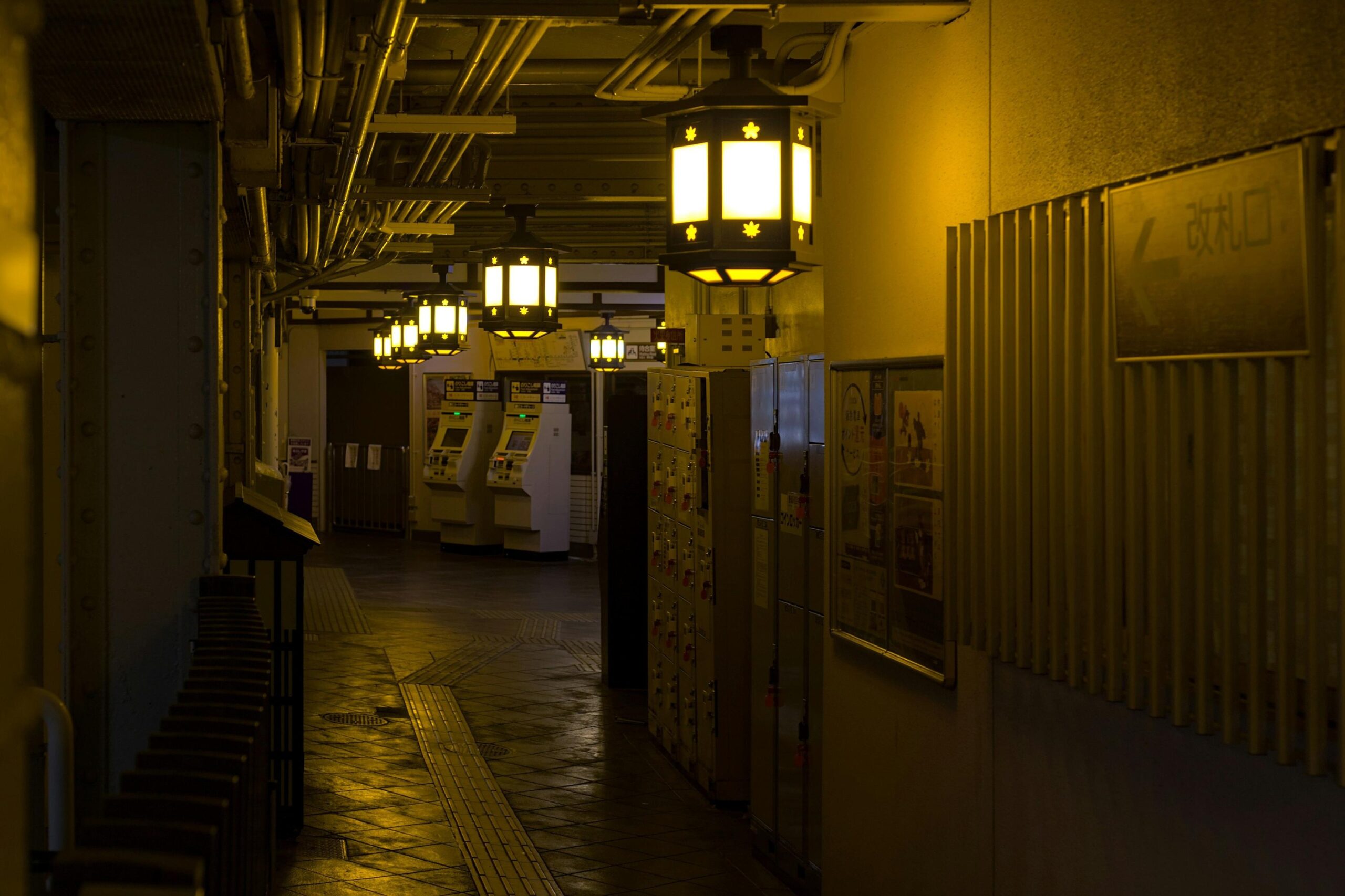
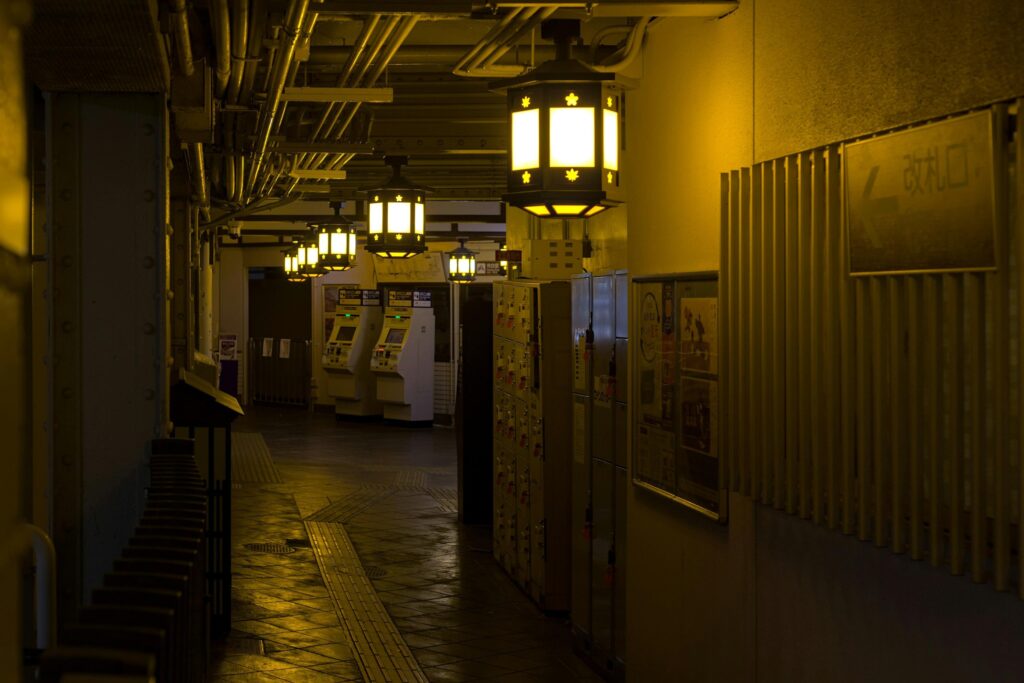
Basement spaces are defined by their lack of natural light. They are worlds illuminated by the warm, deliberate glow of a single desk lamp, the scarlet hum of a neon sign, or the soft flicker of candlelight on a table. This low, artificial light creates an atmosphere of intimacy and focus. Shadows become deep and enveloping, carving out private corners in a public space. For a photographer, this is a beautiful challenge. It’s an exercise in finding the light, in composing images that embrace the darkness, and in capturing the soft, moody quality of a world lit from within. This use of shadow and light to create atmosphere is a technique mastered by artists like Caravaggio, whose dramatic works can be studied at galleries such as the Borghese Gallery and Museum.
The Intimacy of Enclosure
The low ceilings and close walls of a basement create a feeling of enclosure, a physical intimacy that encourages a different kind of social interaction. In a subterranean jazz club I photographed, the audience was pressed close to the stage, the space so tight that the vibrations of the bass seemed to run through the floor. This proximity fosters a powerful, shared experience. Strangers become temporary neighbors, their shoulders nearly touching, all focused on the same point of light or sound. The camera can capture this by using a wide lens to show the full, cozy room, or a telephoto lens to isolate a brief, knowing glance between two listeners.
Havens for the Unconventional
Basement establishments have long been havens for the unconventional. They are places for niche interests and subcultures to flourish away from the mainstream gaze. I found a tiny, basement bookshop crammed from floor to ceiling with obscure poetry and political tracts. The owner didn’t need a flashy storefront; his customers sought him out. These spaces operate on a different economic and social model, one based on passion, community, and word-of-mouth. Their very location—hidden, underground—acts as a filter, attracting those who are looking for something different. The history of counter-culture movements is deeply tied to such spaces, a history documented in various forms by institutions like the New Museum.
A Portrait of Place
These spaces are rich with character, their walls layered with the history of everyone who has passed through. A photograph might focus on the intricate graffiti covering a bathroom wall, the deep scratches on a wooden bar top, or the overlapping flyers for past events. These are not just details; they are the accumulated story of the place. They are a testament to the community that has made this underground space its own. Each mark is a contribution to a collective, evolving portrait. This idea of place as a bearer of memory and story is a powerful theme, explored by many writers and thinkers featured in publications like Orion Magazine.
Emerging into the Light
Leaving a basement establishment and emerging back into the daylight is always a disorienting experience. The sun feels unnaturally bright, the city sounds jarringly loud. You carry the quiet, intimate atmosphere of the underground space with you for a few moments. This project is a tribute to those moments and the places that create them. It’s a celebration of the forgotten floors where, in the absence of sunlight, a different kind of warmth and connection can grow. It reminds us that sometimes, you have to go underground to find the most vibrant, hidden pockets of life in a city.
Read more about this in my article, Concrete Dreams: The Last Residents of Vanishing Public Housing.