The Language of Leaves: Seasonal Translations
A tree speaks a language of constant transformation, and its leaves are the vocabulary. By returning to the same tree through the changing seasons, we can learn to read this silent, cyclical poetry. This photographic study is a meditation on that language. It is a year-long conversation with a single oak, a solitary maple, and a patient birch, documenting their annual cycle of growth, vibrant color, and stark bareness. Through the lens, we can see how foliage becomes a complex dialect for expressing the passage of time and nature’s resilient, repeating patterns.
Spring: The Unfurling
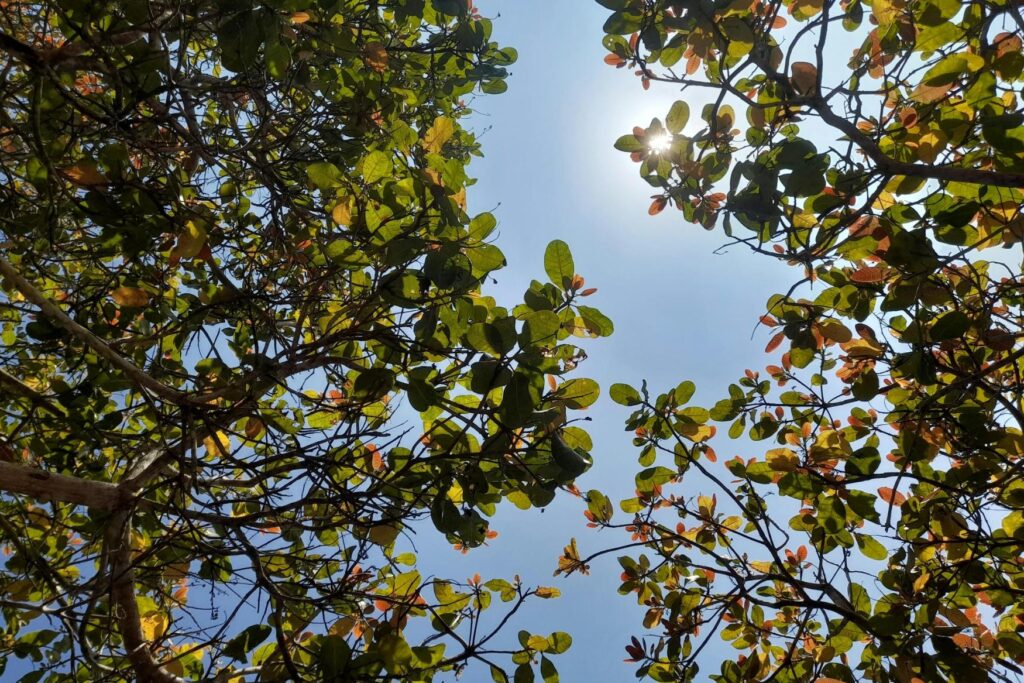
The first conversation of the year is a whisper. It begins with the subtle swelling of buds on seemingly lifeless branches. Photographing this stage requires a macro lens and a patient eye. The buds are tight, protective fists, holding the promise of the entire summer. Then, almost overnight, they unfurl. The new leaves are a luminous, almost translucent green, wrinkled and delicate like newborn things. They are not yet a canopy, but a pointillist painting of light and color against the sky. Capturing this moment is about documenting pure potential, the explosive, quiet energy of renewal.
The Grammar of Green
Summer is a long, sustained monologue in a single, dominant color. The leaves mature, darken, and form a dense canopy that drinks the sun. The language becomes one of texture and shadow. The photographer’s challenge shifts from capturing delicate emergence to finding form within a sea of green. It’s about photographing the way the wind moves through the canopy like a sigh, the intricate patterns of veins on a single leaf, or the way sunlight dapples the ground below. It’s a season of deep, verdant peace, a study in the subtle variations of a single, life-affirming hue.
Autumn: The Great Translation
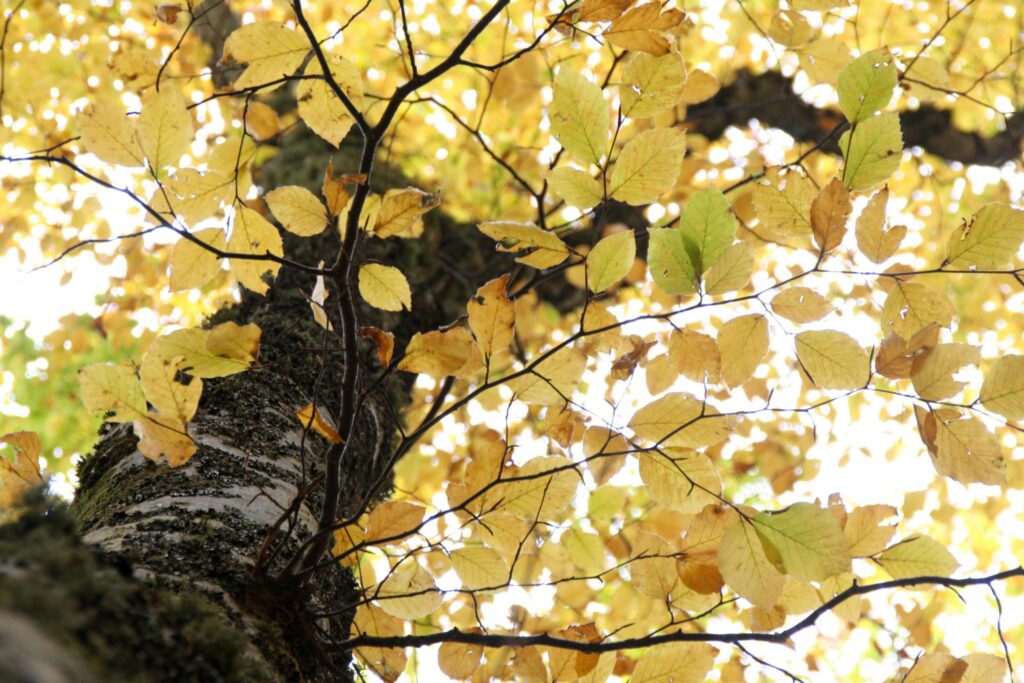
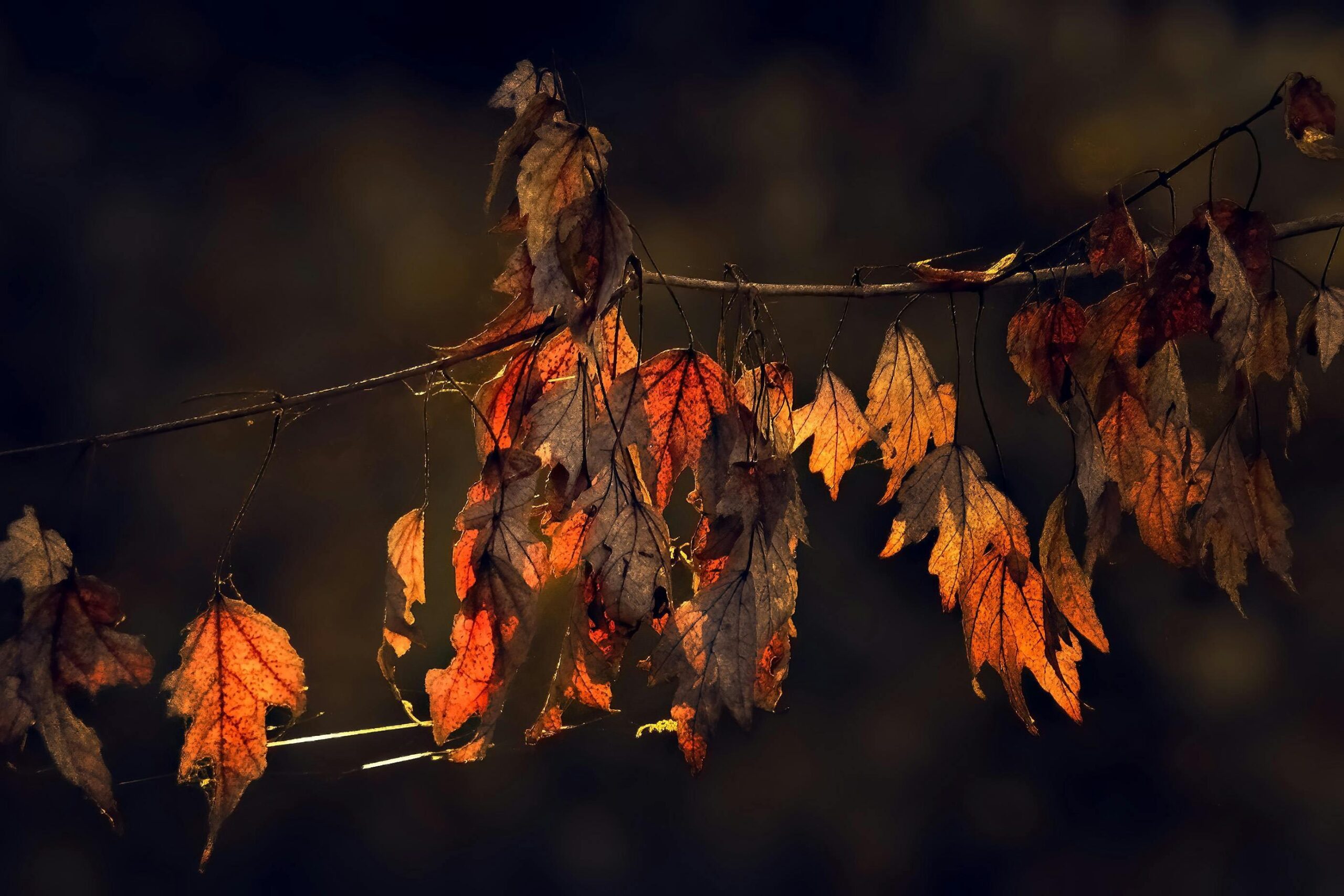
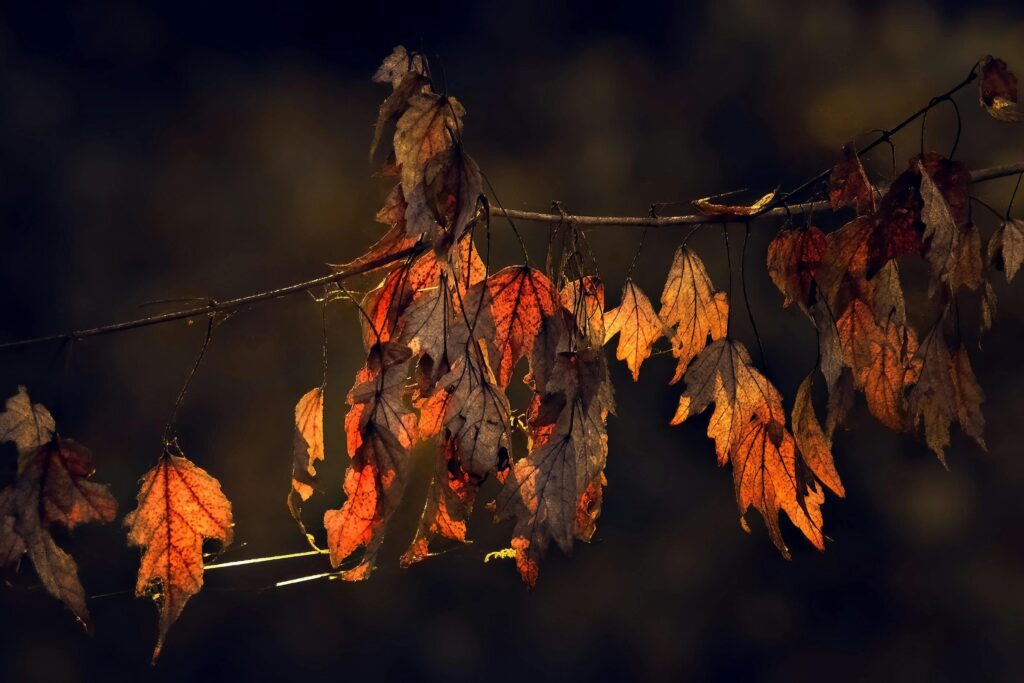
Autumn is when the tree truly speaks in poetry. The slow retreat of chlorophyll reveals the colors that were hidden all along—the fiery oranges, the brilliant yellows, the deep, bruised purples. This is the great translation, where the tree’s stored sunlight is converted into a final, breathtaking spectacle. A single branch can hold a dozen shades, a gradient of time showing which leaves are turning first. This season is a gift to the photographer, a fleeting, emotional performance. The goal is to capture the blazing intensity of a single, perfect maple leaf or the feeling of walking under a golden, shimmering canopy. This connection between nature’s cycles and artistic expression is a timeless theme, one beautifully captured in Japanese art, which can be explored at institutions like the Freer Gallery of Art.
The Beauty of Letting Go
The climax of the autumn language is the act of letting go. The leaves release their hold, not with sadness, but with a graceful finality. They drift, spin, and dance on the wind, carpeting the forest floor. Photographing this “leaf fall” is to capture a moment of beautiful surrender. Using a slower shutter speed can transform the falling leaves into streaks of color, a painterly blur of motion, a technique beautifully explored by Slow Shutter. It’s a visual representation of the tree giving back to the earth, completing a vital cycle. This idea of finding beauty in impermanence and transition is a core concept in many philosophies, thoughtfully examined in publications like Tricycle: The Buddhist Review.
Winter: The Eloquence of Silence
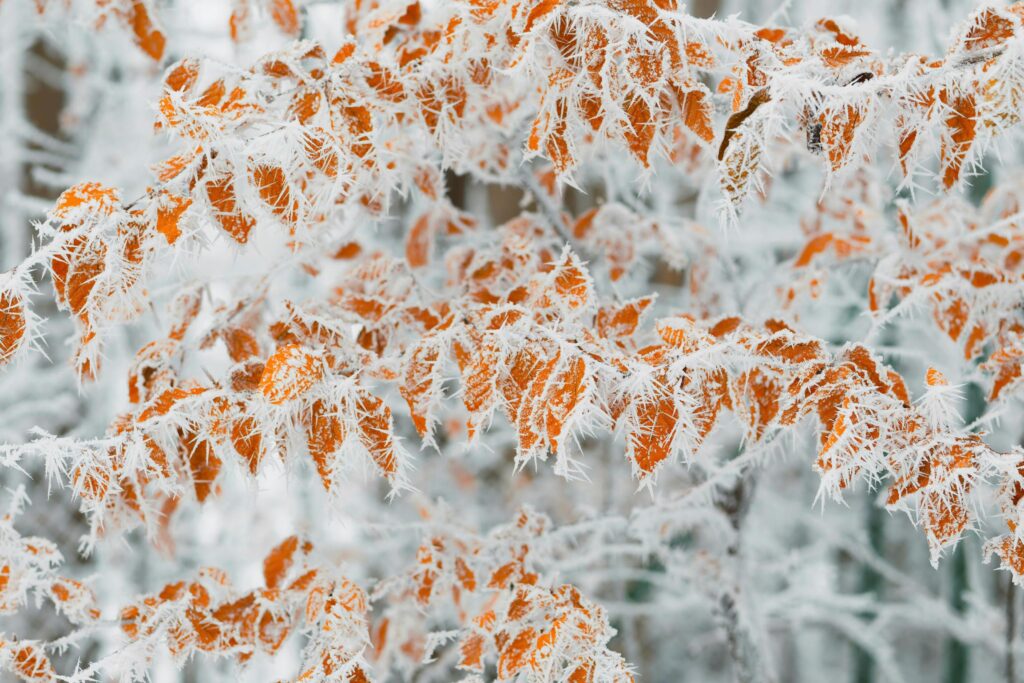
After the last leaf has fallen, the tree reveals its essential self. Winter is the season of silence, where the language becomes one of pure form. The bare branches create a stark, intricate silhouette against a pale sky. This is the tree’s skeleton, its fundamental architecture, now fully visible. Photographing the tree in winter is an exercise in minimalism. It’s about the graphic power of its lines, the texture of its bark, and the way it holds the snow. This stripped-down form has its own profound beauty, an aesthetic celebrated by minimalist artists and photographers whose works are often found on platforms like Artsy.
The Promise in the Bare Branch
Even in the deepest stillness of winter, the language of the tree is not one of death, but of dormancy. It is a state of rest and waiting. Close inspection reveals the tiny, tightly-closed buds that hold the promise of the next spring. To photograph these buds in the dead of winter is to capture a portrait of resilience and hope. It is to understand that the entire, vibrant cycle is already encoded in the bare branch, waiting for the right moment to begin its beautiful, repeating speech all over again. The tree teaches us that every ending is simply a pause before a new beginning.