The Weight of Uniforms: Identity On and Off Duty
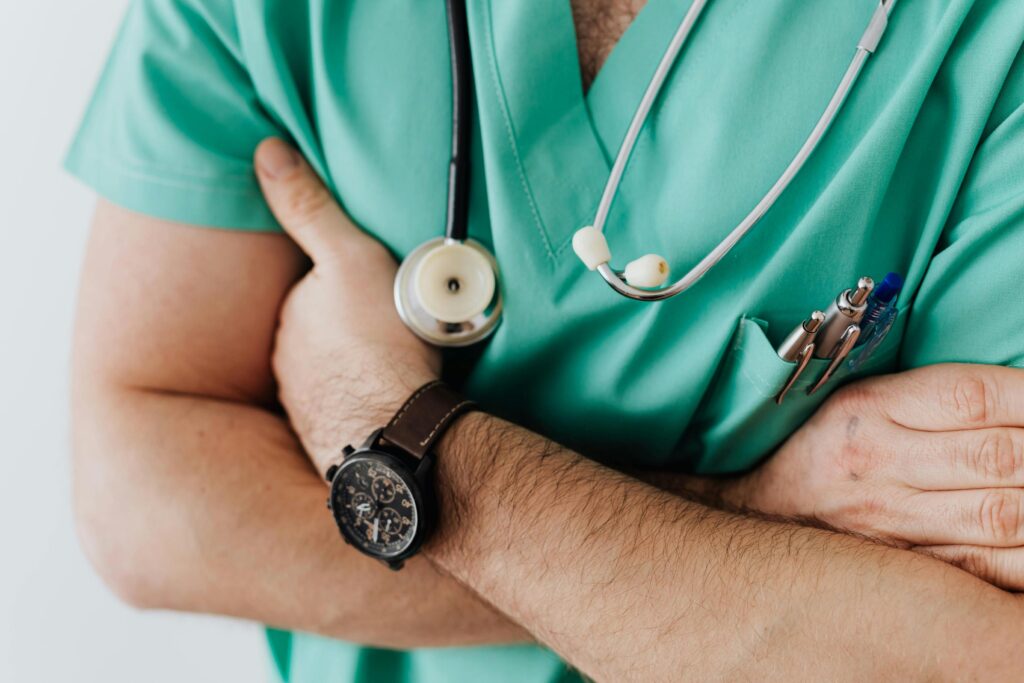
A uniform is more than just clothing. It is a second skin, a costume that assigns us a role in the world. It can signify authority, service, expertise, or neutrality. But what happens to the person inside that uniform when the workday is over? This photographic essay, “The Weight of Uniforms,” is an exploration of that transition. Through paired portraits of individuals in their professional uniforms and then in their personal attire, this series delves into the subtle shifts in posture, expression, and presence that occur when the public self gives way to the private.
The Armor and the Unburdening
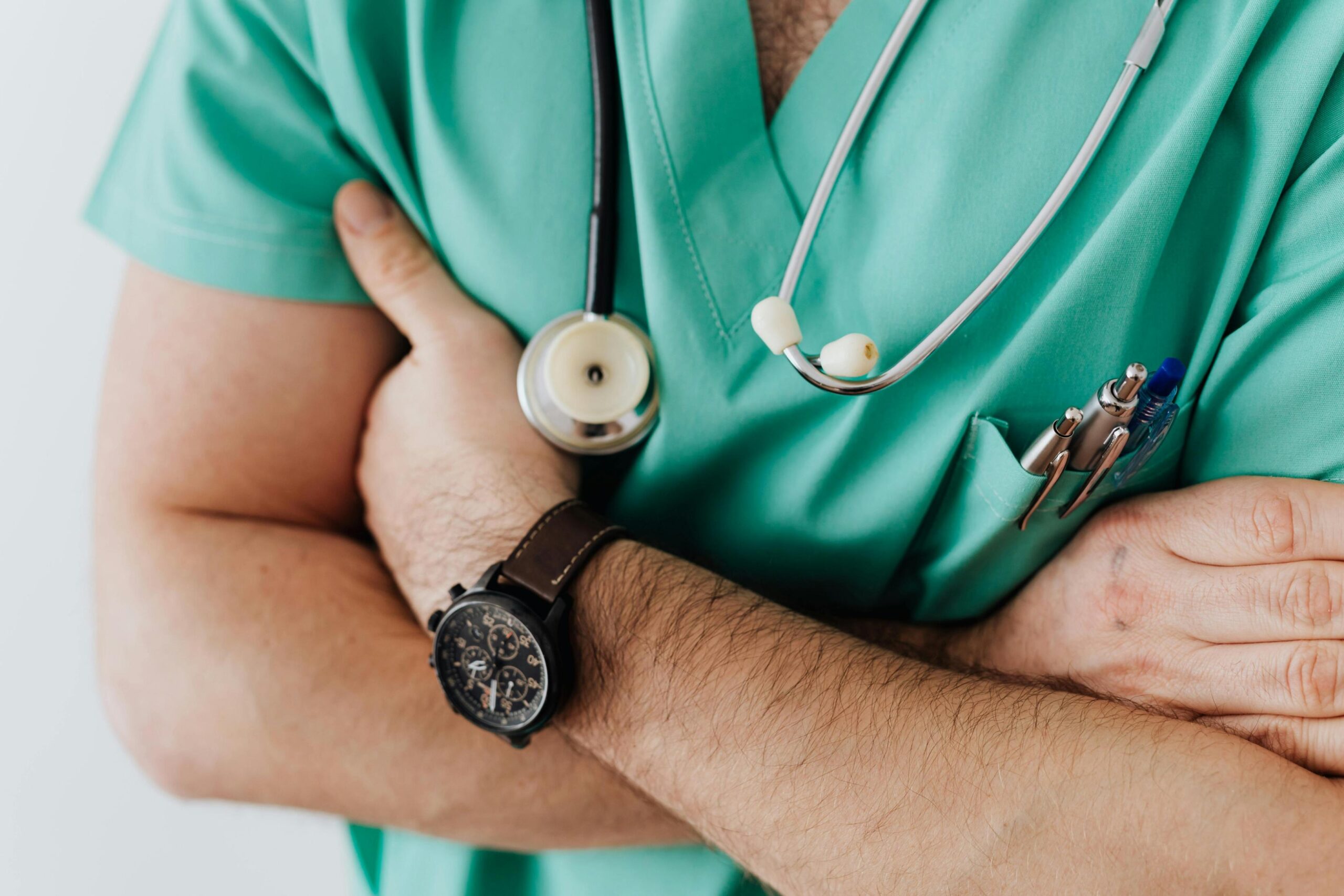
For many, a uniform is a form of armor. I photographed a paramedic, her posture in her crisp, functional uniform was one of alert readiness. Her gaze was direct, her body language conveying a sense of capability and control. It was the posture of someone prepared to face a crisis. When she changed into her own clothes—a soft sweater and jeans—the transformation was immediate. Her shoulders, which had been held in a state of prepared tension, visibly relaxed. The professional mask dissolved, revealing a quieter, more introspective presence. The portraits, side-by-side, do not show two different people, but two different aspects of the same person: one who serves the public, and one who exists for herself.
A Shift in Posture, A Change in Presence
The most immediate change is in the body. A chef, photographed in his starched white coat, stood with a grounded, commanding presence, his arms often crossed—a stance of authority in his domain. In his own t-shirt, he seemed to shrink slightly, not in stature, but in energy. His arms hung loosely at his sides, his stance more open and vulnerable. The uniform carries with it a muscle memory of professional identity. Shedding it is a physical act of unburdening, a letting go of the role and the responsibilities that come with it. This study of the body’s language is a central part of portraiture, a subject explored by many great artists whose work is featured by institutions like the National Portrait Gallery.
The Uniform as a Social Contract
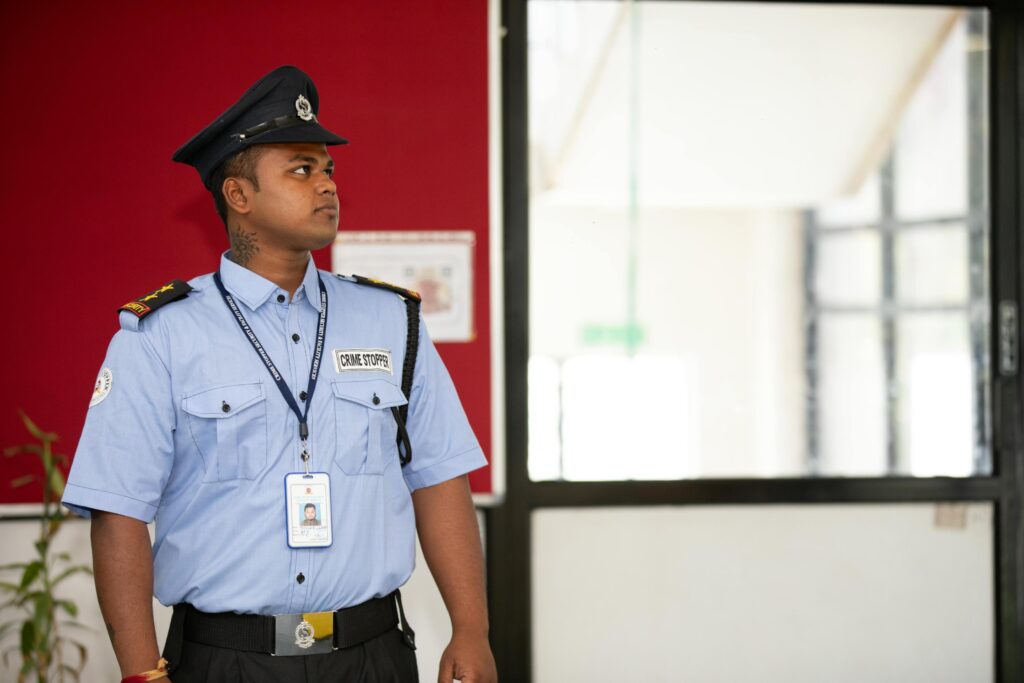
A uniform is a social contract. It tells the world who you are and what to expect from you. This can be both a comfort and a constraint. A security guard I photographed spoke of how his uniform made him both visible and invisible. People saw the uniform, not him, affording him a strange kind of anonymity. His portrait in uniform shows a man who is part of a system, his expression neutral, his presence defined by his function. In his own clothes, his personality emerged in vivid detail: a brightly colored shirt, a unique piece of jewelry. The photograph captures a sudden blossoming of individuality. The contrast raises questions about identity: how much of who we are is defined by the roles we play? This intersection of identity, clothing, and society is a rich field of study, often touched upon in cultural commentary found in magazines like The New Yorker.
Details That Define
When the uniform is removed, the small details of personal choice become powerfully significant. A worn-out band t-shirt, a delicate necklace, a pair of brightly colored socks—these are the elements that broadcast a person’s tastes, passions, and history. They are the vocabulary of the private self. For a nurse accustomed to scrubs, the choice of a patterned dress was a deliberate act of self-expression. Her “off-duty” portrait is not just about relaxation; it is about reclaiming a visual identity that is entirely her own. This power of clothing and personal adornment to tell stories is a theme as old as art itself, explored in depth by museums focused on design and fashion, like the Victoria and Albert Museum.
The Space Between Two Selves
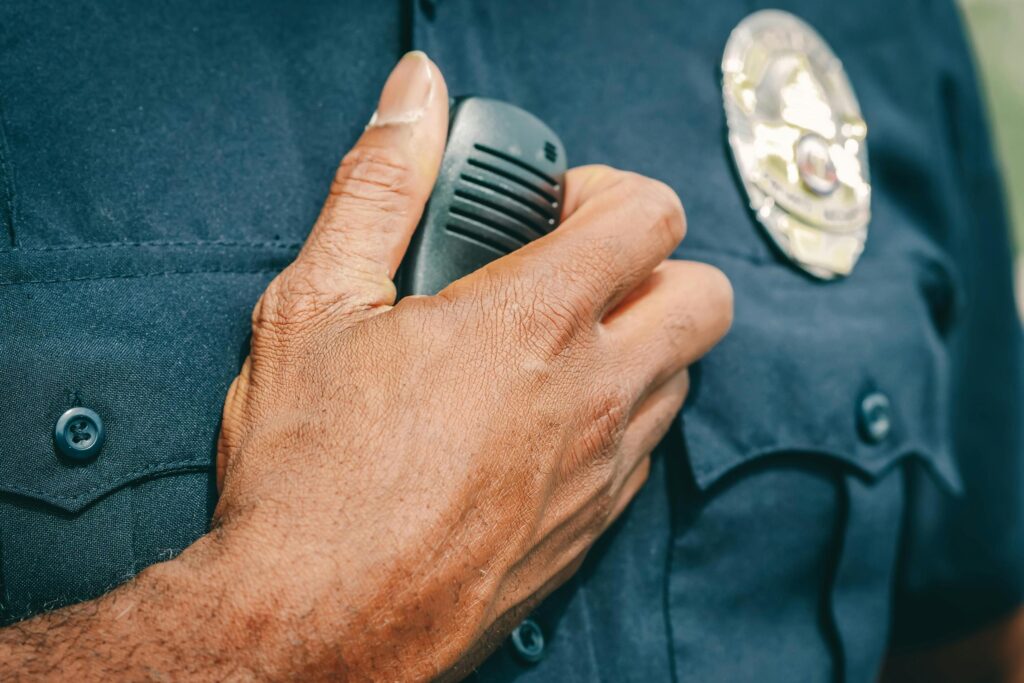
This project is an exploration of the space between our public and private selves. It is a meditation on the transition we all make at the end of the workday, whether we wear a formal uniform or not. The camera acts as a quiet witness to this subtle, intimate transformation. It doesn’t seek to expose or judge, but to observe with empathy the way we navigate our different identities. It is in the moment of release, the gentle exhale as the uniform comes off, that we can see the person in their most unfiltered state.
A Portrait of Wholeness
By placing these two portraits together, we are not seeing a contradiction. We are seeing a more complete and holistic picture of a human being. The person is both the dedicated professional in their uniform and the unique individual in their own clothes. One identity does not erase the other; they coexist. The series honors the weight of the roles we carry and the profound relief of setting that weight down. It is a celebration of the complexity of the human spirit, capable of holding both duty and freedom, the public and the deeply personal, within a single existence.
Explore more Soul Portraits that capture identity and emotional depth, including Inherited Light: Family Objects as Emotional Anchors and The Suspended Moment Before Goodbye.